This website uses cookies to ensure you get the best experience on our website.


- Table of Contents
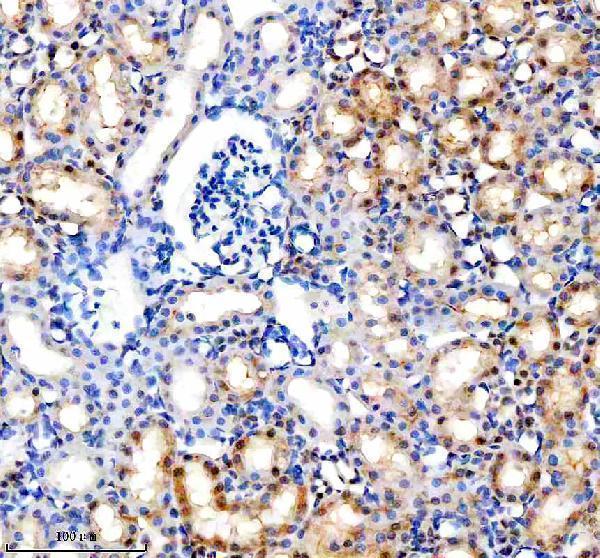
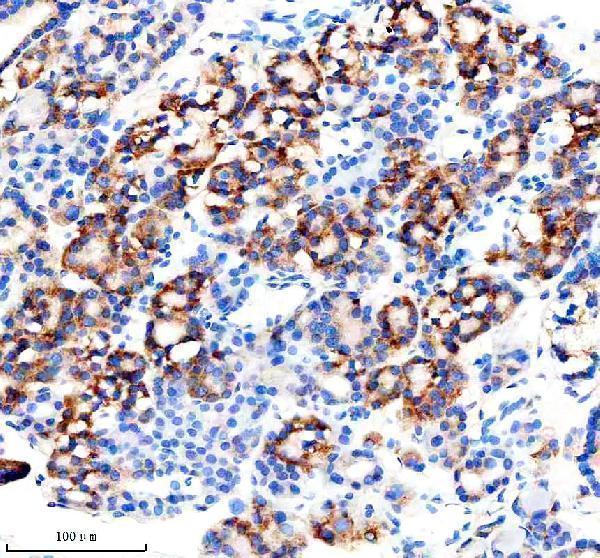
Designing an IHC experiment for MINPP1? The guide has the expected staining pattern, antigen retrieval and fixation, antibodies backed by real IHC images, the tissue controls to run alongside, and protocols taken from published papers.
Open the MINPP1 IHC Guide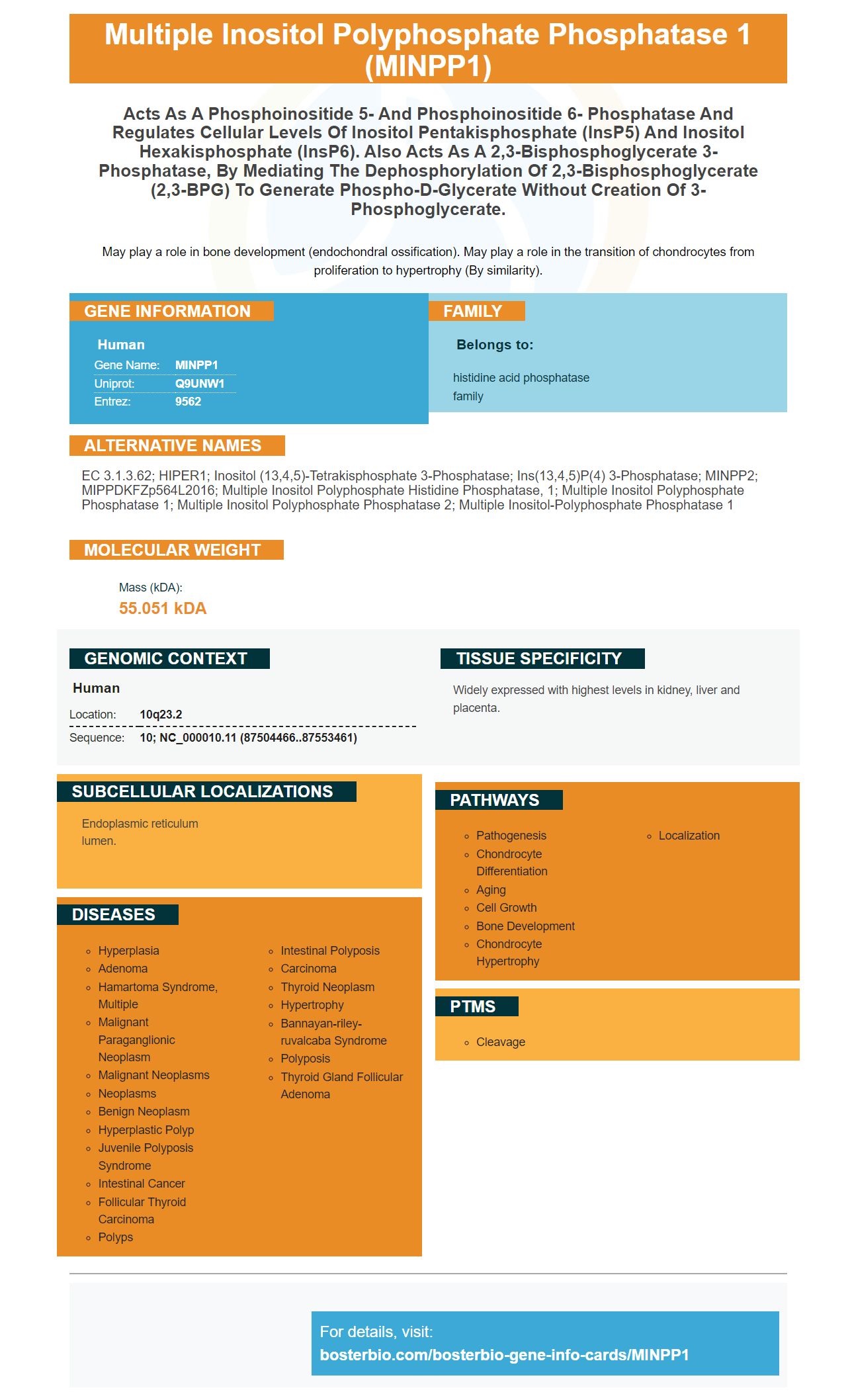
Facts about Multiple inositol polyphosphate phosphatase 1.
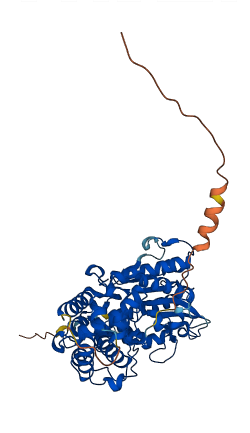
May play a role in bone development (endochondral ossification). May play a role in the transition of chondrocytes from proliferation to hypertrophy (By similarity).
| Human | |
|---|---|
| Gene Name: | MINPP1 |
| Uniprot: | Q9UNW1 |
| Entrez: | 9562 |

| Belongs to: |
|---|
| histidine acid phosphatase family |

EC 3.1.3.62; HIPER1; Inositol (13,4,5)-tetrakisphosphate 3-phosphatase; Ins(13,4,5)P(4) 3-phosphatase; MINPP2; MIPPDKFZp564L2016; multiple inositol polyphosphate histidine phosphatase, 1; multiple inositol polyphosphate phosphatase 1; multiple inositol polyphosphate phosphatase 2; multiple inositol-polyphosphate phosphatase 1
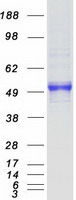
Mass (kDA):
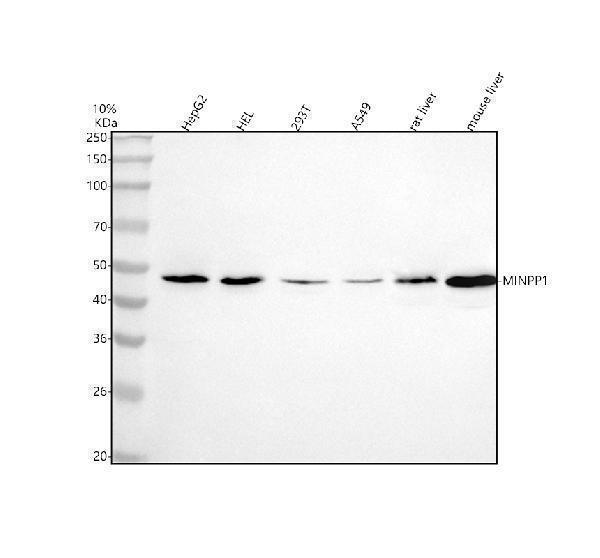
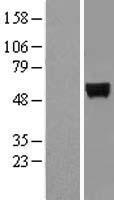
55.051 kDA

| Human | |
|---|---|
| Location: | 10q23.2 |
| Sequence: | 10; NC_000010.11 (87504466..87553461) |
Widely expressed with highest levels in kidney, liver and placenta.
Endoplasmic reticulum lumen.




PMID: 9923613 by Caffrey J.J., et al. The human and rat forms of multiple inositol polyphosphate phosphatase: functional homology with a histidine acid phosphatase up- regulated during endochondral ossification.
PMID: 10087200 by Chi H., et al. Multiple inositol polyphosphate phosphatase: evolution as a distinct group within the histidine phosphatase family and chromosomal localization of the human and mouse genes to chromosomes 10q23 and 19.