This website uses cookies to ensure you get the best experience on our website.


- Table of Contents
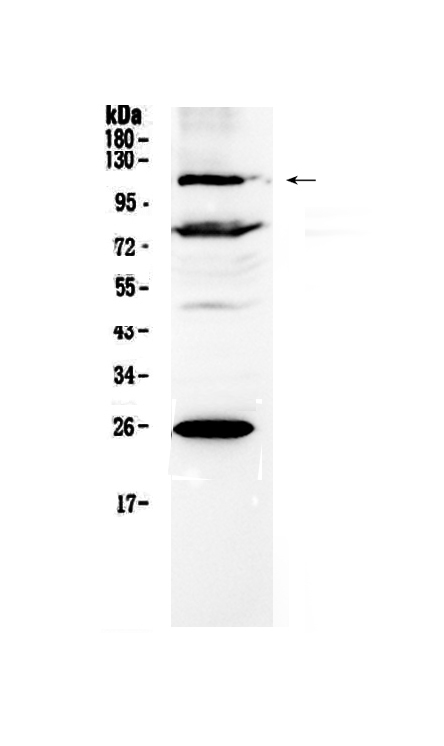
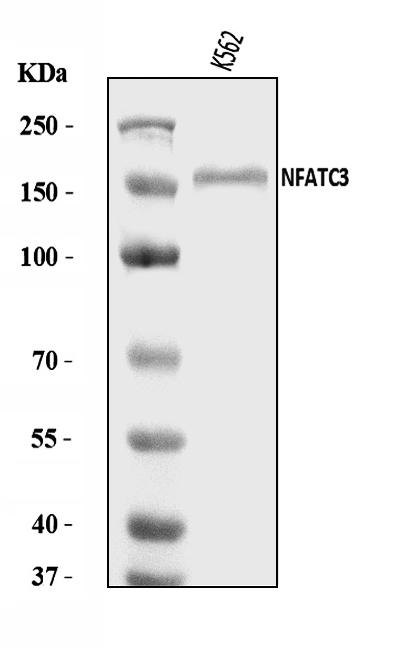
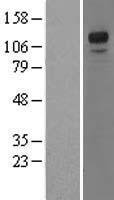
Designing a Western blot for NFATC3? The guide has the expected band size, antibodies backed by real blot images, the controls to run alongside, and protocols taken from published papers.
Open the NFATC3 Western Blot Guide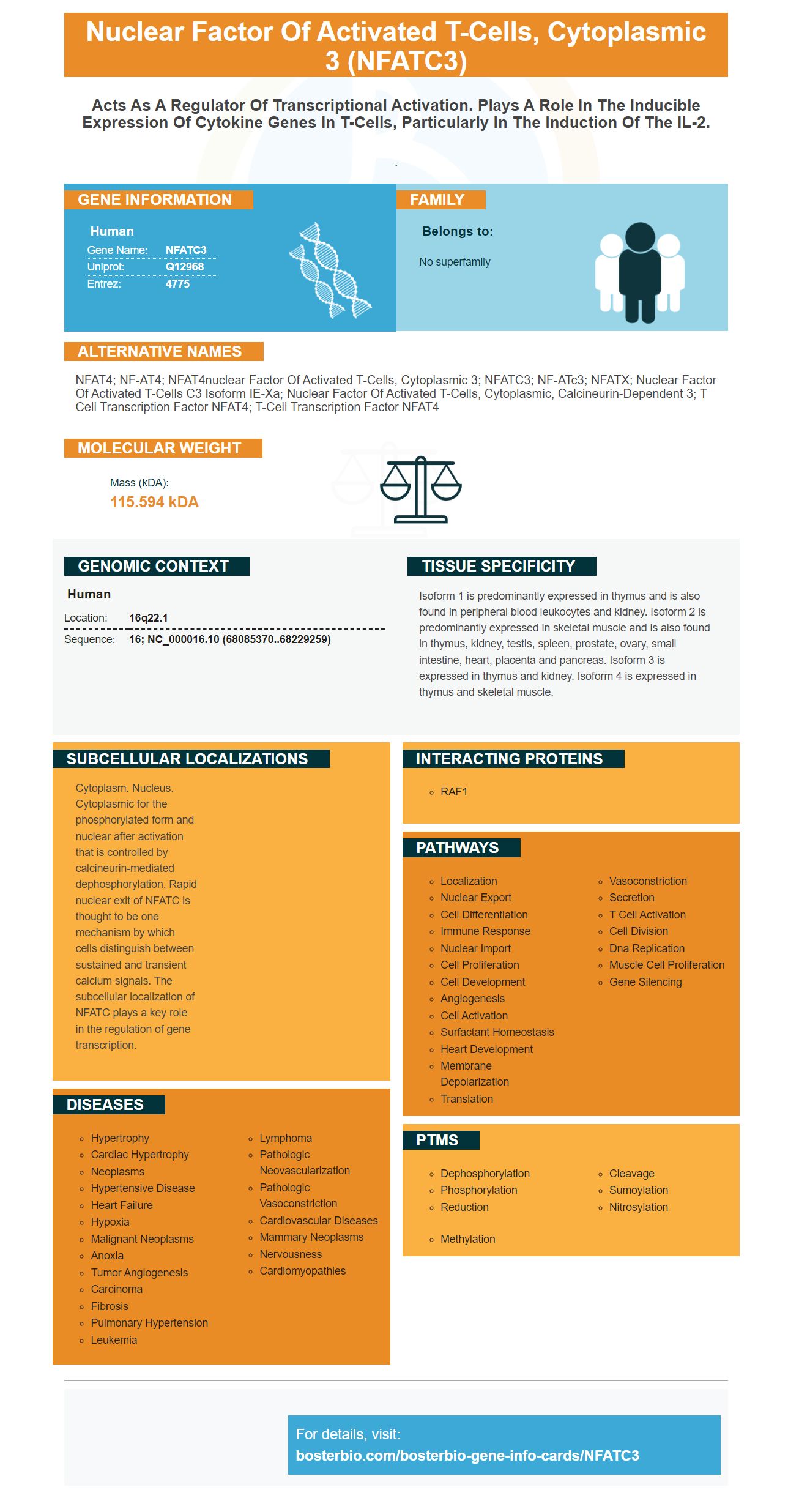
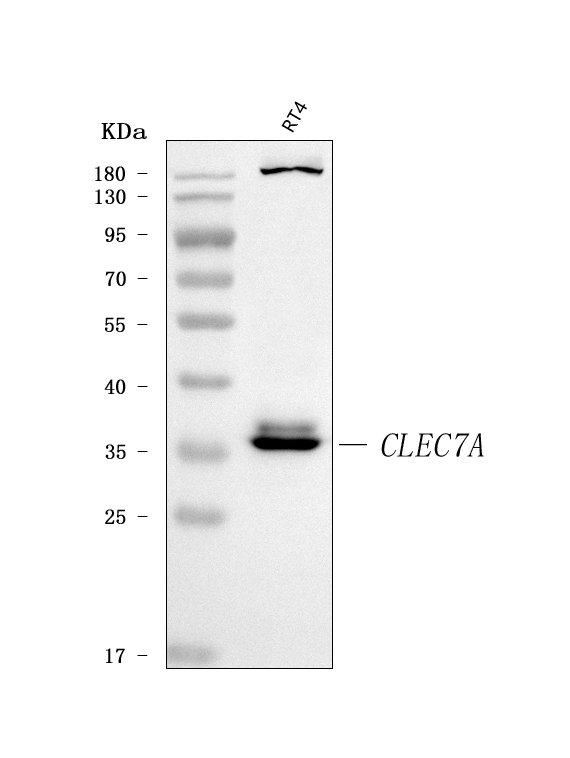


Facts about Nuclear factor of activated T-cells, cytoplasmic 3.
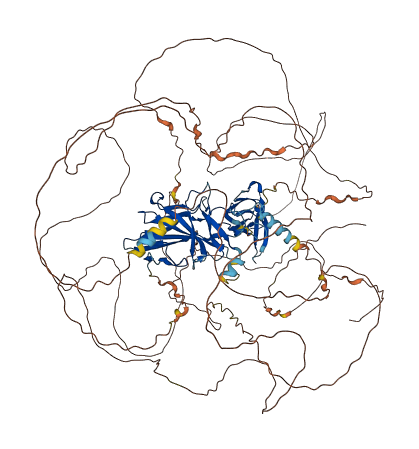
.
| Human | |
|---|---|
| Gene Name: | NFATC3 |
| Uniprot: | Q12968 |
| Entrez: | 4775 |
| Belongs to: |
|---|
| No superfamily |

NFAT4; NF-AT4; NFAT4nuclear factor of activated T-cells, cytoplasmic 3; NFATC3; NF-ATc3; NFATX; nuclear factor of activated T-cells c3 isoform IE-Xa; nuclear factor of activated T-cells, cytoplasmic, calcineurin-dependent 3; T cell transcription factor NFAT4; T-cell transcription factor NFAT4
Mass (kDA):
115.594 kDA

| Human | |
|---|---|
| Location: | 16q22.1 |
| Sequence: | 16; NC_000016.10 (68085370..68229259) |
Isoform 1 is predominantly expressed in thymus and is also found in peripheral blood leukocytes and kidney. Isoform 2 is predominantly expressed in skeletal muscle and is also found in thymus, kidney, testis, spleen, prostate, ovary, small intestine, heart, placenta and pancreas. Isoform 3 is expressed in thymus and kidney. Isoform 4 is expressed in thymus and skeletal muscle.
Cytoplasm. Nucleus. Cytoplasmic for the phosphorylated form and nuclear after activation that is controlled by calcineurin-mediated dephosphorylation. Rapid nuclear exit of NFATC is thought to be one mechanism by which cells distinguish between sustained and transient calcium signals. The subcellular localization of NFATC plays a key role in the regulation of gene transcription.


PMID: 7749981 by Hoey T., et al. Isolation of two new members of the NF-AT gene family and functional characterization of the NF-AT proteins.
PMID: 7739550 by Masuda E.S., et al. NFATx, a novel member of the nuclear factor of activated T cells family that is expressed predominantly in the thymus.