This website uses cookies to ensure you get the best experience on our website.


- Table of Contents
Designing an IHC experiment for Pld6? The guide has the expected staining pattern, antigen retrieval and fixation, antibodies backed by real IHC images, the tissue controls to run alongside, and protocols taken from published papers.
Open the PLD6 IHC Guide
Facts about Mitochondrial cardiolipin hydrolase.
PiRNA-mediated transposon silencing is thus critical for maintaining genome stability, in particular in germline cells when transposons are mobilized as a consequence of wide-spread genomic demethylation (PubMed:23064227, PubMed:23064230). Has been proposed to serve as a cardiolipin hydrolase to create phosphatidic acid in mitochondrial surface (PubMed:21397847, PubMed:21397848).
| Mouse | |
|---|---|
| Gene Name: | Pld6 |
| Uniprot: | Q5SWZ9 |
| Entrez: | 194908 |

| Belongs to: |
|---|
| phospholipase D family |

Choline phosphatase 6; EC 3.1.4.-; Mitochondrial phospholipase; MitoPLD; Phosphatidylcholine-hydrolyzing phospholipase D6; phospholipase D family, member 6; Phospholipase D6; PLD 6; Protein zucchini homolog
Mass (kDA):
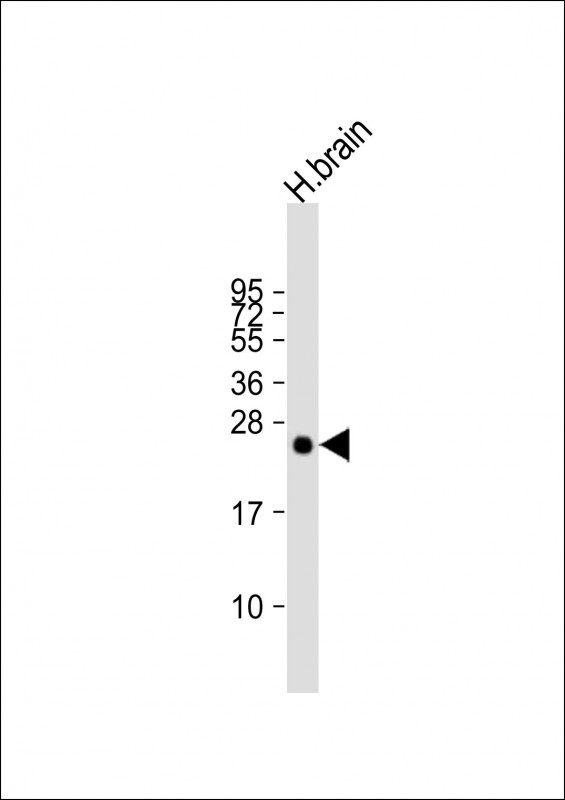
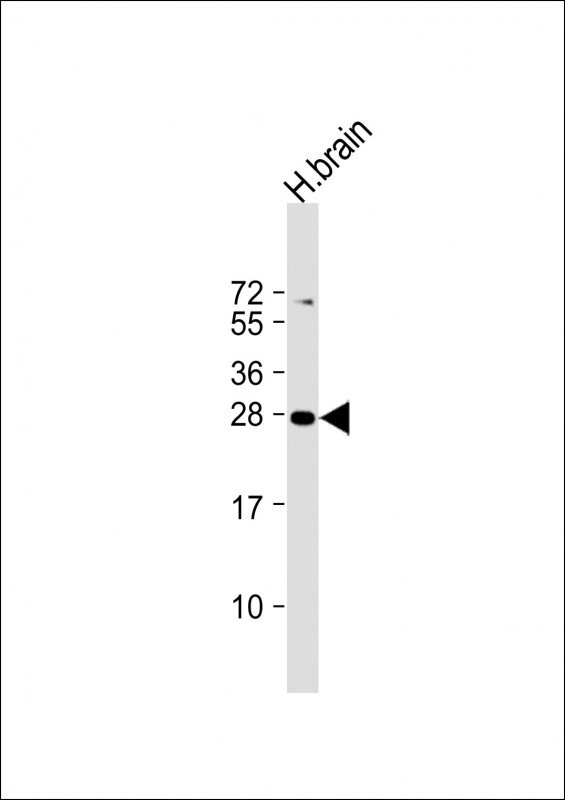
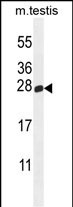
25.041 kDA

| Mouse | |
|---|---|
| Location: | 11|11 B1.3 |
| Sequence: | 11; |
Predominantly expressed in testis (at protein level). Also expressed at high levels in growing ovary.




PMID: 21397847 by Watanabe T., et al. MITOPLD is a mitochondrial protein essential for nuage formation and piRNA biogenesis in the mouse germline.
PMID: 21397848 by Huang H., et al. piRNA-associated germline nuage formation and spermatogenesis require MitoPLD profusogenic mitochondrial-surface lipid signaling.