This website uses cookies to ensure you get the best experience on our website.


- Table of Contents
Designing an IHC experiment for Rictor? The guide has the expected staining pattern, antigen retrieval and fixation, antibodies backed by real IHC images, the tissue controls to run alongside, and protocols taken from published papers.
Open the RICTOR IHC Guide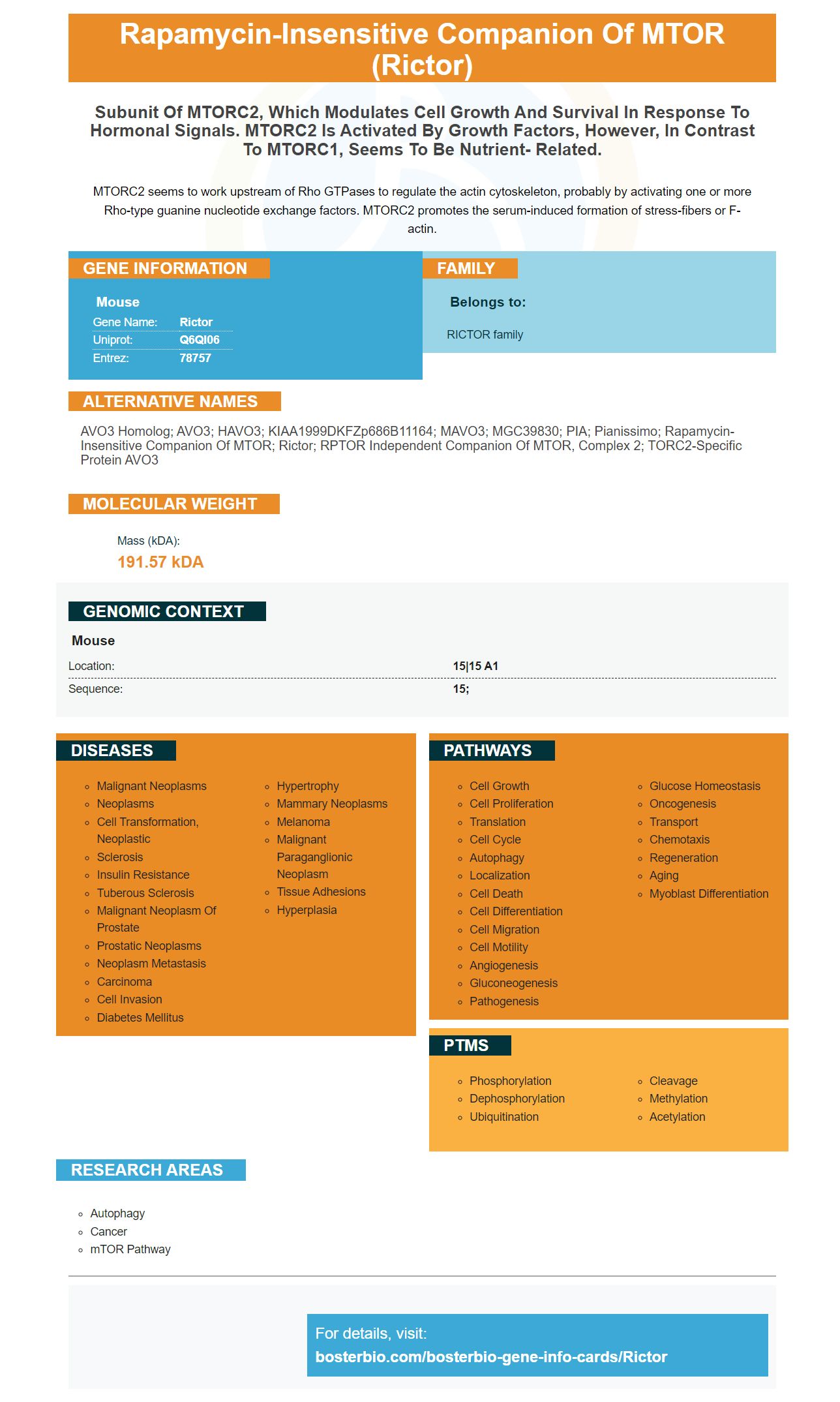

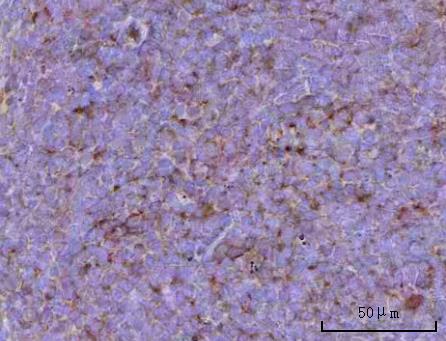
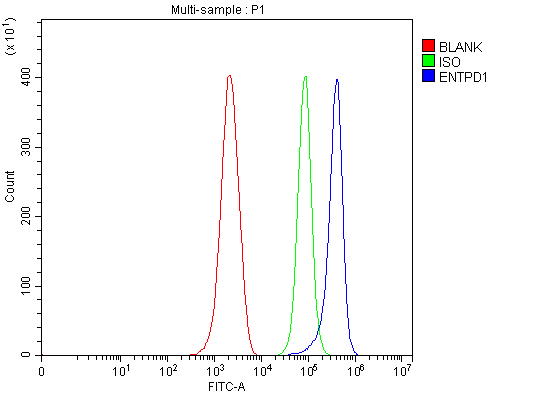
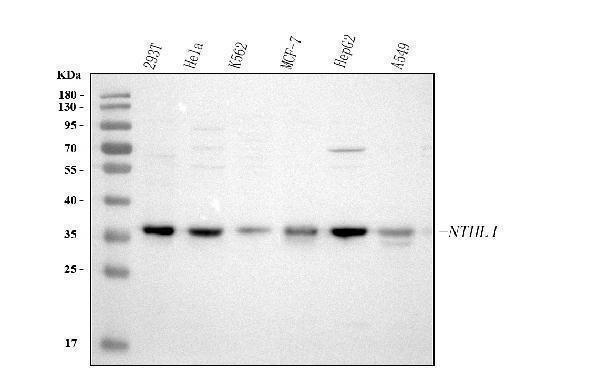
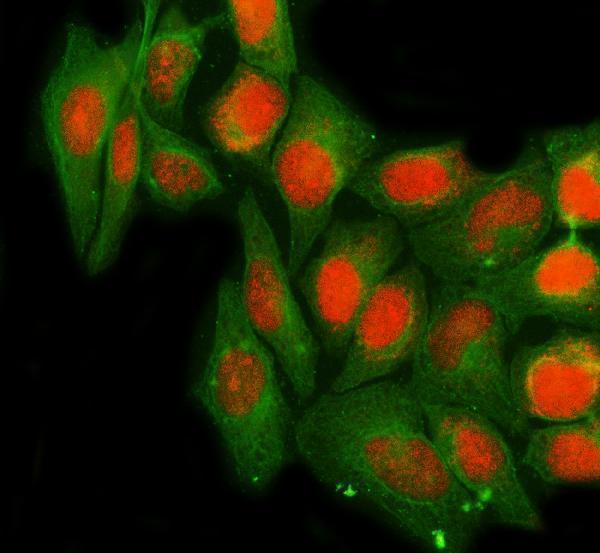
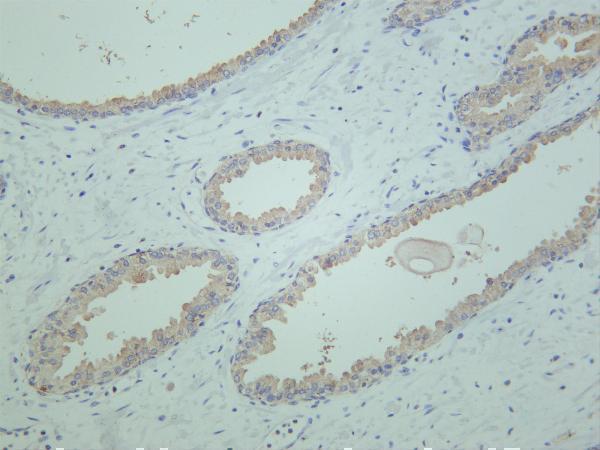
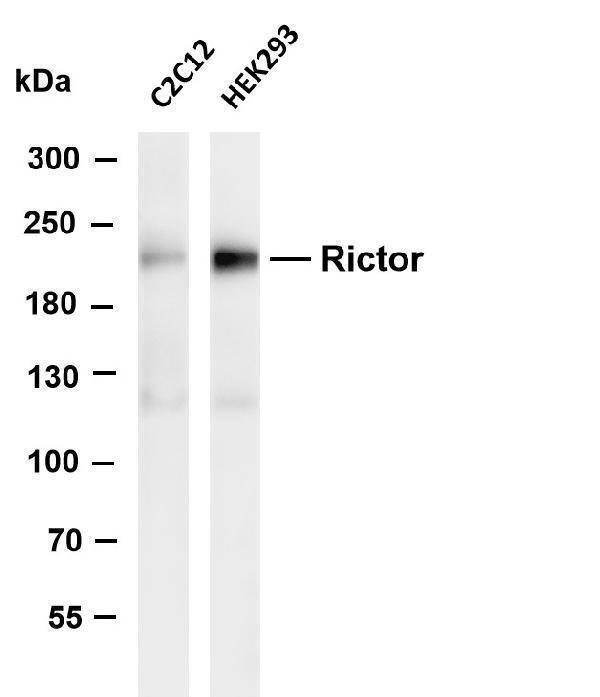
Facts about Rapamycin-insensitive companion of mTOR.
MTORC2 seems to work upstream of Rho GTPases to regulate the actin cytoskeleton, probably by activating one or more Rho-type guanine nucleotide exchange factors. MTORC2 promotes the serum-induced formation of stress-fibers or F-actin.
| Mouse | |
|---|---|
| Gene Name: | Rictor |
| Uniprot: | Q6QI06 |
| Entrez: | 78757 |
| Belongs to: |
|---|
| RICTOR family |

AVO3 homolog; AVO3; hAVO3; KIAA1999DKFZp686B11164; mAVO3; MGC39830; PIA; Pianissimo; rapamycin-insensitive companion of mTOR; Rictor; RPTOR independent companion of MTOR, complex 2; TORC2-specific protein AVO3
Mass (kDA):
191.57 kDA

| Mouse | |
|---|---|
| Location: | 15|15 A1 |
| Sequence: | 15; |




PMID: 15467718 by Jacinto E., et al. Mammalian TOR complex 2 controls the actin cytoskeleton and is rapamycin insensitive.
PMID: 16962829 by Shiota C., et al. Multiallelic disruption of the rictor gene in mice reveals that mTOR complex 2 is essential for fetal growth and viability.
*More publications can be found for each product on its corresponding product page