This website uses cookies to ensure you get the best experience on our website.


- Table of Contents
Designing an IHC experiment for Syntenin-2? The guide has the expected staining pattern, antigen retrieval and fixation, antibodies backed by real IHC images, the tissue controls to run alongside, and protocols taken from published papers.
Open the SDCBP2 IHC Guide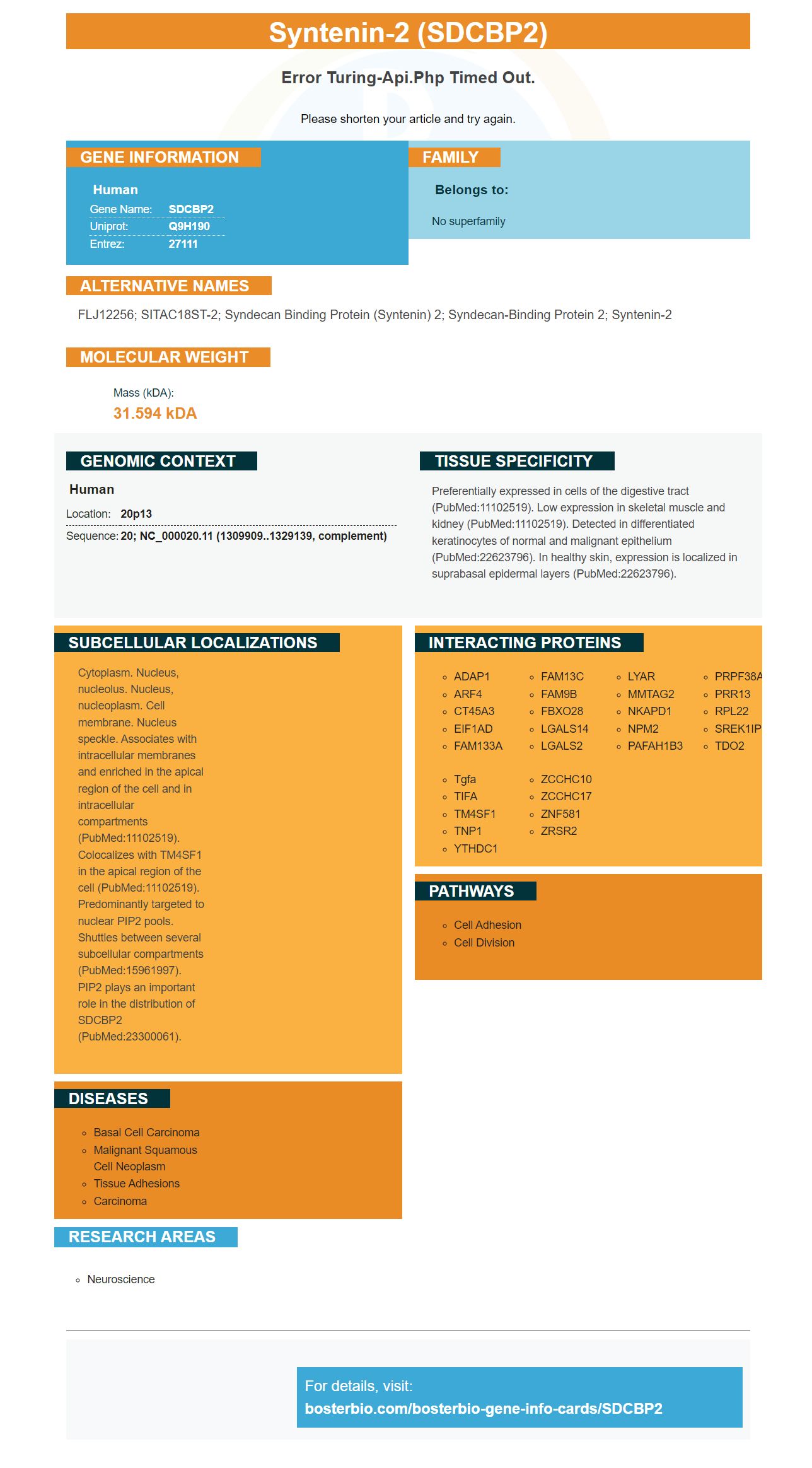
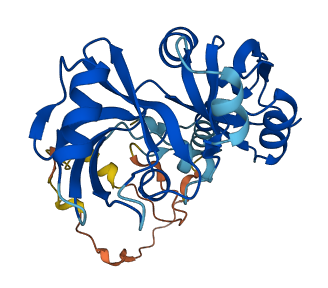
Facts about Syntenin-2.
Please shorten your article and try again.
| Human | |
|---|---|
| Gene Name: | SDCBP2 |
| Uniprot: | Q9H190 |
| Entrez: | 27111 |
| Belongs to: |
|---|
| No superfamily |

FLJ12256; SITAC18ST-2; syndecan binding protein (syntenin) 2; Syndecan-binding protein 2; syntenin-2
Mass (kDA):
31.594 kDA

| Human | |
|---|---|
| Location: | 20p13 |
| Sequence: | 20; NC_000020.11 (1309909..1329139, complement) |
Preferentially expressed in cells of the digestive tract (PubMed:11102519). Low expression in skeletal muscle and kidney (PubMed:11102519). Detected in differentiated keratinocytes of normal and malignant epithelium (PubMed:22623796). In healthy skin, expression is localized in suprabasal epidermal layers (PubMed:22623796).
Cytoplasm. Nucleus, nucleolus. Nucleus, nucleoplasm. Cell membrane. Nucleus speckle. Associates with intracellular membranes and enriched in the apical region of the cell and in intracellular compartments (PubMed:11102519). Colocalizes with TM4SF1 in the apical region of the cell (PubMed:11102519). Predominantly targeted to nuclear PIP2 pools. Shuttles between several subcellular compartments (PubMed:15961997). PIP2 plays an important role in the distribution of SDCBP2 (PubMed:23300061).



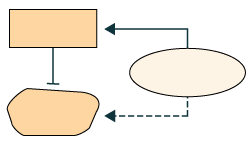


PMID: 11152476 by Koroll M., et al. The neural cell recognition molecule neurofascin interacts with syntenin-1 but not with syntenin-2, both of which reveal self- associating activity.
PMID: 11102519 by Borrell-Pages M., et al. The carboxy-terminal cysteine of the tetraspanin L6 antigen is required for its interaction with SITAC, a novel PDZ protein.