This website uses cookies to ensure you get the best experience on our website.


- Table of Contents
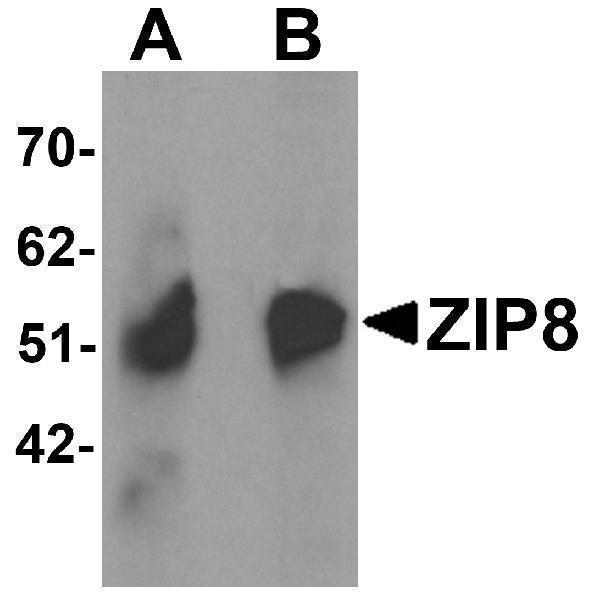
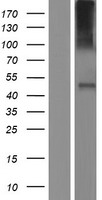
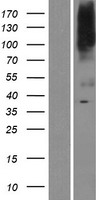
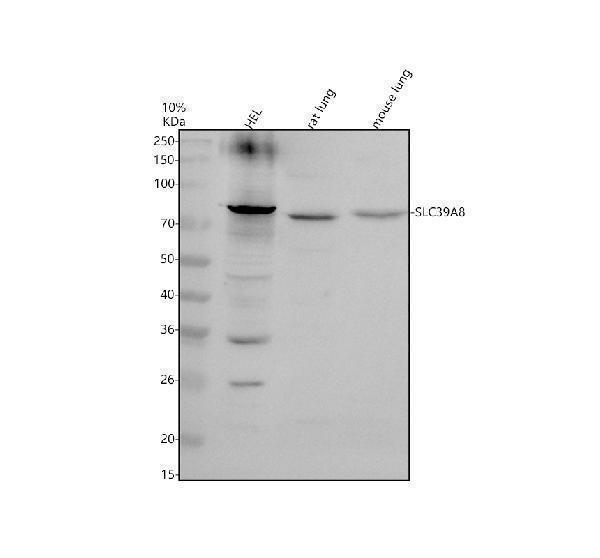
Designing a Western blot for Zinc transporter ZIP8? The guide has the expected band size, antibodies backed by real blot images, the controls to run alongside, and protocols taken from published papers.
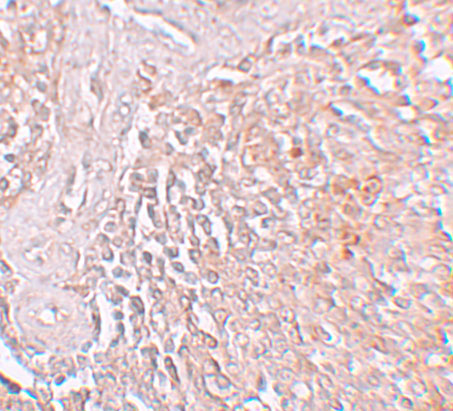
Open the SLC39A8 Western Blot GuideDesigning an IHC experiment for Zinc transporter ZIP8? The guide has the expected staining pattern, antigen retrieval and fixation, antibodies backed by real IHC images, the tissue controls to run alongside, and protocols taken from published papers.
Open the SLC39A8 IHC Guide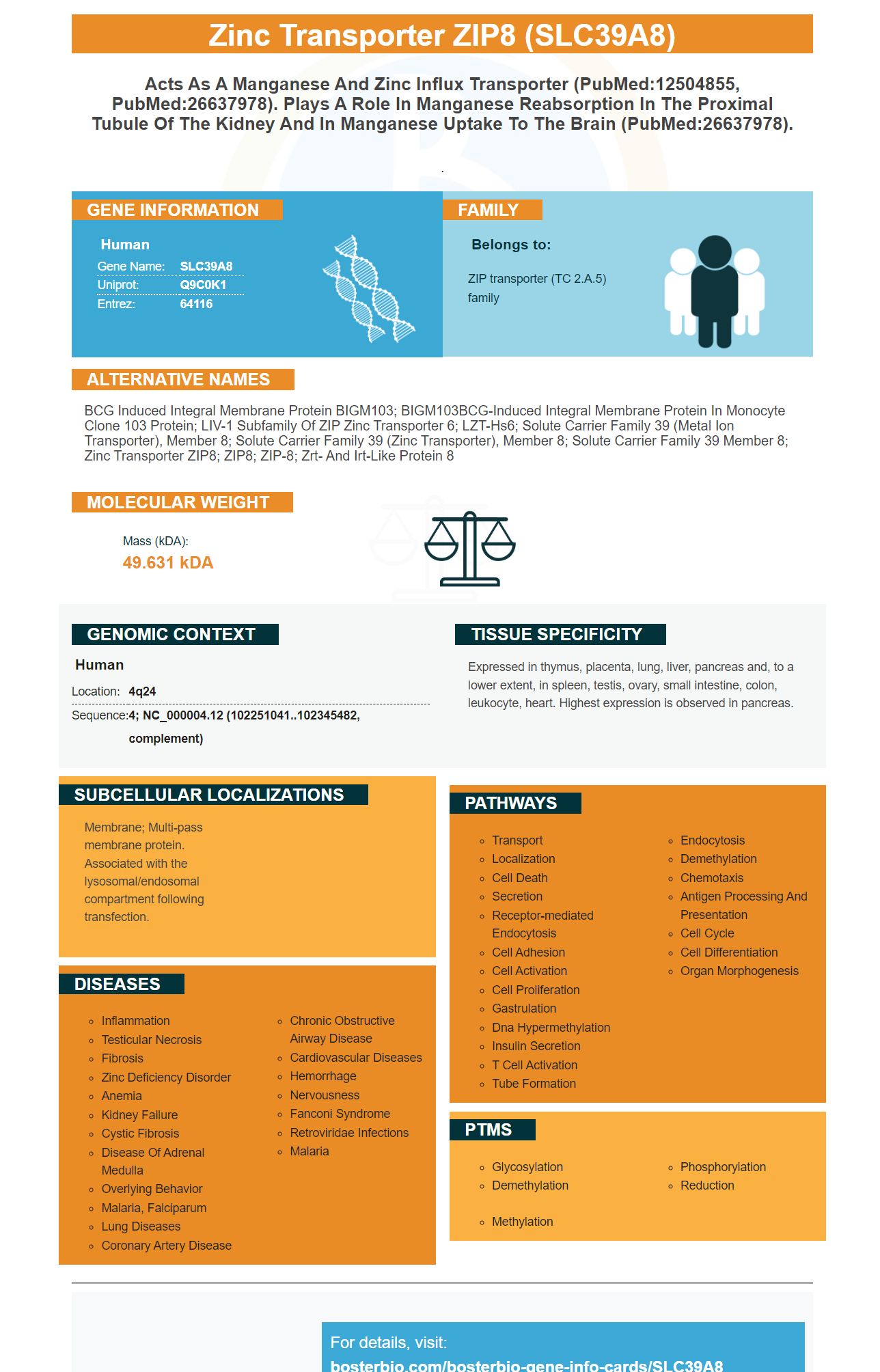
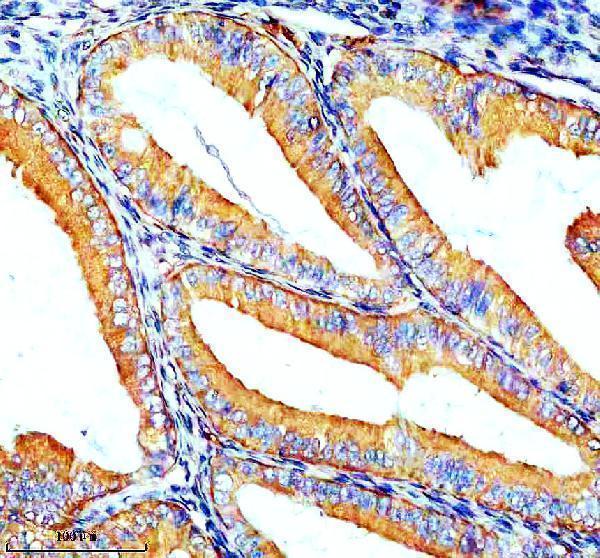
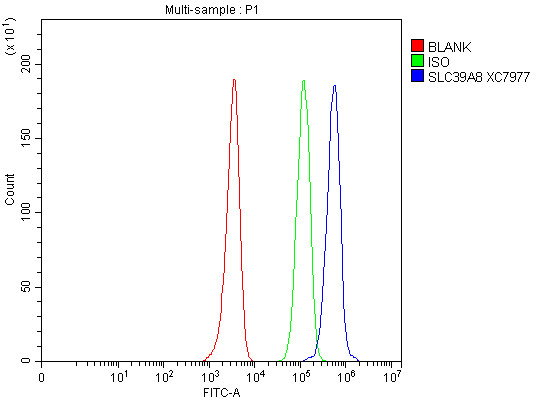
Facts about Zinc transporter ZIP8.
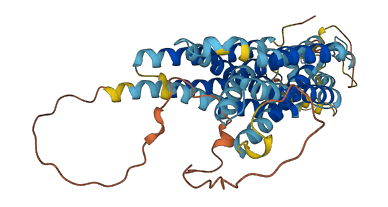
.
| Human | |
|---|---|
| Gene Name: | SLC39A8 |
| Uniprot: | Q9C0K1 |
| Entrez: | 64116 |
| Belongs to: |
|---|
| ZIP transporter (TC 2.A.5) family |

BCG induced integral membrane protein BIGM103; BIGM103BCG-induced integral membrane protein in monocyte clone 103 protein; LIV-1 subfamily of ZIP zinc transporter 6; LZT-Hs6; solute carrier family 39 (metal ion transporter), member 8; solute carrier family 39 (zinc transporter), member 8; Solute carrier family 39 member 8; zinc transporter ZIP8; ZIP8; ZIP-8; Zrt- and Irt-like protein 8
Mass (kDA):
49.631 kDA

| Human | |
|---|---|
| Location: | 4q24 |
| Sequence: | 4; NC_000004.12 (102251041..102345482, complement) |
Expressed in thymus, placenta, lung, liver, pancreas and, to a lower extent, in spleen, testis, ovary, small intestine, colon, leukocyte, heart. Highest expression is observed in pancreas.
Membrane; Multi-pass membrane protein. Associated with the lysosomal/endosomal compartment following transfection.




PMID: 12504855 by Begum N.A., et al. Mycobacterium bovis BCG cell wall and lipopolysaccharide induce a novel gene, BIGM103, encoding a 7-TM protein: identification of a new protein family having Zn-transporter and Zn-metalloprotease signatures.
PMID: 26637978 by Boycott K.M., et al. Autosomal-recessive intellectual disability with cerebellar atrophy syndrome caused by mutation of the manganese and zinc transporter gene SLC39A8.