This website uses cookies to ensure you get the best experience on our website.


- Table of Contents
Designing a Western blot for STK39? The guide has the expected band size, antibodies backed by real blot images, the controls to run alongside, and protocols taken from published papers.
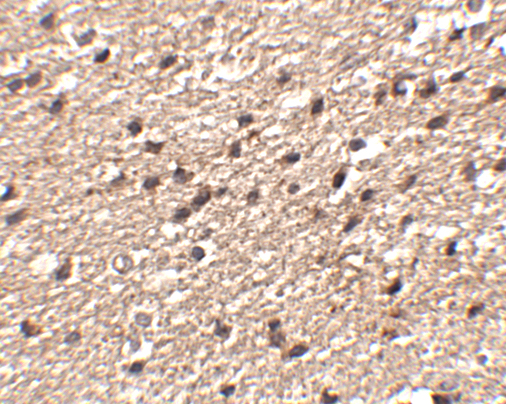
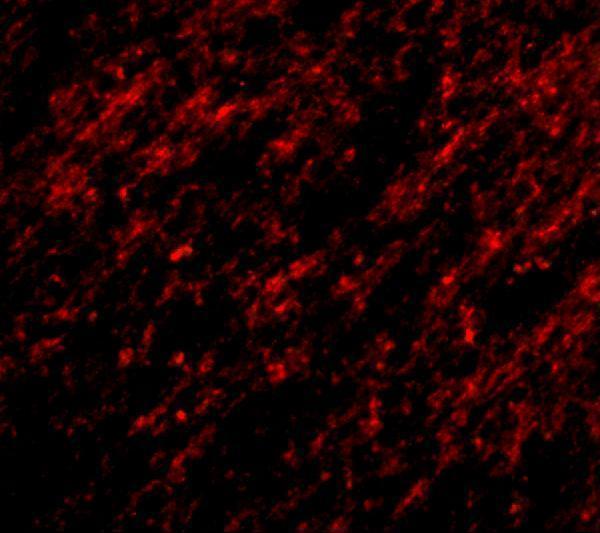
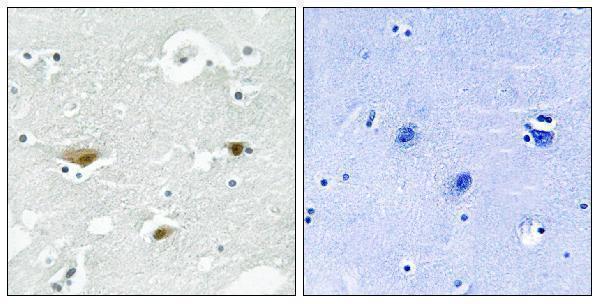
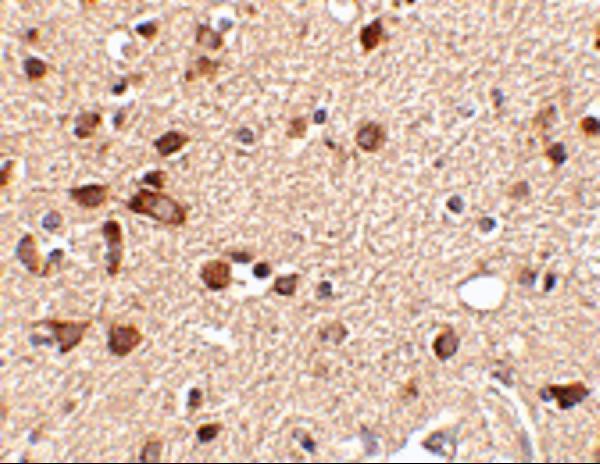
Open the STK39 Western Blot GuideDesigning an IHC experiment for STK39? The guide has the expected staining pattern, antigen retrieval and fixation, antibodies backed by real IHC images, the tissue controls to run alongside, and protocols taken from published papers.
Open the STK39 IHC Guide



Facts about STE20/SPS1-related proline-alanine-rich protein kinase.

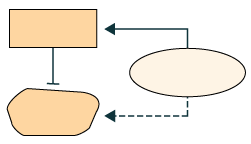
Phosphorylates RELT. .
| Human | |
|---|---|
| Gene Name: | STK39 |
| Uniprot: | Q9UEW8 |
| Entrez: | 27347 |

| Belongs to: |
|---|
| protein kinase superfamily |

DCHTsmall intestine SPAK-like kinase; DKFZp686K05124; EC 2.7.11; EC 2.7.11.1; PASK; proline-alanine-rich STE20-related kinase; serine threonine kinase 39; Serine/threonine-protein kinase 39; SPAKserine threonine kinase 39 (STE20/SPS1 homolog, yeast); STE20/SPS1 homolog; STE20/SPS1-related proline-alanine-rich protein kinase; Ste20-like protein kinase; Ste-20-related kinase
Mass (kDA):
59.474 kDA

| Human | |
|---|---|
| Location: | 2q24.3 |
| Sequence: | 2; NC_000002.12 (167954020..168247595, complement) |
Predominantly expressed in brain and pancreas followed by heart, lung, kidney, skeletal muscle, liver, placenta and testis.
Cytoplasm. Nucleus. Nucleus when caspase-cleaved.



PMID: 10980603 by Johnston A.M., et al. SPAK, a STE20/SPS1-related kinase that activates the p38 pathway.
PMID: 24722188 by Corominas R., et al. Protein interaction network of alternatively spliced isoforms from brain links genetic risk factors for autism.