This website uses cookies to ensure you get the best experience on our website.


- Table of Contents
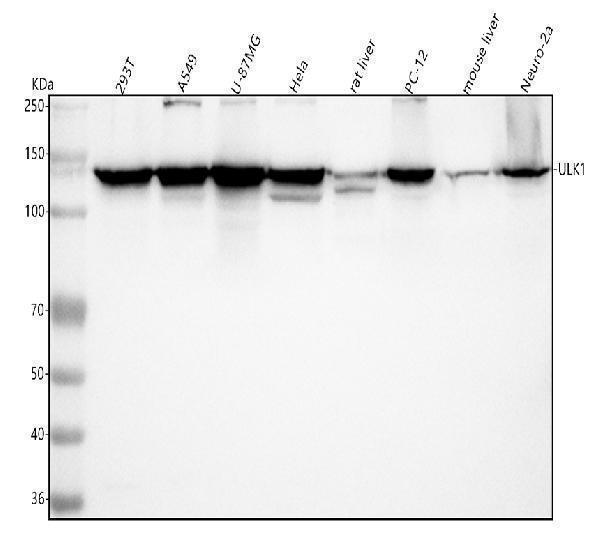
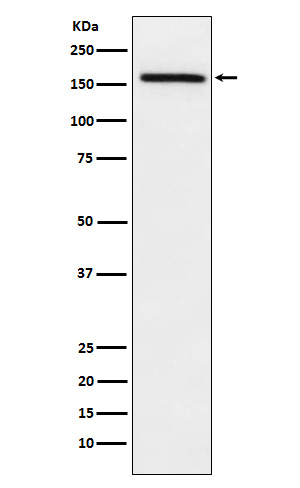
Designing a Western blot for ULK1? The guide has the expected band size, antibodies backed by real blot images, the controls to run alongside, and protocols taken from published papers.
Open the ULK1 Western Blot Guide
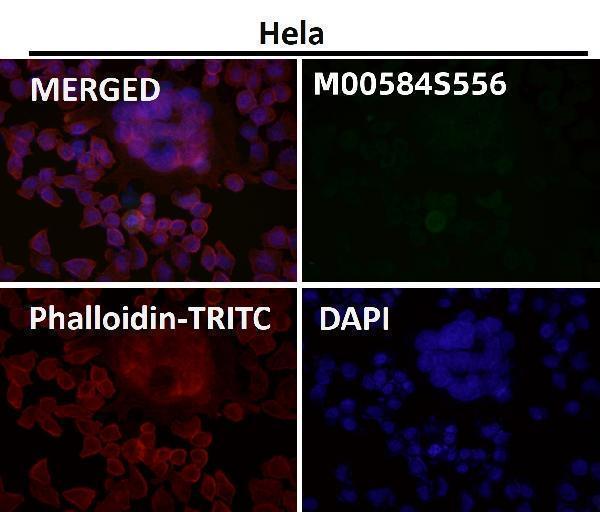
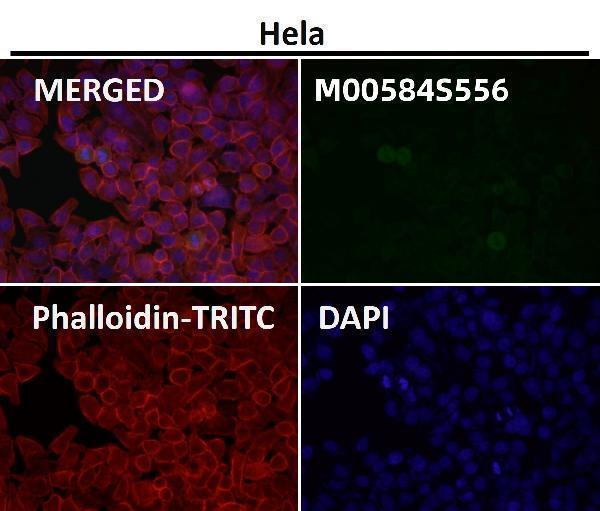
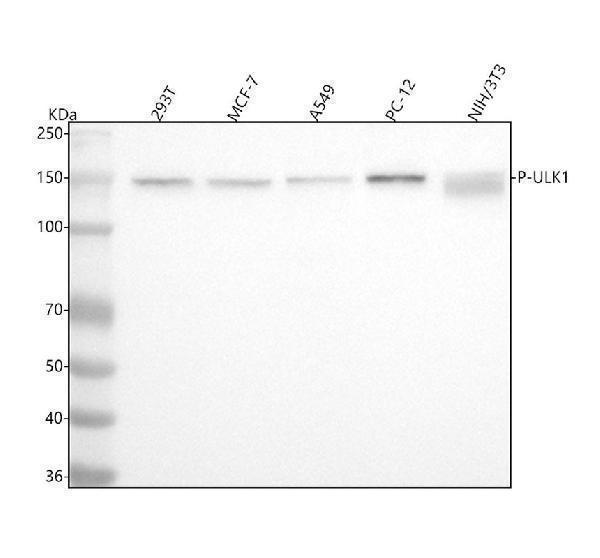
Facts about Serine/threonine-protein kinase ULK1.
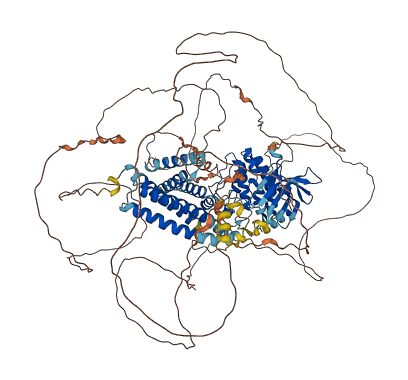
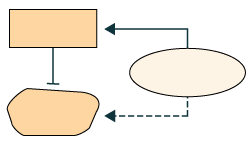
Section of regulatory feedback loops in autophagy: acts both as a downstream effector and negative regulator of mammalian target of rapamycin complex 1 (mTORC1) via interaction with RPTOR. Activated via phosphorylation by AMPK and also acts as a regulator of AMPK by mediating phosphorylation of AMPK subunits PRKAA1, PRKAB2 and PRKAG1, resulting in negatively regulate AMPK activity.
| Human | |
|---|---|
| Gene Name: | ULK1 |
| Uniprot: | O75385 |
| Entrez: | 8408 |
| Belongs to: |
|---|
| protein kinase superfamily |

ATG1 autophagy related 1 homolog; ATG1; ATG1A; EC 2.7.11; EC 2.7.11.1; FLJ38455; FLJ46475; KIAA0722; serine/threonine-protein kinase ULK1; unc-51 (C. elegans)-like kinase 1; UNC51; Unc51.1; unc-51-like kinase 1 (C. elegans); Unc-51-like kinase 1
Mass (kDA):
112.631 kDA

| Human | |
|---|---|
| Location: | 12q24.33 |
| Sequence: | 12; NC_000012.12 (131894622..131923150) |
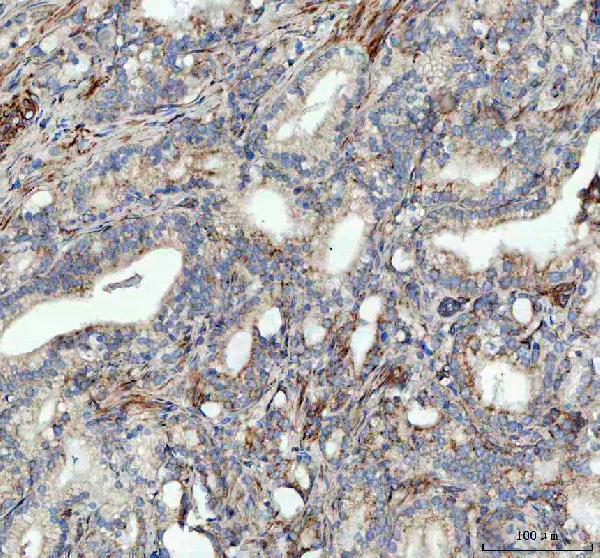
Ubiquitously expressed. Detected in the following adult tissues: skeletal muscle, heart, pancreas, brain, placenta, liver, kidney, and lung.
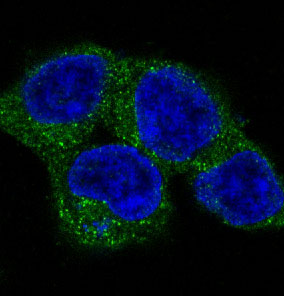
Cytoplasm, cytosol. Preautophagosomal structure. Under starvation conditions, is localized to puncate structures primarily representing the isolation membrane that sequesters a portion of the cytoplasm resulting in the formation of an autophagosome.



PMID: 9693035 by Kuroyanagi H., et al. Human ULK1, a novel serine/threonine kinase related to UNC-51 kinase of Caenorhabditis elegans: cDNA cloning, expression, and chromosomal assignment.
PMID: 11146101 by Okazaki N., et al. Interaction of the Unc-51-like kinase and microtubule-associated protein light chain 3 related proteins in the brain: possible role of vesicular transport in axonal elongation.