This website uses cookies to ensure you get the best experience on our website.


- Table of Contents
and ELISA kits, proteins related to Sjogren's Syndrome.
**Understanding Sjogren's Syndrome** Sjogren's Syndrome is a chronic autoimmune disorder primarily affecting the body's moisture-producing glands, leading to persistent dryness of the eyes and mouth. Beyond these hallmark symptoms, it can also impact other organs, including the kidneys, gastrointestinal system, blood vessels, lungs, liver, pancreas, and the nervous system. This condition predominantly occurs in women and often coexists with other autoimmune diseases such as rheumatoid arthritis or lupus. Current research is focused on identifying specific antibodies involved in Sjogren's Syndrome, aiming to better understand its underlying mechanisms and develop targeted therapies. By advancing our knowledge of these antibodies, scientists hope to improve diagnostic accuracy, enhance treatment options, and ultimately enhance the quality of life for those affected by Sjogren's Syndrome.
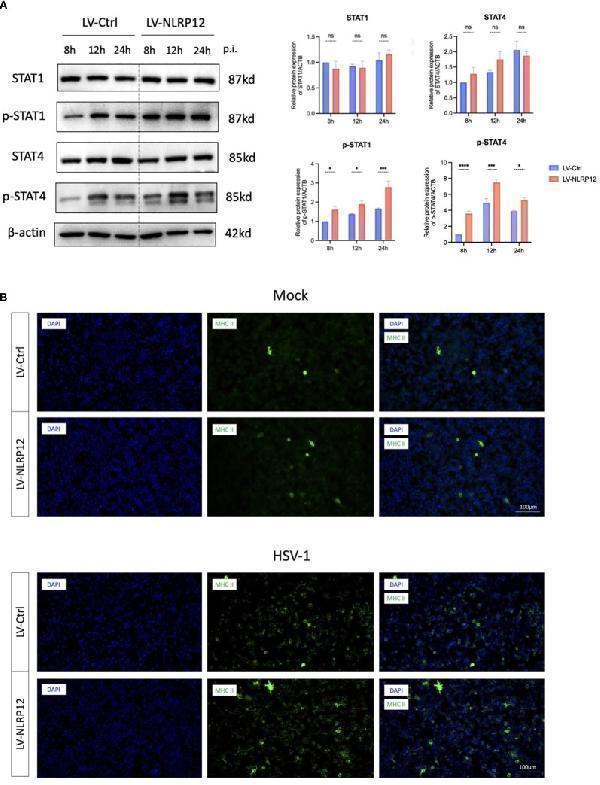
PA1692
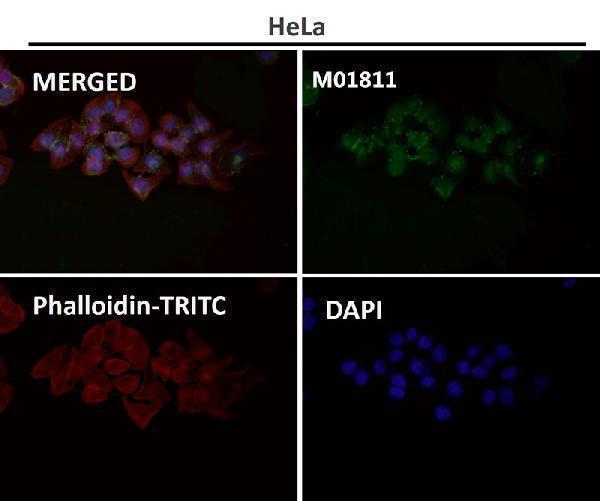
M01811
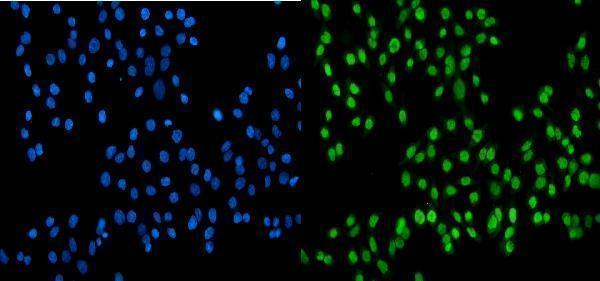
A00705-1
| Protein Name | Gene Name | Function |
|---|---|---|
| Anti-SSA/Ro | TRIM21 | Autoantibody targeting Ro60 protein, involved in apoptosis and immune regulation |
| Anti-SSB/La | SSB | Autoantibody targeting La protein, involved in RNA binding and processing |
| Rheumatoid Factor | IGHM | Autoantibody targeting Fc region of IgG, indicating B-cell activation |
| BAFF | TNFSF13B | Promotes B cell survival and differentiation |
| CXCL13 | CXCL13 | Chemokine involved in B cell trafficking to inflammatory sites |
| IL-21 | IL21 | Cytokine involved in B and T cell differentiation |
| Complement C3 | C3 | Part of the complement system, involved in immune complex clearance |
| Beta-2 Microglobulin | B2M | Component of MHC class I, marker of immune activation |
| EGF | EGF | Involved in glandular function and repair |
| Lysozyme | LYZ | Enzyme involved in antimicrobial defense |
| IL-6 | IL6 | Pro-inflammatory cytokine involved in immune response |
| TNF-alpha | TNF | Pro-inflammatory cytokine in autoimmune processes |
| APRIL | TNFSF13 | Promotes B cell survival |
| FAS | FAS | Cell surface death receptor involved in apoptosis |
| STAT4 | STAT4 | Transcription factor involved in cytokine signaling |
| CD19 | CD19 | B cell surface marker, involved in B cell activation |
| M3 Muscarinic Acetylcholine Receptor | CHRM3 | Target of autoantibodies affecting salivary gland function |
Sjogren's Syndrome is fundamentally characterized by immune system dysregulation, which plays a pivotal role in its pathogenesis. Researchers in this sub-area focus on understanding the abnormal immune responses that lead to the chronic inflammation and autoimmunity observed in patients. Central to this process are autoantibodies, such as anti-SSA/Ro and anti-SSB/La, which target the body's own tissues, particularly the exocrine glands responsible for tear and saliva production. Additionally, the role of T and B lymphocytes, cytokines, and other immune mediators is extensively studied to elucidate how they contribute to glandular dysfunction and systemic manifestations. Understanding these immune mechanisms not only sheds light on the underlying causes of Sjogren's Syndrome but also aids in identifying potential therapeutic targets. Advancements in this area may lead to the development of novel treatments that can modulate the immune system, thereby alleviating symptoms and preventing disease progression in affected individuals.
The interplay between genetic predisposition and environmental triggers is a critical focus within Sjogren's Syndrome research. Scientists investigate various genetic markers and polymorphisms that may increase susceptibility to the disease, aiming to identify hereditary patterns and potential genetic risk factors. Studies often explore the role of the HLA (human leukocyte antigen) region, among others, in conferring susceptibility. Concurrently, environmental factors such as viral infections, hormonal influences, and lifestyle choices are examined to understand how they may initiate or exacerbate the autoimmune response in genetically predisposed individuals. This sub-area also delves into gene-environment interactions, seeking to clarify how external factors can activate or modify genetic pathways involved in disease development. Insights gained from this research are essential for developing preventive strategies, personalized medicine approaches, and early intervention techniques that can mitigate the impact of both genetic and environmental contributors to Sjogren's Syndrome.