Product Info Summary
| SKU: | PB9715 |
|---|---|
| Size: | 100 μg/vial |
| Reactive Species: | Human, Mouse, Rat |
| Host: | Rabbit |
| Application: | Flow Cytometry, IF, IHC, ICC, WB |
Customers Who Bought This Also Bought
Product info
Product Name
Anti-Cytokeratin 19/KRT19 Antibody Picoband®
SKU/Catalog Number
PB9715
Size
100 μg/vial
Form
Lyophilized
Description
Boster Bio Anti-Cytokeratin 19/KRT19 Antibody Picoband® catalog # PB9715. Tested in Flow Cytometry, IF, IHC, ICC, WB applications. This antibody reacts with Human, Mouse, Rat. The brand Picoband indicates this is a premium antibody that guarantees superior quality, high affinity, and strong signals with minimal background in Western blot applications. Only our best-performing antibodies are designated as Picoband, ensuring unmatched performance.
Storage & Handling
Store at -20˚C for one year from date of receipt. After reconstitution, at 4˚C for one month. It can also be aliquotted and stored frozen at -20˚C for six months. Avoid repeated freeze-thaw cycles.
Cite This Product
Anti-Cytokeratin 19/KRT19 Antibody Picoband® (Boster Biological Technology, Pleasanton CA, USA, Catalog # PB9715)
Host
Rabbit
Contents
Each vial contains antibody formulated with stabilizing components, 0.9 mg NaCl, 0.2 mg Na2HPO4, and 0.05 mg NaN3.
*This antibody is supplied in a stabilized formulation.
Compatibility with conjugation reactions depends on the chemistry of the conjugation method used.
For conjugation methods that are not compatible with the stabilizing components present in this formulation, a carrier-free antibody format is required.
Clonality
Polyclonal
Isotype
Rabbit IgG
Immunogen
A synthetic peptide corresponding to a sequence at the C-terminus of human Cytokeratin 19, different from the related mouse and rat sequences by nine amino acids.
Cross-reactivity
No cross-reactivity with other proteins
Reactive Species
PB9715 is reactive to KRT19 in Human, Mouse, Rat
Observed Molecular Weight
44 kDa
Calculated molecular weight
44.1 kDa
Background of KRT19
Keratin, type I cytoskeletal 19 is a protein that in humans is encoded by the KRT19 gene. The protein encoded by this gene is a member of the keratin family. It is specifically expressed in the periderm, the transiently superficial layer that envelops the developing epidermis. The type I cytokeratins are clustered in a region of chromosome 17q12-q21. Due to its high sensitivity, KRT19 is the most used marker for the RT-PCR-mediated detection of tumor cells disseminated in lymph nodes, peripheral blood, and bone marrow of breast cancer patients. Keratin 19 is often used together with keratin 8 and keratin 18 to differentiate cells of epithelial origin from hematopoietic cells in tests that enumerate circulating tumor cells in blood.
Antibody Validation
Boster validates all antibodies on WB, IHC, ICC, Immunofluorescence, and ELISA with known positive control and negative samples to ensure specificity and high affinity, including thorough antibody incubations.
Application & Images
Applications
PB9715 is guaranteed for Flow Cytometry, IF, IHC, ICC, WB Boster Guarantee
Assay Dilutions Recommendation
The recommendations below provide a starting point for assay optimization. The actual working concentration varies and should be decided by the user.
Western blot, 0.1-0.5μg/ml, Human, Mouse, Rat
Immunohistochemistry (Paraffin-embedded Section), 0.5-1μg/ml, Human, Mouse, Rat
Immunocytochemistry/Immunofluorescence, 2μg/ml, Human
Immunofluorescence, 5μg/ml, Human
Flow Cytometry (Fixed), 1-3μg/1x106 cells, Human
Positive Control
WB: human placenta tissuehuman MCF-7 whole cell, human SW620 whole cell, human HepG2 whole cell, human PANC-1 whole cell, rat lung tissue, rat small intestine tissue, mouse lung tissue, mouse HEPA1-6 whole cell
IHC: human lung cancer tissues, human intestinal cancer tissues, mouse small intestine tissues, rat small intestine tissues, human lung cancer tissues, human bladder cancer tissue, human breast cancer tissue, human cervical cancer tissue, human ovarian cancer tissue, human pancreas cancer tissue, human stomach cancer tissue
ICC/IF: MCF-7 cell
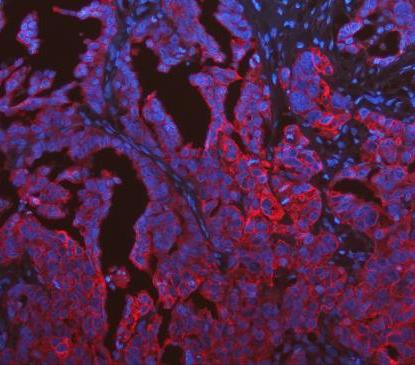
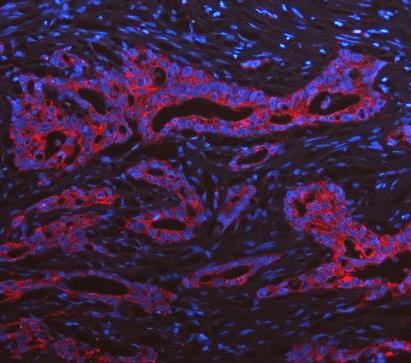
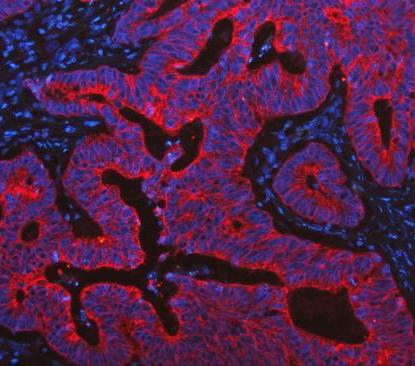
IF: human colon cancer tissue, human bladder cancer tissue, human breast cancer tissue, human cervical cancer tissue, human ovarian cancer tissue, human pancreas cancer tissue, human stomach cancer tissue
FCM: MCF-7 cell
Validation Images & Assay Conditions
Click image to see more details
Western blot analysis of Cytokeratin 19 using anti-Cytokeratin 19 antibody (PB9715).
Electrophoresis was performed on a 5-20% SDS-PAGE gel at 70V (Stacking gel) / 90V (Resolving gel) for 2-3 hours. The sample well of each lane was loaded with 30 ug of sample under reducing conditions.
Lane 1: human placenta tissue lysates.
Lane 2: human MCF-7 whole cell lysates,
Lane 3: human SW620 whole cell lysates,
Lane 4: human HepG2 whole cell lysates,
Lane 5: human PANC-1 whole cell lysates,
Lane 6: rat lung tissue lysates,
Lane 7: rat small intestine tissue lysates,
Lane 8: mouse lung tissue lysates,
Lane 9: mouse HEPA1-6 whole cell lysates.
After electrophoresis, proteins were transferred to a nitrocellulose membrane at 150 mA for 50-90 minutes. Blocked the membrane with 5% non-fat milk/TBS for 1.5 hour at RT. The membrane was incubated with rabbit anti-Cytokeratin 19 antigen affinity purified polyclonal antibody (Catalog # PB9715) at 0.5 μg/mL overnight at 4°C, then washed with TBS-0.1%Tween 3 times with 5 minutes each and probed with a goat anti-rabbit IgG-HRP secondary antibody at a dilution of 1:5000 for 1.5 hour at RT. The signal is developed using an Enhanced Chemiluminescent detection (ECL) kit (Catalog # EK1002) with Tanon 5200 system. A specific band was detected for Cytokeratin 19 at approximately 44 kDa. The expected band size for Cytokeratin 19 is at 44 kDa.
Click image to see more details
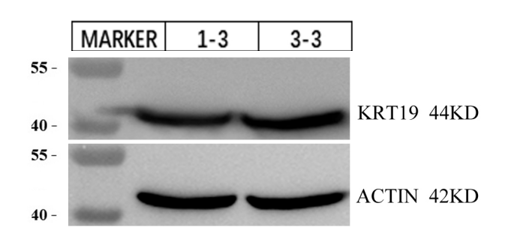
Western blot analysis of Cytokeratin 19 using anti-Cytokeratin 19 antibody (PB9715).
Electrophoresis was performed on a 5-20% SDS-PAGE gel at 70V (Stacking gel) / 90V (Resolving gel) for 2-3 hours. The sample well of each lane was loaded with 30 ug of sample under reducing conditions.
Lane 1-2: Human keratinocytes isolated from skin.
After electrophoresis, proteins were transferred to a nitrocellulose membrane at 150 mA for 50-90 minutes. Blocked the membrane with 5% non-fat milk/TBS for 1.5 hour at RT. The membrane was incubated with rabbit anti-Cytokeratin 19 antigen affinity purified polyclonal antibody (Catalog # PB9715) at 1:4000 overnight at 4°C, then washed with TBS-0.1%Tween 3 times with 5 minutes each and probed with a goat anti-rabbit IgG-HRP secondary antibody at a dilution of 1:10000 for 1 hour at RT. The signal is developed using an Enhanced Chemiluminescent detection (ECL) kit with ChemiDoc MP system. A specific band was detected for Cytokeratin 19 at approximately 44 kDa. The expected band size for Cytokeratin 19 is at 44 kDa.
Click image to see more details
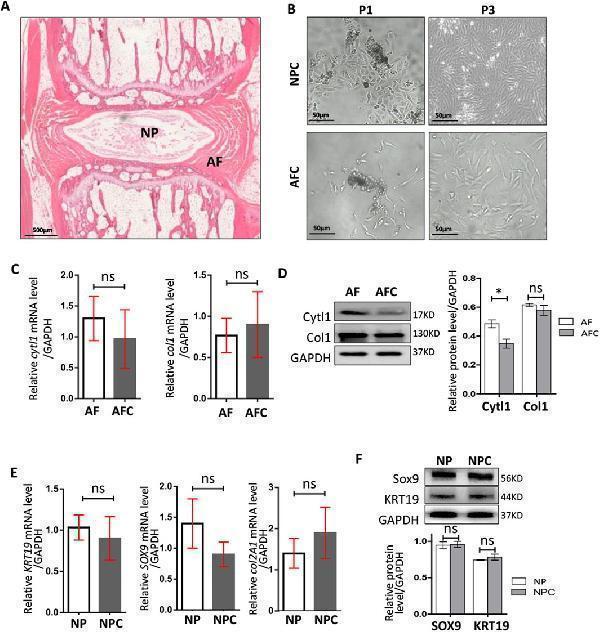
Isolation and identification of rat AFCs and NPCs. (A) Morphological map of rat tail IVD using hematoxylin–eosin staining, AF: annulus fibrosus, NP: nucleus pulposus. (B) Annulus fibrosus cells (AFCs) and nucleus pulposus cells (NPCs) cultured after tissue dissociation and collagenase digestion, P1: the first generation, P3: the third generation. (C) Expressions of cytl1 and col1 genes in AF tissue and AFCs were detected by RT-qPCR. (D) Western blotting was used to detect the differences in the expressions of Cytl1 and Col1 in AF tissues and AFCs. (E) Expression levels of Sox9 , krt19 , and col2a1 genes in the NP and NPCs were detected by RT-qPCR. (F) Western blotting was used to detect the differences in the expression levels of Sox9 and KRT19 in the NP and NPCs. Data are presented as the mean ± SD in (D, F) , * p < 0.05, ns: not significant by two-tailed Student’s t-test.
Index in PubMed under a CC BY license. PMID: 40213695
Click image to see more details
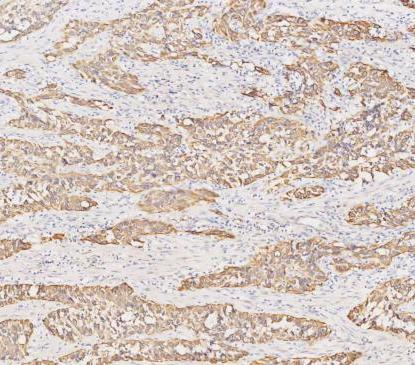
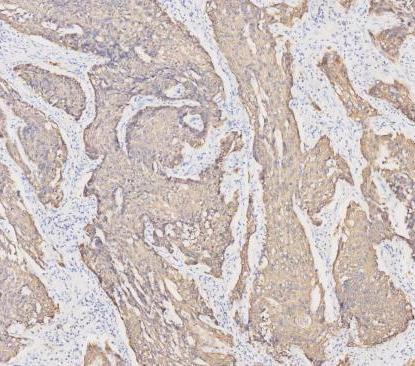
IHC analysis of Cytokeratin 19 using anti-Cytokeratin 19 antibody (PB9715).
Cytokeratin 19 was detected in paraffin-embedded section of human lung cancer tissues. Heat mediated antigen retrieval was performed in citrate buffer (pH6, epitope retrieval solution) for 20 mins. The tissue section was blocked with 10% goat serum. The tissue section was then incubated with 2μg/ml rabbit anti-Cytokeratin 19 Antibody (PB9715) overnight at 4°C. Biotinylated goat anti-rabbit IgG was used as secondary antibody and incubated for 30 minutes at 37°C. The tissue section was developed using Strepavidin-Biotin-Complex (SABC)(Catalog # SA1022) with DAB as the chromogen.
Click image to see more details
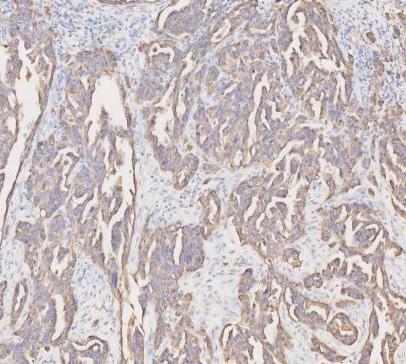
IHC analysis of Cytokeratin 19 using anti-Cytokeratin 19 antibody (PB9715).
Cytokeratin 19 was detected in paraffin-embedded section of human lung cancer tissues. Heat mediated antigen retrieval was performed in citrate buffer (pH6, epitope retrieval solution) for 20 mins. The tissue section was blocked with 10% goat serum. The tissue section was then incubated with 2μg/ml rabbit anti-Cytokeratin 19 Antibody (PB9715) overnight at 4°C. Biotinylated goat anti-rabbit IgG was used as secondary antibody and incubated for 30 minutes at 37°C. The tissue section was developed using Strepavidin-Biotin-Complex (SABC)(Catalog # SA1022) with DAB as the chromogen.
Click image to see more details
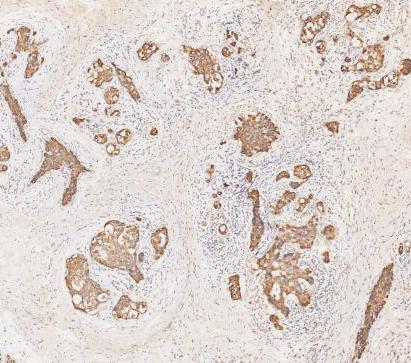
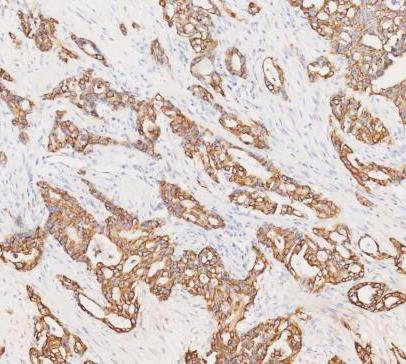
IHC analysis of Cytokeratin 19 using anti-Cytokeratin 19 antibody (PB9715).
Cytokeratin 19 was detected in paraffin-embedded section of human intestinal cancer tissues. Heat mediated antigen retrieval was performed in citrate buffer (pH6, epitope retrieval solution) for 20 mins. The tissue section was blocked with 10% goat serum. The tissue section was then incubated with 2μg/ml rabbit anti-Cytokeratin 19 Antibody (PB9715) overnight at 4°C. Biotinylated goat anti-rabbit IgG was used as secondary antibody and incubated for 30 minutes at 37°C. The tissue section was developed using Strepavidin-Biotin-Complex (SABC)(Catalog # SA1022) with DAB as the chromogen.
Click image to see more details
IHC analysis of Cytokeratin 19 using anti-Cytokeratin 19 antibody (PB9715).
Cytokeratin 19 was detected in paraffin-embedded section of mouse small intestine tissues. Heat mediated antigen retrieval was performed in citrate buffer (pH6, epitope retrieval solution) for 20 mins. The tissue section was blocked with 10% goat serum. The tissue section was then incubated with 2μg/ml rabbit anti-Cytokeratin 19 Antibody (PB9715) overnight at 4°C. Biotinylated goat anti-rabbit IgG was used as secondary antibody and incubated for 30 minutes at 37°C. The tissue section was developed using Strepavidin-Biotin-Complex (SABC)(Catalog # SA1022) with DAB as the chromogen
Click image to see more details
IHC analysis of Cytokeratin 19 using anti-Cytokeratin 19 antibody (PB9715).
Cytokeratin 19 was detected in paraffin-embedded section of rat small intestine tissues. Heat mediated antigen retrieval was performed in citrate buffer (pH6, epitope retrieval solution) for 20 mins. The tissue section was blocked with 10% goat serum. The tissue section was then incubated with 2μg/ml rabbit anti-Cytokeratin 19 Antibody (PB9715) overnight at 4°C. Biotinylated goat anti-rabbit IgG was used as secondary antibody and incubated for 30 minutes at 37°C. The tissue section was developed using Strepavidin-Biotin-Complex (SABC)(Catalog # SA1022) with DAB as the chromogen.
Click image to see more details
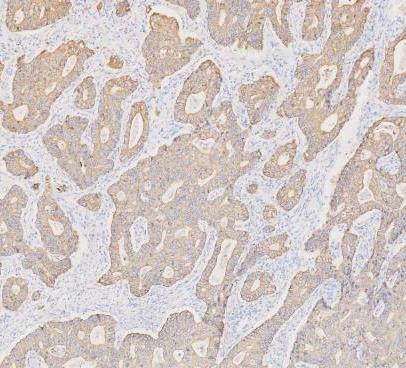
IHC analysis of Cytokeratin 19 using anti-Cytokeratin 19 antibody (PB9715).
Cytokeratin 19 was detected in paraffin-embedded section of human lung cancer tissues. Heat mediated antigen retrieval was performed in citrate buffer (pH6, epitope retrieval solution) for 20 mins. The tissue section was blocked with 10% goat serum. The tissue section was then incubated with 2μg/ml rabbit anti-Cytokeratin 19 Antibody (PB9715) overnight at 4°C. Biotinylated goat anti-rabbit IgG was used as secondary antibody and incubated for 30 minutes at 37°C. The tissue section was developed using Strepavidin-Biotin-Complex (SABC)(Catalog # SA1022) with DAB as the chromogen.
Click image to see more details
IHC analysis of Cytokeratin 19 using anti-Cytokeratin 19 antibody (PB9715).
Cytokeratin 19 was detected in a paraffin-embedded section of human bladder cancer tissue. Heat mediated antigen retrieval was performed in EDTA buffer (pH 8.0, epitope retrieval solution). The tissue section was blocked with 10% goat serum. The tissue section was then incubated with 1 μg/ml rabbit anti-Cytokeratin 19 Antibody (PB9715) overnight at 4°C. HRP-AffiniPure Goat Anti-Rabbit IgG was used as secondary antibody and incubated for 30 minutes at 37°C. The tissue section was developed using HRP Conjugated Rabbit IgG Super Vision Assay Kit (Catalog # SV0002) with DAB as the chromogen.
Click image to see more details
IHC analysis of Cytokeratin 19 using anti-Cytokeratin 19 antibody (PB9715).
Cytokeratin 19 was detected in a paraffin-embedded section of human breast cancer tissue. Heat mediated antigen retrieval was performed in EDTA buffer (pH 8.0, epitope retrieval solution). The tissue section was blocked with 10% goat serum. The tissue section was then incubated with 1 μg/ml rabbit anti-Cytokeratin 19 Antibody (PB9715) overnight at 4°C. HRP-AffiniPure Goat Anti-Rabbit IgG was used as secondary antibody and incubated for 30 minutes at 37°C. The tissue section was developed using HRP Conjugated Rabbit IgG Super Vision Assay Kit (Catalog # SV0002) with DAB as the chromogen.
Click image to see more details
IHC analysis of Cytokeratin 19 using anti-Cytokeratin 19 antibody (PB9715).
Cytokeratin 19 was detected in a paraffin-embedded section of human cervical cancer tissue. Heat mediated antigen retrieval was performed in EDTA buffer (pH 8.0, epitope retrieval solution). The tissue section was blocked with 10% goat serum. The tissue section was then incubated with 1 μg/ml rabbit anti-Cytokeratin 19 Antibody (PB9715) overnight at 4°C. HRP-AffiniPure Goat Anti-Rabbit IgG was used as secondary antibody and incubated for 30 minutes at 37°C. The tissue section was developed using HRP Conjugated Rabbit IgG Super Vision Assay Kit (Catalog # SV0002) with DAB as the chromogen.
Click image to see more details
IHC analysis of Cytokeratin 19 using anti-Cytokeratin 19 antibody (PB9715).
Cytokeratin 19 was detected in a paraffin-embedded section of human ovarian cancer tissue. Heat mediated antigen retrieval was performed in EDTA buffer (pH 8.0, epitope retrieval solution). The tissue section was blocked with 10% goat serum. The tissue section was then incubated with 1 μg/ml rabbit anti-Cytokeratin 19 Antibody (PB9715) overnight at 4°C. HRP-AffiniPure Goat Anti-Rabbit IgG was used as secondary antibody and incubated for 30 minutes at 37°C. The tissue section was developed using HRP Conjugated Rabbit IgG Super Vision Assay Kit (Catalog # SV0002) with DAB as the chromogen.
Click image to see more details
IHC analysis of Cytokeratin 19 using anti-Cytokeratin 19 antibody (PB9715).
Cytokeratin 19 was detected in a paraffin-embedded section of human pancreas cancer tissue. Heat mediated antigen retrieval was performed in EDTA buffer (pH 8.0, epitope retrieval solution). The tissue section was blocked with 10% goat serum. The tissue section was then incubated with 1 μg/ml rabbit anti-Cytokeratin 19 Antibody (PB9715) overnight at 4°C. HRP-AffiniPure Goat Anti-Rabbit IgG was used as secondary antibody and incubated for 30 minutes at 37°C. The tissue section was developed using HRP Conjugated Rabbit IgG Super Vision Assay Kit (Catalog # SV0002) with DAB as the chromogen.
Click image to see more details
IHC analysis of Cytokeratin 19 using anti-Cytokeratin 19 antibody (PB9715).
Cytokeratin 19 was detected in a paraffin-embedded section of human stomach cancer tissue. Heat mediated antigen retrieval was performed in EDTA buffer (pH 8.0, epitope retrieval solution). The tissue section was blocked with 10% goat serum. The tissue section was then incubated with 1 μg/ml rabbit anti-Cytokeratin 19 Antibody (PB9715) overnight at 4°C. HRP-AffiniPure Goat Anti-Rabbit IgG was used as secondary antibody and incubated for 30 minutes at 37°C. The tissue section was developed using HRP Conjugated Rabbit IgG Super Vision Assay Kit (Catalog # SV0002) with DAB as the chromogen.
Click image to see more details
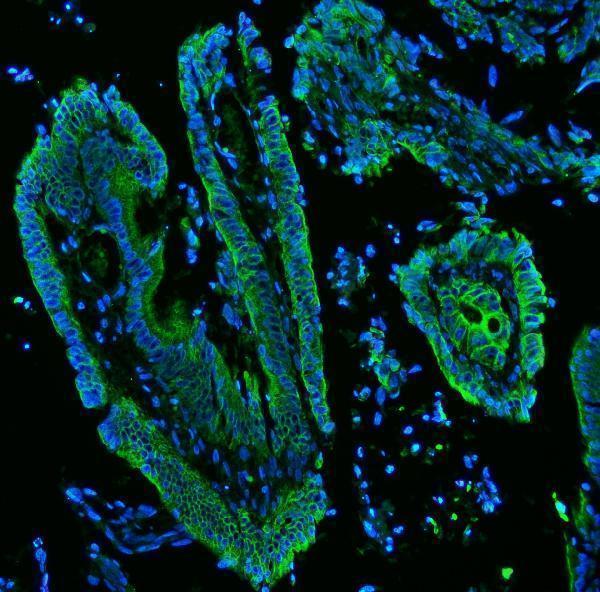
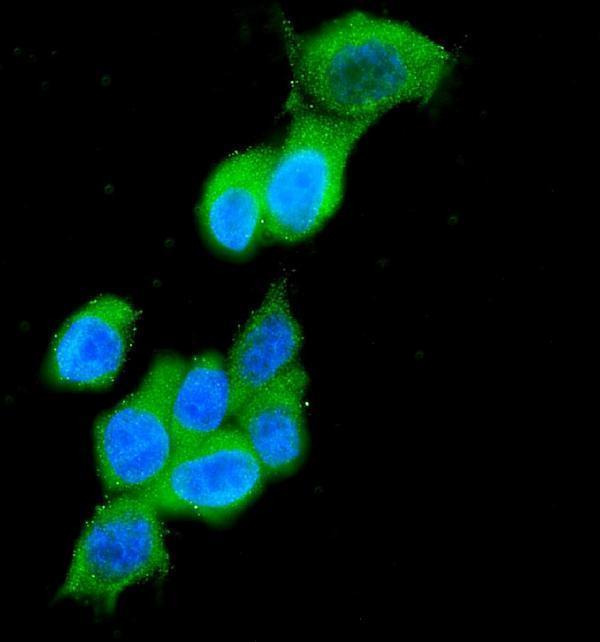
IF analysis of Cytokeratin 19 using anti-Cytokeratin 19 antibody (PB9715).
Cytokeratin 19 was detected in immunocytochemical section of MCF-7 cells. Enzyme antigen retrieval was performed using IHC enzyme antigen retrieval reagent (AR0022) for 15 mins. The cells were blocked with 10% goat serum. And then incubated with 2μg/mL rabbit anti-Cytokeratin 19 Antibody (PB9715) overnight at 4°C. DyLight®488 Conjugated Goat Anti-Rabbit IgG (BA1127) was used as secondary antibody at 1:100 dilution and incubated for 30 minutes at 37°C. The section was counterstained with DAPI. Visualize using a fluorescence microscope and filter sets appropriate for the label used.
Click image to see more details
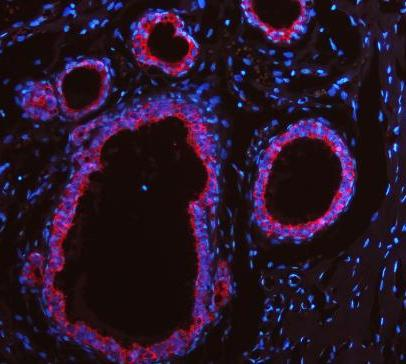
IF analysis of Cytokeratin 19 using anti-Cytokeratin 19 antibody (PB9715).
Cytokeratin 19 was detected in a paraffin-embedded section of human colon cancer tissue. Heat mediated antigen retrieval was performed in EDTA buffer (pH 8.0, epitope retrieval solution). The tissue section was blocked with 10% goat serum. The tissue section was then incubated with 5 μg/mL rabbit anti-Cytokeratin 19 Antibody (PB9715) overnight at 4°C. Biotin conjugated goat anti-rabbit IgG (BA1003) was used as secondary antibody and incubated for 30 minutes at 37°C. The tissue section was developed using DyLight®488 Conjugated Avidin (BA1128). The section was counterstained with DAPI. Visualize using a fluorescence microscope and filter sets appropriate for the label used.
Click image to see more details
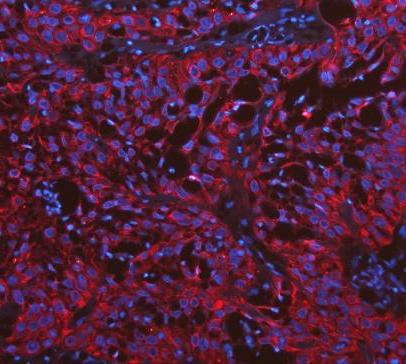
IF analysis of Cytokeratin 19 using anti-Cytokeratin 19 antibody (PB9715).
Cytokeratin 19 was detected in a paraffin-embedded section of human bladder cancer tissue. Heat mediated antigen retrieval was performed in EDTA buffer (pH 8.0, epitope retrieval solution). The tissue section was blocked with 10% goat serum. The tissue section was then incubated with 25 μg/mL rabbit anti-Cytokeratin 19 Antibody (PB9715) overnight at 4°C. DyLight®594 Conjugated Goat Anti-Rabbit IgG (BA1142) was used as secondary antibody at 1:100 dilution and incubated for 30 minutes at 37°C. The section was counterstained with DAPI. Visualize using a fluorescence microscope and filter sets appropriate for the label used.
Click image to see more details
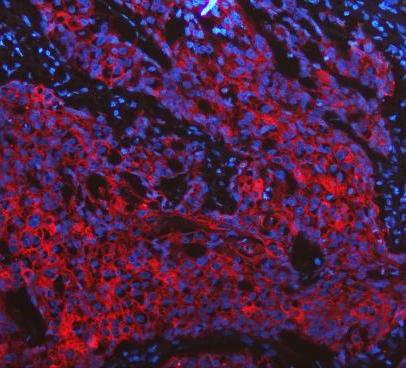
IF analysis of Cytokeratin 19 using anti-Cytokeratin 19 antibody (PB9715).
Cytokeratin 19 was detected in a paraffin-embedded section of human breast cancer tissue. Heat mediated antigen retrieval was performed in EDTA buffer (pH 8.0, epitope retrieval solution). The tissue section was blocked with 10% goat serum. The tissue section was then incubated with 25 μg/mL rabbit anti-Cytokeratin 19 Antibody (PB9715) overnight at 4°C. DyLight®594 Conjugated Goat Anti-Rabbit IgG (BA1142) was used as secondary antibody at 1:100 dilution and incubated for 30 minutes at 37°C. The section was counterstained with DAPI. Visualize using a fluorescence microscope and filter sets appropriate for the label used.
Click image to see more details
IF analysis of Cytokeratin 19 using anti-Cytokeratin 19 antibody (PB9715).
Cytokeratin 19 was detected in a paraffin-embedded section of human cervical cancer tissue. Heat mediated antigen retrieval was performed in EDTA buffer (pH 8.0, epitope retrieval solution). The tissue section was blocked with 10% goat serum. The tissue section was then incubated with 25 μg/mL rabbit anti-Cytokeratin 19 Antibody (PB9715) overnight at 4°C. DyLight®594 Conjugated Goat Anti-Rabbit IgG (BA1142) was used as secondary antibody at 1:100 dilution and incubated for 30 minutes at 37°C. The section was counterstained with DAPI. Visualize using a fluorescence microscope and filter sets appropriate for the label used.
Click image to see more details
IF analysis of Cytokeratin 19 using anti-Cytokeratin 19 antibody (PB9715).
Cytokeratin 19 was detected in a paraffin-embedded section of human ovarian cancer tissue. Heat mediated antigen retrieval was performed in EDTA buffer (pH 8.0, epitope retrieval solution). The tissue section was blocked with 10% goat serum. The tissue section was then incubated with 25 μg/mL rabbit anti-Cytokeratin 19 Antibody (PB9715) overnight at 4°C. DyLight®594 Conjugated Goat Anti-Rabbit IgG (BA1142) was used as secondary antibody at 1:100 dilution and incubated for 30 minutes at 37°C. The section was counterstained with DAPI. Visualize using a fluorescence microscope and filter sets appropriate for the label used.
Click image to see more details
IF analysis of Cytokeratin 19 using anti-Cytokeratin 19 antibody (PB9715).
Cytokeratin 19 was detected in a paraffin-embedded section of human pancreas cancer tissue. Heat mediated antigen retrieval was performed in EDTA buffer (pH 8.0, epitope retrieval solution). The tissue section was blocked with 10% goat serum. The tissue section was then incubated with 25 μg/mL rabbit anti-Cytokeratin 19 Antibody (PB9715) overnight at 4°C. DyLight®594 Conjugated Goat Anti-Rabbit IgG (BA1142) was used as secondary antibody at 1:100 dilution and incubated for 30 minutes at 37°C. The section was counterstained with DAPI. Visualize using a fluorescence microscope and filter sets appropriate for the label used.
Click image to see more details
IF analysis of Cytokeratin 19 using anti-Cytokeratin 19 antibody (PB9715).
Cytokeratin 19 was detected in a paraffin-embedded section of human stomach cancer tissue. Heat mediated antigen retrieval was performed in EDTA buffer (pH 8.0, epitope retrieval solution). The tissue section was blocked with 10% goat serum. The tissue section was then incubated with 25 μg/mL rabbit anti-Cytokeratin 19 Antibody (PB9715) overnight at 4°C. DyLight®594 Conjugated Goat Anti-Rabbit IgG (BA1142) was used as secondary antibody at 1:100 dilution and incubated for 30 minutes at 37°C. The section was counterstained with DAPI. Visualize using a fluorescence microscope and filter sets appropriate for the label used.
Click image to see more details
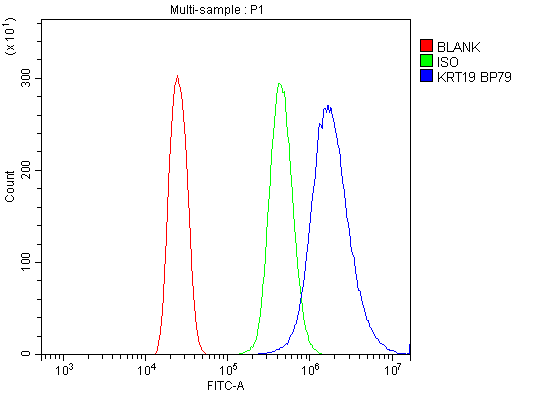
Flow Cytometry analysis of MCF-7 cells using anti-Cytokeratin 19 antibody (PB9715).
Overlay histogram showing MCF-7 cells stained with PB9715 (Blue line). To facilitate intracellular staining, cells were fixed with 4% paraformaldehyde and permeabilized with permeabilization buffer. The cells were blocked with 10% normal goat serum. And then incubated with rabbit anti-Cytokeratin 19 Antibody (PB9715,1μg/1x106 cells) for 30 min at 20°C. DyLight®488 conjugated goat anti-rabbit IgG (BA1127, 5-10μg/1x106 cells) was used as secondary antibody for 30 minutes at 20°C. Isotype control antibody (Green line) was rabbit IgG (1μg/1x106) used under the same conditions. Unlabelled sample without incubation with primary antibody and secondary antibody (Red line) was used as a blank control.
Specific Publications For Anti-Cytokeratin 19/KRT19 Antibody Picoband® (PB9715)
Loading publications
Recommended Resources
Here are featured tools and databases that you might find useful.
- Boster's Pathways Library
- Protein Databases
- Bioscience Research Protocol Resources
- Data Processing & Analysis Software
- Photo Editing Software
- Scientific Literature Resources
- Research Paper Management Tools
- Molecular Biology Software
- Primer Design Tools
- Bioinformatics Tools
- Phylogenetic Tree Analysis
Customer Reviews
Have you used Anti-Cytokeratin 19/KRT19 Antibody Picoband®?
Share your experimental results or join a short interview to earn up to $1,000 in product credits or other rewards.
0 Reviews For Anti-Cytokeratin 19/KRT19 Antibody Picoband®
Customer Q&As
Have a question?
Find answers in Q&As, reviews.
Can't find your answer?
Submit your question
15 Customer Q&As for Anti-Cytokeratin 19/KRT19 Antibody Picoband®
Question
Is this PB9715 anti-Cytokeratin 19/KRT19 antibody reactive to the isotypes of KRT19?
Verified Customer
Verified customer
Asked: 2020-03-12
Answer
The immunogen of PB9715 anti-Cytokeratin 19/KRT19 antibody is A synthetic peptide corresponding to a sequence at the C-terminus of human Cytokeratin 19 (334-372aa QLAHIQALISGIEAQLGDVRADSERQNQEYQRLMDIKSR), different from the related mouse and rat sequences by nine amino acids. Could you tell me which isotype you are interested in so I can help see if the immunogen is part of this isotype?
Boster Scientific Support
Answered: 2020-03-12
Question
My question regarding product PB9715, anti-Cytokeratin 19/KRT19 antibody. I was wondering if it would be possible to conjugate this antibody with biotin. I would need it to be without BSA or sodium azide. I am planning on using a buffer exchange of sodium azide with PBS only. Would there be problems for me to conjugate the antibody and store it in -20 degrees in small aliquots?
Verified Customer
Verified customer
Asked: 2020-03-02
Answer
It is not recommended storing this antibody with PBS buffer only in -20 degrees. If you want to store it in -20 degrees it is best to add some cryoprotectant like glycerol. If you want carrier free PB9715 anti-Cytokeratin 19/KRT19 antibody, we can provide it to you in a special formula with trehalose and/or glycerol. These molecules will not interfere with conjugation chemistry and provide a good level of protection for the antibody from degradation. Please be sure to specify this in your purchase order.
Boster Scientific Support
Answered: 2020-03-02
Question
I see that the anti-Cytokeratin 19/KRT19 antibody PB9715 works with IHC, what is the protocol used to produce the result images on the product page?
Verified Customer
Verified customer
Asked: 2020-01-01
Answer
You can find protocols for IHC on the "support/technical resources" section of our navigation menu. If you have any further questions, please send an email to support@bosterbio.com
Boster Scientific Support
Answered: 2020-01-01
Question
Will PB9715 anti-Cytokeratin 19/KRT19 antibody work on parafin embedded sections? If so, which fixation method do you recommend we use (PFA, paraformaldehyde, other)?
Verified Customer
Verified customer
Asked: 2019-05-22
Answer
It shows on the product datasheet, PB9715 anti-Cytokeratin 19/KRT19 antibody as been tested on IHC. It is best to use PFA for fixation because it has better tissue penetration ability. PFA needs to be prepared fresh before use. Long term stored PFA turns into formalin, as the PFA molecules congregate and become formalin.
Boster Scientific Support
Answered: 2019-05-22
Question
I was wanting to use your anti-Cytokeratin 19/KRT19 antibody for IHC for human lymph node on frozen tissues, but I want to know if it has been validated for this particular application. Has this antibody been validated and is this antibody a good choice for human lymph node identification?
Verified Customer
Verified customer
Asked: 2019-05-14
Answer
You can see on the product datasheet, PB9715 anti-Cytokeratin 19/KRT19 antibody has been validated for IHC, WB on human, mouse, rat tissues. We have an innovator award program that if you test this antibody and show it works in human lymph node in IHC-frozen, you can get your next antibody for free.
Boster Scientific Support
Answered: 2019-05-14
Question
I have attached the WB image, lot number and protocol we used for lymph node using anti-Cytokeratin 19/KRT19 antibody PB9715. Please let me know if you require anything else.
Verified Customer
Verified customer
Asked: 2019-03-22
Answer
Thank you very much for the data. Our lab team are working to resolve this as quickly as possible, and we appreciate your patience and understanding! You have provided everything we needed. Please let me know if there is anything you need in the meantime.
Boster Scientific Support
Answered: 2019-03-22
Question
I would like to test anti-Cytokeratin 19/KRT19 antibody PB9715 on human lymph node for research purposes, then I may be interested in using anti-Cytokeratin 19/KRT19 antibody PB9715 for diagnostic purposes as well. Is the antibody suitable for diagnostic purposes?
Verified Customer
Verified customer
Asked: 2019-03-18
Answer
The products we sell, including anti-Cytokeratin 19/KRT19 antibody PB9715, are only intended for research use. They would not be suitable for use in diagnostic work. If you have the means to develop a product into diagnostic use, and are interested in collaborating with us and develop our product into an IVD product, please contact us for more discussions.
Boster Scientific Support
Answered: 2019-03-18
Question
We are currently using anti-Cytokeratin 19/KRT19 antibody PB9715 for rat tissue, and we are satisfied with the IHC results. The species of reactivity given in the datasheet says human, mouse, rat. Is it likely that the antibody can work on dog tissues as well?
Verified Customer
Verified customer
Asked: 2019-02-01
Answer
The anti-Cytokeratin 19/KRT19 antibody (PB9715) has not been validated for cross reactivity specifically with dog tissues, though there is a good chance of cross reactivity. We have an innovator award program that if you test this antibody and show it works in dog you can get your next antibody for free. Please contact me if I can help you with anything.
Boster Scientific Support
Answered: 2019-02-01
Question
I would like using your anti-Cytokeratin 19/KRT19 antibody for keratinization studies. Has this antibody been tested with western blotting on sw620 whole cell lysates? We would like to see some validation images before ordering.
Verified Customer
Verified customer
Asked: 2018-10-10
Answer
Thank you for your inquiry. This PB9715 anti-Cytokeratin 19/KRT19 antibody is tested on human placenta tissue, lung tissue, intestine tissue, mouse lung tissue, small intestine tissue, rat lung tissue, sw620 whole cell lysates, hepg2 whole cell lysates. It is guaranteed to work for IHC, WB in human, mouse, rat. Our Boster guarantee will cover your intended experiment even if the sample type has not been be directly tested.
Boster Scientific Support
Answered: 2018-10-10
Question
We have tried in the past anti-Cytokeratin 19/KRT19 antibody for IHC on keratinocyte in a previous experiment. I am using mouse, and I plan to use the antibody for WB next. I am looking for examining keratinocyte as well as lymph node in our next experiment. Could you please give me some suggestion on which antibody would work the best for WB?
Verified Customer
Verified customer
Asked: 2018-08-27
Answer
I looked at the website and datasheets of our anti-Cytokeratin 19/KRT19 antibody and it seems that PB9715 has been validated on mouse in both IHC and WB. Thus PB9715 should work for your application. Our Boster satisfaction guarantee will cover this product for WB in mouse even if the specific tissue type has not been validated. We do have a comprehensive range of products for WB detection and you can check out our website bosterbio.com to find out more information about them.
Boster Scientific Support
Answered: 2018-08-27
Question
Will anti-Cytokeratin 19/KRT19 antibody PB9715 work for IHC with lymph node?
B. Dhar
Verified customer
Asked: 2018-05-18
Answer
According to the expression profile of lymph node, KRT19 is highly expressed in lymph node. So, it is likely that anti-Cytokeratin 19/KRT19 antibody PB9715 will work for IHC with lymph node.
Boster Scientific Support
Answered: 2018-05-18
Question
Do you have a BSA free version of anti-Cytokeratin 19/KRT19 antibody PB9715 available?
Verified Customer
Verified customer
Asked: 2017-09-19
Answer
We appreciate your recent telephone inquiry. I can confirm that some lots of this anti-Cytokeratin 19/KRT19 antibody PB9715 are BSA free. For now, these lots are available and we can make a BSA free formula for you free of charge. It will take 3 extra days to prepare. If you require this antibody BSA free again in future, please do not hesitate to contact me and I will be pleased to check which lots we have in stock that are BSA free.
Boster Scientific Support
Answered: 2017-09-19
Question
We appreciate helping with my inquiry over the phone. Here are the WB image, lot number and protocol we used for lymph node using anti-Cytokeratin 19/KRT19 antibody PB9715. Let me know if you need anything else.
A. Li
Verified customer
Asked: 2017-05-30
Answer
We appreciate the data. You have provided everything we needed. Our lab team are working to resolve your inquiry as quickly as possible, and we appreciate your patience and understanding! Please let me know if there is anything you need in the meantime.
Boster Scientific Support
Answered: 2017-05-30
Question
We have seen staining in mouse keratinocyte. Are there any suggestions? Is anti-Cytokeratin 19/KRT19 antibody supposed to stain keratinocyte positively?
E. Jackson
Verified customer
Asked: 2017-05-08
Answer
According to literature keratinocyte does express KRT19. According to Uniprot.org, KRT19 is expressed in lower esophagus mucosa, placenta, mammary gland, pancreas placenta, peripheral blood leukocyte, keratinocyte, lymph node, cervix carcinoma erythroleukemia, colon carcinoma, among other tissues. Regarding which tissues have KRT19 expression, here are a few articles citing expression in various tissues:
Cervix carcinoma, and Erythroleukemia, Pubmed ID: 23186163
Colon carcinoma, Pubmed ID: 24129315
Keratinocyte, Pubmed ID: 1286667
Lymph node, Pubmed ID: 10212274
Mammary gland, Pancreas, and Placenta, Pubmed ID: 15489334
Peripheral blood leukocyte, Pubmed ID: 11682035
Placenta, Pubmed ID: 2447559, 2469734, 14702039
Boster Scientific Support
Answered: 2017-05-08
Question
Is a blocking peptide available for product anti-Cytokeratin 19/KRT19 antibody (PB9715)?
G. Roberts
Verified customer
Asked: 2016-03-10
Answer
We do provide the blocking peptide for product anti-Cytokeratin 19/KRT19 antibody (PB9715). If you would like to place an order for it please contact support@bosterbio.com and make a special request.
Boster Scientific Support
Answered: 2016-03-10