This website uses cookies to ensure you get the best experience on our website.


- Table of Contents
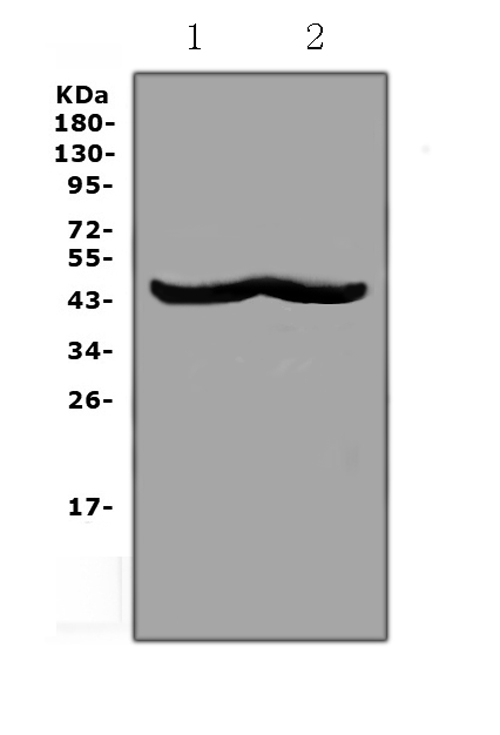
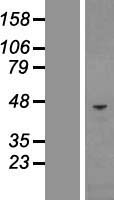
Designing a Western blot for CHI3L1? The guide has the expected band size, antibodies backed by real blot images, the controls to run alongside, and protocols taken from published papers.
Open the CHI3L1 Western Blot Guide
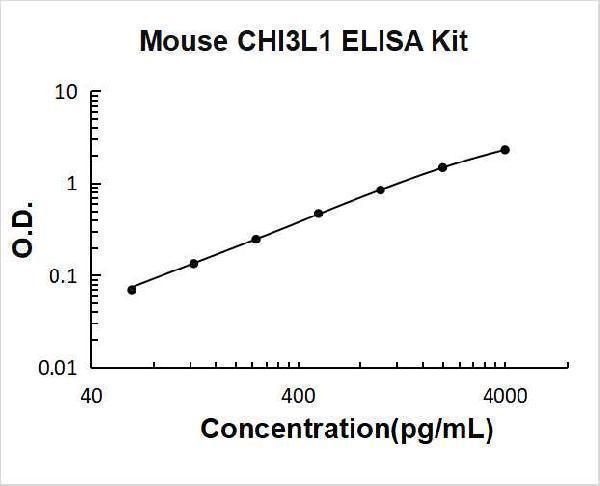

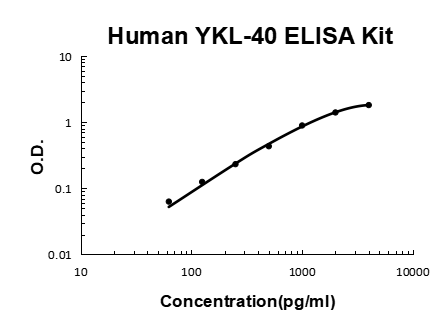


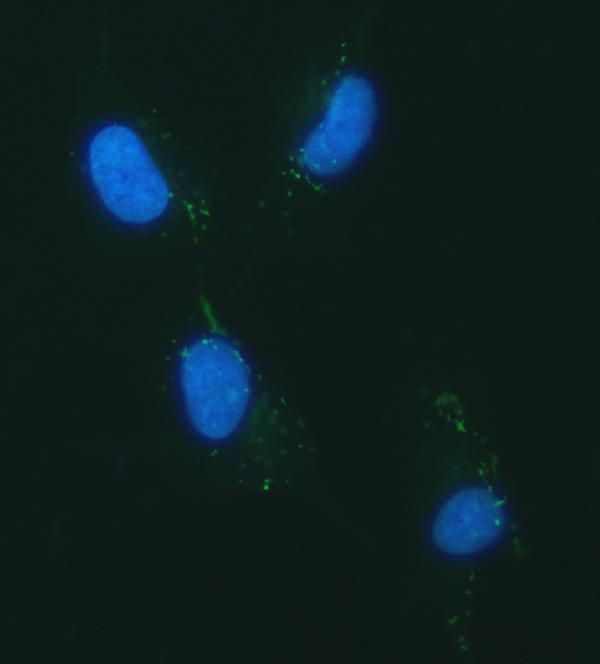
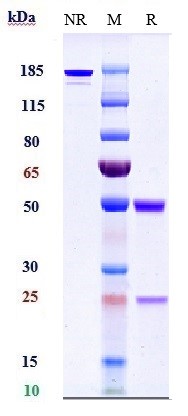
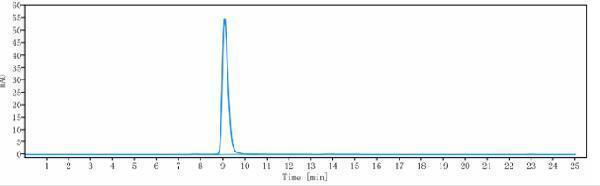

Facts about Chitinase-3-like protein 1.
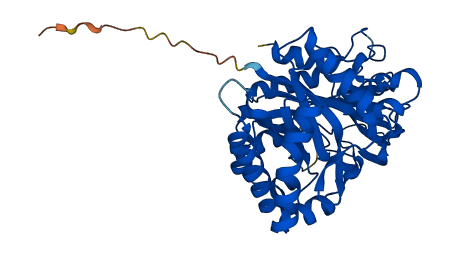
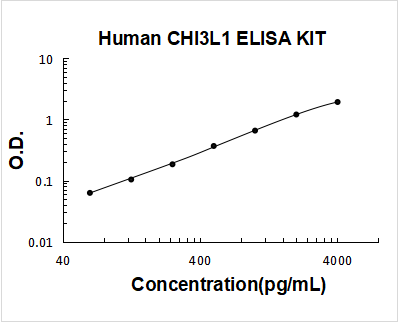
May play a role in tissue remodeling and in the capacity of cells to react to and cope with changes in their surroundings. Plays a role in T-helper cell type 2 (Th2) inflammatory response and IL-13-induced inflammation, regulating allergen sensitization, inflammatory cell apoptosis, dendritic cell accumulation and M2 macrophage differentiation.
| Human | |
|---|---|
| Gene Name: | CHI3L1 |
| Uniprot: | P36222 |
| Entrez: | 1116 |
| Belongs to: |
|---|
| glycosyl hydrolase 18 family |

AW208766; Brp39; CHI3L1; Chitinase 3 like 1; Chitinase 3-like 1; gp39; HCgp39; YKL-40
Mass (kDA):
42.625 kDA

| Human | |
|---|---|
| Location: | 1q32.1 |
| Sequence: | 1; NC_000001.11 (203178931..203186704, complement) |
Present in activated macrophages, articular chondrocytes, synovial cells as well as in liver. Very low or undetectable expression in non-inflammatory colon. Undetectable in muscle tissues, lung, pancreas, mononuclear cells, or fibroblasts.
Secreted, extracellular space. Cytoplasm. Cytoplasm, perinuclear region. Endoplasmic reticulum.



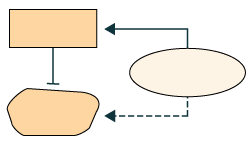

PMID: 8245017 by Hakala B.E., et al. Human cartilage gp-39, a major secretory product of articular chondrocytes and synovial cells, is a mammalian member of a chitinase protein family.
PMID: 9244440 by Rehli M., et al. Molecular characterization of the gene for human cartilage gp-39 (CHI3L1), a member of the chitinase protein family and marker for late stages of macrophage differentiation.
*More publications can be found for each product on its corresponding product page