This website uses cookies to ensure you get the best experience on our website.


- Table of Contents
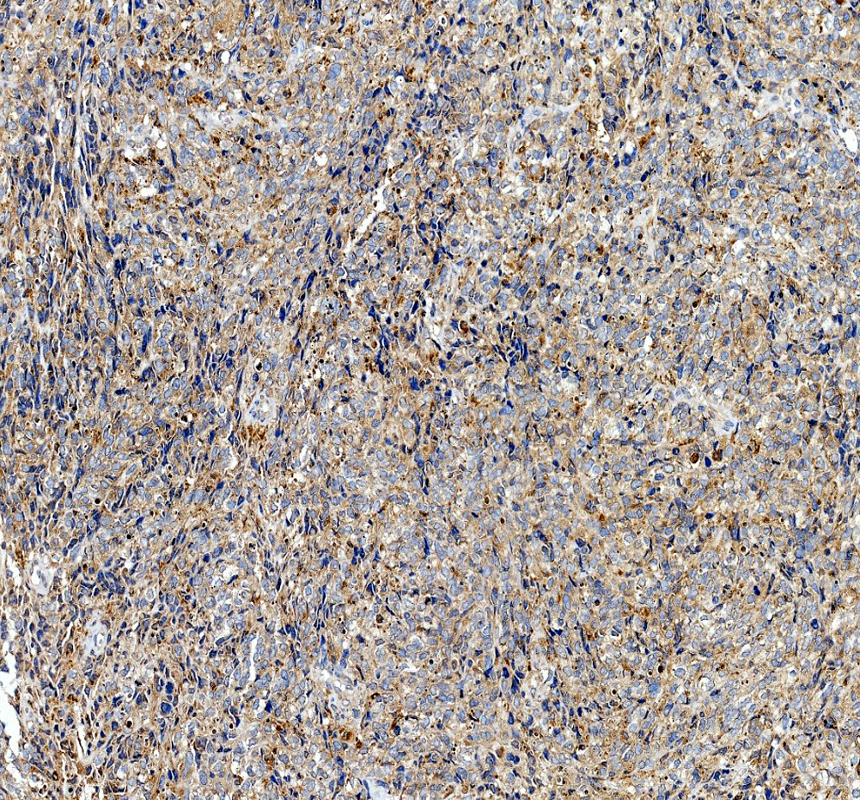
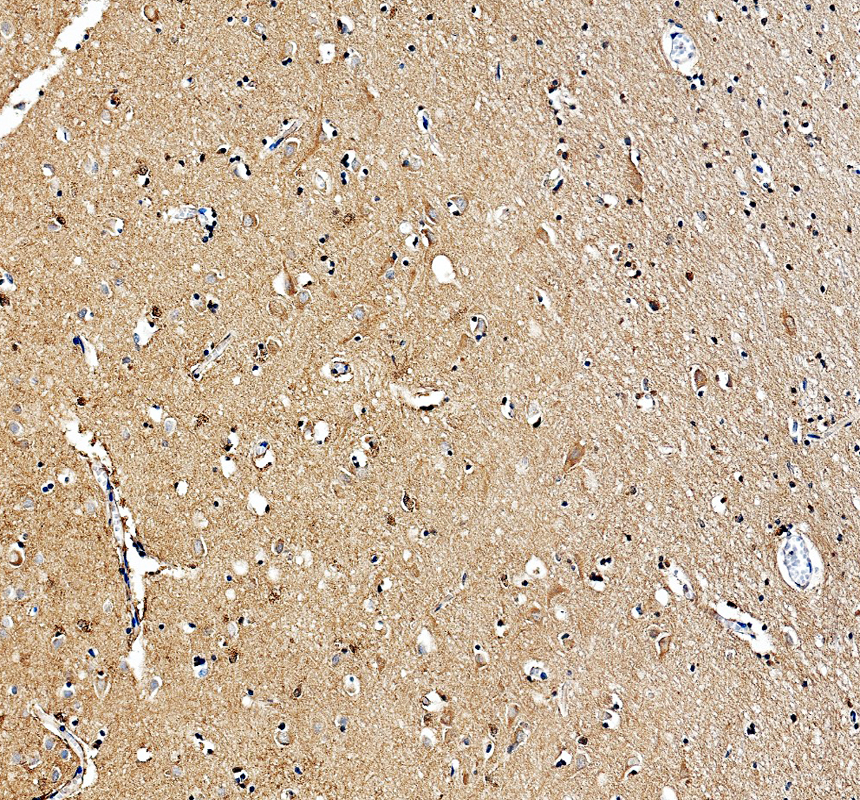
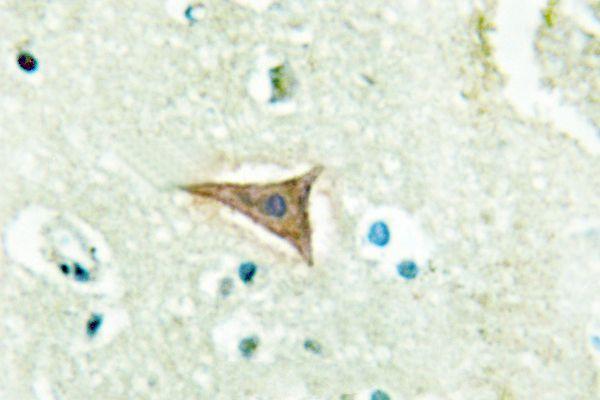
Designing an IHC experiment for Ephrin-A5? The guide has the expected staining pattern, antigen retrieval and fixation, antibodies backed by real IHC images, the tissue controls to run alongside, and protocols taken from published papers.
Open the EFNA5 IHC Guide

Facts about Ephrin-A5.

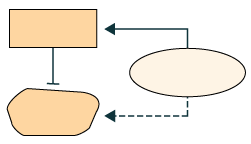
The signaling pathway downstream of the receptor is referred to as forward signaling while the signaling pathway downstream of the ephrin ligand is referred to as reverse signaling. Induces compartmentalized signaling inside a caveolae-like membrane microdomain when bound to the extracellular domain of its cognate receptor.
| Human | |
|---|---|
| Gene Name: | EFNA5 |
| Uniprot: | P52803 |
| Entrez: | 1946 |

| Belongs to: |
|---|
| ephrin family |

AF1; AL-1; EFL-5; EFNA5; EPH-related receptor tyrosine kinase ligand 7; EphrinA5; Ephrin-A5; EPLG7; GLC1M; LERK-7; LERK7EFL5; RAGS
Mass (kDA):
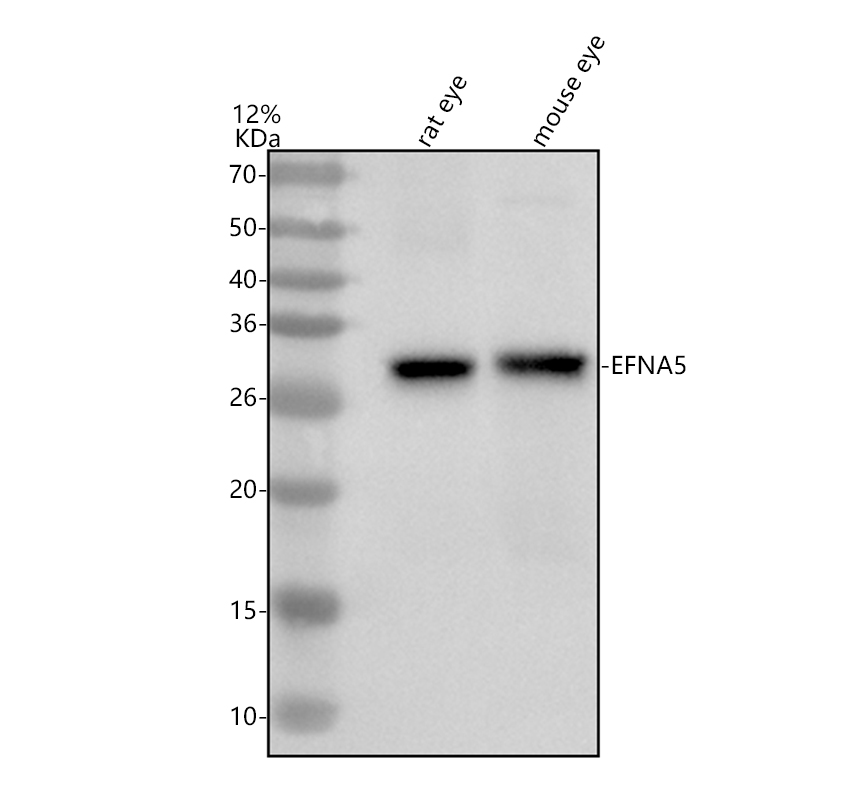
26.297 kDA

| Human | |
|---|---|
| Location: | 5q21.3 |
| Sequence: | 5; NC_000005.10 (107376889..107670937, complement) |
Cell membrane; Lipid-anchor, GPI-anchor. Membrane, caveola; Lipid-anchor, GPI-anchor. Compartmentalized in discrete caveolae-like membrane microdomains.



PMID: 7748564 by Winslow J.W., et al. Cloning of AL-1, a ligand for an Eph-related tyrosine kinase receptor involved in axon bundle formation.
PMID: 9245480 by Kozlosky C.J., et al. LERK-7: a ligand of the Eph-related kinases is developmentally regulated in the brain.