This website uses cookies to ensure you get the best experience on our website.


- Table of Contents
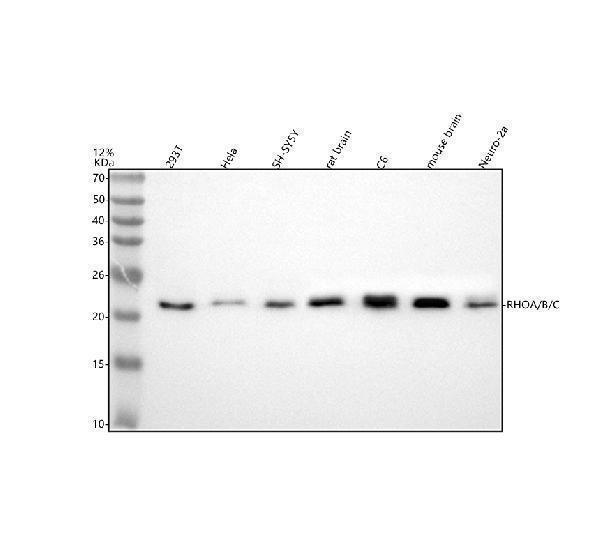
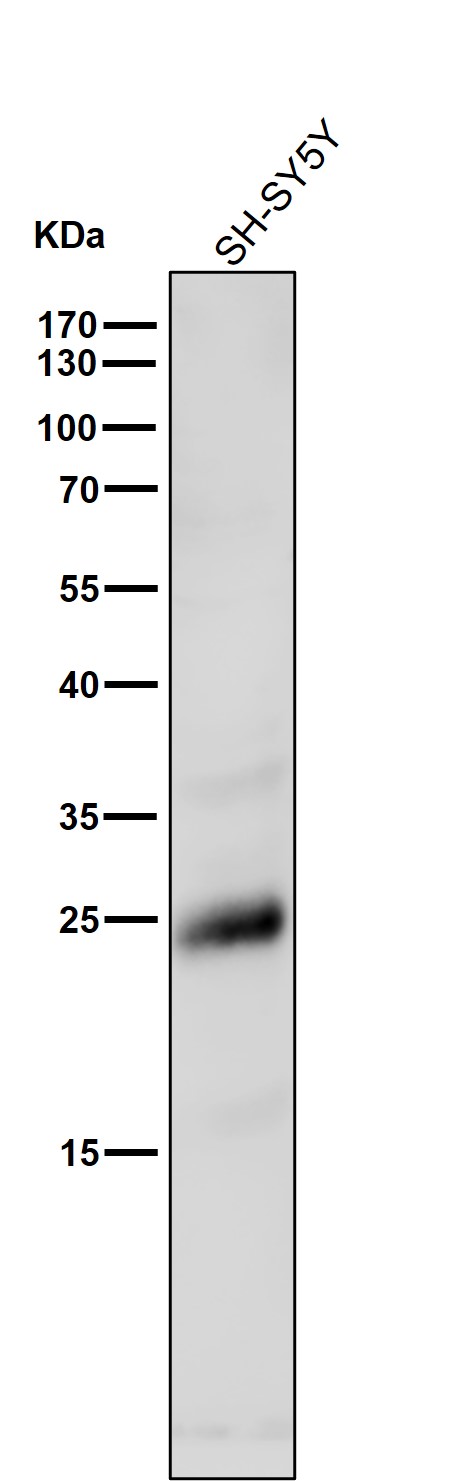
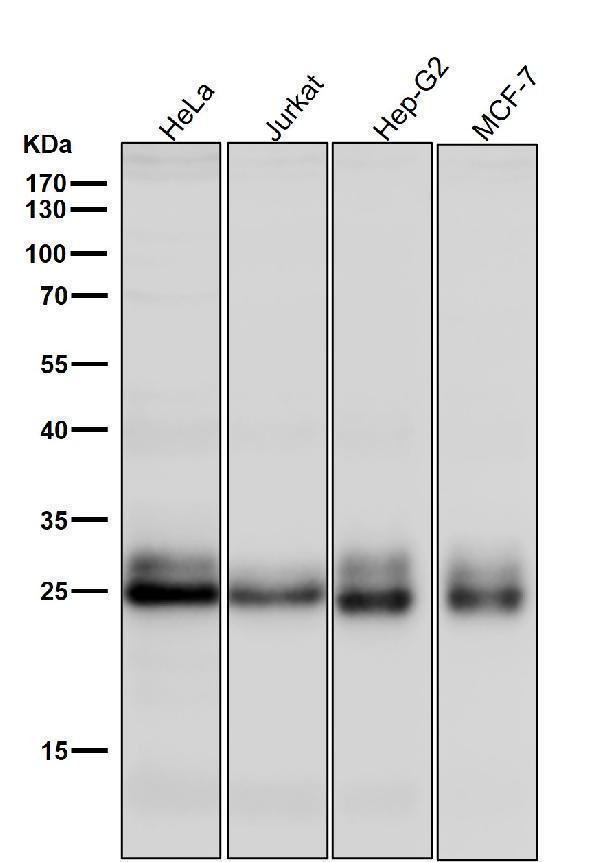
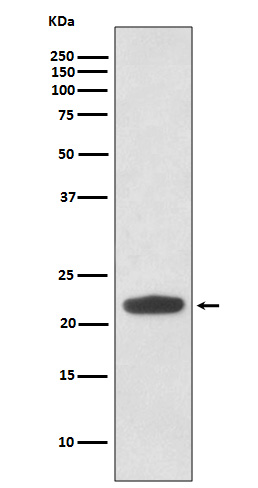
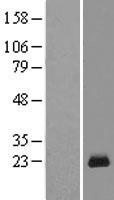
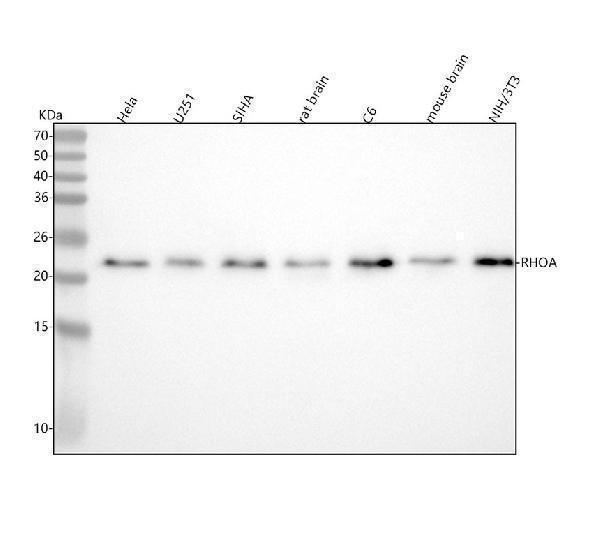
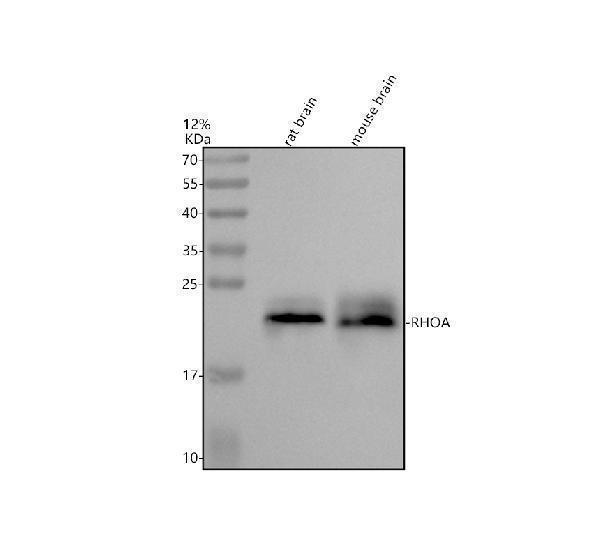
Designing a Western blot for Transforming protein RhoA? The guide has the expected band size, antibodies backed by real blot images, the controls to run alongside, and protocols taken from published papers.
Open the RHOA Western Blot Guide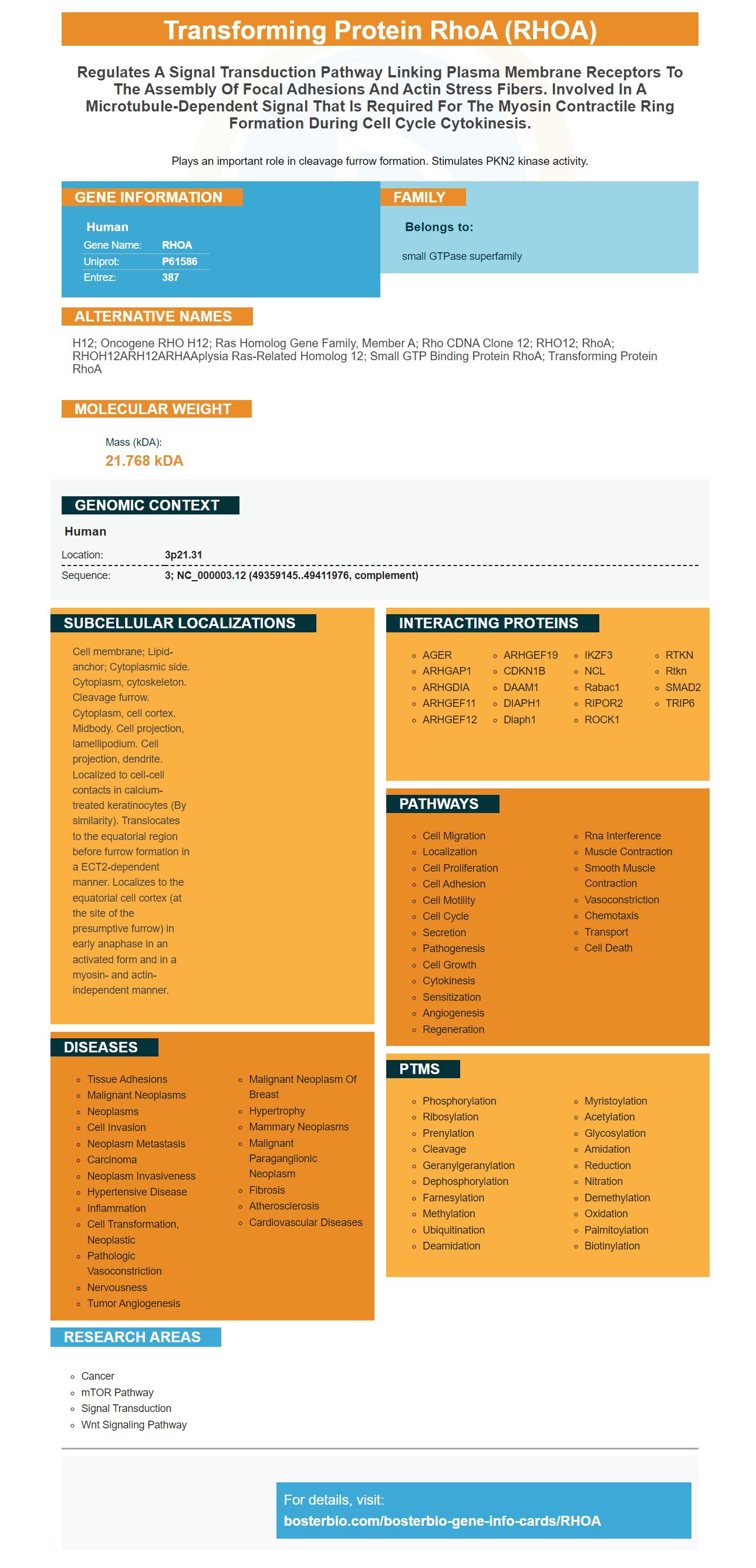
9 Citations
1 Citations
2 Citations
2 Citations
2 Citations
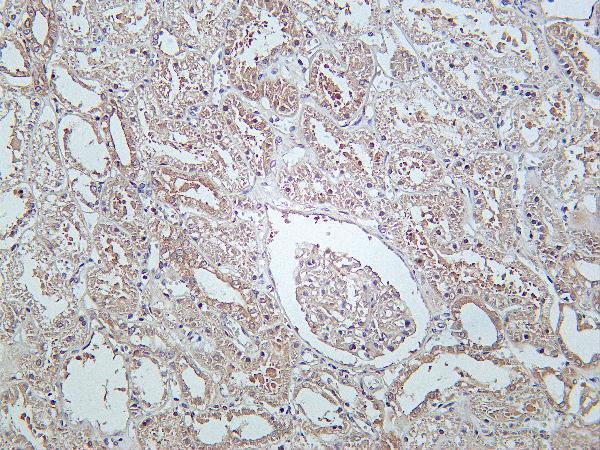
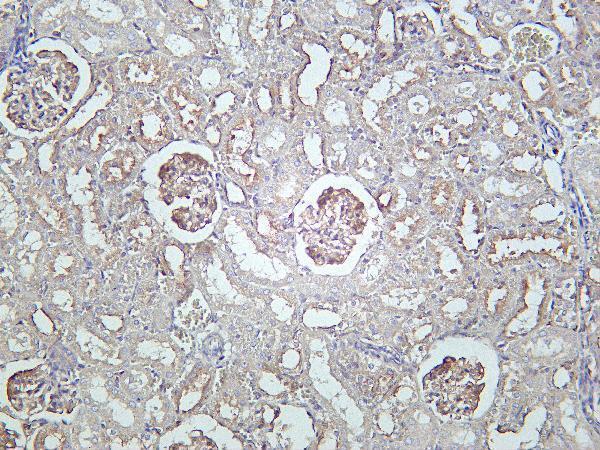
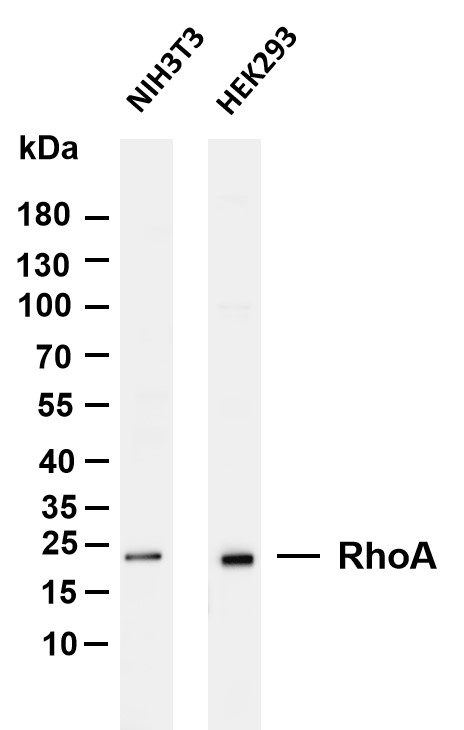


Facts about Transforming protein RhoA.
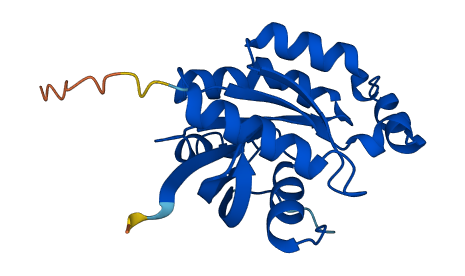
Plays an important role in cleavage furrow formation. Stimulates PKN2 kinase activity.
| Human | |
|---|---|
| Gene Name: | RHOA |
| Uniprot: | P61586 |
| Entrez: | 387 |
| Belongs to: |
|---|
| small GTPase superfamily |

h12; oncogene RHO H12; ras homolog gene family, member A; Rho cDNA clone 12; RHO12; RhoA; RHOH12ARH12ARHAAplysia ras-related homolog 12; small GTP binding protein RhoA; transforming protein RhoA
Mass (kDA):
21.768 kDA

| Human | |
|---|---|
| Location: | 3p21.31 |
| Sequence: | 3; NC_000003.12 (49359145..49411976, complement) |
Cell membrane; Lipid-anchor; Cytoplasmic side. Cytoplasm, cytoskeleton. Cleavage furrow. Cytoplasm, cell cortex. Midbody. Cell projection, lamellipodium. Cell projection, dendrite. Localized to cell-cell contacts in calcium-treated keratinocytes (By similarity). Translocates to the equatorial region before furrow formation in a ECT2-dependent manner. Localizes to the equatorial cell cortex (at the site of the presumptive furrow) in early anaphase in an activated form and in a myosin- and actin-independent manner.



PMID: 3822842 by Yeramian P., et al. Nucleotide sequence of human rho cDNA clone 12.
PMID: 7835413 by Fagan K.P., et al. Sequence of rho small GTP-binding protein cDNAs from human retina and identification of novel 5' end cloning artifacts.