This website uses cookies to ensure you get the best experience on our website.


- Table of Contents
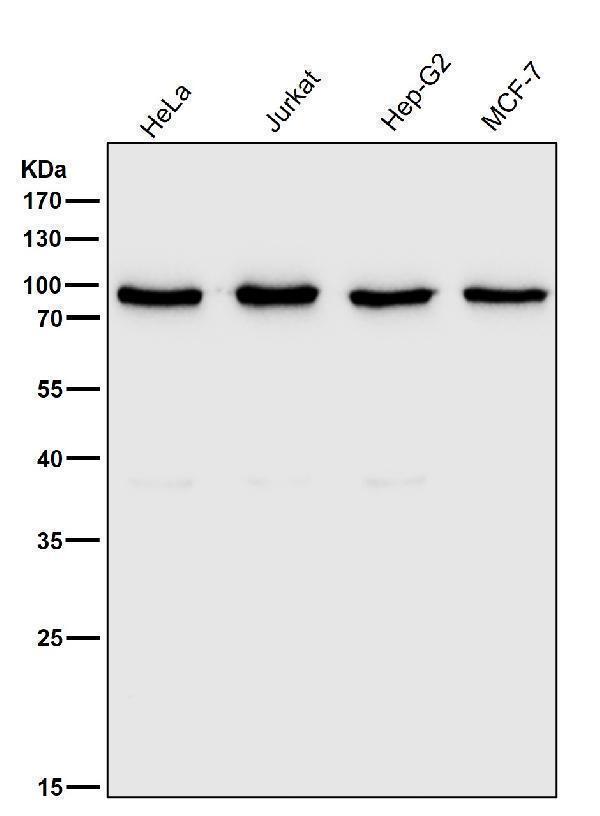
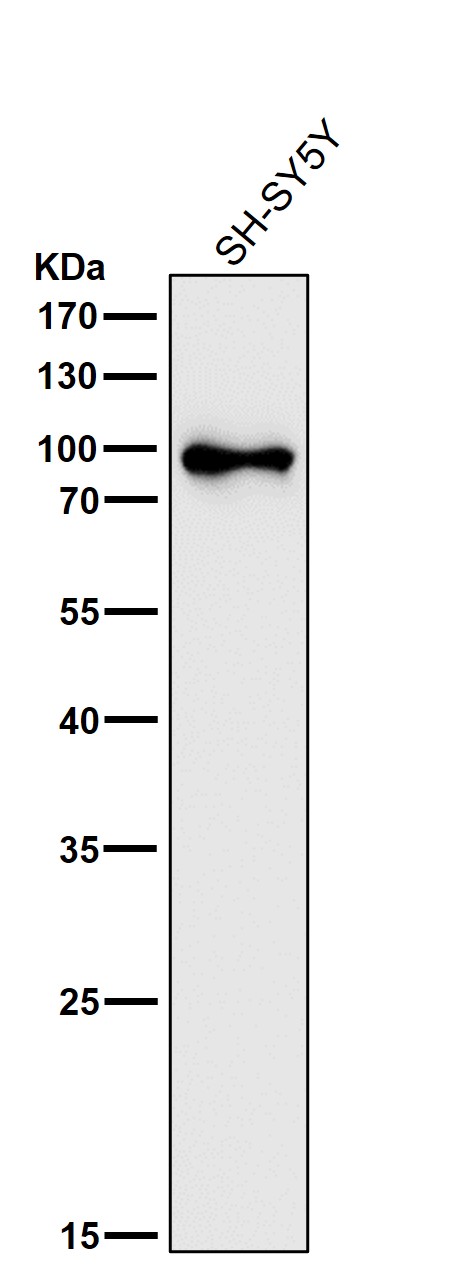
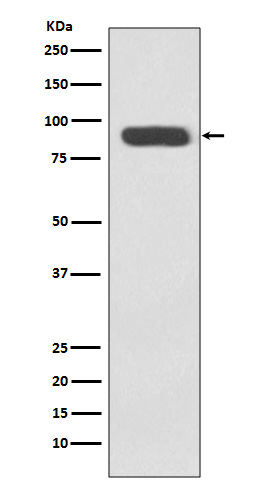
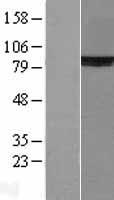
Designing a Western blot for XRCC5? The guide has the expected band size, antibodies backed by real blot images, the controls to run alongside, and protocols taken from published papers.
Open the XRCC5 Western Blot GuideDesigning an IHC experiment for XRCC5? The guide has the expected staining pattern, antigen retrieval and fixation, antibodies backed by real IHC images, the tissue controls to run alongside, and protocols taken from published papers.
Open the XRCC5 IHC Guide
1 Citations


Facts about X-ray repair cross-complementing protein 5.
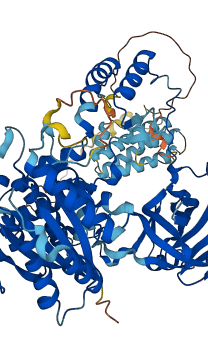
Single-stranded DNA-dependent ATP-dependent helicase.
The DNA helicase II complex binds preferentially to fork-like ends of double-stranded DNA in a cell cycle-dependent manner.It works in the 3'-5' direction. Binding to DNA may be mediated by XRCC6.
| Human | |
|---|---|
| Gene Name: | XRCC5 |
| Uniprot: | P13010 |
| Entrez: | 7520 |

| Belongs to: |
|---|
| ku80 family |

80kDa; ATP-dependent DNA helicase 2 subunit 2; ATP-dependent DNA helicase II 80 kDa subunit; CTC85; CTCBF; EC 3.6.4.-; FLJ39089; G22P2; KARP1; KARP-1; Ku80; Ku86 autoantigen related protein 1,86 kDa subunit of Ku antigen; Ku86; Ku86DNA repair protein XRCC5; KUB2; NFIV; Thyroid-lupus autoantigen; TLAA; X-ray repair complementing defective repair in Chinese hamster cells 5(double-strand-break rejoining)CTC box-binding factor 85 kDa subunit; X-ray repair complementing defective repair in Chinese hamster cells 5(double-strand-break rejoining; Ku autoantigen, 80kD); X-ray repair cross-complementing
Mass (kDA):
82.705 kDA

| Human | |
|---|---|
| Location: | 2q35 |
| Sequence: | 2; NC_000002.12 (216109348..216206293) |
Nucleus. Nucleus, nucleolus. Chromosome.



PMID: 2760028 by Yaneva M., et al. cDNA-derived amino acid sequence of the 86-kDa subunit of the Ku antigen.
PMID: 2308937 by Mimori T., et al. Isolation and characterization of cDNA encoding the 80-kDa subunit protein of the human autoantigen Ku (p70/p80) recognized by autoantibodies from patients with scleroderma-polymyositis overlap syndrome.