This website uses cookies to ensure you get the best experience on our website.


- Table of Contents
and ELISA kits, proteins related to Dendritic cells.
Dendritic cells (DCs) are central players in the immune system, orchestrating responses that can either combat infections or maintain tolerance to self-tissues. First identified by Paul Langerhans in the late 19th century, these cells derive their name from their characteristic branched, tree-like shape. DCs act as sentinels in various tissues where they capture antigens, process them, and present them on their surface to T cells, thereby initiating a highly specific immune response. Located at the crossroads of the innate and adaptive immune systems, dendritic cells are uniquely capable of activating T cells and are crucial for the initiation and regulation of immune responses. Research on dendritic cells has profound implications for a variety of applications, including vaccine development, autoimmune therapy, and cancer treatment. This has driven the need for high-quality antibodies that can specifically target and modify dendritic cell activity to harness or modulate immune responses for therapeutic benefits.
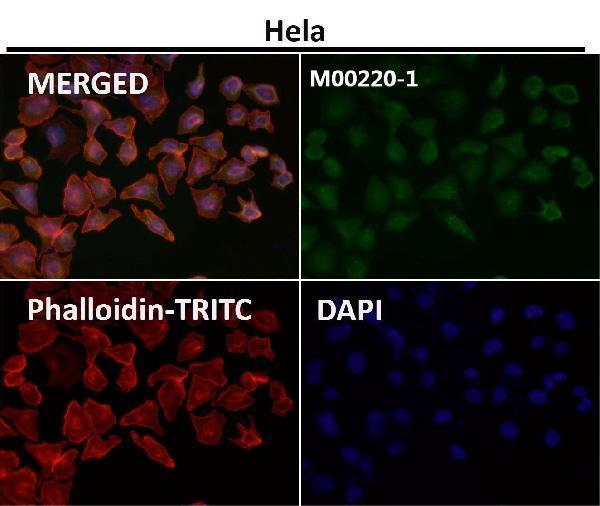
Anti-CD86/B7 2 Rabbit Monoclonal Antibody, Immunofluorescent analysis using the Antibody at 1:150 dilution....
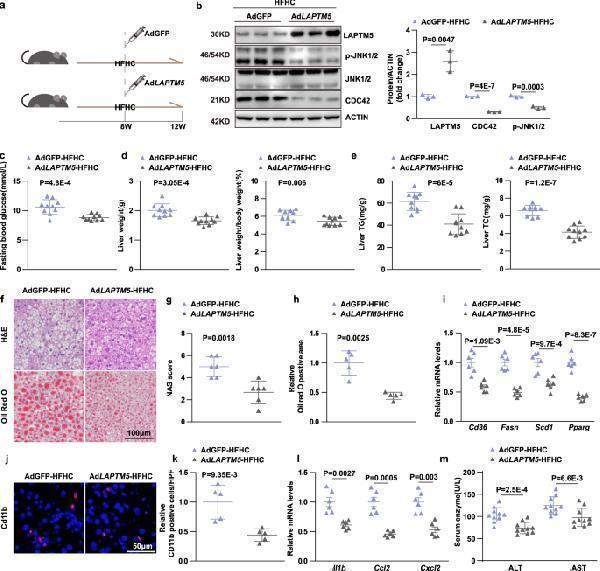
Anti-CD11b ITGAM Rabbit Monoclonal Antibody, Adenovirus-mediated hepatic Laptm5 over-expression alleviated non-alcoholic steatohepatitis. a Scheme of constructing Ad LAPTM5 -me...
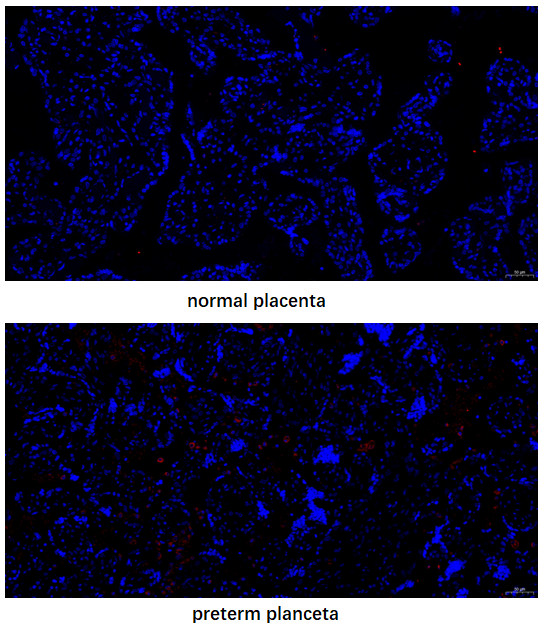
Anti-Cd86 Antibody Picoband®, IF analysis of Cd86 using anti-Cd86 antibody (A00220-4). Cd86 was detected in a paraffin-embedded section of human normal and preterm placenta ti...
| Protein Name | Gene Name | Function |
|---|---|---|
| CD11c | ITGAX | Major marker for dendritic cells, involved in antigen capture and presentation. |
| HLA-DR | HLA-DRA | Essential for presenting peptide antigens to T-cells, critical in immune response. |
| CD86 | CD86 | Co-stimulatory molecule important for T-cell activation. |
| CD83 | CD83 | Maturation marker on dendritic cells, modulates immune response. |
| CD1c | CD1C | Presents lipid antigens to T cells, specific for myeloid dendritic cells. |
| CD205 | LY75 | Endocytic receptor involved in antigen uptake and dendritic cell maturation. |
| CD209 | CD209 | Known as DC-SIGN, involved in recognition and binding of pathogens. |
| CD40 | CD40 | Involved in dendritic cell activation and regulation of immune response. |
| CCR7 | CCR7 | Chemokine receptor, guides migration to lymphoid tissues. |
| CD103 | ITGAE | Associated with mucosal dendritic cells, involved in homing and retention. |
| CD141 | THBD | Presents antigens to cytotoxic T cells, marker for cross-presenting dendritic cells. |
| CD274 | CD274 | Also known as PD-L1, involved in immune tolerance and modulation. |
| FMS-like tyrosine kinase 3 | FLT3 | Growth and differentiation factor for dendritic cells. |
| XCR1 | XCR1 | Chemokine receptor, specific for cross-presenting DC subsets. |
| CLEC9A | CLEC9A | Recognizes necrotic cells, important for immune surveillance. |
| CD11b | ITGAM | Integrin important for DC phagocytosis and migration. |
| SIRP alpha | SIRPA | Inhibitory receptor regulating DC homeostasis and phagocytosis. |
| CD123 | IL3RA | Low affinity receptor for IL-3, marker for plasmacytoid DCs. |
| BDCA-4 | NRP1 | Neuropilin-1, involved in plasmacytoid DC trafficking and vascular interactions. |
Dendritic cells (DCs) are pivotal in initiating and modulating the immune system's response through the mechanism of antigen presentation. This complex process involves the capture of antigens from pathogens, followed by their processing and presentation on the cell surface in conjunction with major histocompatibility complex (MHC) molecules. This display is crucial for the activation of T lymphocytes, which are essential cells in adaptive immunity. Once activated, T cells proliferate and differentiate into various subsets including helper, cytotoxic, and regulatory T cells, each playing unique roles in combating infections and maintaining immune tolerance. The efficiency and context of antigen presentation by dendritic cells determine the nature and strength of the T cell response, impacting vaccine development, immunotherapy, and the management of autoimmune diseases.
Tolerogenic dendritic cells (tolDCs) represent a unique subcategory within the dendritic cell family, primarily involved in the induction and maintenance of immune tolerance. These cells help prevent autoimmune diseases by promoting tolerance to self-antigens and mitigating excessive immune responses that could damage host tissues. TolDCs achieve this by various mechanisms, including the secretion of anti-inflammatory cytokines like IL-10 and transforming growth factor-beta (TGF-beta), and through the expression of non-inflammatory co-stimulatory molecules. This functional state can be naturally occurring or induced artificially, which holds significant therapeutic potential in treating autoimmune conditions, enhancing transplant acceptance, and preventing allergic reactions. The manipulation and in-depth study of tolDCs are critical in designing new therapies aimed at harnessing the body's immune system to maintain self-tolerance and ameliorate hyperactive immune responses.