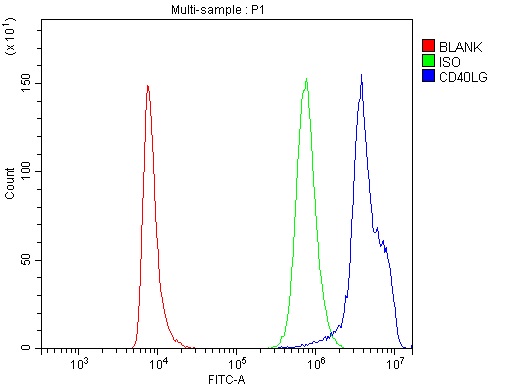
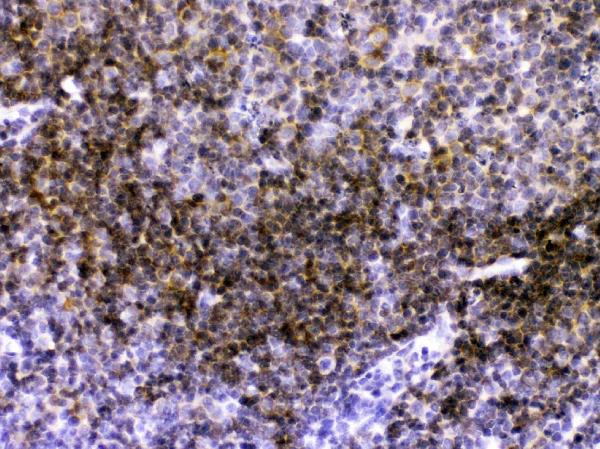
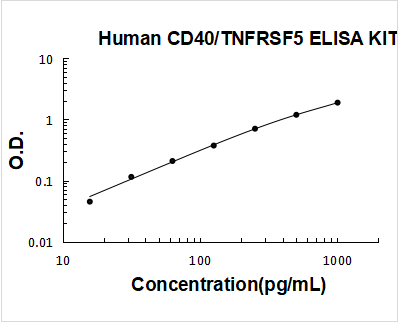
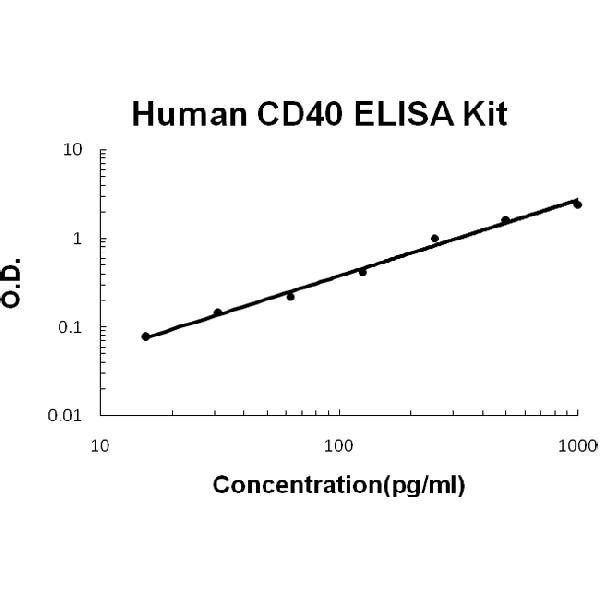
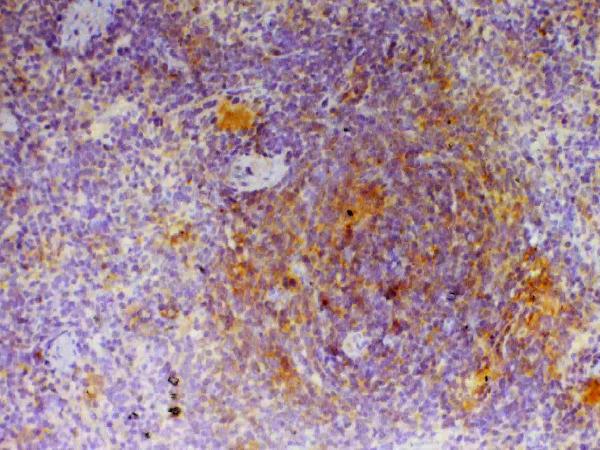
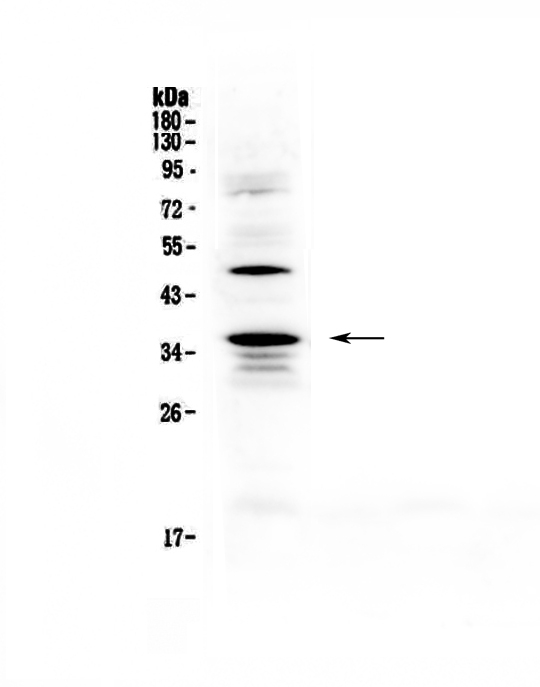
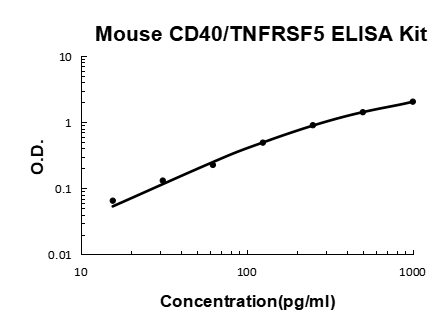
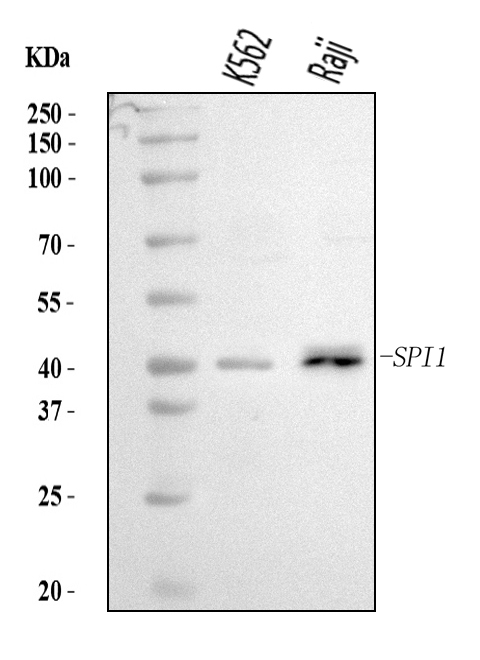
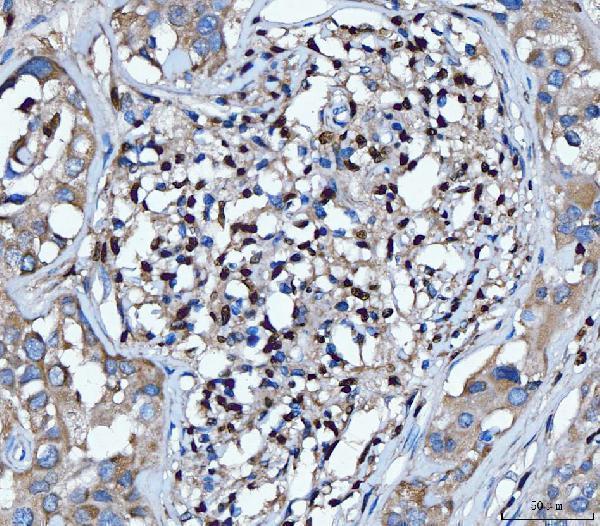
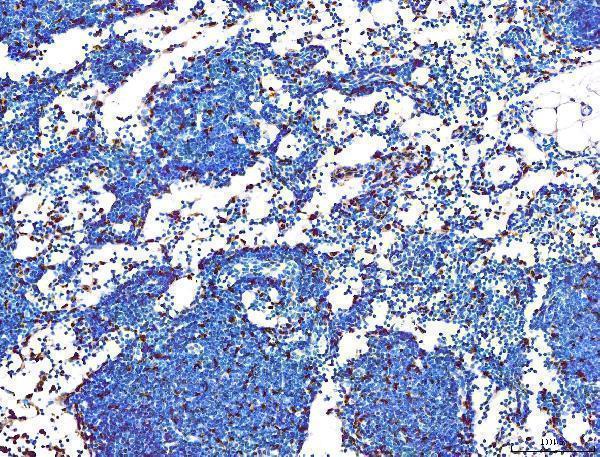
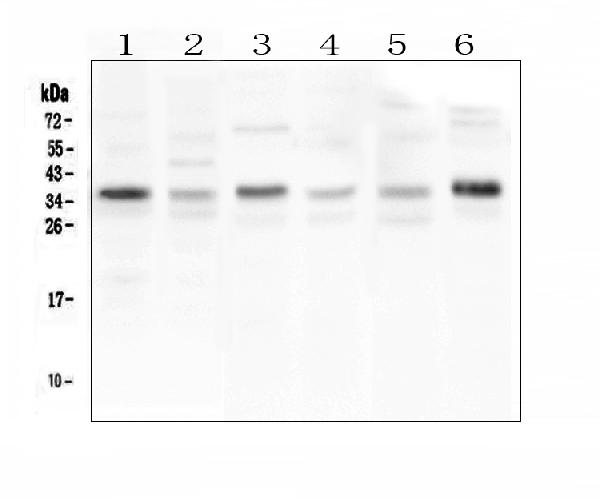
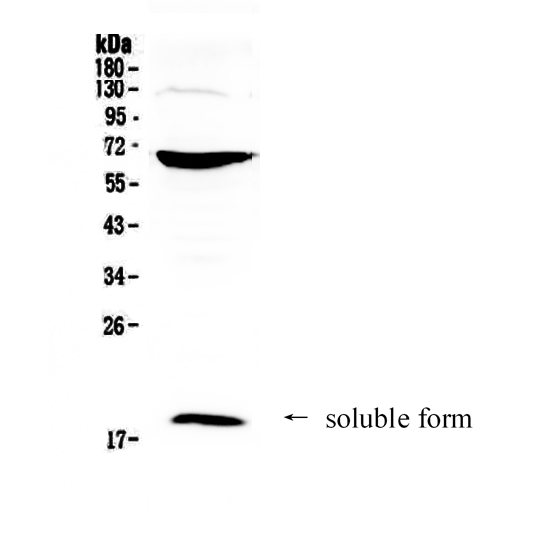
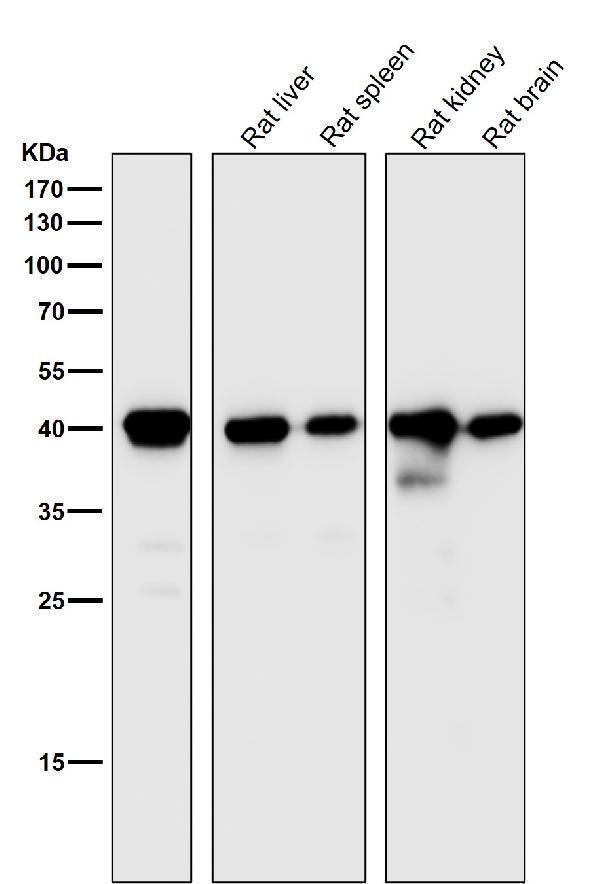
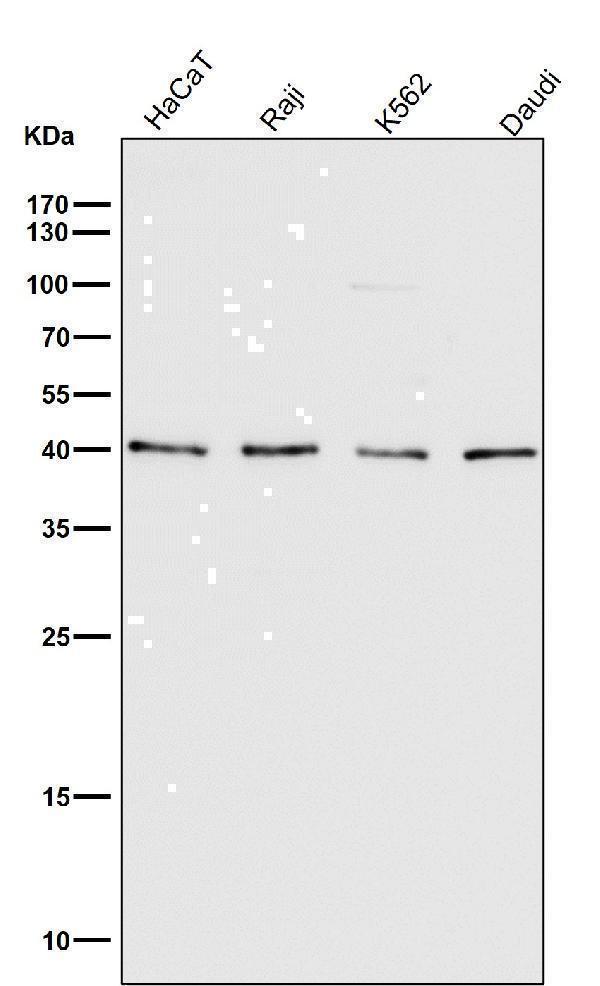
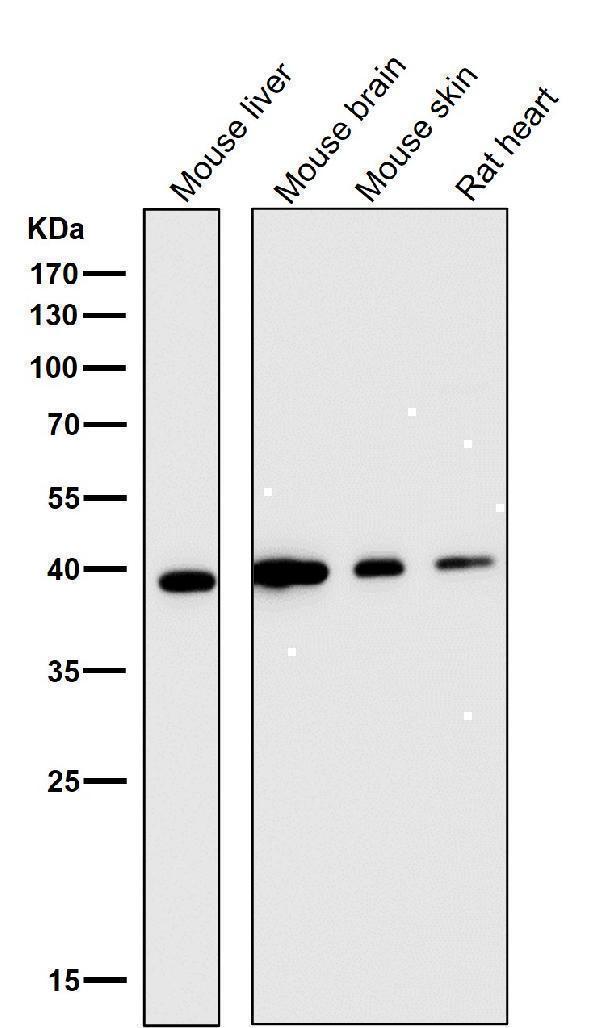
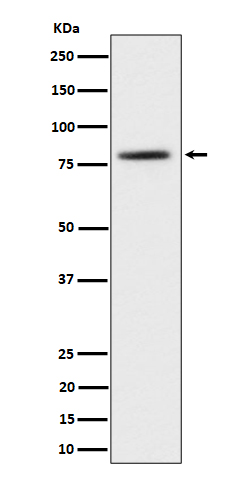
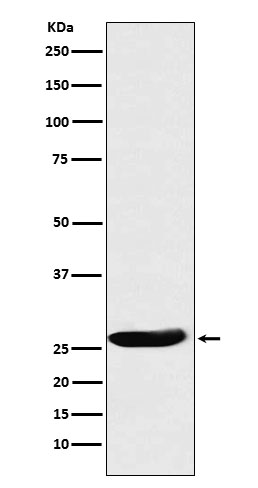
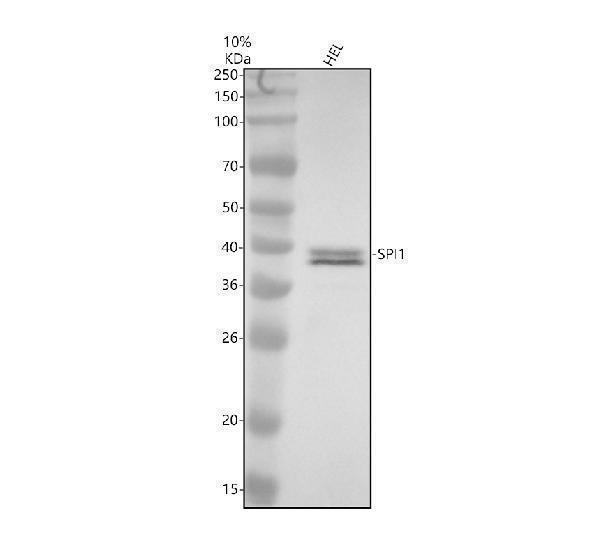
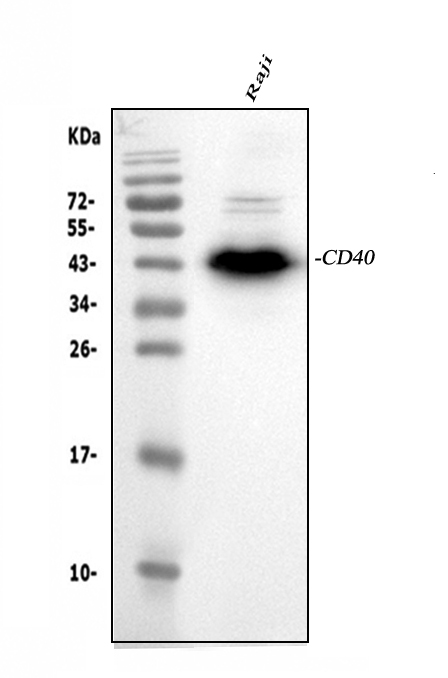
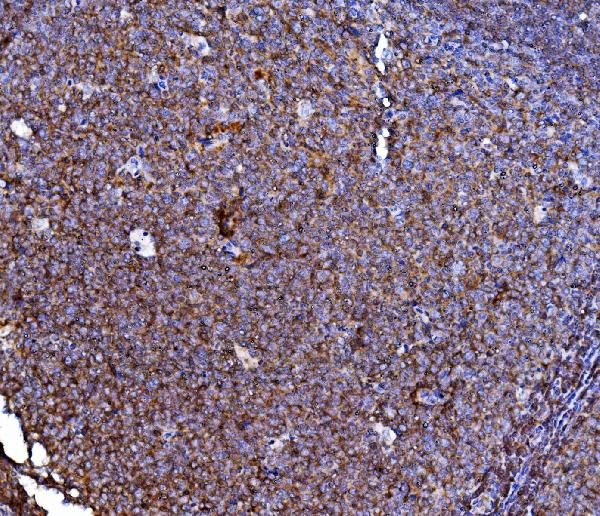
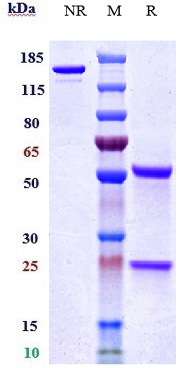
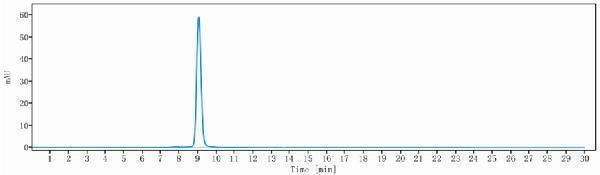
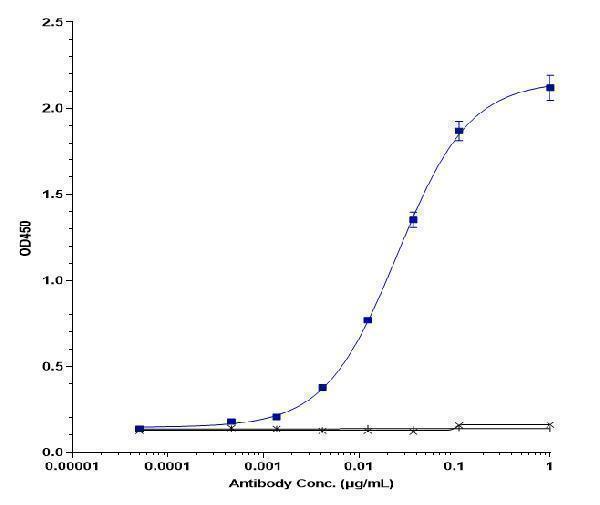
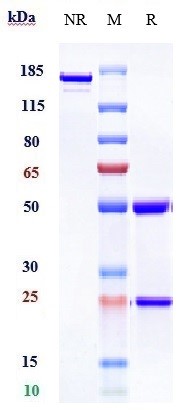
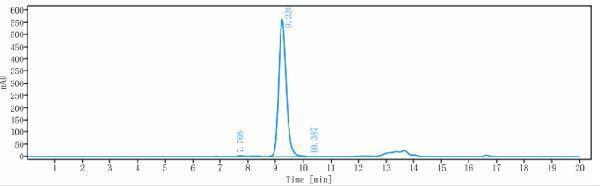
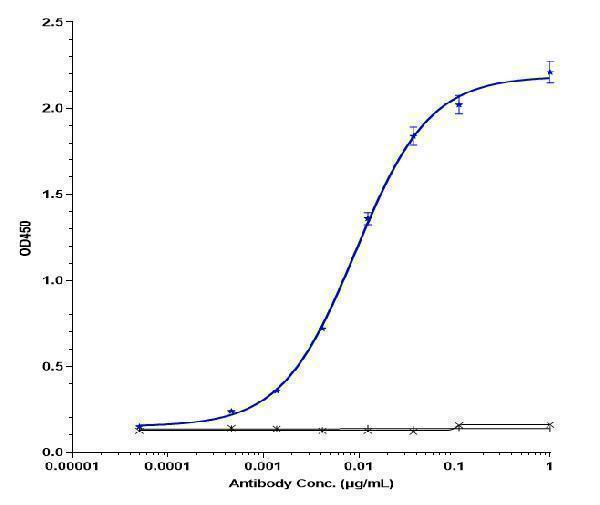
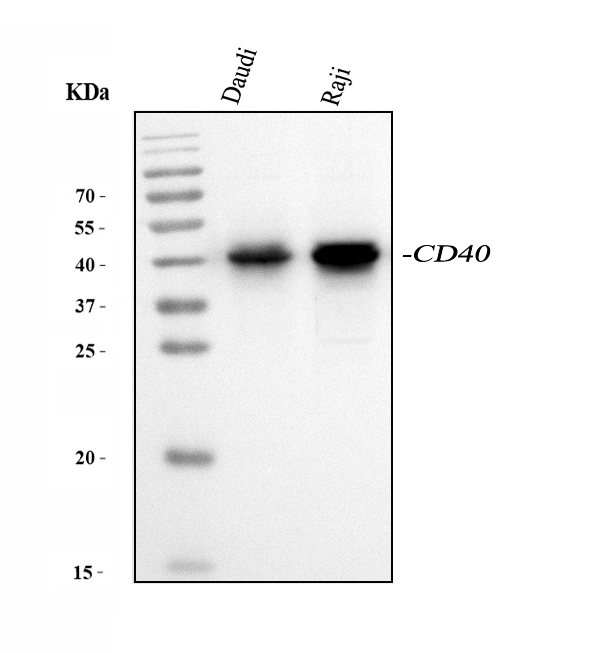
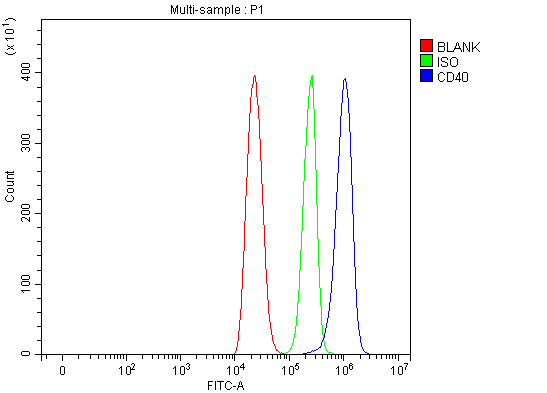
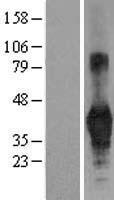
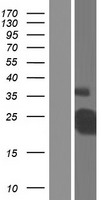
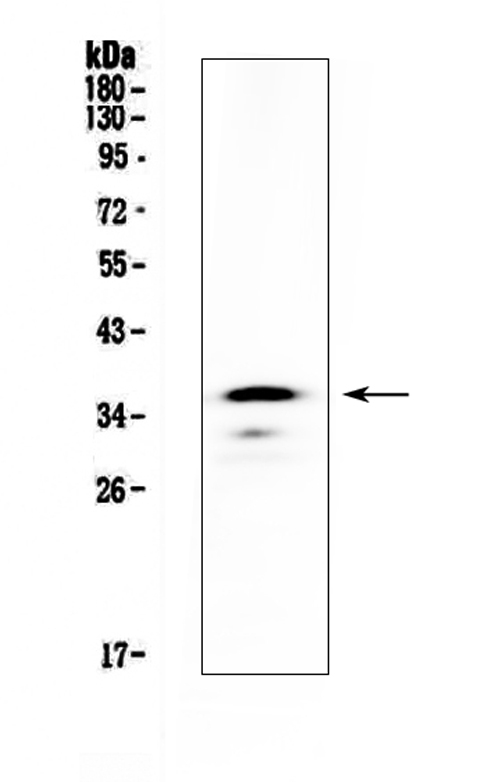
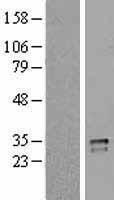
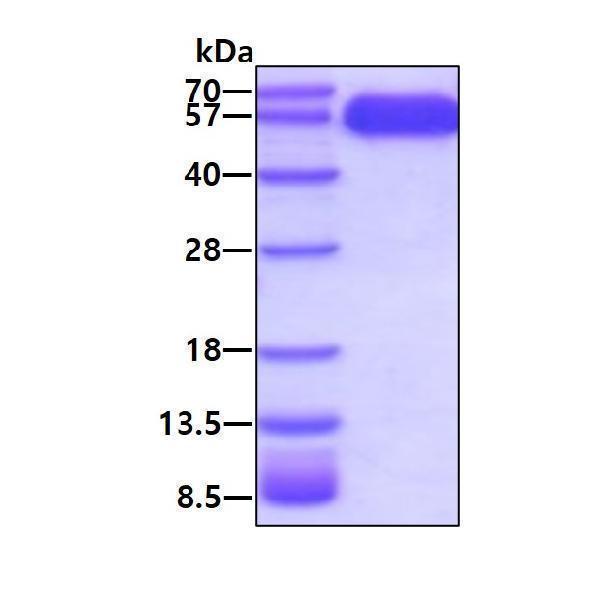
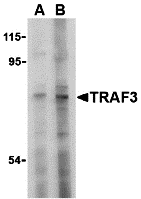
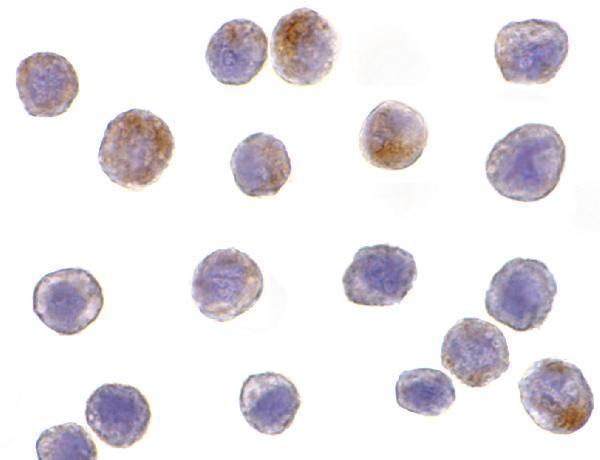
Many biological assays use antibodies to detect CD40, such as Western Blot (WB), ELISA, Flow Cytometry, Immunocytochemistry (IHC). These antibodies can be polyclonal or monoclonal, and react with CD40 in Human, Mouse, Rat, and many other animal samples. Boster Bio use mainly mouse and rabbit to develop CD40 antibodies...
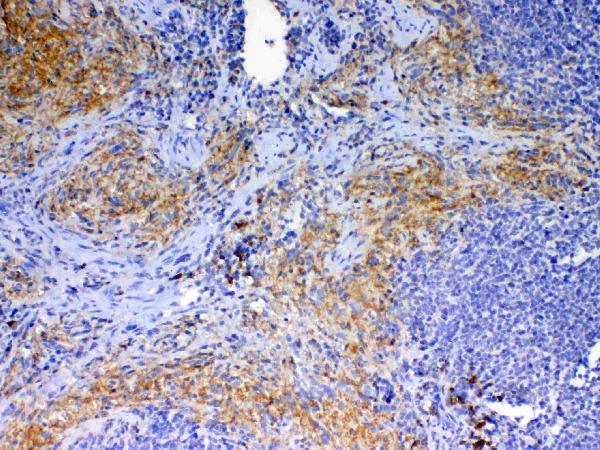
We validate the specificity of these antibodies to CD40 by testing them on tissues known to express CD40 positively and negatively. Browse below to find the CD40 antibody that suites your experiment. We have 57 of these antibodies and many publications and validation images.
If you cannot find antibodies that fit your needs, contact us for making custom antibodies. We have a full suite of custom antibody services covering from research to diagnostic and therapeutic applications.
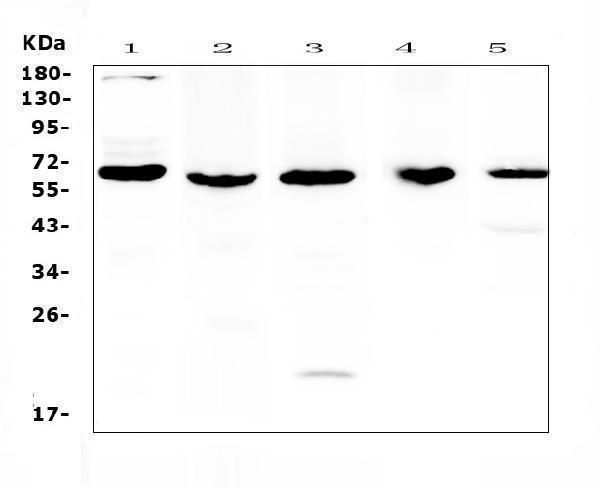
Designing a Western blot for CD40?
The guide has the expected band size, antibodies backed by real blot images, the controls to run alongside, and protocols taken from published papers.
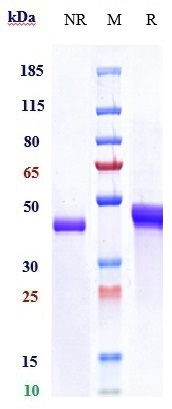
Facts about Tumor necrosis factor receptor superfamily member 5.
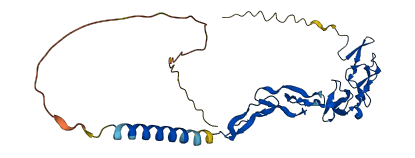
Tumor necrosis factor receptor superfamily member 5 (CD40)
Receptor for TNFSF5/CD40LG.
Transduces TRAF6- and MAP3K8-mediated signals that activate ERK in macrophages and B cells, resulting in induction of immunoglobulin secretion.
.
Gene Information
Human
Gene Name:
CD40
Uniprot:
P25942
Entrez:
958
Family
Belongs to:
No superfamily
Alternative Names
B cell surface antigen CD40; B-cell surface antigen CD40; Bp50B cell-associated molecule; CD40 antigen; CD40 molecule, TNF receptor superfamily member 5; CD40 type II isoform; CD40; CD40L receptor; CDw40; MGC9013; nerve growth factor receptor-related B-lymphocyte activation molecule; p50; TNFRSF5; TNFRSF5CD40 antigen (TNF receptor superfamily member 5); tumor necrosis factor receptor superfamily member 5; tumor necrosis factor receptor superfamily, member 5
Molecular Weight
Mass (kDA): 30.619 kDA
Genomic Context
Human
Location:
20q13.12
Sequence:
20; NC_000020.11 (46118242..46129858)
Tissue Specificity
B-cells and in primary carcinomas.
Subcellular Localizations
[Isoform I]: Cell membrane; Single-pass type I membrane protein.; [Isoform II]: Secreted.

Diseases
Neoplasms
Inflammation
Malignant Neoplasms
Autoimmune Reaction
Tissue Adhesions
Lymphoma
Autoimmune Diseases
Leukemia
Immunologic Deficiency Syndromes
B-cell Lymphomas
Carcinoma
Autoimmunity
Malignant Paraganglionic Neoplasm
Infective Disorder
Decreased Immunologic Activity [pe]
Atherosclerosis
Arthritis
Lymphoid Leukemia
Chronic Lymphocytic Leukemia
Rheumatoid Arthritis
Interacting Proteins
Otud7b
TRAF2
TRAF3
TRAF6
Pathways
Secretion
Immune Response
Cell Activation
Cell Proliferation
Pathogenesis
Cytokine Production
Cell Death
Cell Differentiation
T Cell Proliferation
Cell Cycle
T Cell Activation
B Cell Activation
Cell Growth
B Cell Proliferation
Isotype Switching
Cell Maturation
Inflammatory Response
Cytokine Secretion
Sensitization
Cell Adhesion
PTMs
Phosphorylation
Cleavage
Methylation
Acetylation
Glycosylation
Dephosphorylation
Phosphorothioation
Biotinylation
Ubiquitination
Reduction
Oxidation
Nitration
Demethylation
Myristoylation
Acylation
Ribosylation
Palmitoylation
Nitrosylation
Carboxylation
Deamination
Research Areas
Adaptive Immunity
Apoptosis
Asthma
Cancer
Hematopoietic Stem Cell Markers
Immunology
Signal Transduction
Stem Cell Markers
For details, visit: bosterbio.com/bosterbio-gene-info-cards/CD40
References
PMID: 2475341 by Stamenkovic I., et al. A B-lymphocyte activation molecule related to the nerve growth factor receptor and induced by cytokines in carcinomas.
PMID: 11172023 by Tone M., et al. Regulation of CD40 function by its isoforms generated through alternative splicing.
12 Publications of Boster CD40 Antibodies & ELISA Kits
PubMed ID: 10.2337/db16-0051, CD40 in Retinal Müller Cells Induces P2X7-Dependent Cytokine Expression in Macr...