This website uses cookies to ensure you get the best experience on our website.


- Table of Contents
and ELISA kits, proteins related to myeloid-related entry.
Myeloid-related entry research is an advanced field dedicated to unraveling the roles and functionalities of myeloid cells in immune responses, and the development of inflammatory and autoimmune diseases. Myeloid cells, including macrophages, neutrophils, and dendritic cells, are integral to the innate immune system, acting as the first line of defense against pathogens. Understanding how these cells differentiate, migrate, and respond to stimuli not only broadens our basic biological knowledge but also enhances our capability to design targeted therapies for a range of diseases. To facilitate this critical research, high-quality antibodies that can reliably identify and quantify myeloid cells and their subsets are indispensable. These antibodies are crucial tools in flow cytometry, immunohistochemistry, and other molecular biology techniques, enabling researchers to delve into the cellular mechanisms at the heart of the immune response and inflammatory processes. With this understanding, the landing page aims to offer insights and products to support researchers in pushing the boundaries of myeloid-related research.
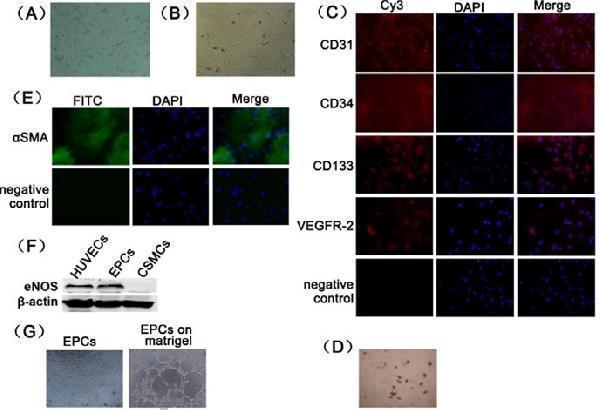
Anti-CD34 Antibody Picoband®, Primary culture and characterization of rat EPCs. (A) Rat BM-MNCs from bone marrow after 7 days in culture (100×). (B) Rat BM-MNCs after 14 days of culture (100×...
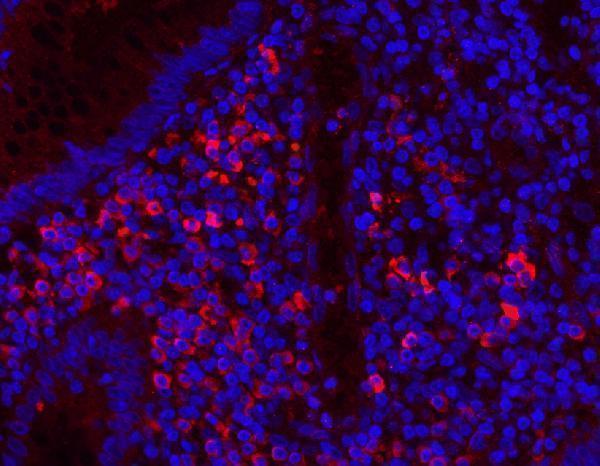
Anti-Myeloperoxidase/MPO Antibody Picoband®, IF analysis of MPO using anti-MPO antibody (PA1054).
MPO was detected in a paraffin-embedded section of human appendicitis tissue. Heat mediat...
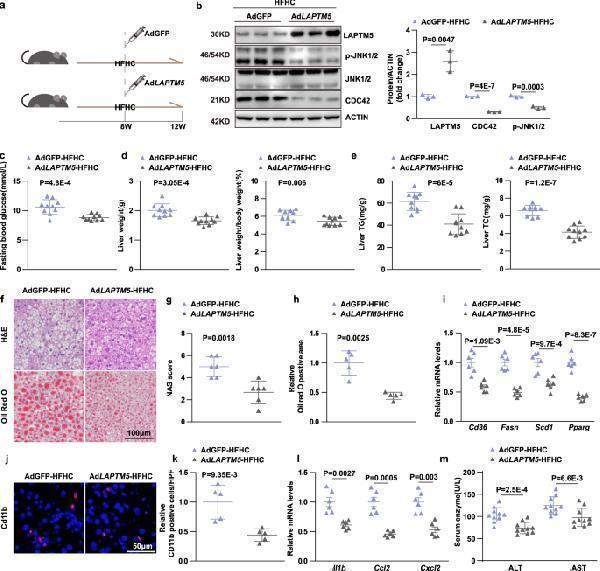
Anti-CD11b ITGAM Rabbit Monoclonal Antibody, Adenovirus-mediated hepatic Laptm5 over-expression alleviated non-alcoholic steatohepatitis. a Scheme of constructing Ad LAPTM5 -me...
| Protein Name | Gene Name | Function |
|---|---|---|
| CD33 | CD33 | Inhibitory receptor on myeloid cells, target for cancer therapy. |
| CD34 | CD34 | Marker of hematopoietic stem cells and endothelial cells. |
| CD117 | KIT | Receptor tyrosine kinase important for stem cell maintenance. |
| MPO | MPO | Myeloperoxidase, important for microbial killing in neutrophils. |
| CD14 | CD14 | Co-receptor for LPS, important for TLR4 signaling in monocytes/macrophages. |
| CD11b | ITGAM | Integrin important for leukocyte adhesion and migration. |
| CD64 | FCGR1A | High-affinity receptor for IgG, involved in phagocytosis. |
| CD16 | FCGR3A | Low-affinity receptor for IgG, present on NK cells and macrophages. |
| CD15 | FUT4 | Sialylated carbohydrate antigen involved in cell adhesion. |
| CD45 | PTPRC | Protein tyrosine phosphatase, essential for activation and development of leukocytes. |
| HLA-DR | HLA-DRA | MHC class II protein, important for antigen presentation to T cells. |
| FLT3 | FLT3 | Class III receptor tyrosine kinase, involved in the proliferation of hematopoietic progenitor cells. |
| C/EBPα | CEBPA | Transcription factor crucial for myeloid differentiation. |
| G-CSFR | CSF3R | Receptor for granulocyte colony-stimulating factor, role in granulocyte survival and proliferation. |
| GM-CSFR | CSF2RA | Receptor important for the function and survival of granulocytes and macrophages. |
| CXCR2 | CXCR2 | Chemokine receptor important for neutrophil migration and function. |
| Lysozyme | LYZ | Enzyme that breaks down bacterial cell walls, found in myeloid cells. |
| CD13 | ANPEP | Aminopeptidase involved in protein processing and antigen presentation. |
| Lactoferrin | LTF | Iron-binding protein with antimicrobial properties, involved in immune regulation. |
Myeloid-derived suppressor cells (MDSCs) are a heterogeneous population of immune cells that originate from myeloid progenitors. They play a significant role in the regulation of immune responses in cancer, inflammation, and infection. MDSCs are recognized for their ability to suppress T-cell proliferation and function, which can inhibit anti-tumor immune responses and contribute to tumor growth and spread. Recent research highlights their dual role in both promoting and inhibiting tumor progression, depending on their environment and the stages of disease. Understanding the mechanisms of MDSCs' suppressive functions, including their interaction with other immune cells and the molecular pathways involved, is pivotal for developing targeted therapies that can modulate their activity in various diseases.
Toll-like receptors (TLRs) are a critical component of the innate immune system and are especially prominent in myeloid cells such as macrophages and dendritic cells. TLRs recognize structurally conserved molecules derived from microbes and play a pivotal role in initiating immune responses against pathogens. Upon activation, TLRs stimulate myeloid cells to secrete cytokines and chemokines, which are vital for the recruitment and activation of other immune cells. TLR signaling pathways have been extensively studied for their potential therapeutic applications, particularly in controlling infections, cancer, and autoimmune diseases. The balance and specificity of TLR responses are crucial for maintaining immune homeostasis and preventing inappropriate inflammation that can lead to disease.