This website uses cookies to ensure you get the best experience on our website.


- Table of Contents
and ELISA kits, proteins related to Head and Neck Cancer.
Head and Neck Cancer encompasses a diverse group of malignancies that arise in the mouth, throat, larynx, sinuses, and other surrounding regions. Pivotal to the bodily functions of speech, breathing, and eating, these areas are vital yet vulnerable to carcinogenic factors such as tobacco use, excessive alcohol consumption, and human papillomavirus (HPV) infections. The global burden of Head and Neck Cancer is significant, with hundreds of thousands diagnosed annually worldwide. Early detection and research are key to improving survival rates, as symptoms often manifest in critical areas affecting complex bodily functions. In the quest for better outcomes, the scientific community relentlessly pursues advancements in diagnostic and therapeutic antibodies. These specialized proteins not only enhance our understanding of the disease's biological pathways but also hold promise for more targeted and effective treatments. This research is crucial, paving the way for innovative strategies that offer hope and healing to those affected by this challenging disease.

Anti-VEGF/VEGFA Antibody Picoband®, YJD affected the VEGF/VEGFR-2/FAK pathway in vivo. ( A – B ) Germ cell markers MVH and Oct4 were detected by IF. ( C ) The expression of VEGF, VEGFR-2, and...
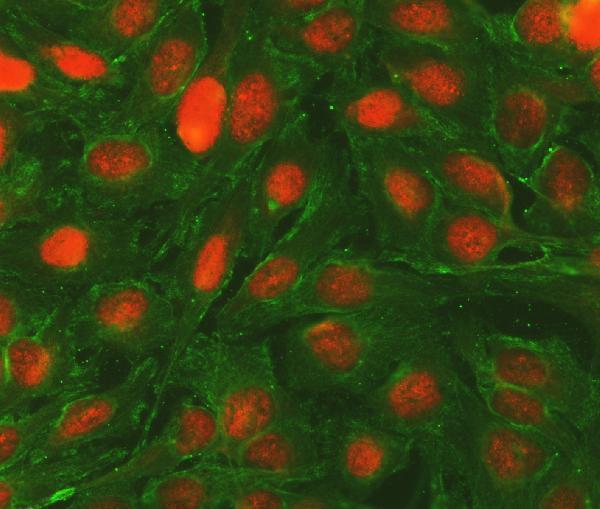
Anti-Bcl-2/BCL2 Antibody Picoband®, IF analysis of BCL2 and Tubulin alpha using anti-BCL2 antibody (A00040-2) and anti-Tubulin alpha antibody (M03989-3).
BCL2 and Tubuli...
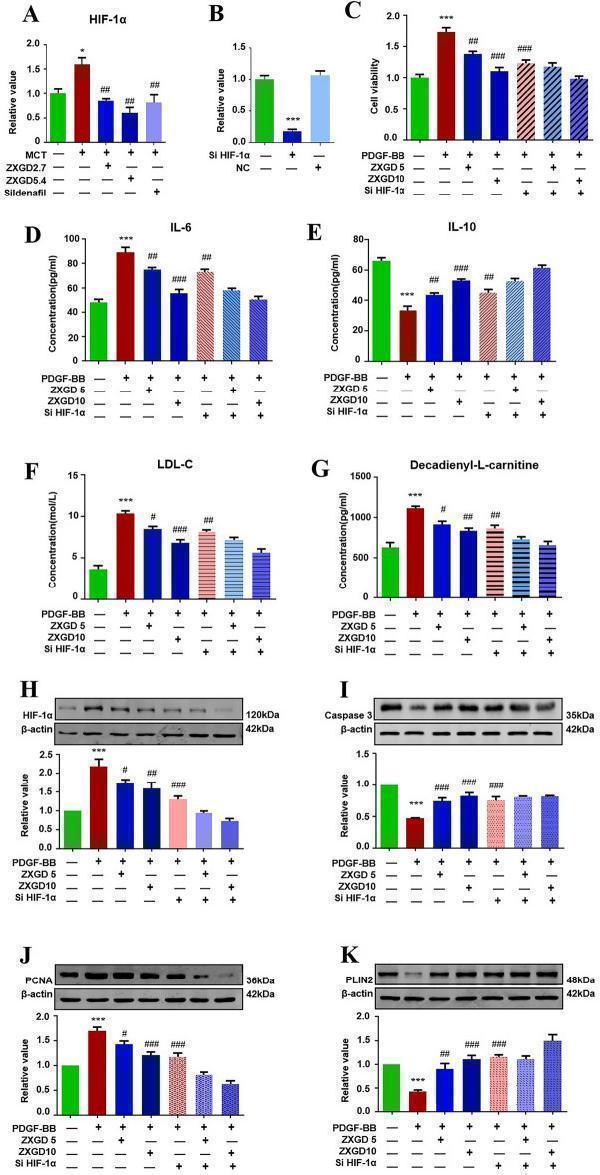
Anti-HIF-1-alpha/HIF1A Antibody Picoband®, ZXGD modulated HIF-1α mediated pulmonary vascular remodeling. A Expression level of HIF-1α in lung tissue of rats was tested w...
| Protein Name | Gene Name | Function |
|---|---|---|
| EGFR | EGFR | Epidermal growth factor receptor; involved in cell growth, proliferation, and survival. |
| P16 | CDKN2A | Cyclin-dependent kinase inhibitor; marker of HPV-associated cancers, cell cycle regulator. |
| TP53 | TP53 | Tumor protein p53; DNA repair, cell cycle arrest, apoptosis, genetic stability. |
| Cyclin D1 | CCND1 | Cell cycle regulation through G1/S transition, related to cell proliferation. |
| VEGF | VEGFA | Vascular endothelial growth factor; promotes angiogenesis and vascular permeability. |
| HER2 | ERBB2 | Human epidermal growth factor receptor 2; involved in cell growth and differentiation. |
| MET | MET | Hepatocyte growth factor receptor; promotes cell growth, motility, and angiogenesis. |
| PDL1 | CD274 | Programmed death-ligand 1; immune checkpoint, modulates immune response to tumor. |
| FGFR1 | FGFR1 | Fibroblast growth factor receptor 1; involved in cell differentiation and angiogenesis. |
| PI3KCA | PIK3CA | Phosphoinositide 3-kinase catalytic subunit alpha; involved in signal transduction and cell growth. |
| mTOR | MTOR | Mechanistic target of rapamycin; regulates cell growth, proliferation, mobility, and survival. |
| Bcl-2 | BCL2 | B-cell lymphoma 2; regulates cell death (apoptosis), promoting survival of cells. |
| KRAS | KRAS | GTPase involved in signal transduction and cell communication. |
| CD44 | CD44 | Cell-surface glycoprotein involved in cell-cell interactions, cell adhesion, and migration. |
| HIF-1α | HIF1A | Hypoxia-inducible factor 1-alpha; regulates cellular response to low oxygen, promoting angiogenesis. |
| STAT3 | STAT3 | Signal transducer and activator of transcription 3; involved in cell growth and apoptosis. |
| NOTCH1 | NOTCH1 | Regulates interactions crucial for multiple cell differentiation processes. |
| E-Cadherin | CDH1 | Calcium-dependent cell adhesion protein, important in cellular morphogenesis and epithelial integrity. |
In the realm of head and neck oncology, the investigation into human papillomavirus (HPV)-related cancers represents a pivotal area of research. HPV, particularly HPV-16, has been identified as a significant causative agent in a subset of head and neck cancers, most notably oropharyngeal cancer. This disease markedly differs from those caused by other etiological factors like smoking or alcohol in terms of its biological behavior, response to treatment, and patient outcomes. Research in this field focuses on understanding the molecular mechanisms by which HPV contributes to carcinogenesis, which is crucial for developing targeted therapeutic strategies. Additionally, the study of HPV-related head and neck cancers brings implications for prevention strategies, including vaccination and screening protocols, aiming to reduce the incidence of these cancer types. By delineating the interaction between HPV infections and the progression of oropharyngeal cancer, researchers strive to enhance diagnostic accuracy, refine treatment modalities, and ultimately improve survival rates.
Immunotherapy has emerged as a revolutionary treatment strategy in head and neck cancers, particularly by exploiting the body’s immune system to fight cancer. Unlike traditional treatments such as chemotherapy and radiation, which directly target the cancer cells often at a cost of significant toxicity, immunotherapy aims to reprogram the patient’s immune system to recognize and effectively combat malignant cells. Research in this area has burgeoned due to the discovery of various checkpoints that the immune system uses to prevent autoimmunity, such as CTLA-4 and PD-1/PD-L1 pathways. Blocking these pathways with checkpoint inhibitors has shown promise in treating several types of head and neck cancers, providing durable responses and improved survival rates. Current studies are focused on identifying biomarkers that can predict response to these treatments, understanding the mechanisms underlying resistance, and developing combination therapies that could potentially enhance the efficacy of immunotherapy. The goal is to integrate these new therapeutic agents into standard cancer care regimens and to tailor them to individual patient profiles for maximum effectiveness.