This website uses cookies to ensure you get the best experience on our website.


- Table of Contents
and ELISA kits, proteins related to Multiple Myeloma.
Multiple Myeloma is a complex and challenging cancer of the blood that primarily affects the plasma cells found in bone marrow. As a type of white blood cell integral to the immune system, plasma cells produce antibodies that help fight infections. In Multiple Myeloma, these cells proliferate uncontrollably, compromising the body's immune response and leading to a host of complications. This cancer disrupts the normal production of antibodies and can damage the bones, weaken the kidneys, impair blood cell production, and diminish the immune system. While treatable, Multiple Myeloma remains incurable, making research into its mechanisms and potential treatments critical. The work on understanding and targeting specific antibodies related to this disease holds the promise of advancements in diagnosis, prognosis, and therapy, offering hope of improved outcomes for patients. This landing page is dedicated to spotlighting the innovative research and dedicated efforts geared toward conquering Multiple Myeloma at the cellular level through advanced antibody research.
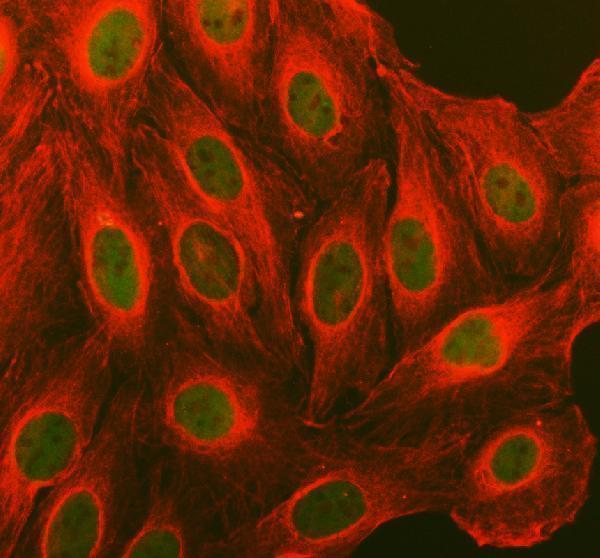
Anti-Cyclin D1/CCND1 Antibody Picoband®, IF analysis of CCND1 using anti-CCND1 antibody (PB9370) and anti-Tubulin Alpha antibody (M03989-3).
CCND1 was detected in immun...
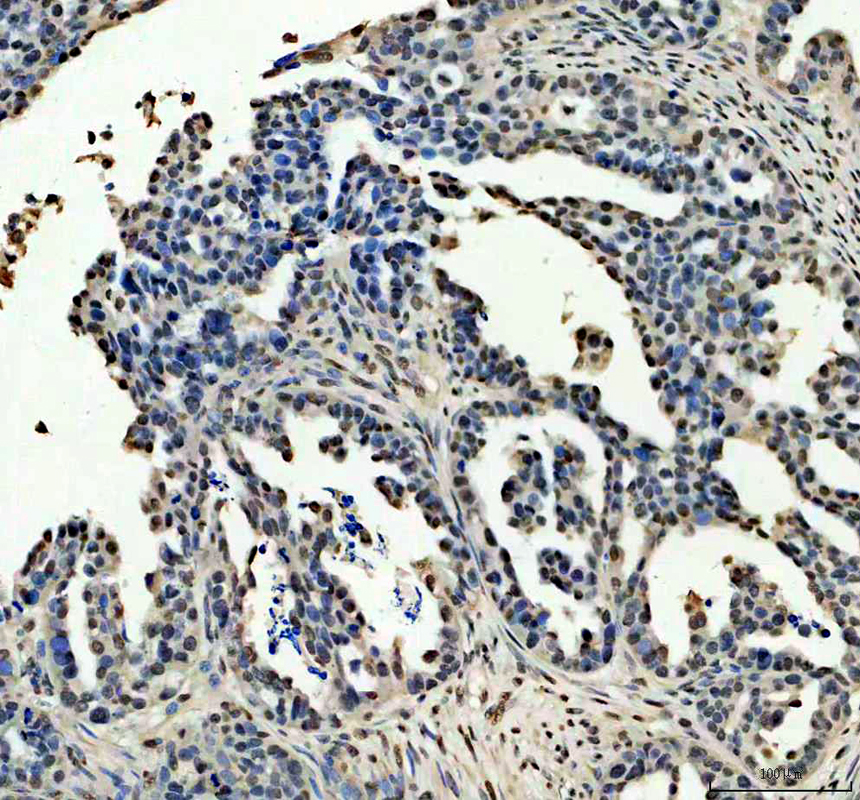
Anti-P53/TP53 Antibody Picoband®, IHC analysis of P53 using anti-P53 antibody (PB9008).
TP53 was detected in a paraffin-embedded section of humn ovarian cancer tissue. Heat mediated antigen retrieval was...
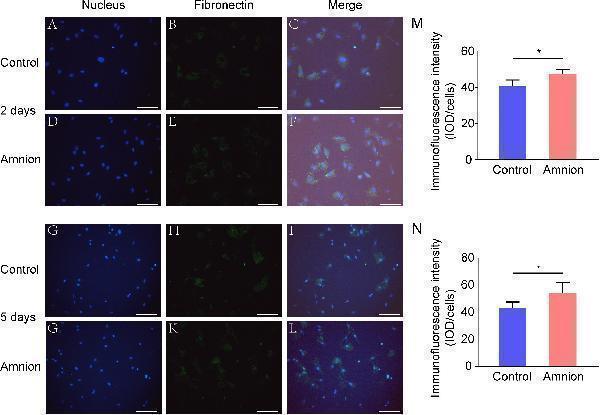
Anti-Fibronectin Rabbit Monoclonal Antibody, Representative immunofluorescence images of fibronectin. Fluorescent micrographs of tenocytes after 2 and 5 days of culture o...
| Protein Name | Gene Name | Function |
|---|---|---|
| CD138 | SDC1 | Mainly used for diagnosis; helps in cell adhesion and cell matrix interactions. |
| BCMA | TNFRSF17 | Key in B-cell development; target for emerging immunotherapies. |
| CD38 | CD38 | Used in targeted therapy; important for cell adhesion and signal transduction. |
| CD56 | NCAM1 | Commonly used for diagnostic purposes; involved in cell adhesion. |
| CD19 | CD19 | Diagnosis and immunophenotyping; pivotal in B-cell receptor signaling. |
| B2M | B2M | Used as a prognostic marker; part of the MHC class I complex. |
| CD20 | MS4A1 | Targeted in specific therapies; regulates B-cell activation and development. |
| CD45 | PTPRC | Crucial in cell signaling pathways; common leukocyte antigen. |
| CD138 | SDC1 | Marker of plasma cells; mediates cell-cell interactions. |
| c-Myc | MYC | Regulates DNA replication and cell cycle; often dysregulated in cancers. |
| ZAP-70 | ZAP70 | Used in prognosis; involved in T-cell receptor signaling. |
| Fibronectin | FN1 | Mediates cell adhesion; involved in wound healing and tumor progression. |
| Ki-67 | MKI67 | Indicates cell proliferation; useful for assessing tumor growth. |
| Cyclin D1 | CCND1 | Involved in cell cycle control; frequently implicated in pathogenesis. |
| NEL-1 | THBS2 | Adhesion molecule involved in cellular signaling and tumor metastasis. |
| FGFR3 | FGFR3 | Implicated in cell growth, proliferation, differentiation; mutation linked to severity. |
| IRF4 | IRF4 | Transcription factor that regulates immune response, crucial in myeloma biology. |
| P53 | TP53 | Tumor suppressor protein; involved in cell cycle regulation and apoptosis. |
| VLA-4 | ITGA4 | Mediates cell adhesion to immune cells and stromal cells; involved in metastasis. |
Understanding the genetic and molecular landscape of Multiple Myeloma (MM) is crucial for comprehending its pathogenesis and progression. This sub-area focuses on the identification and functional impact of genetic mutations, chromosomal abnormalities, and epigenetic changes specific to MM. Key abnormalities include mutations in genes like KRAS, NRAS, and TP53, and chromosomal aberrations such as translocations involving the immunoglobulin heavy chain locus and deletions of chromosome 13 or 17p. These genetic alterations can influence the behavior of myeloma cells, affect their response to therapy, and ultimately guide personalized treatment strategies. The ongoing research supports the development of targeted therapies, aiming to improve prognosis by tailoring treatments that specifically address these genetic disruptions.
Immunotherapy represents one of the most transformative areas of advancement in the treatment of Multiple Myeloma. This research area focuses on harnessing and enhancing the patient's immune system to fight MM more effectively. Key strategies include monoclonal antibodies (e.g., daratumumab) that target specific proteins on myeloma cells, immune checkpoint inhibitors that help reactivate the immune system against cancer cells, and chimeric antigen receptor (CAR) T-cell therapy, where patient's T-cells are modified to better recognize and destroy myeloma cells. These therapies aim to improve survival rates and are particularly promising for relapsed or refractory MM. The field is rapidly evolving, with numerous clinical trials ongoing to optimize these treatments and minimize associated risks.