This website uses cookies to ensure you get the best experience on our website.


- Table of Contents
and ELISA kits, proteins related to Ovarian Cancer.
Ovarian cancer, a formidable challenge in the field of women's health, is primarily characterized by the growth of abnormal cells in the ovaries, parts of the female reproductive system that produce eggs and hormones. This type of cancer often goes undetected until it has spread within the pelvis and abdomen. At this late stage, ovarian cancer is more challenging to treat and is frequently fatal. Early-stage ovarian cancer, where the disease remains confined to the ovary, is more likely to be treated successfully. Symptoms are vague and non-specific, which makes early detection particularly tricky; they may include abdominal discomfort, bloating, and changes in bowel or bladder habits. Research into ovarian cancer, focusing on understanding its underlying mechanisms and the development of more effective diagnostic and treatment methods, is crucial. Antibodies are at the forefront of current research efforts, aiding in both the detection of ovarian cancer markers and the targeted treatment of the disease, offering hope for improved outcomes.
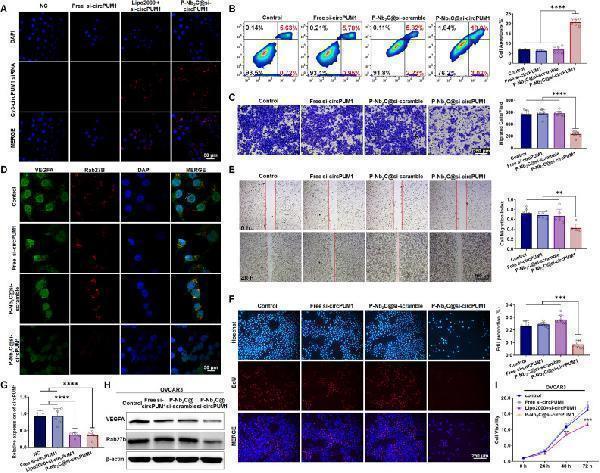
Anti-VEGF/VEGFA Antibody Picoband®, /media/catalog/product/p/a/pa1080-1-s2.0-s2590006425008841-gr4.jpg...
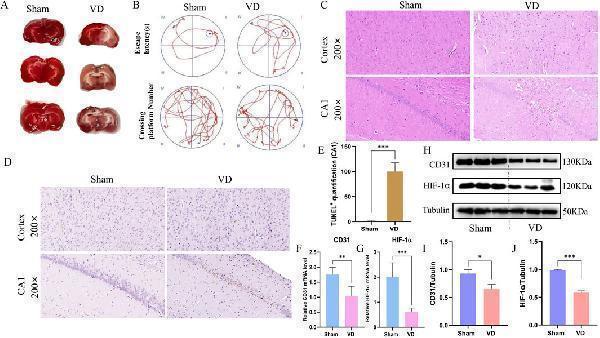
Anti-CD31/Pecam1 Antibody Picoband®, Construction of animal models and analysis of pathological damage. (A) TTC staining plots of the Sham and VD group. (B) Motion traje...
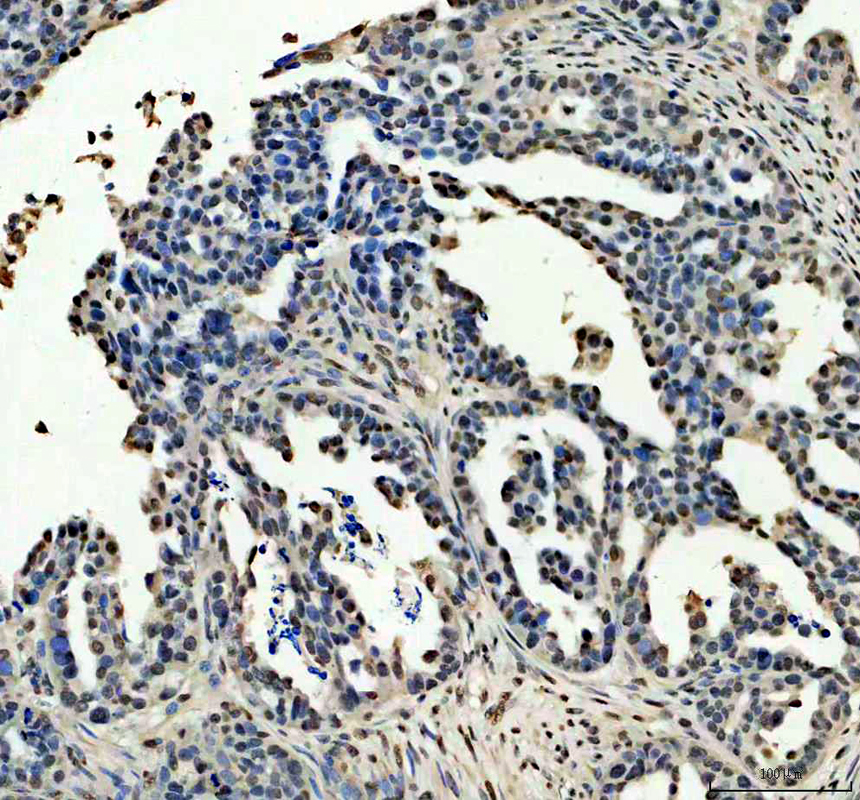
Anti-P53/TP53 Antibody Picoband®, IHC analysis of TP53 using anti-TP53 antibody (PB9008).
TP53 was detected in a paraffin-embedded section of humn ovarian cancer tissue. Heat mediated antigen retrieval was...
| Protein Name | Gene Name | Function |
|---|---|---|
| CA-125 | MUC16 | Used to monitor treatment response and recurrence. |
| HE4 | WFDC2 | Helps in the differentiation of malignant from benign pelvic masses. |
| BRCA1 | BRCA1 | Genetic susceptibility, increases risk when mutated. |
| BRCA2 | BRCA2 | Genetic susceptibility, increases risk when mutated. |
| p53 | TP53 | Tumor suppressor gene; mutations are common in ovarian cancer. |
| Ki-67 | MKI67 | A proliferation marker indicative of cell growth. |
| CA 19-9 | MUC1 | Occasionally elevated in mucinous ovarian cancer; less specific. |
| ER | ESR1 | Estrogen receptor; involved in hormonal therapy response assessment. |
| PR | PGR | Progesterone receptor; impacts treatment and prognosis. |
| Her-2 | ERBB2 | Oncogene that when overexpressed may alter treatment and prognosis. |
| VEGF | VEGFA | Linked with angiogenesis and tumor growth. |
| Cyclin E1 | CCNE1 | Regulation of the cell cycle; often amplified in ovarian cancer. |
| CD31 | PECAM1 | Associated with angiogenic status and prognosis. |
| mTOR | MTOR | Central regulator of cell growth and proliferation; target for therapy. |
| PARP | PARP1 | Involved in DNA repair; a target for PARP inhibitor therapies. |
| AKT | AKT1 | Serine/threonine kinase; promotes cell survival and growth. |
| PD-L1 | CD274 | Immune checkpoint protein; possible target for immunotherapy. |
| KRAS | KRAS | Oncogene; involved in cell signaling pathways that affect growth. |
| PIK3CA | PIK3CA | Catalytic subunit of PI3K; mutations affect cell proliferation. |
| FOLR1 | FOLR1 | Folate receptor; targeted by certain types of chemotherapy. |
One of the most critical sub-research areas in ovarian cancer is the study of genetic and molecular biomarkers. Ovarian cancer presents diverse genetic profiles, which can significantly influence both the prognosis and the therapeutic response. BRCA1 and BRCA2 are the most notable genes associated with hereditary susceptibility to ovarian cancer, and their identification has been pivotal for targeted therapy and risk assessment. Beyond hereditary markers, somatic mutations such as those in the TP53 gene, and alterations in homologous recombination repair mechanisms substantially affect tumor behavior. Research in this area not only enhances understanding of the disease pathology but also aids in developing personalized medicine approaches. This includes optimizing screening strategies and tailoring specific therapies based on individual genetic landscapes, which holds a substantial promise for improving outcomes in patients diagnosed with this malignancy.
Immunotherapy has emerged as a frontier in the treatment of ovarian cancer, reflecting a significant shift in oncological paradigms. This form of therapy harnesses the body's immune system to target and destroy cancer cells, offering a potential strategy for enhancing survival rates in patients. Key elements of research in this sub-area include the exploration of immune checkpoint inhibitors, which help reactivate the immune response against cancer cells. Studies focusing on the interaction between ovarian cancer cells and the immune environment are critical, as they may reveal novel immunotherapeutic targets and biomarkers for response to treatment. Additionally, the development and testing of vaccines aimed at eliciting a robust immune response against specific antigens present in ovarian cancer cells are also areas of active investigation. This research is essential as it creates avenues for more effective and less toxic treatments compared to conventional chemotherapies, potentially leading to improved patient quality of life and long-term remission.