This website uses cookies to ensure you get the best experience on our website.


- Table of Contents
Antibodies, ELISA kits, and proteins for infectious disease research, including host-pathogen interaction, immune response, inflammation, and infection-related biomarkers.
Infectious disease research examines how pathogens invade host tissues, how infected cells and immune systems respond, and how infection-associated inflammation contributes to tissue damage and disease progression. In practical workflows, researchers often study both pathogen-related mechanisms and host-response biology, including receptor usage, innate immune sensing, cytokine signaling, immune-cell activation, and tissue-level injury.
Boster’s infectious disease antibodies, ELISA kits, and proteins can support research across viral infection, host defense, inflammatory signaling, and infection-associated tissue response. This page highlights commonly studied infectious disease biomarkers, experimental methods, pathogen-relevant research contexts, disease-related entry points, and pathway resources to help researchers move more efficiently from target discovery to product selection.
Infectious disease biomarkers often fall into several overlapping categories: host receptors involved in pathogen entry, innate immune sensors that detect pathogen-associated signals, inflammatory mediators that shape disease severity, and downstream effectors that reflect host defense activation. The targets below provide practical entry points for studying host-pathogen interaction, immune dysregulation, and infection-associated tissue response.
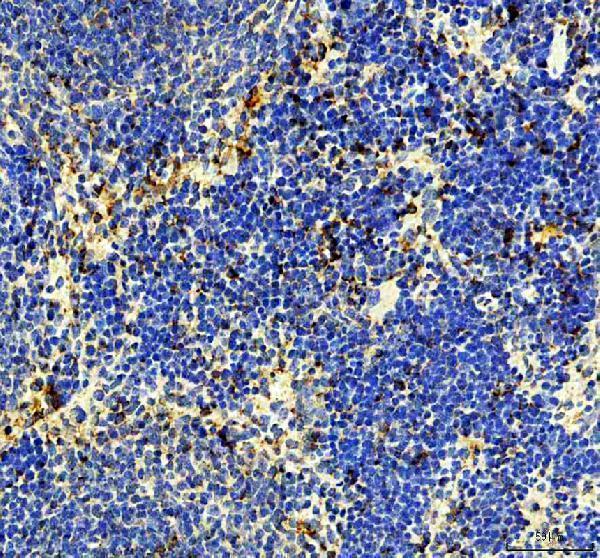
Anti-CD4 Antibody Picoband®, Figure 2. IHC analysis of CD4 using anti-CD4 antibody (A00344-2).
CD4 is widely used in infectious disease research involving HIV entry, T-cell susceptibility, and immune-cell-associated infection biology.

Anti-CD4 Rabbit Monoclonal Antibody, Figure 2. IHC analysis of CD4 using anti-CD4 antibody (M00344).
CD4 remains a useful host marker in tissue-based and immune-cell-based studies of infection susceptibility and disease progression.
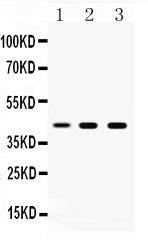
Anti-ATTY/TAT Antibody Picoband®, Figure 1. Western blot analysis of ATTY using anti-ATTY antibody (A00622).
Viral regulatory proteins such as Tat remain useful examples of pathogen-specific biomarkers in mechanistic infectious disease studies.
| Protein Name | Gene Name | Function in Infectious Disease Research |
|---|---|---|
| CD4 | CD4 | Primary receptor for HIV entry into T helper cells and a key host marker for infection susceptibility studies. |
| CCR5 | CCR5 | Host co-receptor involved in HIV attachment and entry, often studied in chronic viral infection models. |
| CXCR4 | CXCR4 | Alternative HIV co-receptor used in studies of viral tropism, cell susceptibility, and host signaling response. |
| ACE2 | ACE2 | Host entry receptor central to coronavirus-related infectious disease research, especially respiratory infection biology. |
| RIG-I | DDX58 | Cytosolic sensor of viral RNA that initiates innate immune signaling and early host antiviral defense. |
| MDA5 | IFIH1 | Pattern-recognition receptor involved in sensing pathogen-associated RNA and activating host defense pathways. |
| TLR3 | TLR3 | Innate immune receptor that detects pathogen-derived double-stranded RNA and activates inflammatory signaling. |
| STAT1 | STAT1 | Central transcriptional regulator of interferon response used to monitor host defense activation. |
| IL-6 | IL6 | Proinflammatory cytokine widely studied in infection-associated immune dysregulation and tissue injury. |
| TNF | TNF | Inflammatory mediator involved in host response, immune activation, and infection-associated tissue damage. |
| IL-8 | CXCL8 | Chemokine linked to leukocyte recruitment and inflammatory amplification in infectious disease settings. |
| IFITM3 | IFITM3 | Interferon-induced restriction factor commonly used as a marker of host antiviral defense status. |
Infectious disease research often combines multiple assay types to study host-pathogen interaction, immune signaling, cytokine release, and tissue response. The methods below can help researchers choose practical workflows for target validation, infection-associated biomarker analysis, and pathway readouts.
Visualize host receptors, infected tissue compartments, immune-cell infiltration, and tissue-level response in spatial context.
Explore IHC / IF guideConfirm activation of host receptors, innate immune sensors, interferon signaling nodes, and downstream inflammatory pathways.
Explore Western blot guideQuantify cytokines, chemokines, and soluble mediators in serum, plasma, and supernatant during infection and inflammatory response studies.
Explore ELISA guideProfile immune subsets, receptor-positive populations, and infection-associated response states at single-cell level.
Explore flow cytometry guideInfectious disease research covers multiple biological contexts, from direct pathogen entry and replication to host inflammatory response and tissue injury. The sections below highlight major research entry points that can help organize target selection beyond a single pathogen type.
Viral infection studies often examine receptor usage, viral sensing pathways, interferon signaling, and immune-cell susceptibility. This context includes both pathogen-specific markers and host-response biomarkers used to interpret infection severity and disease outcome.
Many infectious disease workflows focus not only on pathogen detection but also on how host cells, immune populations, and tissues respond to infection. This includes inflammatory signaling, cytokine amplification, epithelial injury, endothelial activation, and downstream tissue remodeling.
Infectious disease biomarkers are often studied in disease settings shaped by chronic infection, immune dysregulation, respiratory inflammation, and infection-associated tissue injury. The sections below provide practical disease-related entry points for browsing targets and reagents.
Chronic infectious disease studies frequently examine long-term immune activation, receptor usage, leukocyte response, and cytokine-driven tissue effects. These contexts are especially relevant when host response becomes part of disease progression.
Respiratory infectious disease research often overlaps with epithelial stress, endothelial response, cytokine signaling, and fibrosis-associated tissue remodeling. These disease contexts help connect infection biology to broader host-response outcomes.
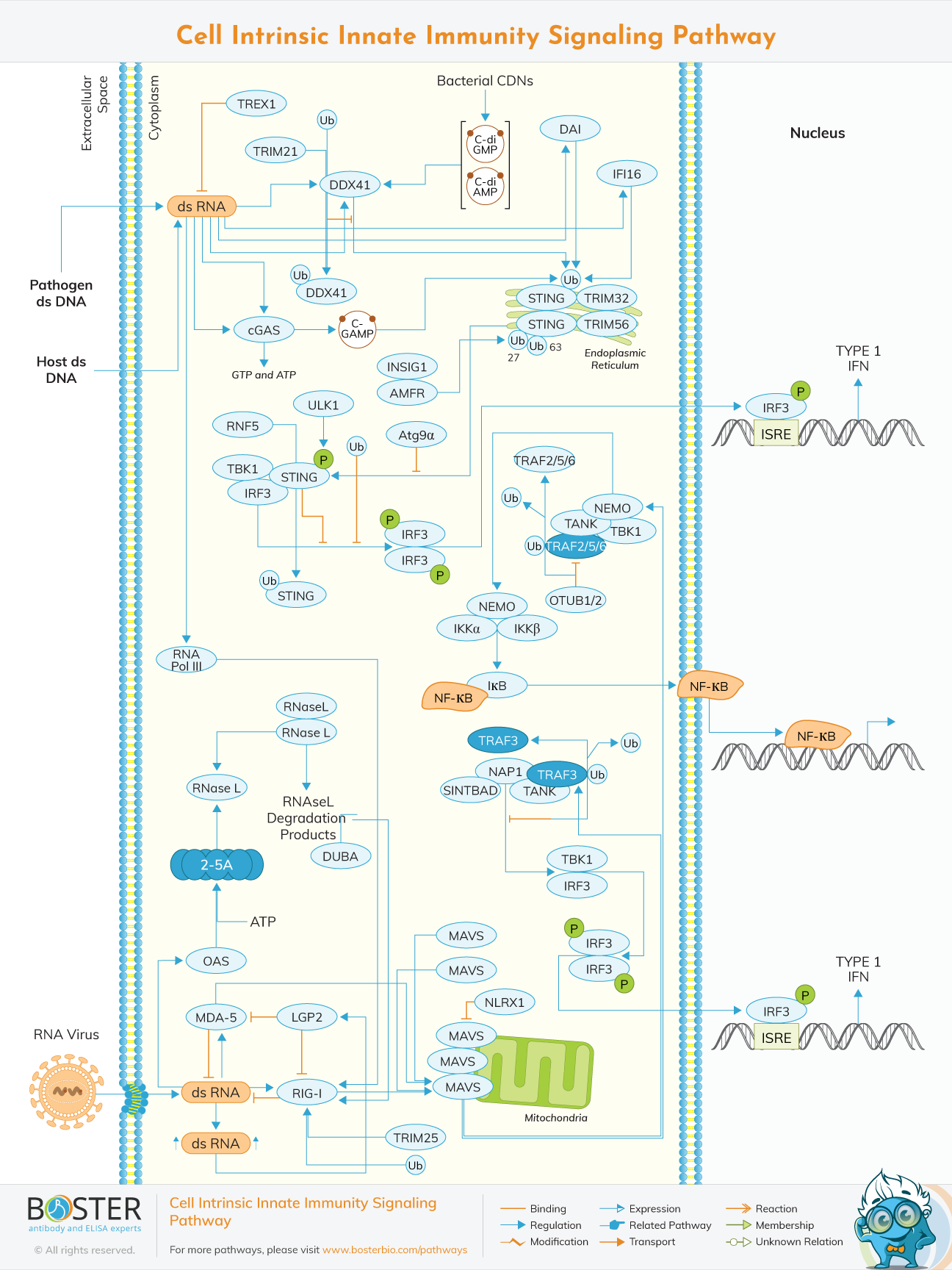
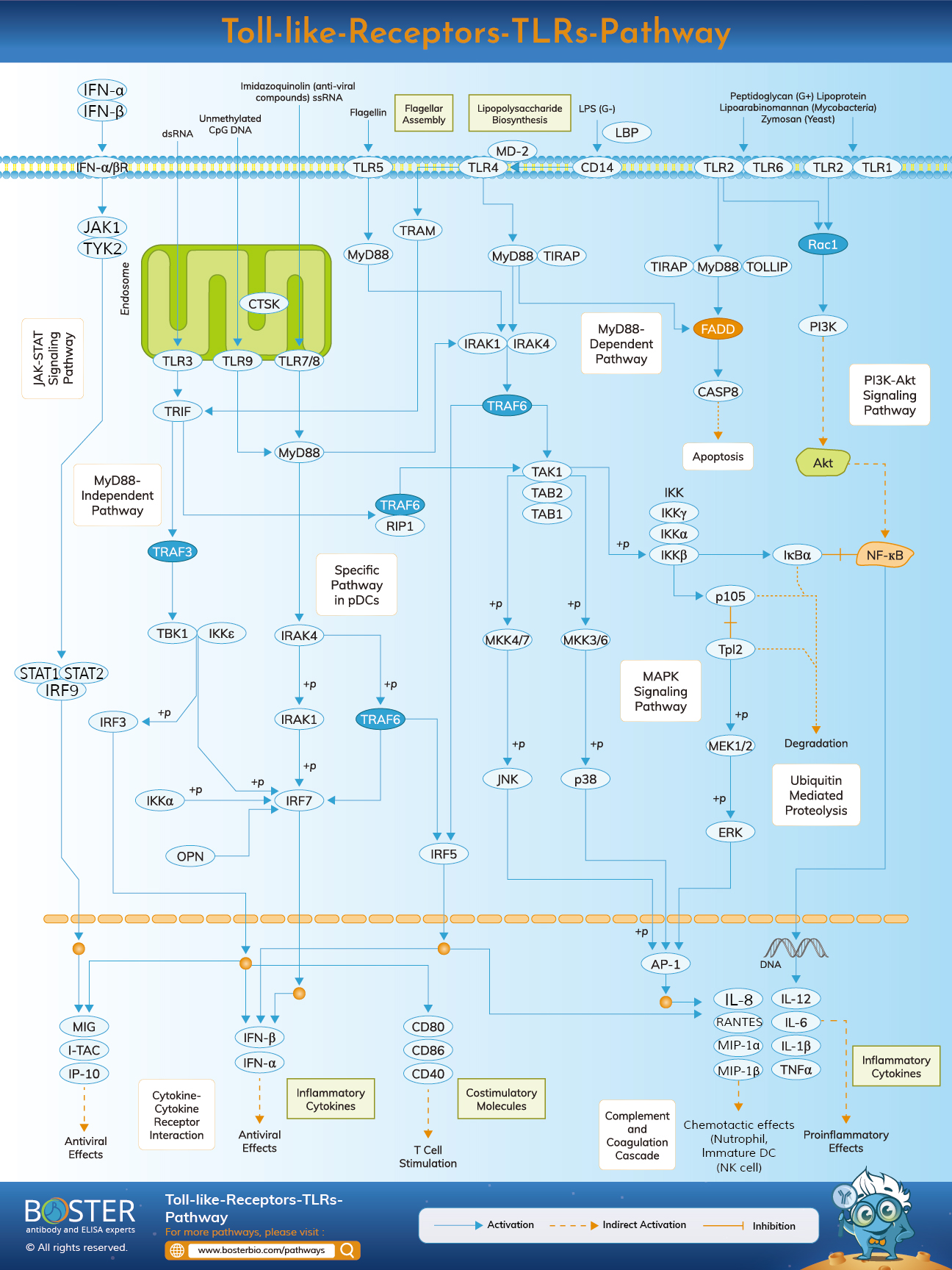
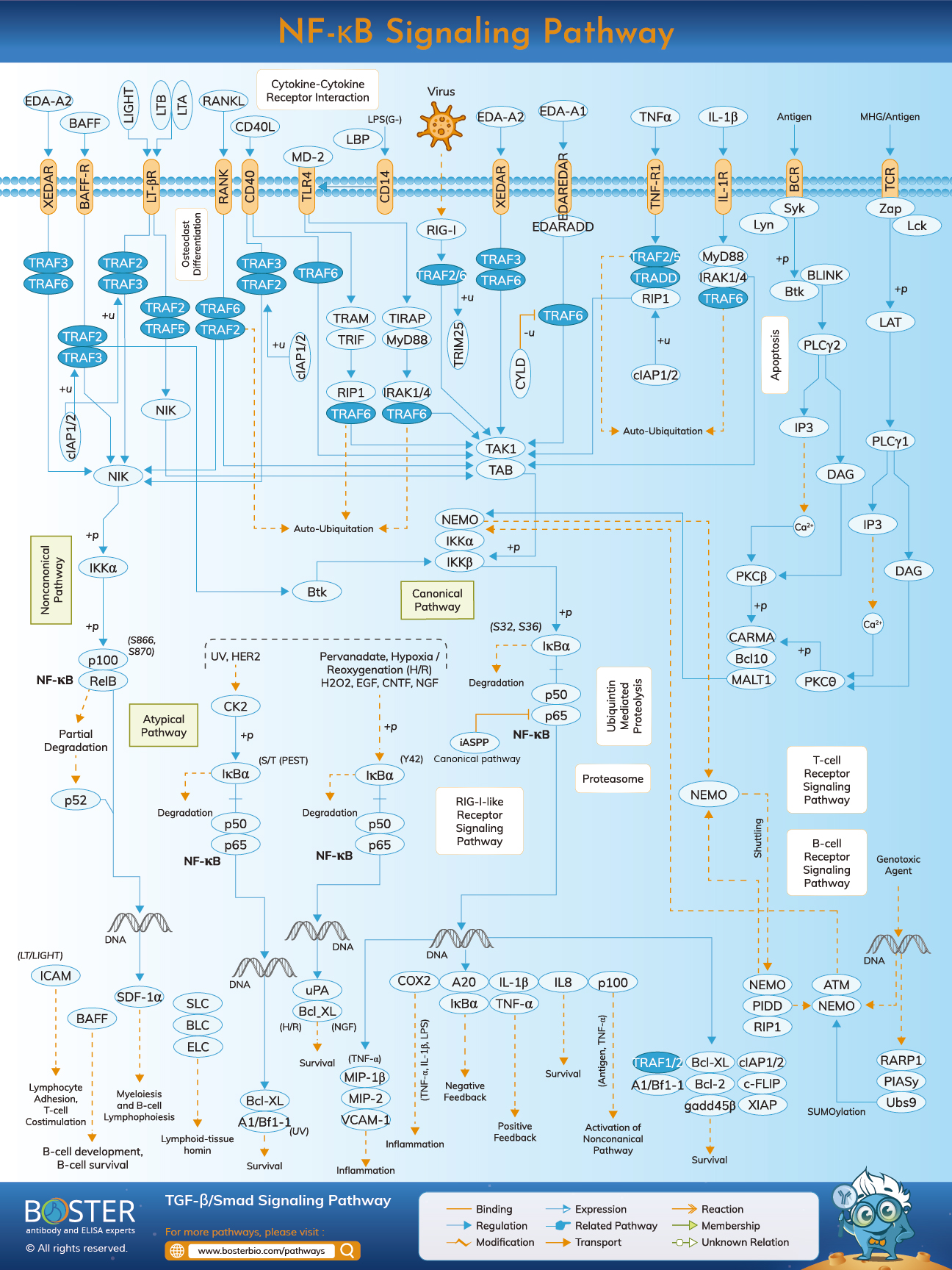
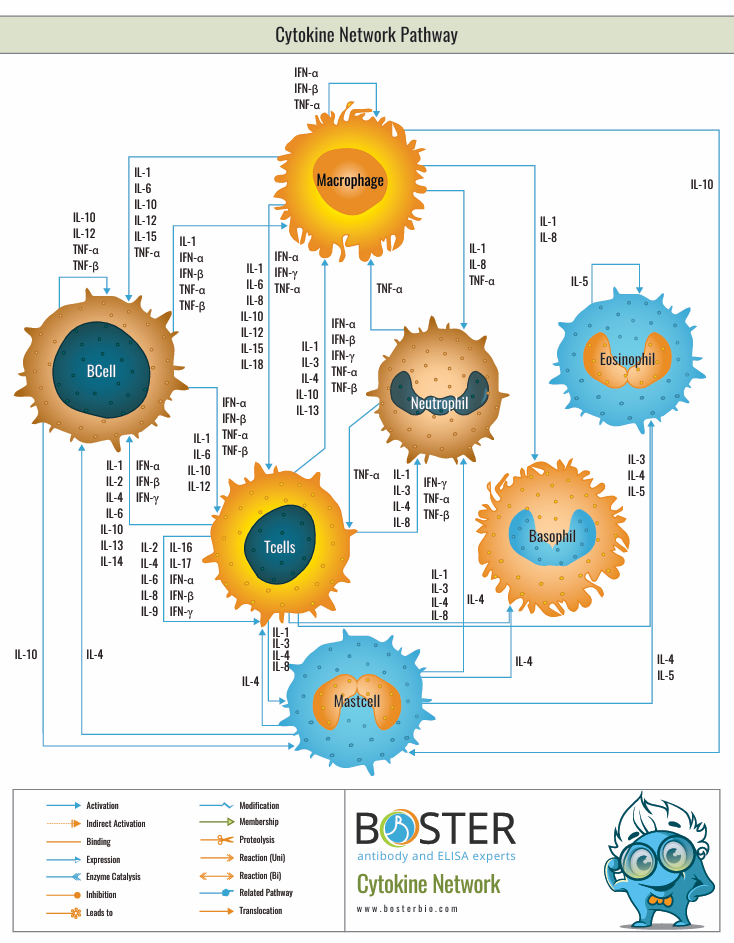
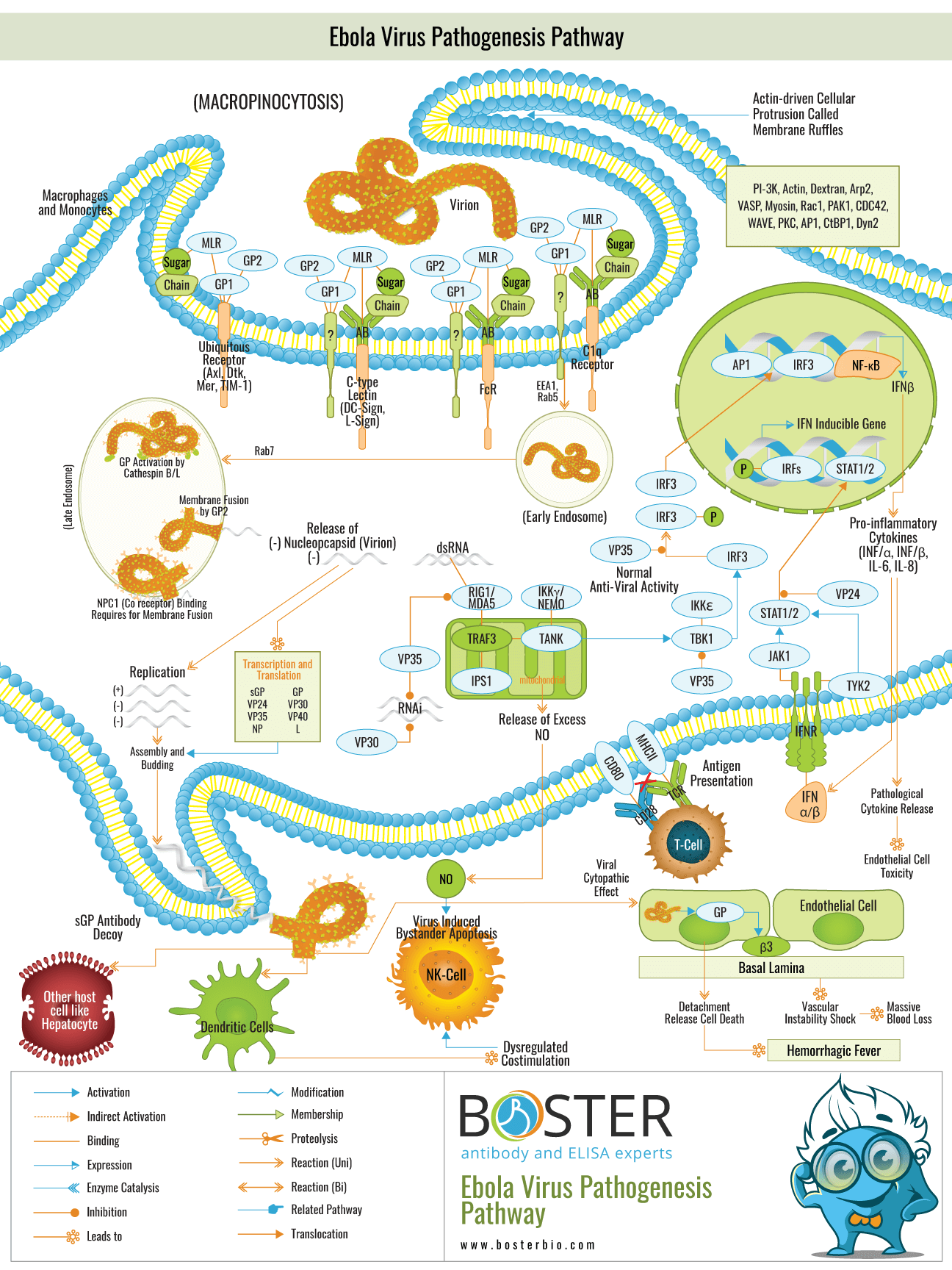
Infectious disease studies often extend beyond single biomarkers into broader host-response networks such as innate immune sensing, inflammatory signaling, cytokine communication, and pathogen-associated tissue injury. The pathway maps below provide full visual references for key host-defense and infection-response mechanisms.
Pathways relevant to pathogen recognition, host defense activation, and early immune response programs.
Useful for studying infection-associated inflammation, cytokine communication, and pathogen-linked tissue damage.
Infectious disease research often returns to a few recurring biological themes: how pathogens engage host cells, how innate immune systems detect infection, and how inflammatory response shapes tissue-level outcomes. The mechanisms below represent major layers that connect biomarkers, pathways, and disease phenotypes across infectious disease studies.
One of the most important questions in infectious disease research is how pathogens engage host cells and establish productive interaction. In some settings, this involves defined host receptors or co-receptors, such as CD4, CCR5, CXCR4, or ACE2, which influence susceptibility, tissue tropism, and infection severity. Studying receptor expression and localization helps researchers identify vulnerable cell populations and better understand the earliest steps of host-pathogen interaction.
Once infection-associated molecular signals are detected, innate immune receptors such as RIG-I, MDA5, and TLR3 help activate host defense pathways. These sensing mechanisms drive interferon production, NF-κB activation, cytokine signaling, and broader inflammatory programs. This layer is central to understanding why some infections are effectively contained while others progress to severe inflammation or dysregulated immune response.
Infection outcome is shaped not only by pathogen burden but also by how strongly the host responds. Cytokines such as IL-6, TNF, and chemokine networks can amplify immune recruitment, tissue stress, and downstream injury. These response programs are important for studying disease severity, airway inflammation, tissue remodeling, and broader host-pathogen dynamics in both acute and chronic infectious disease models.