This website uses cookies to ensure you get the best experience on our website.


- Table of Contents
and ELISA kits, proteins related to Immunology.
Immunology is the branch of biomedical science that explains how the immune system protects the body from infection and maintains tissue homeostasis. At the heart of this field are antibodies—highly specific proteins that recognize and neutralize pathogens such as bacteria, viruses, and toxins. By studying the interactions between antibodies, antigens, and immune cells, researchers can map immune pathways, discover biomarkers, and design targeted interventions. This antibodies hub is designed to help you navigate immunology by disease area and cell type, and to select the right antibodies and assays for applications such as IHC/IF, flow cytometry, ELISA, and Western blot. By deepening our understanding of antibody behavior and immune system function, we enable better tools for vaccine development, immunotherapy, and diagnostics, ultimately improving outcomes in both emerging and chronic diseases.
PA1079

A00393-3
A00344-2
| Protein Name | Gene Name | Function |
|---|---|---|
| CD4 | CD4 | Helper T cell surface receptor involved in immune response |
| PD-1 | PDCD1 | Immune checkpoint protein that downregulates immune responses |
| CTLA-4 | CTLA4 | Immune checkpoint receptor that inhibits T cell activation |
| Interleukin-2 | IL2 | Cytokine promoting T cell proliferation and activation |
| TNF-alpha | TNF | Pro-inflammatory cytokine involved in systemic inflammation |
| Interferon-gamma | IFNG | Cytokine critical for innate and adaptive immunity against viral and intracellular bacteria |
| C-reactive protein | CRP | Acute-phase protein that increases during systemic inflammation |
| CD19 | CD19 | B cell surface marker important for B cell development and function |
| CD20 | MS4A1 | B cell surface antigen targeted in certain B cell malignancies |
| CD28 | CD28 | T cell co-stimulatory receptor essential for T cell activation and survival |
| HLA-DR | HLA-DRB1 | MHC class II cell surface receptor presenting antigens to T cells |
| FoxP3 | FOXP3 | Transcription factor critical for regulatory T cell development and function |
| CD25 | IL2RA | Alpha chain of the IL-2 receptor, important for T cell growth |
| CD14 | CD14 | Co-receptor for the detection of bacterial lipopolysaccharide |
| CD16 | FCGR3A | Fc receptor involved in antibody-dependent cellular cytotoxicity |
| CD56 | NCAM1 | Neural cell adhesion molecule, marker for natural killer cells |
Visualize how immune cells are organized within tissues and lesions. IHC and IF are ideal for tracking T cell infiltration, macrophage polarization, and lymphoid structures in situ, supporting studies of innate and adaptive immunity, inflammation, and immuno-oncology.
Explore IHC/IF assay guideQuantify key cytokines, chemokines, and growth factors involved in inflammation and immune regulation. Use immunology antibodies in ELISA or multiplex immunoassay formats to monitor dynamic immune signaling across different experimental conditions, cell types, and time points.
Explore ELISA assay guideProfile T cells, B cells, NK cells, myeloid cells, and tumor-infiltrating lymphocytes (TILs) at single-cell resolution. Design multi-color flow cytometry panels to track immune cell differentiation, activation, and exhaustion states for deep immune profiling.
Explore flow cytometry guideConfirm target expression and pathway activation in immune cells and tissues using Western blot. Pair high-specificity signaling antibodies with validated loading controls optimized for immune cell and tissue lysates.
Explore Western blot guideAutoimmune and systemic immune-mediated diseases arise when adaptive immunity loses tolerance to self antigens and drives chronic inflammation. Conditions such as rheumatoid arthritis, multiple sclerosis, systemic sclerosis, Sjögren’s syndrome, myasthenia gravis, Hashimoto’s thyroiditis and nephrotic syndrome involve T- and B-cell activation, antigen presentation, autoantibody production, and immune-mediated tissue injury. Grouping these indications together helps researchers quickly find antibodies for profiling lymphocyte subsets, antigen-presenting cells, cytokines, and effector molecules across autoimmune and systemic inflammatory models.
Many chronic inflammatory diseases emerge at barrier surfaces where innate and adaptive immunity interact with epithelial tissues, microbes, and environmental triggers. Crohn’s disease, ulcerative colitis, and celiac disease reflect dysregulated mucosal immunity in the gut, while psoriasis and atopic dermatitis reflect chronic immune activation in the skin barrier. Asthma also shares features of barrier dysfunction, leukocyte recruitment, and cytokine-driven inflammation. Grouping these indications together helps researchers explore how immune-cell infiltration, cytokine signaling, and tissue remodeling shape chronic inflammation across mucosal and epithelial disease settings.
Chronic inflammatory diseases of the lung and vasculature involve ongoing crosstalk between tissue barriers, endothelial activation, innate immunity, and adaptive immune responses. COPD, cystic fibrosis, pulmonary fibrosis, systemic vasculitis, cardiovascular disease, and heart disease all feature leukocyte recruitment, inflammatory mediator release, and tissue remodeling in the airway, interstitium, or vascular wall. This cluster highlights settings where immunology antibodies and immune marker panels are used to study pulmonary inflammation, vascular injury, and systemic inflammatory responses across common immunoassays.
Some chronic diseases sit at the interface of metabolism, systemic inflammation, and altered immune regulation, making them relevant to immunology even when they are not classic autoimmune disorders. Diabetes mellitus reflects disruption of immune tolerance and inflammatory signaling in some disease contexts. Fatty liver disease involves metabolic and inflammatory stress with participation from macrophages, lymphocytes, and cytokines. Fibromyalgia and AIDS are also linked to altered immune signaling through chronic inflammatory context or immune deficiency. Grouping these indications together provides additional entry points for studying immune dysregulation across metabolic and systemic disease settings.
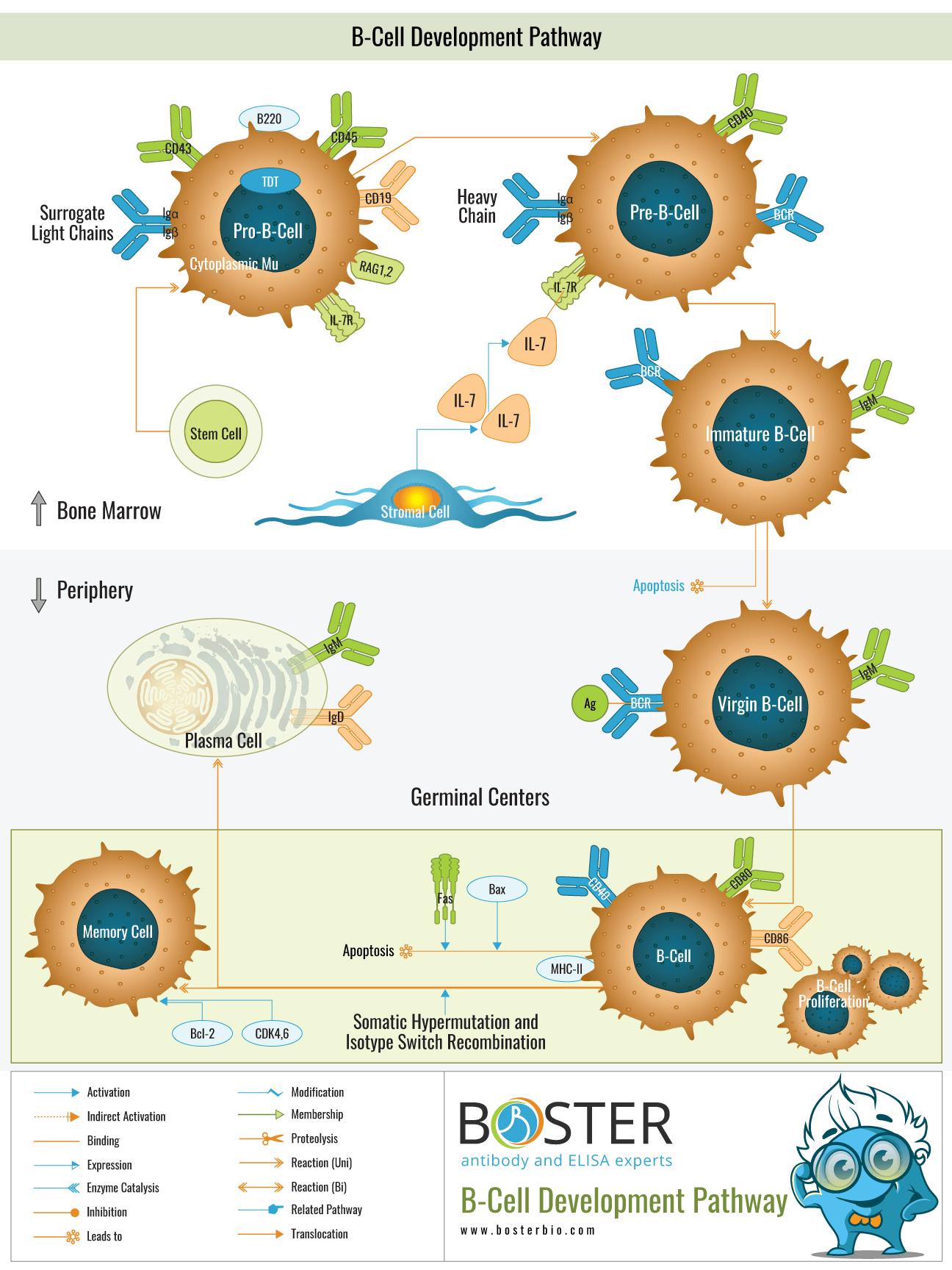
T cells, B cells and NK cells are central players in immunology research. T cells orchestrate adaptive immunity and provide cytotoxic effector functions; B cells generate antibody responses and contribute to antigen presentation; and NK cells provide rapid cytotoxic activity and cytokine production as part of innate immunity in early defense against infected or transformed cells. Grouping these lymphocyte subsets together helps you quickly find immune cell markers and immunology antibodies to define activation states, differentiation stages and effector functions across your immunology models.
Macrophages are key cells of the innate immunity arm, involved in pathogen clearance, antigen presentation and orchestration of inflammatory and tissue-remodeling responses. Platelets (thrombocytes) interact closely with immune cells and endothelial cells in hemostasis, thrombosis and immunothrombosis, and they release mediators that shape immune regulation and inflammation. Immunology antibodies against macrophage and platelet immune cell markers enable you to monitor innate activation, tissue infiltration and thrombo-inflammatory processes across basic research, translational immunology and disease models.
Immune responses are profoundly shaped by the local tissue microenvironment and its role in immune regulation. Epithelial and endothelial cells form physical and immunological barriers that control leukocyte trafficking and cytokine exposure. Fibroblasts contribute to stromal architecture, fibrosis and chronic inflammation, while glial cells, hepatocytes and adipocytes interact with innate and adaptive immune cells during neuroinflammation, liver disease and metabolic syndrome. Immunology antibodies targeting these cell-type immune cell marker panels support experiments that link immune cell behavior to barrier integrity, tissue remodeling and organ-specific pathology across diverse immunology models.
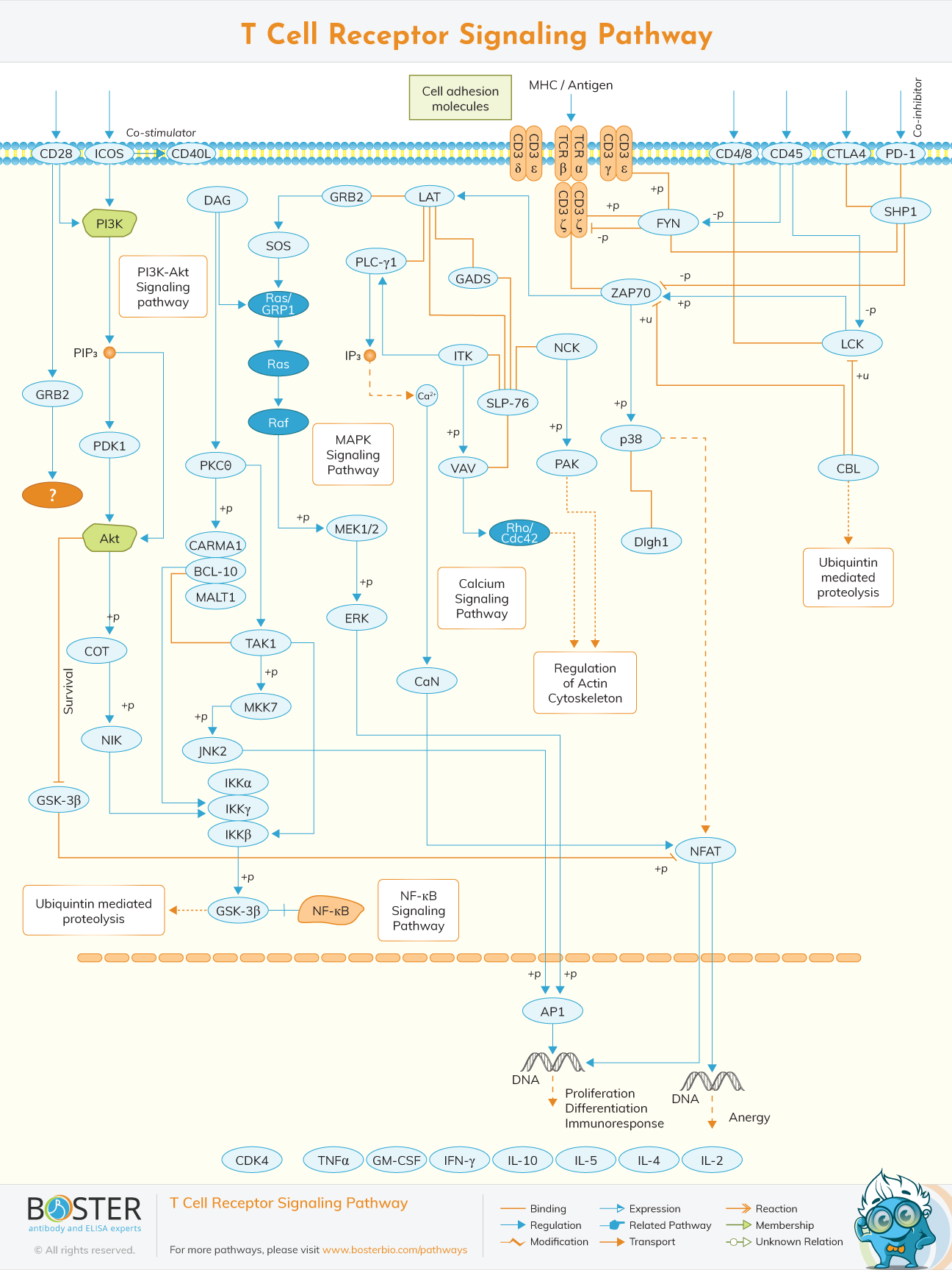
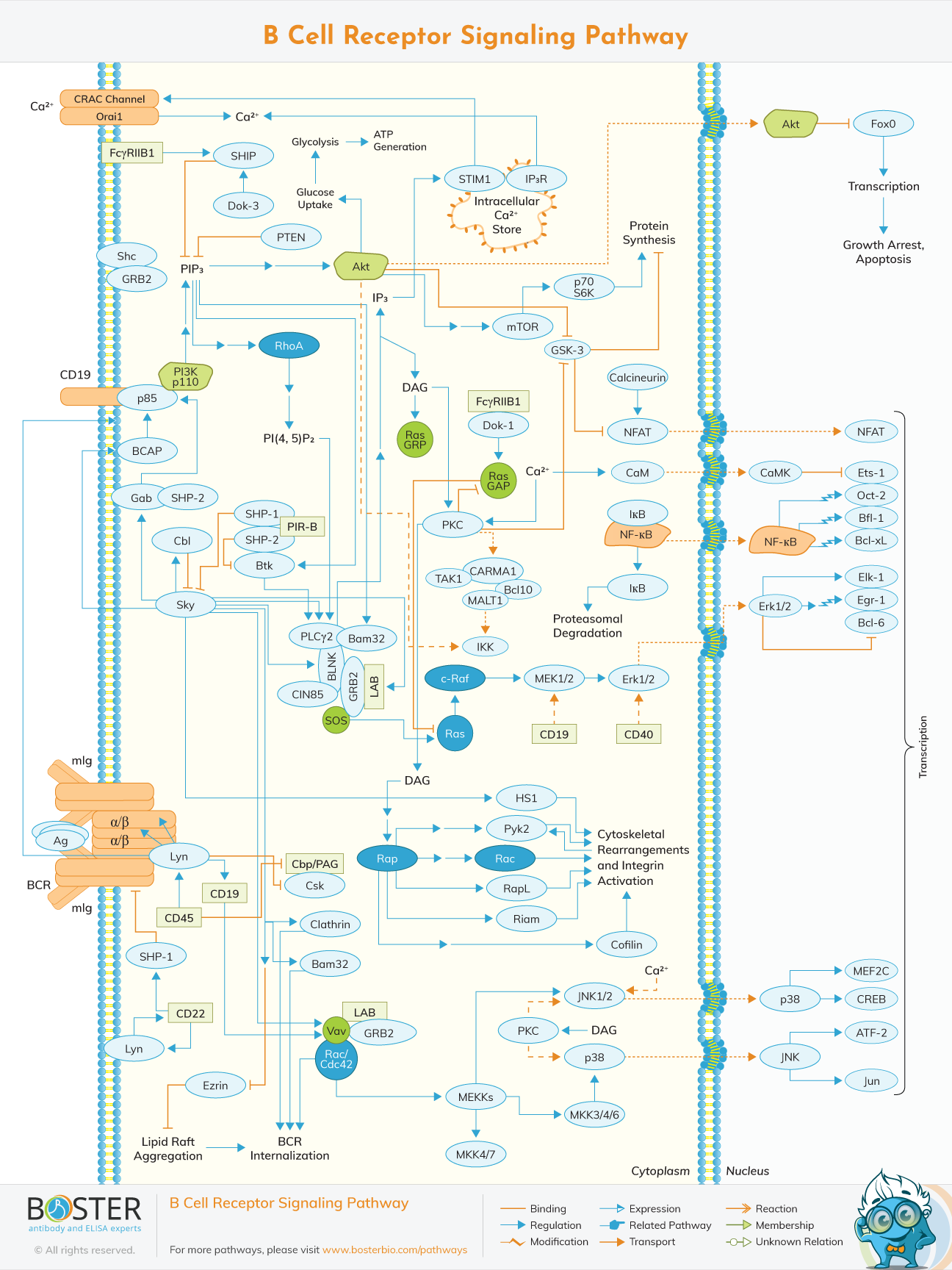
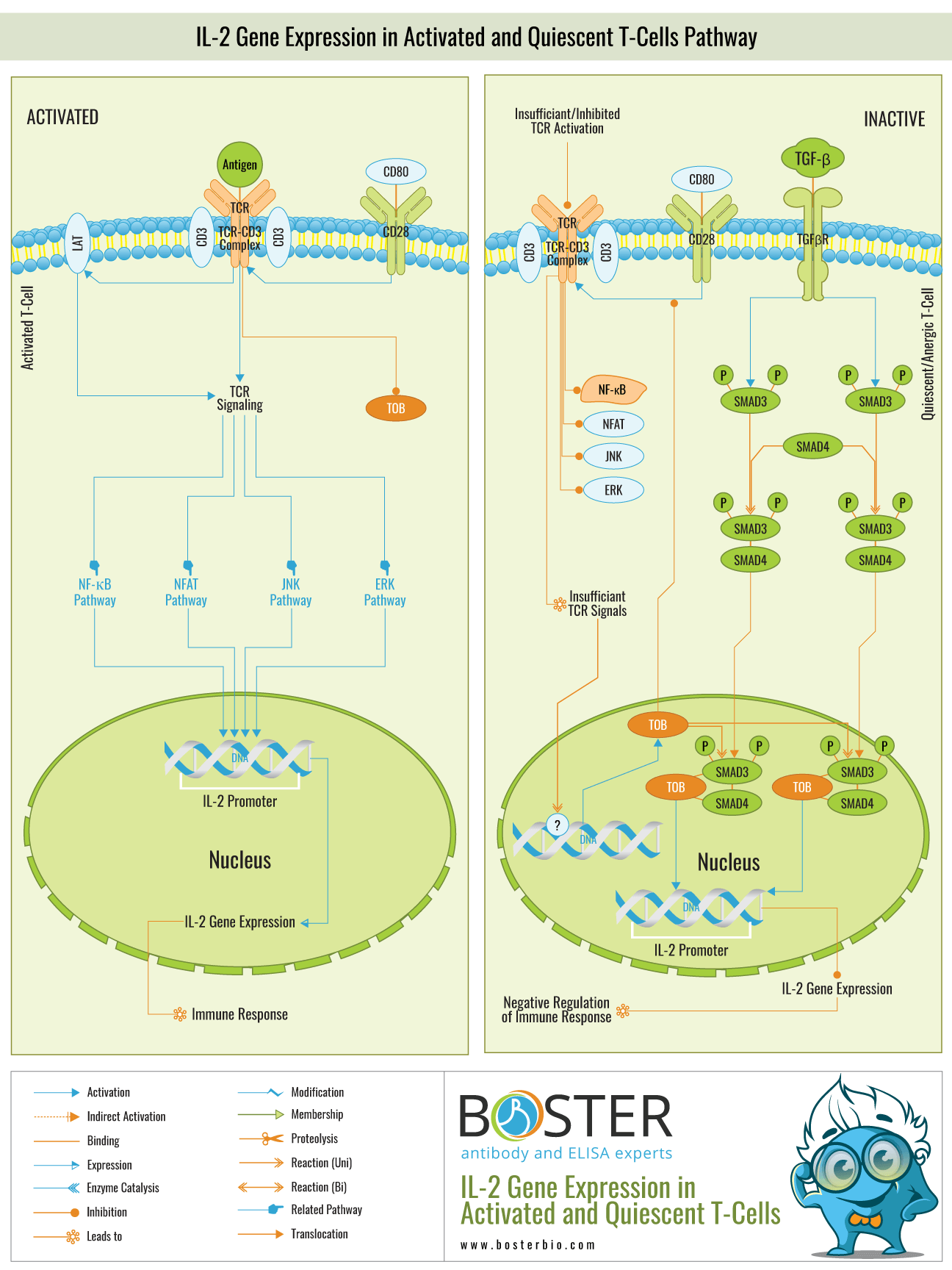
T and B cell receptor signaling, CTLA4 and immune checkpoint pathways, and IL-2 gene expression maps.
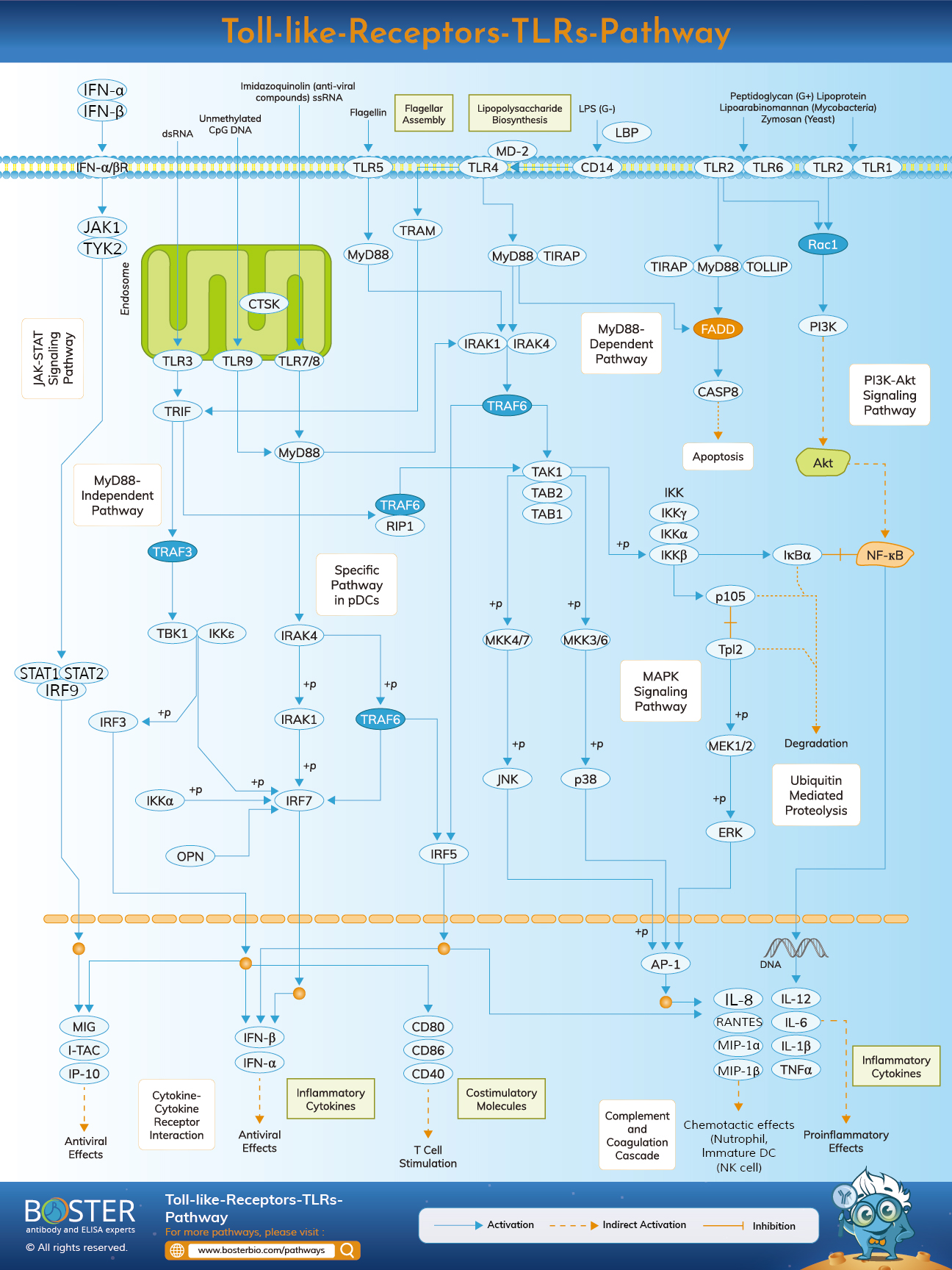
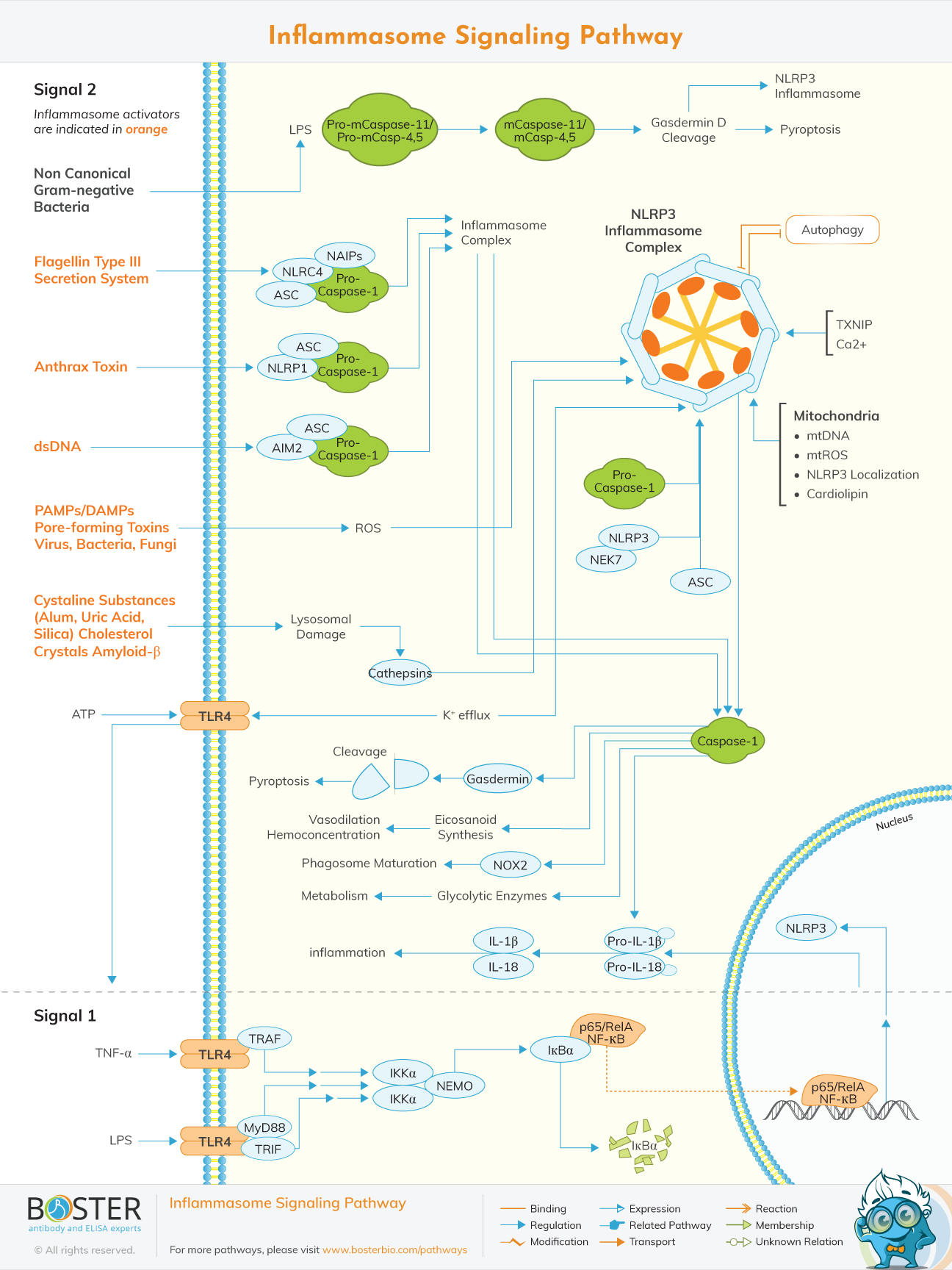
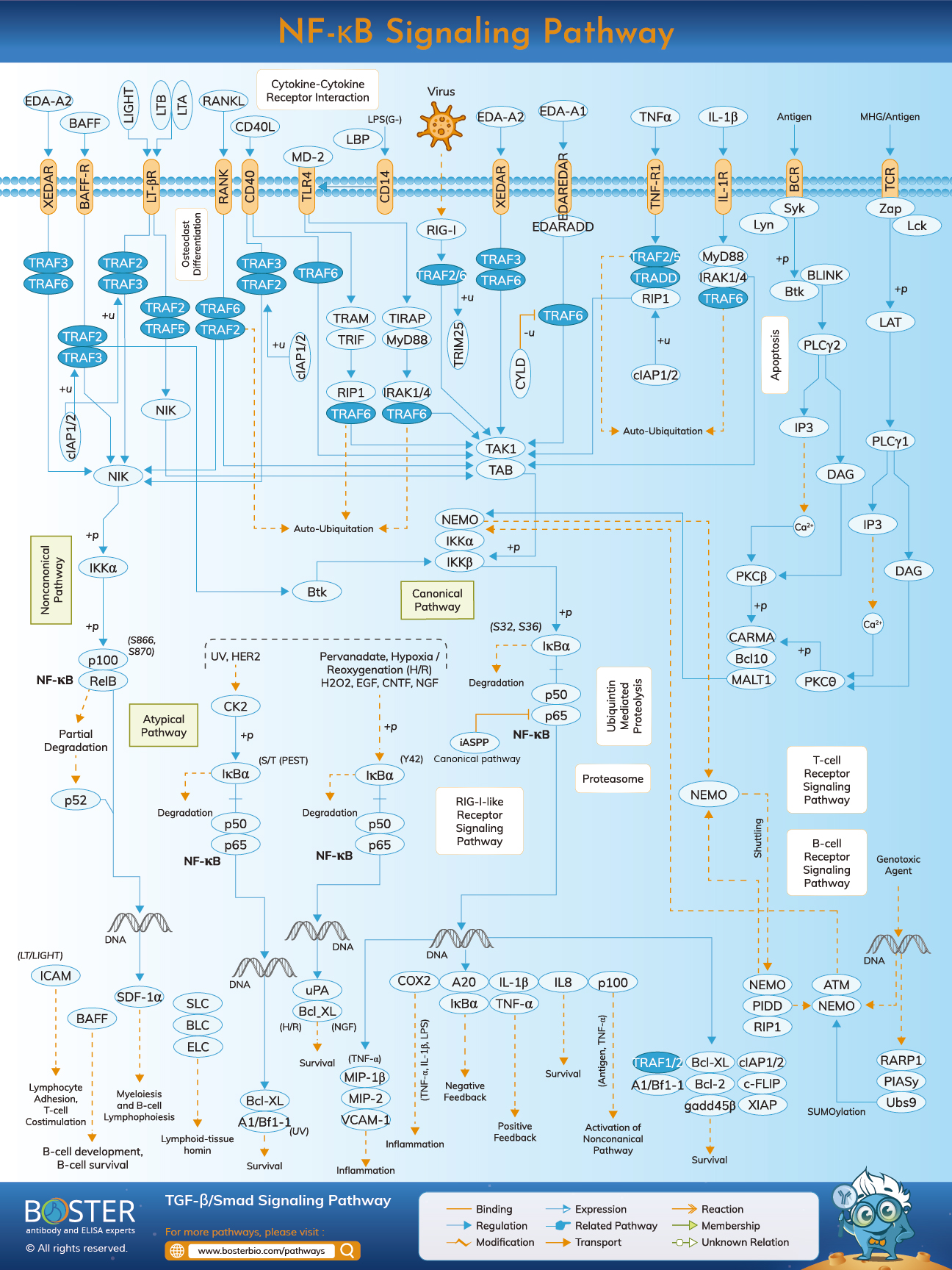
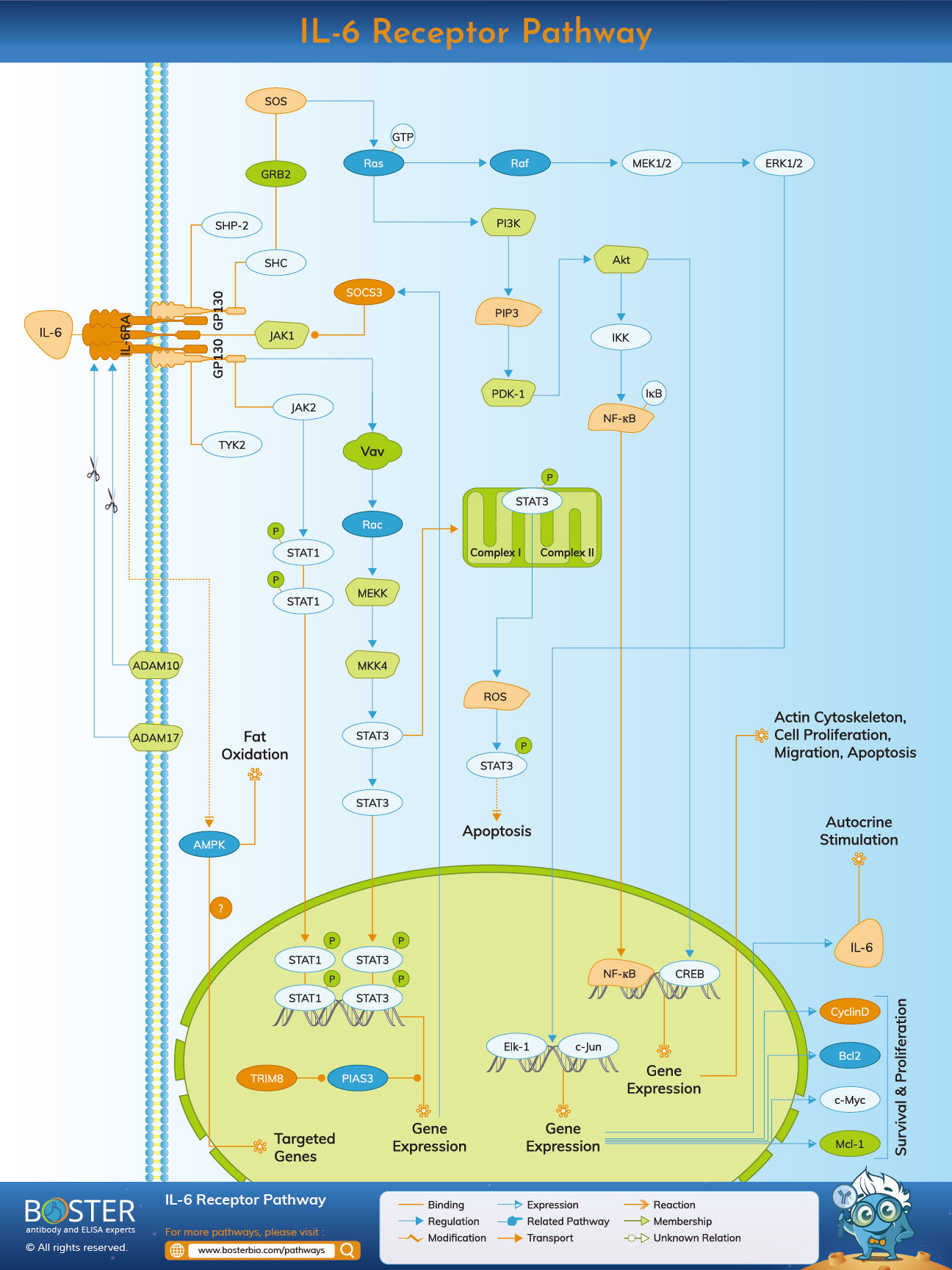
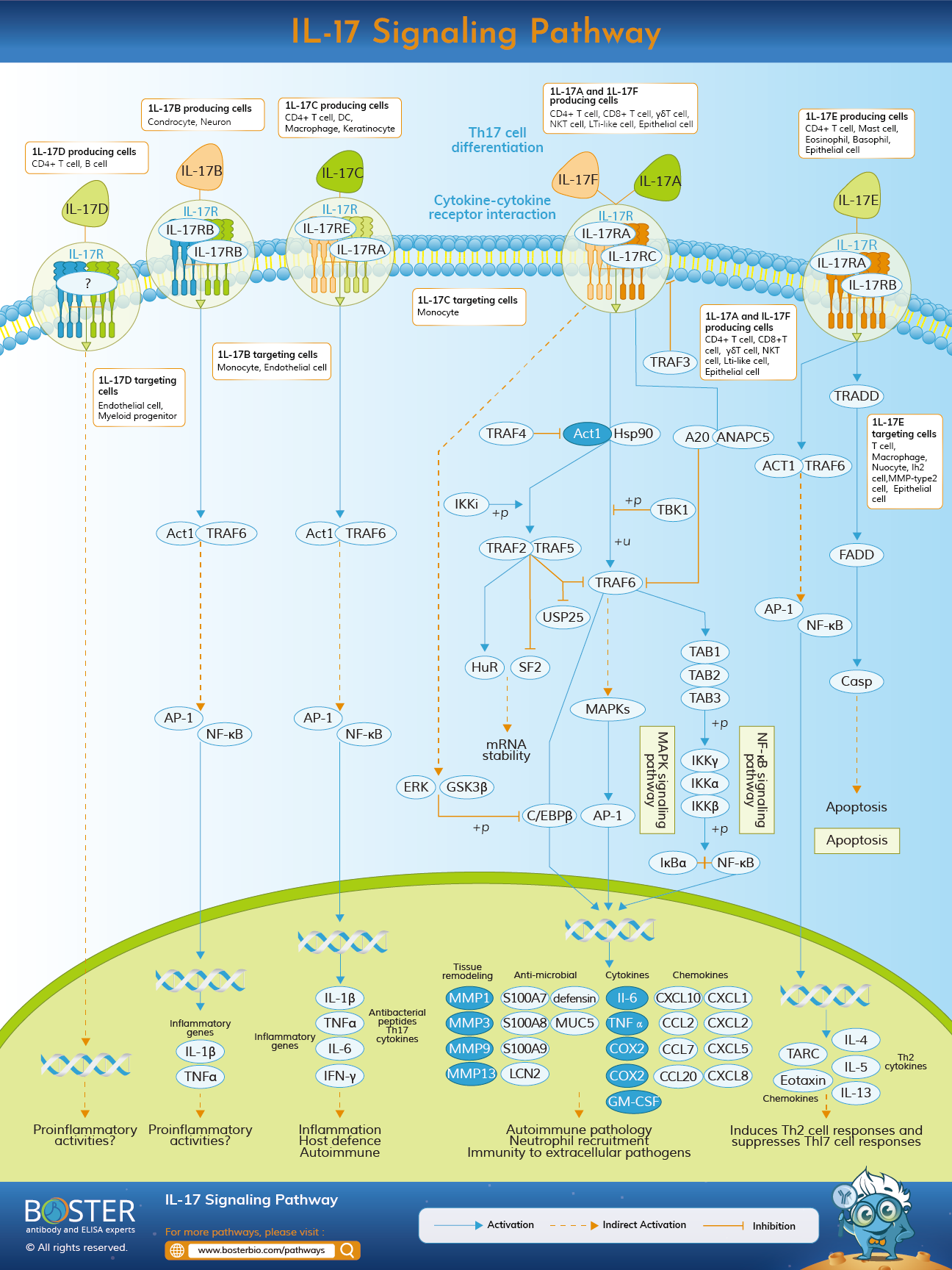
Toll-like receptors, inflammasomes, NF-κB and cytokine signaling pathways in early immune responses.
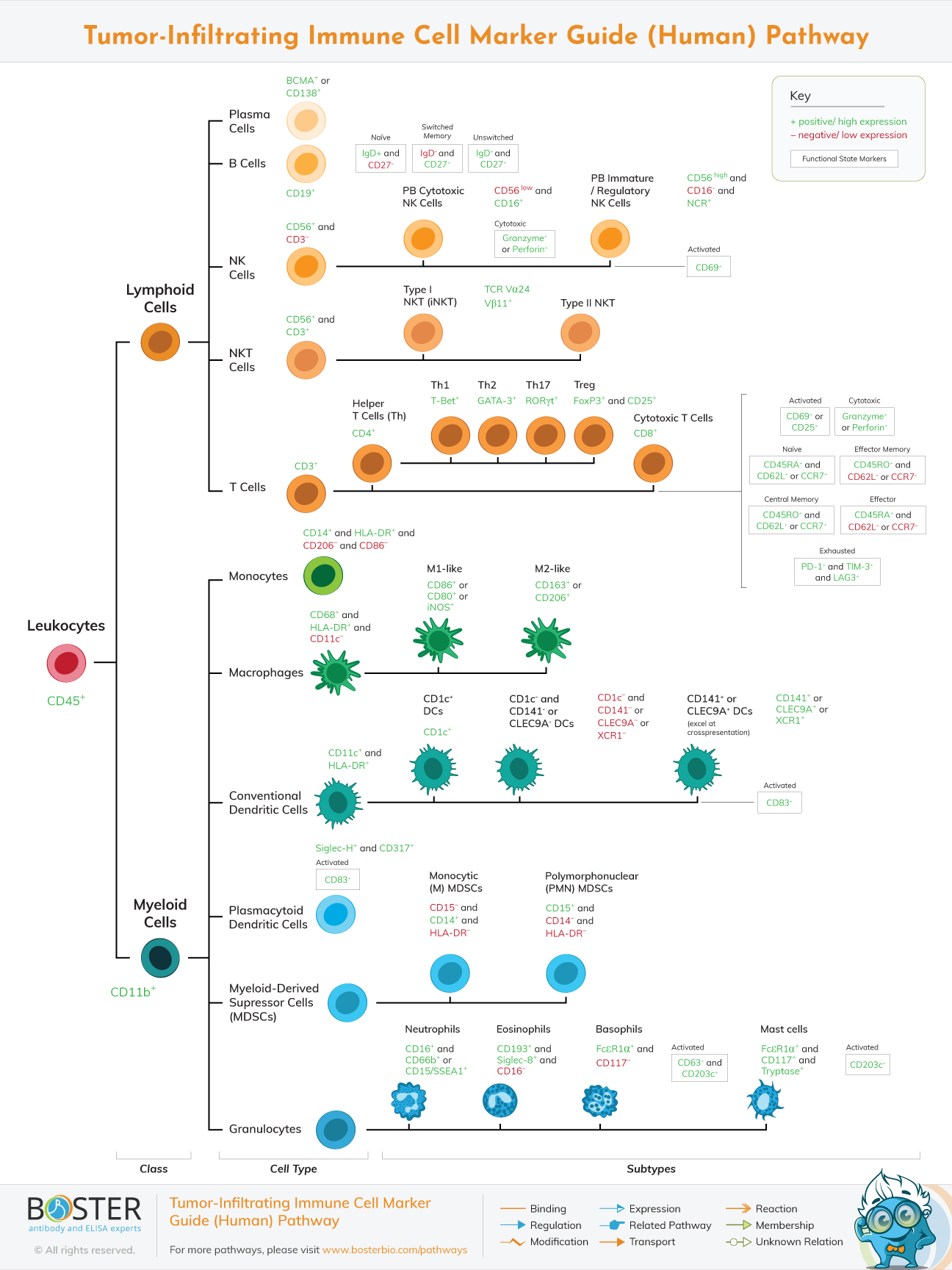
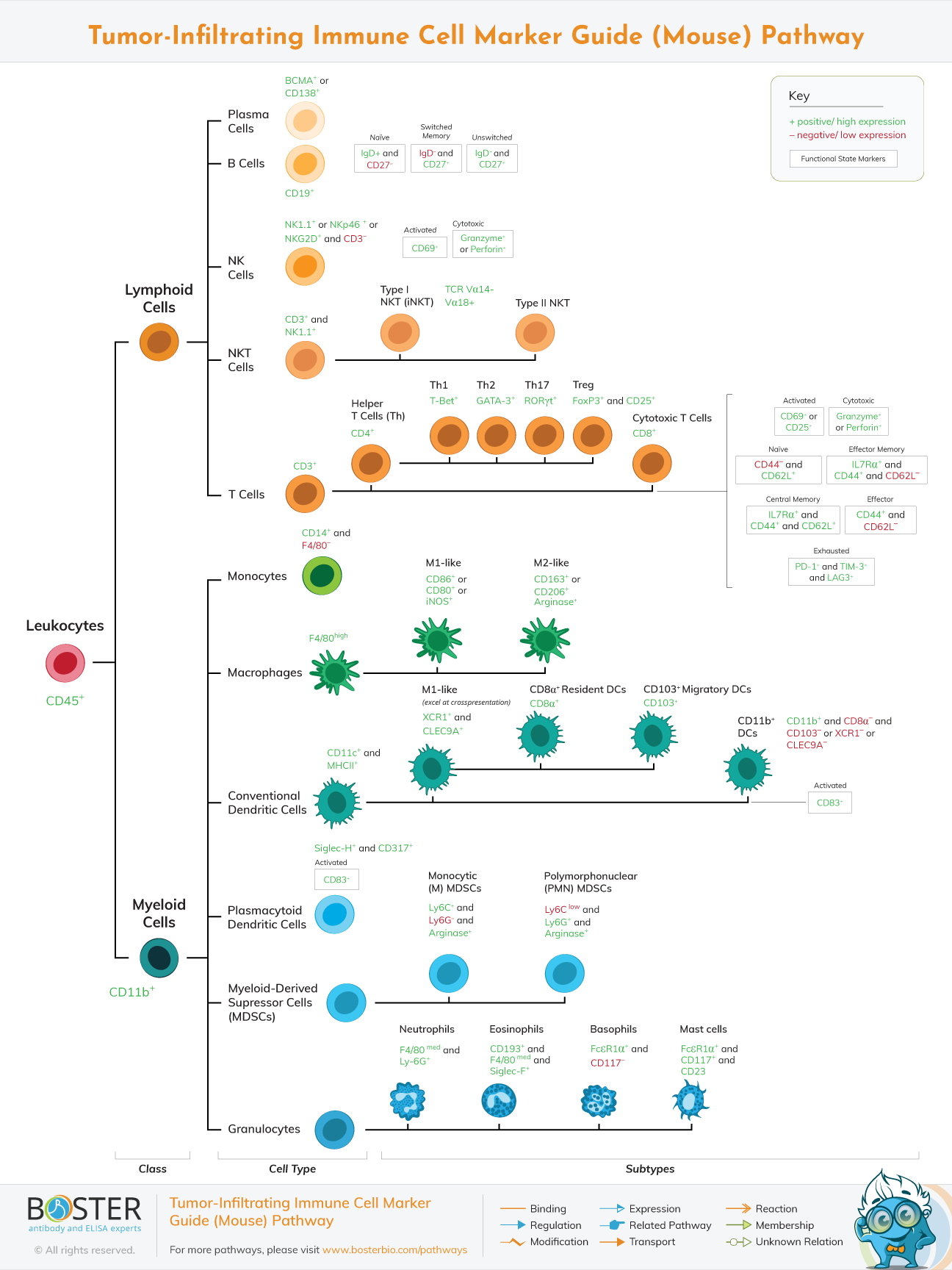
PD-1/PD-L1 in cancer and tumor-infiltrating immune cell marker guides for human and mouse models.
Adaptive immunity is a crucial subfield within immunology that focuses on the body's ability to recognize and remember specific pathogens. In contrast to innate immunity, which provides immediate but non-specific defense, adaptive immunity generates a highly tailored response to each unique threat. This area centers on lymphocytes, particularly B cells and T cells, which are pivotal in identifying and neutralizing foreign antigens. B cells are responsible for producing immunology antibodies that specifically bind pathogens and immune cell markers, flagging them for destruction or immune regulation, while T cells can directly kill infected or transformed cells and coordinate responses through cytokines and cell–cell interactions. Adaptive immunity also involves clonal selection and the formation of long-lived memory cells, ensuring faster and more efficient responses upon subsequent exposures to the same pathogen. Research on adaptive immunity underpins vaccine development, deepens understanding of autoimmune diseases, and drives advances in immuno-oncology and other antibody-based immunotherapies. Our immunology resources and antibody experts support assay design and selection of high-performance, validated antibodies for studying these pathways.
Innate immunity represents the body's first line of defense against invading pathogens and is characterized by its rapid, non-specific response. This subarea of immunology and innate immunity research focuses on the mechanisms and cells that provide immediate protection without prior exposure to an antigen. Key components include physical barriers such as the skin and mucous membranes, as well as innate immune cells like macrophages, neutrophils, dendritic cells, and natural killer (NK) cells. These cells recognize conserved molecular patterns on pathogens through pattern recognition receptors (PRRs), enabling efficient detection and clearance of a wide range of invaders. Innate immunity also involves the production of inflammatory mediators, cytokines, and activation of the complement system, which together drive pathogen elimination and early immune regulation. Understanding innate immunity is essential for interpreting how the immune system is activated and how it shapes subsequent adaptive immunity. In the lab, immunology antibodies against key innate immune cell markers, PRRs, cytokines and complement components support assays such as flow cytometry, IHC and ELISA to monitor inflammation, characterize infection models and vaccine responses, and inform the development of therapies for infectious and inflammatory diseases.