This website uses cookies to ensure you get the best experience on our website.


- Table of Contents
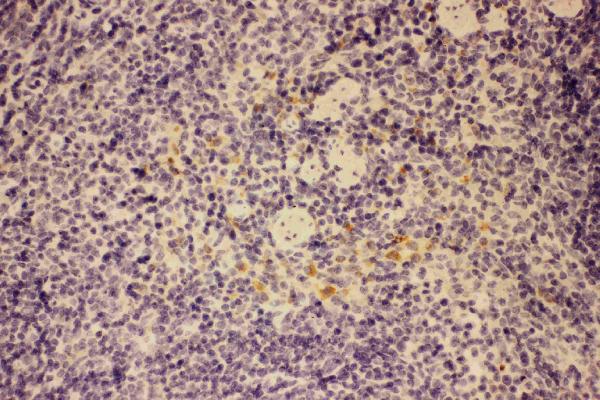
Optimizing antigen retrieval in immunohistochemistry (IHC) is critical for unmasking epitopes that become concealed during formalin fixation and paraffin embedding. This step enhances the binding efficiency of primary antibodies, leading to stronger and more specific staining. Proper optimization also minimizes background interference, improving overall clarity and signal-to-noise ratio.
Additionally, it ensures consistency and reproducibility across samples, which is essential for reliable diagnostic or research outcomes. Selecting the right retrieval method for each antigen helps avoid tissue damage and preserves morphological integrity, making it a key factor in successful IHC protocols.
If you are performing IHC experiments, you may need to optimize your antigen retrieval methods. Techniques generally fall into two main categories: protease-induced epitope retrieval (PIER) and heat-induced epitope retrieval (HIER). In general, HIER has a much higher success rate and is recommended over PIER methods.
Several variables can affect the outcome of HIER, including:
Each parameter may need adjustment depending on the antigen and antibody used.
Optimizing Heat-Induced Epitope Retrieval (HIER) requires careful adjustment. The IHC protocol must be optimized for each sample tissue, fixation method, and antigen, which is why many labs turn to a custom IHC service to ensure accuracy and reproducibility. HIER is especially time-, temperature-, buffer-, and pH-sensitive, and the best condition must be determined empirically. Here is a step-wise protocol that may be helpful:
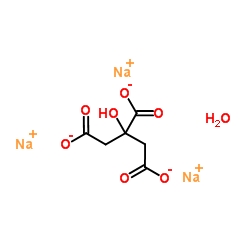
Begin with a neutral buffer such as PBS (pH 7.2–7.6). If signal intensity is weak or non-existent, test acidic buffers like sodium citrate (pH 6.0) or basic buffers like Tris-EDTA (pH 9.0).
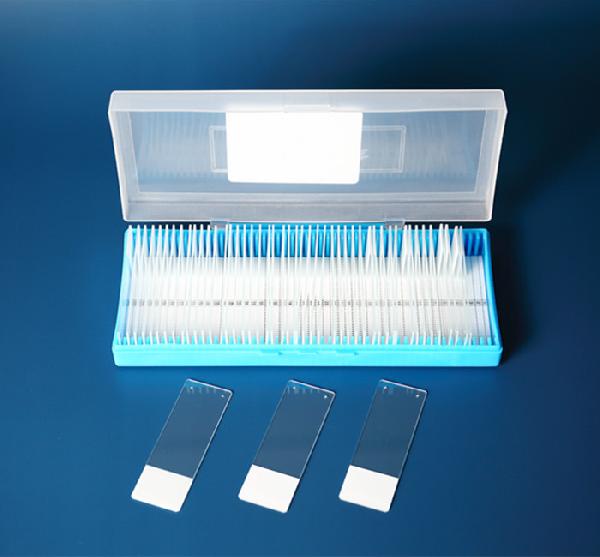
Create a matrix to test different combinations of buffer pH and incubation times. For example:
| Time | Antigen Retrieval Solution pH | ||
|---|---|---|---|
| pH 6.0 (Acidic) | pH 7.4 (Neutral) | pH 9.0 (Basic) | |
| 1 minute | Slide # 1 | Slide # 2 | Slide # 3 |
| 5 minutes | Slide # 4 | Slide # 5 | Slide # 6 |
| 15 minutes | Slide # 7 | Slide # 8 | Slide # 9 |
A similar testing method could be used to optimize the temperature. Common HIER temperatures range from 95°C to 100°C. Incubation typically lasts 15–20 minutes in preheated buffer, followed by a gradual cooldown at room temperature to prevent tissue damage and maintain consistent results.
Validation is essential to ensure reliable interpretation of IHC results. Always include a no-retrieval control to determine whether HIER introduces artefacts or non-specific staining. Use positive controls to confirm antigen detection and negative tissue controls to verify antibody specificity. These comparisons help distinguish true signal from background and confirm that the optimized conditions are effective.
For antibody promotions and available IHC reagents, check out Boster's featured items below! For more IHC technical resources, just click this button:
*Note to educators: You are permitted to share Boster Bio's resources and PDFs on your class websites and lab websites. Please make sure to cite or link to the origin.
More IHC Resources