This website uses cookies to ensure you get the best experience on our website.


- Table of Contents
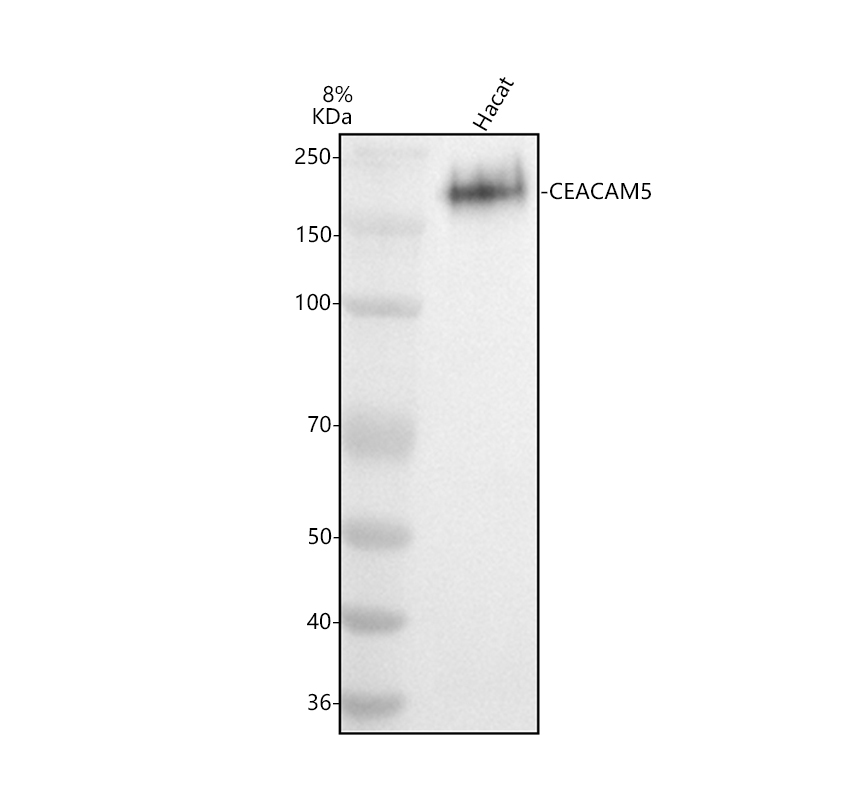
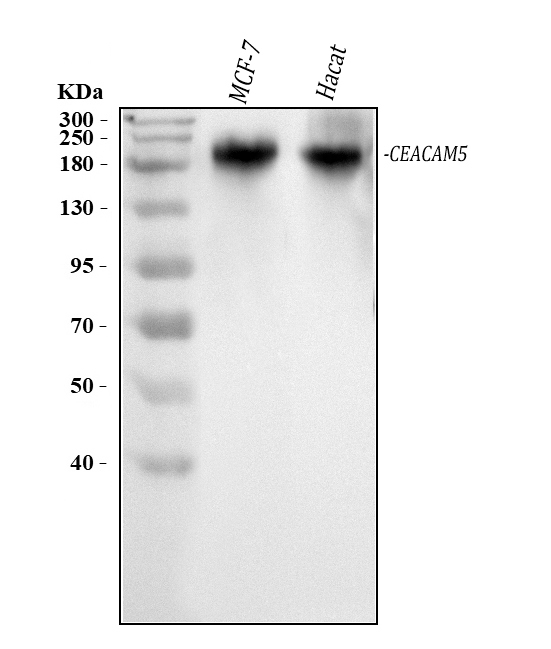
Designing a Western blot for CEACAM5? The guide has the expected band size, antibodies backed by real blot images, the controls to run alongside, and protocols taken from published papers.
Open the CEACAM5 Western Blot Guide
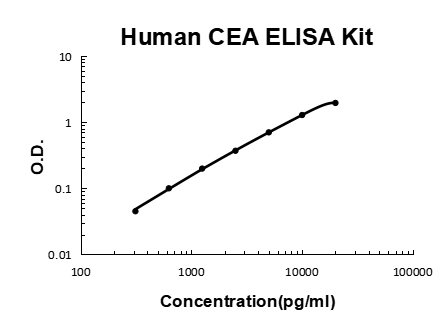
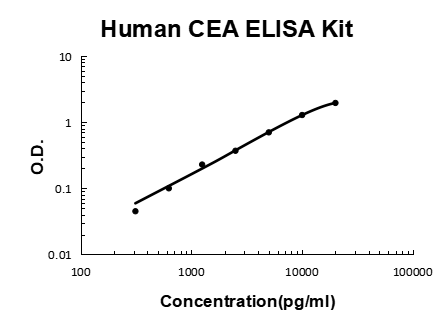
2 Citations
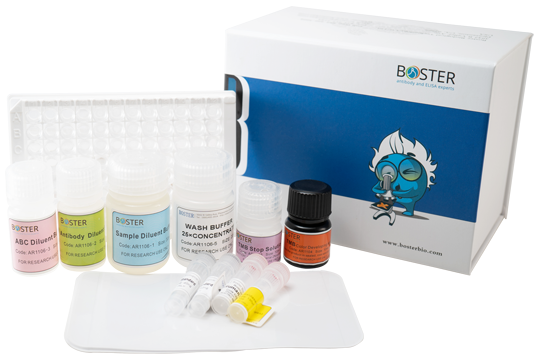

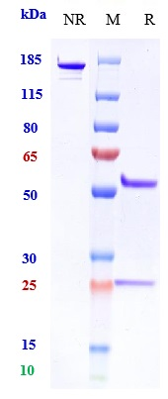
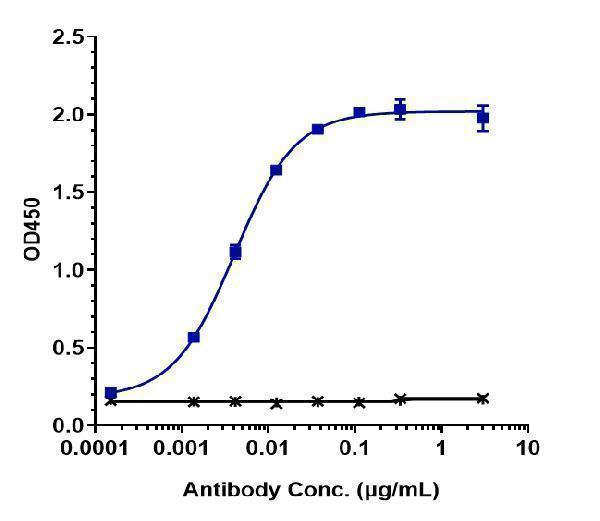
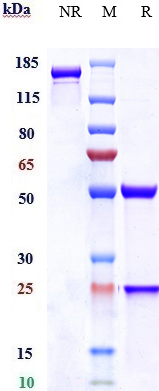
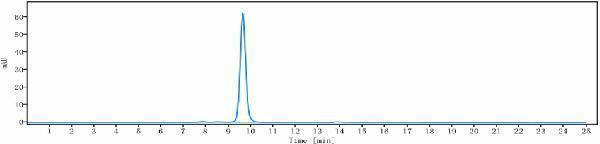
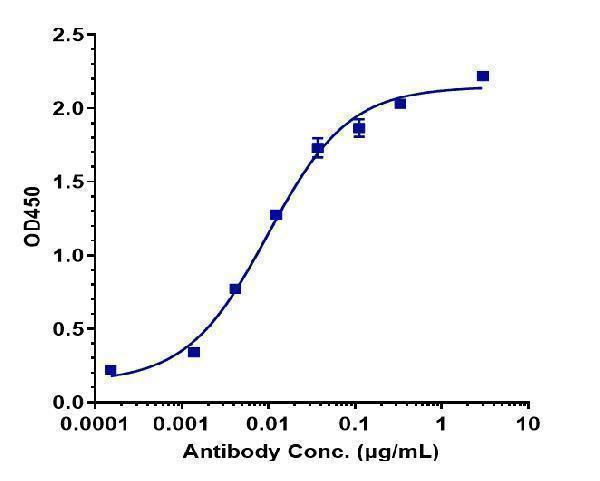
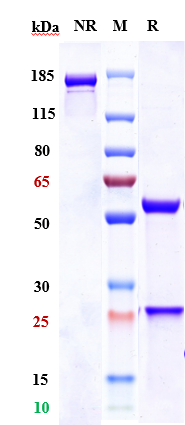
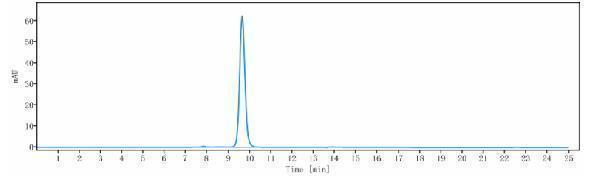
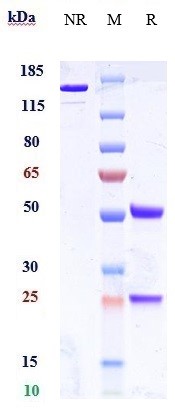
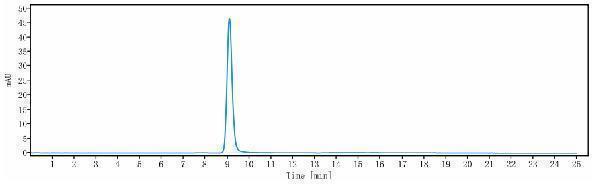
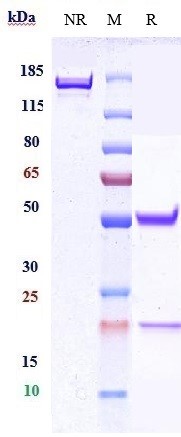
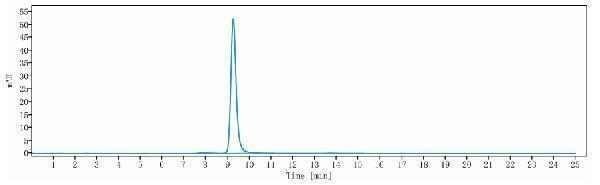
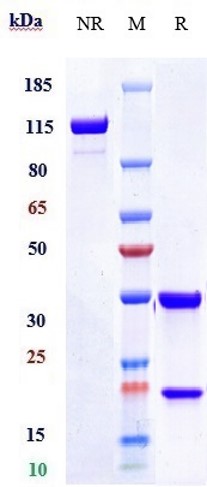
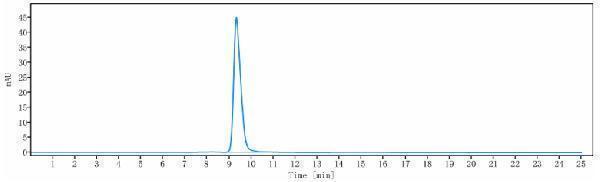

1 Citations

Facts about Carcinoembryonic antigen-related cell adhesion molecule 5.
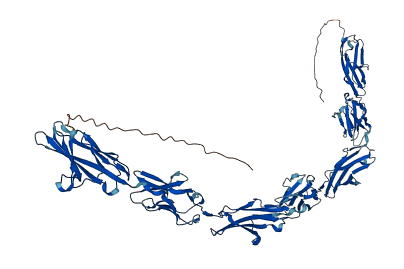
Plays a role as an oncogene by promoting tumor progression; induces resistance to anoikis of colorectal carcinoma cells (PubMed:10910050). .
| Human | |
|---|---|
| Gene Name: | CEACAM5 |
| Uniprot: | P06731 |
| Entrez: | 1048 |
| Belongs to: |
|---|
| immunoglobulin superfamily |

Carcinoembryonic antigen; carcinoembryonic antigen-related cell adhesion molecule 5; CD66e antigen; CD66e; CEA; CEACAM5; CEACAM-5; CEACD66e; DKFZp781M2392; Meconium antigen 100
Mass (kDA):
76.795 kDA

| Human | |
|---|---|
| Location: | 19q13.2 |
| Sequence: | 19; NC_000019.10 (41708626..41730433) |
Expressed in columnar epithelial and goblet cells of the colon (at protein level) (PubMed:10436421). Found in adenocarcinomas of endodermally derived digestive system epithelium and fetal colon.
Cell membrane; Lipid-anchor, GPI-anchor. Apical cell membrane. Cell surface. Localized to the apical glycocalyx surface.



PMID: 3670312 by Beauchemin N., et al. Isolation and characterization of full-length functional cDNA clones for human carcinoembryonic antigen.
PMID: 3220478 by Barnett T., et al. Carcinoembryonic antigen family: characterization of cDNAs coding for NCA and CEA and suggestion of nonrandom sequence variation in their conserved loop-domains.
*More publications can be found for each product on its corresponding product page