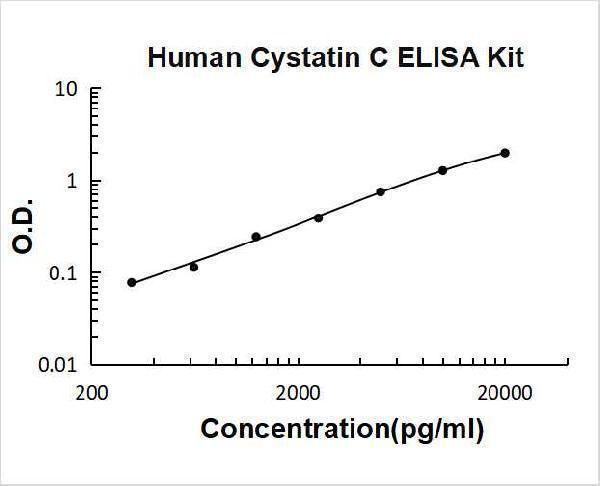
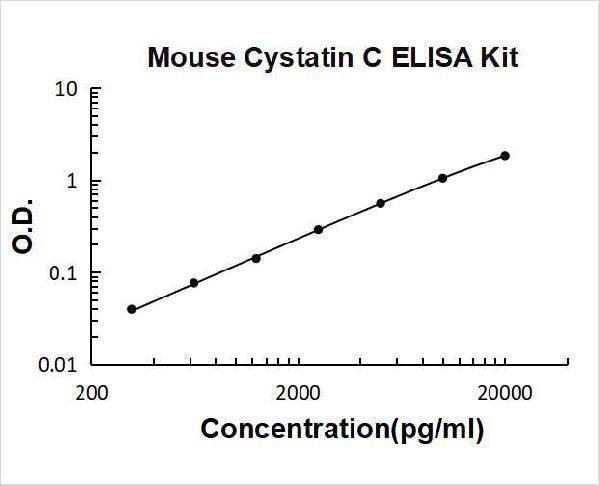
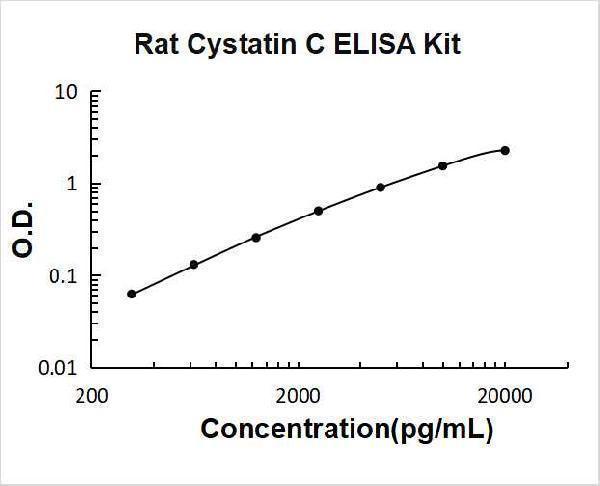
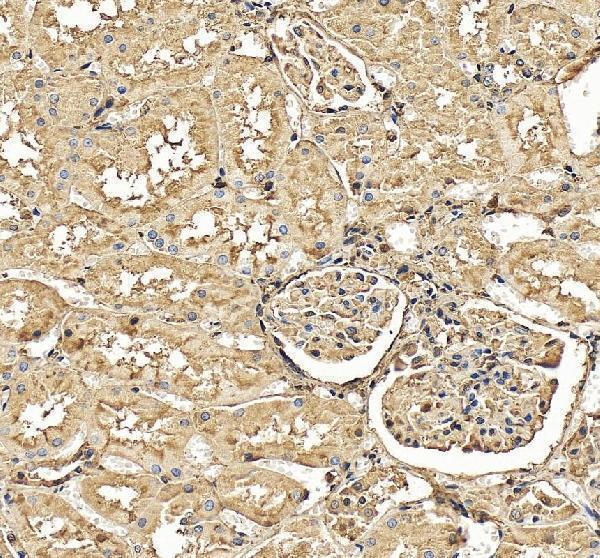
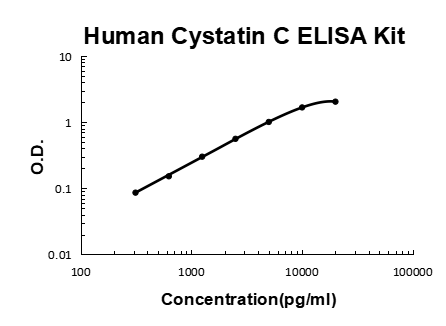
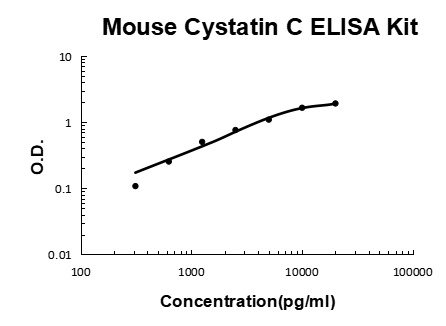
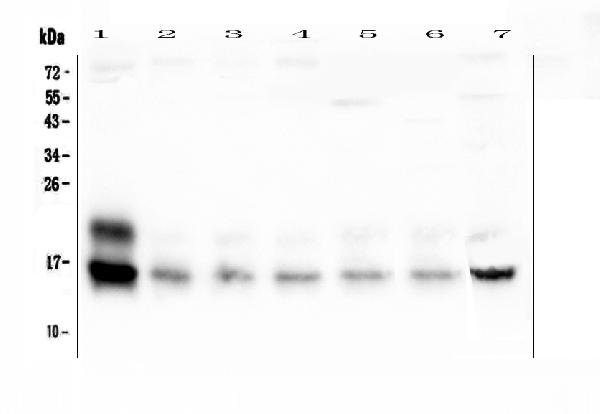
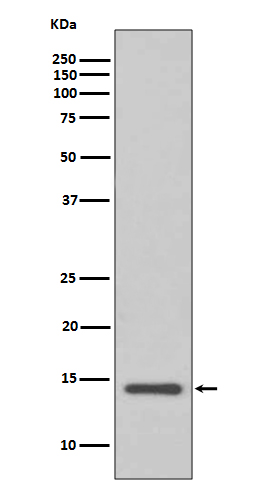
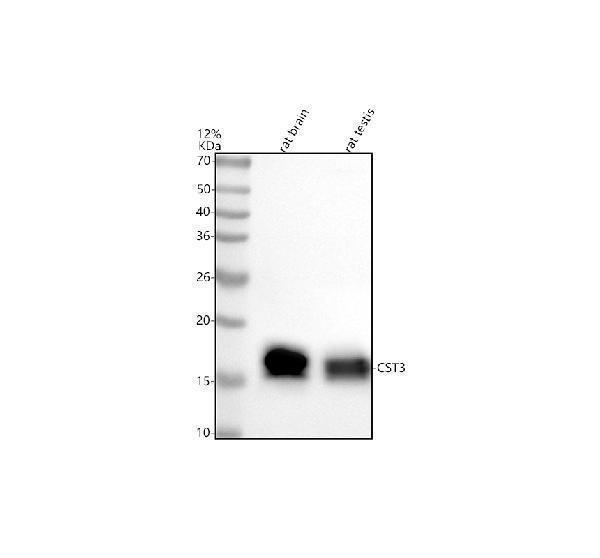
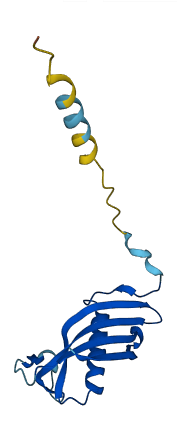
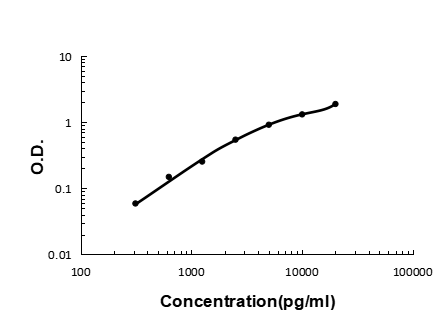
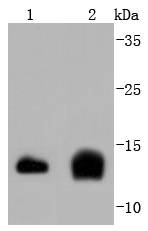
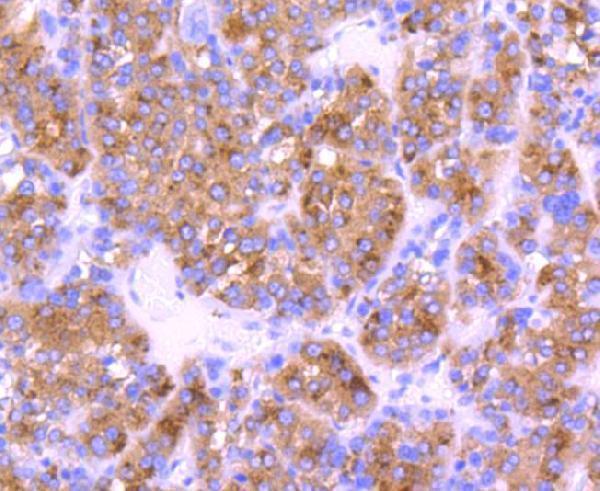
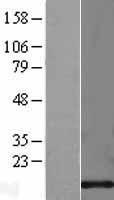
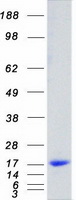
Many biological assays use antibodies to detect Cystatin-C, such as Western Blot (WB), ELISA, Flow Cytometry, Immunocytochemistry (IHC). These antibodies can be polyclonal or monoclonal, and react with Cystatin-C in Human, Mouse, Rat, and many other animal samples. Boster Bio use mainly mouse and rabbit to develop Cystatin-C antibodies...
We validate the specificity of these antibodies to Cystatin-C by testing them on tissues known to express CST3 positively and negatively. Browse below to find the CST3 antibody that suites your experiment. We have 65 of these antibodies and many publications and validation images.
If you cannot find antibodies that fit your needs, contact us for making custom antibodies. We have a full suite of custom antibody services covering from research to diagnostic and therapeutic applications.
Designing a Western blot for Cystatin-C?
The guide has the expected band size, antibodies backed by real blot images, the controls to run alongside, and protocols taken from published papers.
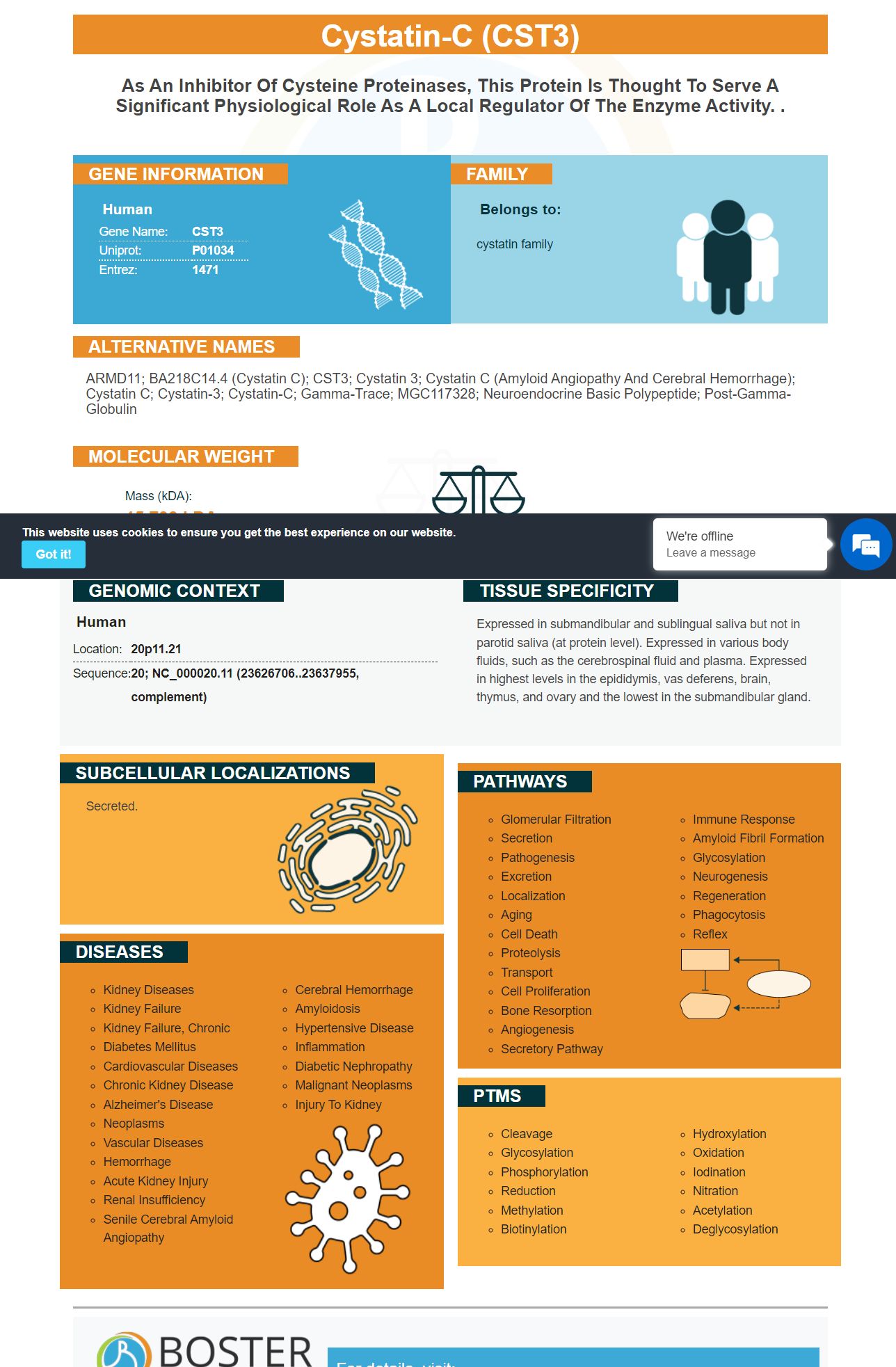
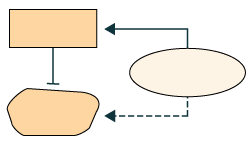
As an inhibitor of cysteine proteinases, this protein is thought to serve a significant physiological role as a local regulator of the enzyme activity. .
Expressed in submandibular and sublingual saliva but not in parotid saliva (at protein level). Expressed in various body fluids, such as the cerebrospinal fluid and plasma. Expressed in highest levels in the epididymis, vas deferens, brain, thymus, and ovary and the lowest in the submandibular gland.
Subcellular Localizations
Secreted.
Diseases
Kidney Diseases
Kidney Failure
Kidney Failure, Chronic
Diabetes Mellitus
Cardiovascular Diseases
Chronic Kidney Disease
Alzheimer's Disease
Neoplasms
Vascular Diseases
Hemorrhage
Acute Kidney Injury
Renal Insufficiency
Senile Cerebral Amyloid Angiopathy
Cerebral Hemorrhage
Amyloidosis
Hypertensive Disease
Inflammation
Diabetic Nephropathy
Malignant Neoplasms
Injury To Kidney
Pathways
Glomerular Filtration
Secretion
Pathogenesis
Excretion
Localization
Aging
Cell Death
Proteolysis
Transport
Cell Proliferation
Bone Resorption
Angiogenesis
Secretory Pathway
Immune Response
Amyloid Fibril Formation
Glycosylation
Neurogenesis
Regeneration
Phagocytosis
Reflex
PTMs
Cleavage
Glycosylation
Phosphorylation
Reduction
Methylation
Biotinylation
Hydroxylation
Oxidation
Iodination
Nitration
Acetylation
Deglycosylation
For details, visit: bosterbio.com/bosterbio-gene-info-cards/CST3
References
PMID: 3495457 by Abrahamson M., et al. Molecular cloning and sequence analysis of cDNA coding for the precursor of the human cysteine proteinase inhibitor cystatin C.
PMID: 2764935 by Saitoh E., et al. The human cystatin C gene (CST3) is a member of the cystatin gene family which is localized on chromosome 20.
19 Publications of Boster Cystatin-C Antibodies & ELISA Kits
PubMed ID: PMID:26221302, Comparison of biomarkers in rat renal ischemia-reperfusion injury
PubMed ID: 10.3390/pharmaceutics13111827, Safety and Efficacy of Combined Low-Dose Lithium and Low-Dose Aspirin: A Pharmac...
PubMed ID: 10.3389/fphar.2019.00159, Epoxyeicosatrienoic Acid-Based Therapy Attenuates the Progression of Postischemi...
PubMed ID: 10.1590/s1677-5538.ibju.2016.0075, The effect of tadalafil therapy on kidney damage caused by sepsis in a polymicro...
PubMed ID: 10.1371/journal.pone.0101026, Elevated Urinary Levels of Cystatin C and Neutrophil Gelatinase-Associated Lipoc...
PubMed ID: 10.1186/s13054-020-02887-6, The value of plasma pro-enkephalin and adrenomedullin for the prediction of seps...