This website uses cookies to ensure you get the best experience on our website.


- Table of Contents
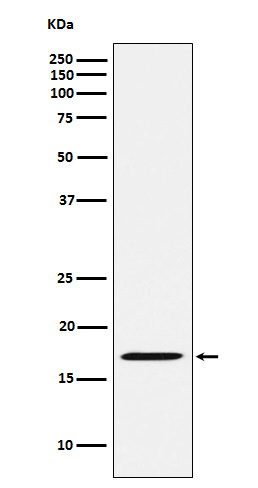
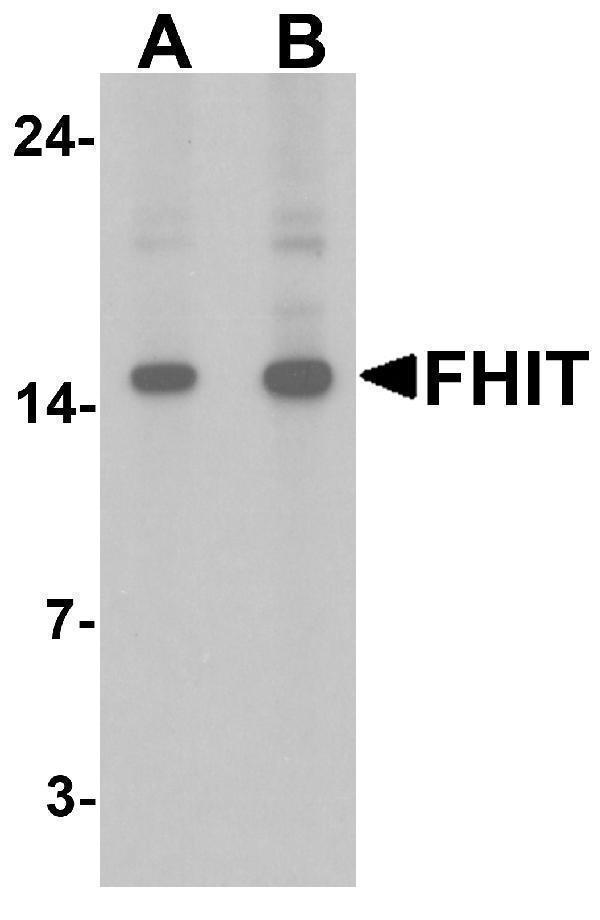
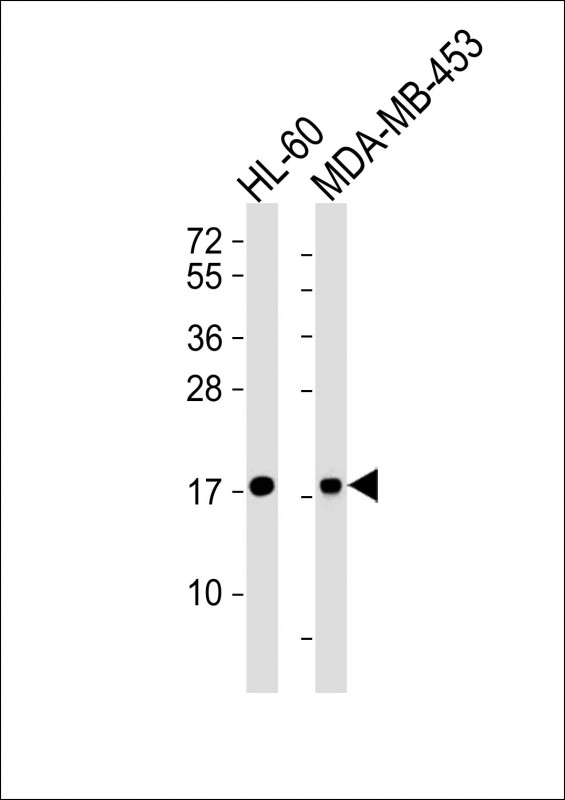
Designing a Western blot for FHIT? The guide has the expected band size, antibodies backed by real blot images, the controls to run alongside, and protocols taken from published papers.
Open the FHIT Western Blot GuideDesigning an IHC experiment for FHIT? The guide has the expected staining pattern, antigen retrieval and fixation, antibodies backed by real IHC images, the tissue controls to run alongside, and protocols taken from published papers.
Open the FHIT IHC Guide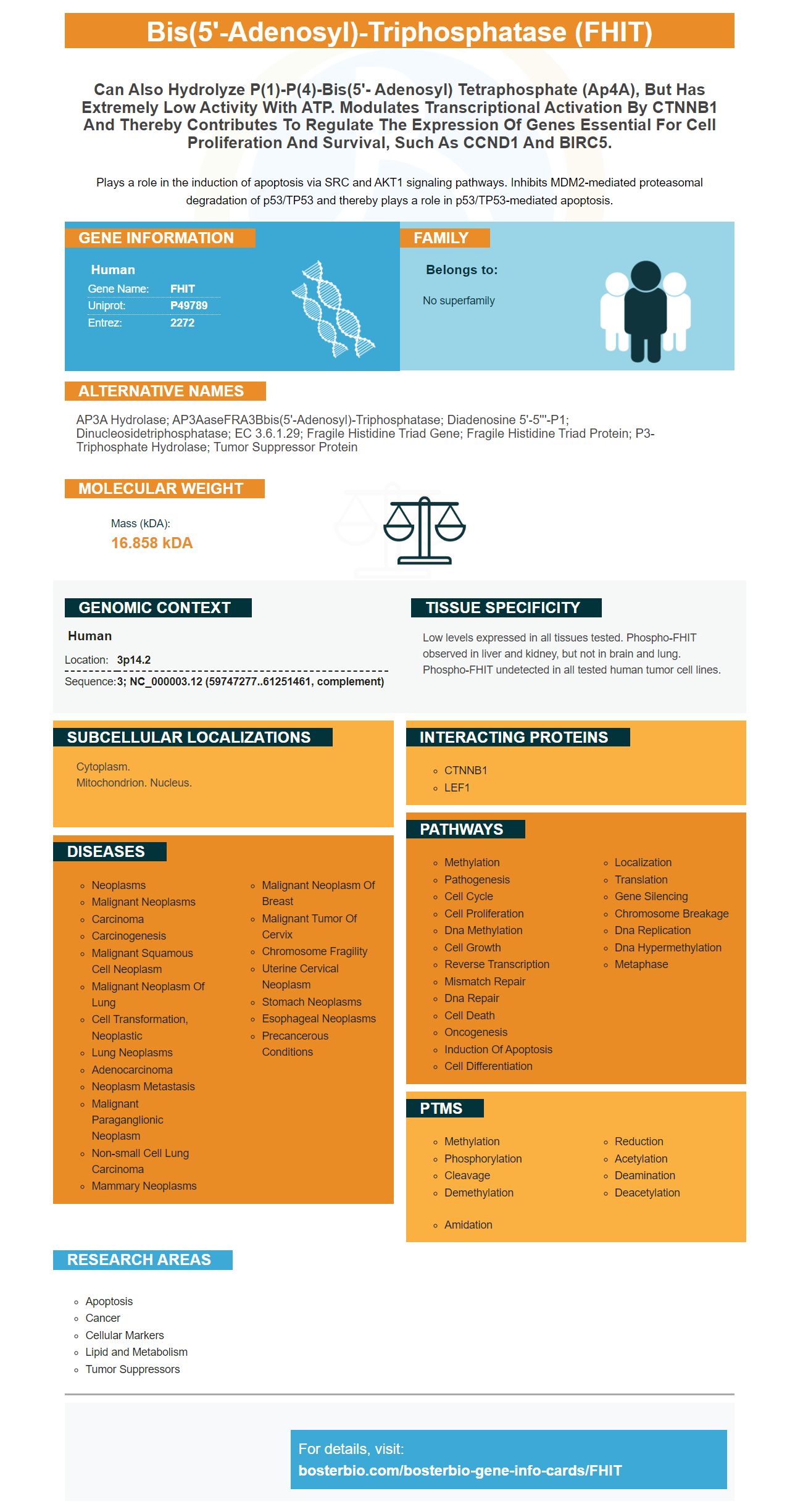
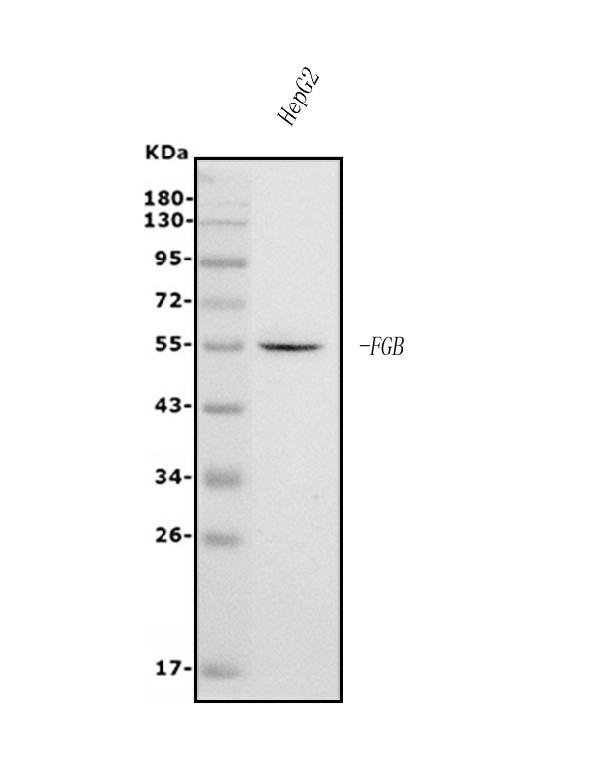
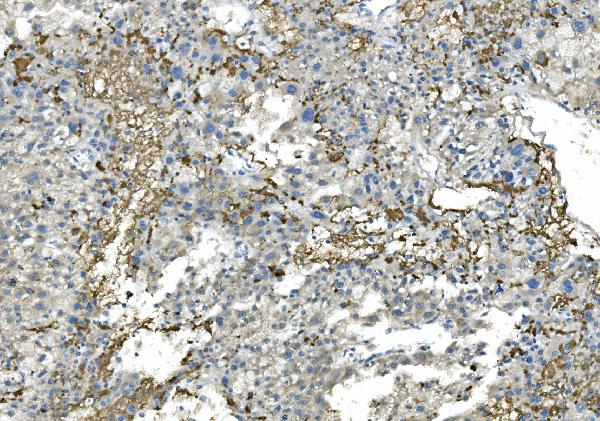
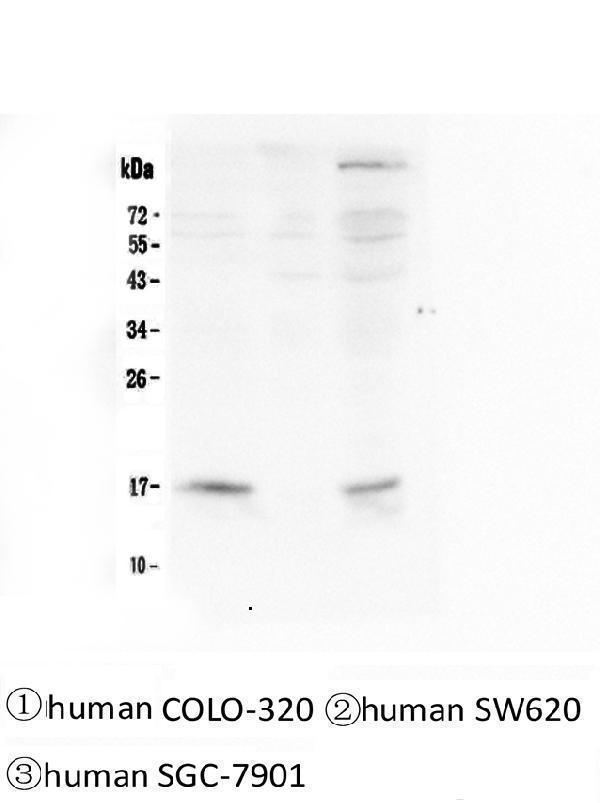
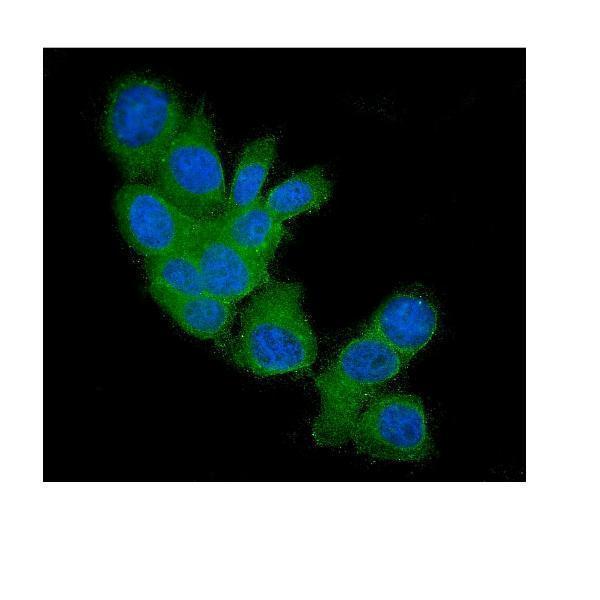
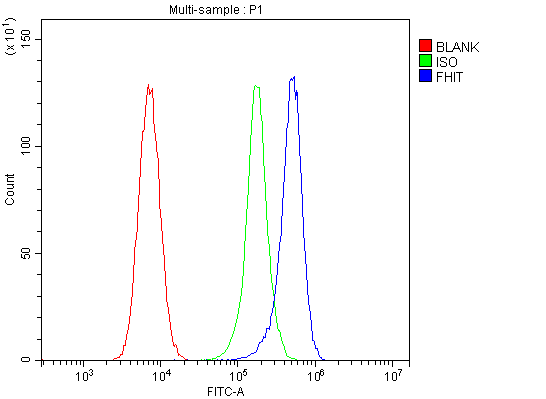

Facts about Bis(5'-adenosyl)-triphosphatase.
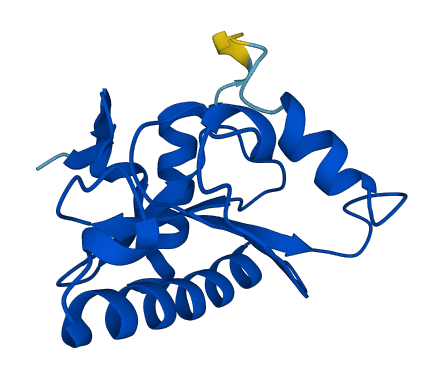
Plays a role in the induction of apoptosis via SRC and AKT1 signaling pathways. Inhibits MDM2-mediated proteasomal degradation of p53/TP53 and thereby plays a role in p53/TP53-mediated apoptosis.
| Human | |
|---|---|
| Gene Name: | FHIT |
| Uniprot: | P49789 |
| Entrez: | 2272 |
| Belongs to: |
|---|
| No superfamily |

AP3A hydrolase; AP3AaseFRA3Bbis(5'-adenosyl)-triphosphatase; Diadenosine 5'-5'''-P1; dinucleosidetriphosphatase; EC 3.6.1.29; fragile histidine triad gene; Fragile histidine triad protein; P3-triphosphate hydrolase; tumor suppressor protein
Mass (kDA):
16.858 kDA

| Human | |
|---|---|
| Location: | 3p14.2 |
| Sequence: | 3; NC_000003.12 (59747277..61251461, complement) |
Low levels expressed in all tissues tested. Phospho-FHIT observed in liver and kidney, but not in brain and lung. Phospho-FHIT undetected in all tested human tumor cell lines.
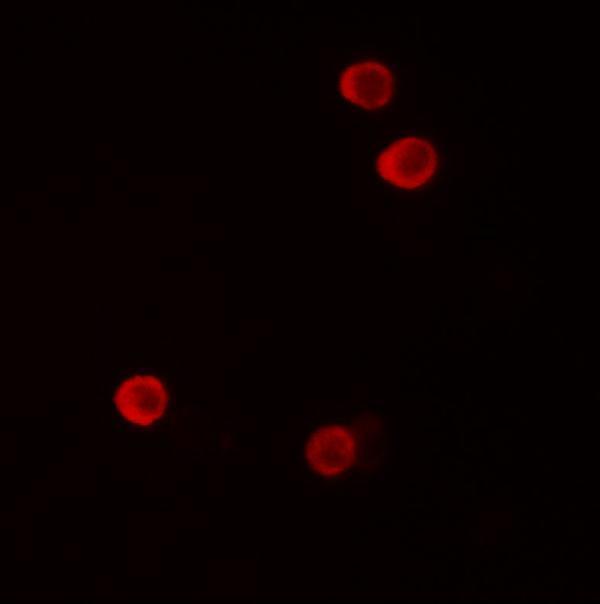
Cytoplasm. Mitochondrion. Nucleus.





PMID: 8598045 by Ohta M., et al. The FHIT gene, spanning the chromosome 3p14.2 fragile site and renal carcinoma-associated t(3;8) breakpoint, is abnormal in digestive tract cancers.
PMID: 9012482 by Druck T., et al. Structure and expression of the human FHIT gene in normal and tumor cells.
*More publications can be found for each product on its corresponding product page