This website uses cookies to ensure you get the best experience on our website.


- Table of Contents
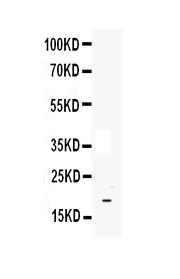
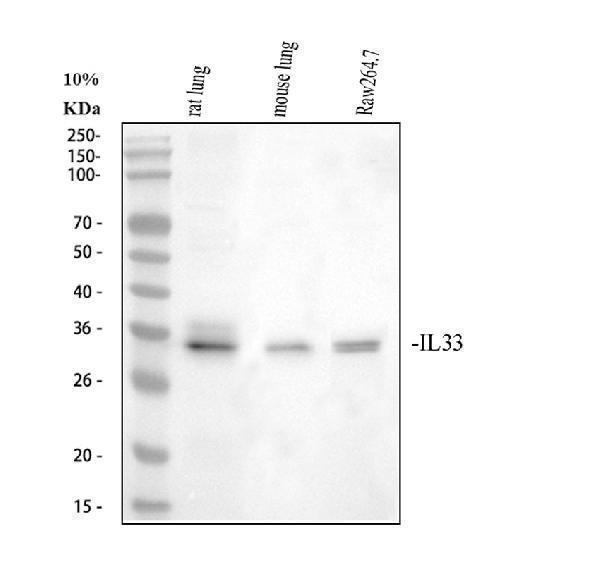
Designing a Western blot for Interleukin-33? The guide has the expected band size, antibodies backed by real blot images, the controls to run alongside, and protocols taken from published papers.
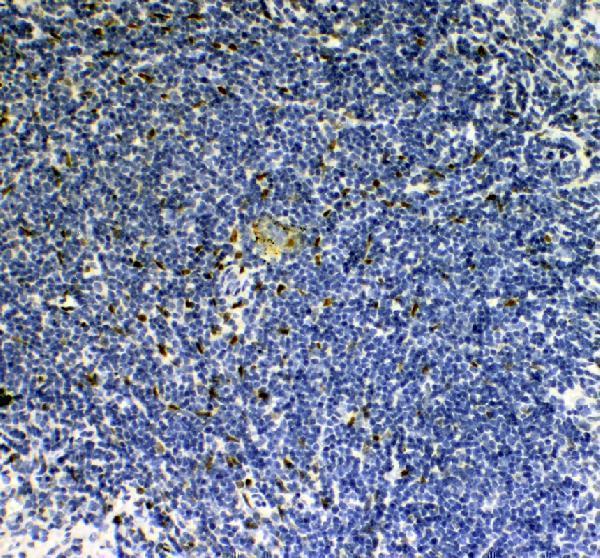
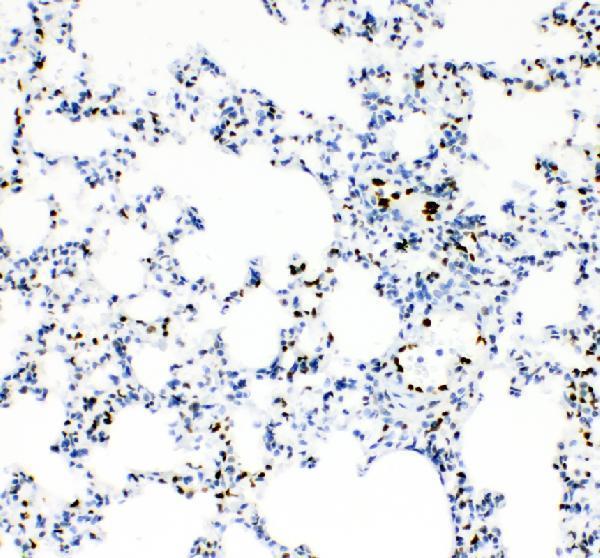
Open the IL33 Western Blot GuideDesigning an IHC experiment for Interleukin-33? The guide has the expected staining pattern, antigen retrieval and fixation, antibodies backed by real IHC images, the tissue controls to run alongside, and protocols taken from published papers.
Open the IL33 IHC Guide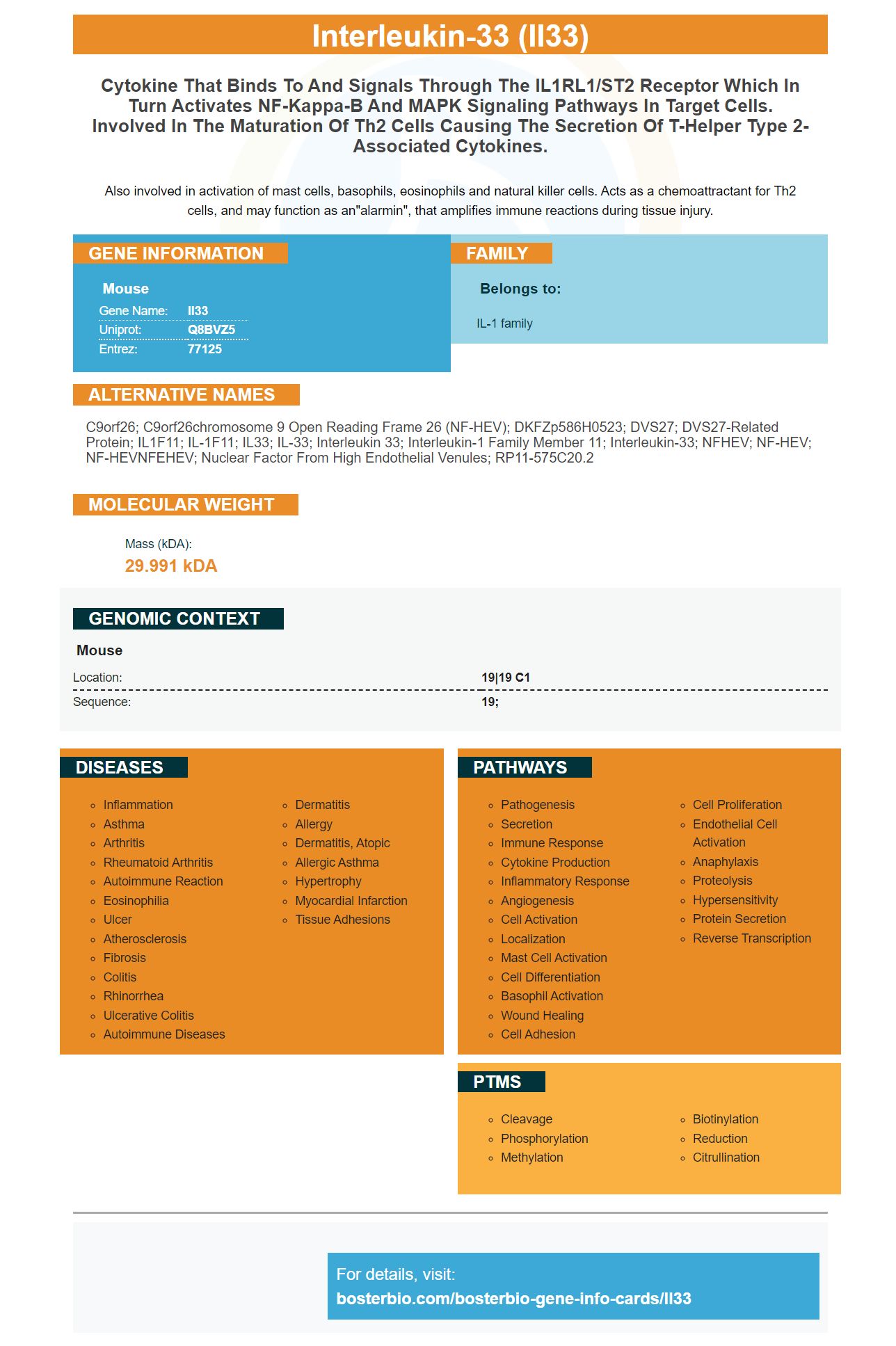
14 Citations

8 Citations

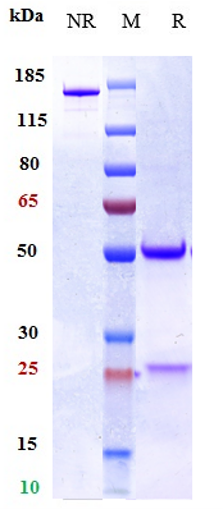
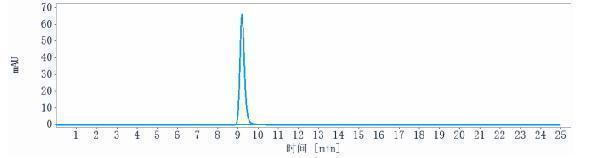
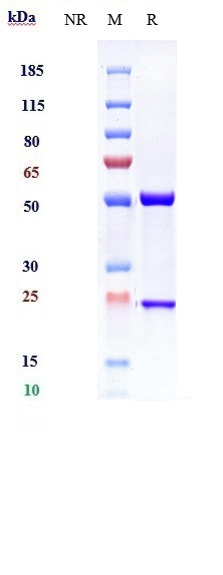
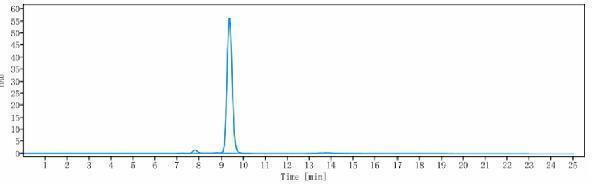


Facts about Interleukin-33.
Also involved in activation of mast cells, basophils, eosinophils and natural killer cells. Acts as a chemoattractant for Th2 cells, and may function as an"alarmin", that amplifies immune reactions during tissue injury.
| Mouse | |
|---|---|
| Gene Name: | Il33 |
| Uniprot: | Q8BVZ5 |
| Entrez: | 77125 |
| Belongs to: |
|---|
| IL-1 family |

C9orf26; C9orf26chromosome 9 open reading frame 26 (NF-HEV); DKFZp586H0523; DVS27; DVS27-related protein; IL1F11; IL-1F11; IL33; IL-33; interleukin 33; Interleukin-1 family member 11; interleukin-33; NFHEV; NF-HEV; NF-HEVNFEHEV; Nuclear factor from high endothelial venules; RP11-575C20.2
Mass (kDA):
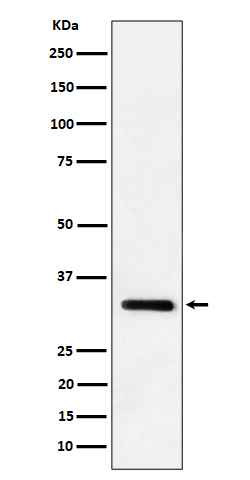
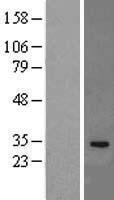
29.991 kDA

| Mouse | |
|---|---|
| Location: | 19|19 C1 |
| Sequence: | 19; |


PMID: 16286016 by Schmitz J., et al. IL-33, an interleukin-1-like cytokine that signals via the IL-1 receptor-related protein ST 2 and induces T helper type 2-associated cytokines.
PMID: 19465481 by Talabot-Ayer D., et al. Interleukin-33 is biologically active independently of caspase-1 cleavage.
*More publications can be found for each product on its corresponding product page