This website uses cookies to ensure you get the best experience on our website.


- Table of Contents
and ELISA kits, proteins related to Bipolar Disorder.
Bipolar Disorder is a complex mental health condition characterized by extreme mood swings, including emotional highs (mania or hypomania) and lows (depression). These fluctuations can affect energy levels, behavior, and the ability to carry out daily tasks, impacting individuals' personal and professional lives. Recent research has begun to uncover the role of the immune system in Bipolar Disorder, particularly focusing on antibodies that may influence brain function and mood regulation. Understanding the connection between antibodies and Bipolar Disorder opens new avenues for targeted treatments and improved management strategies. By exploring these advanced scientific insights, we aim to enhance the lives of those affected and pave the way for innovative therapies that address the root causes of this challenging condition.
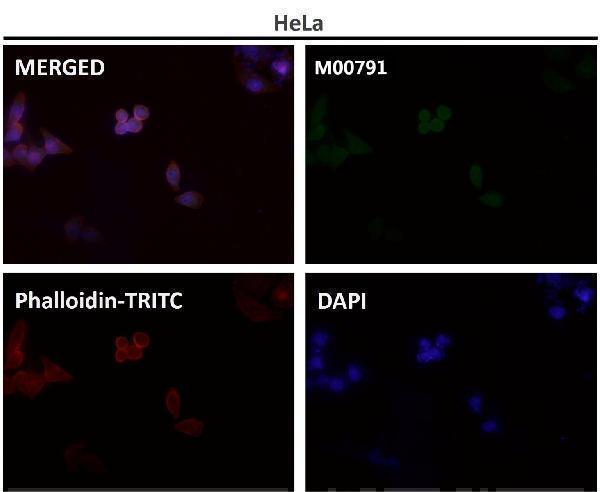
M00791
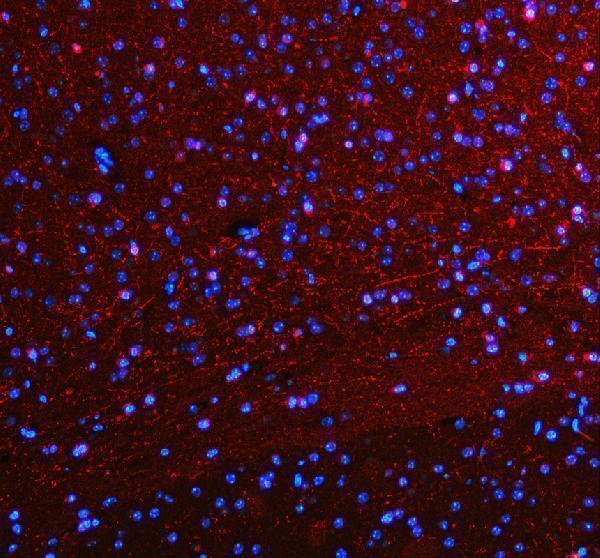
PB9438
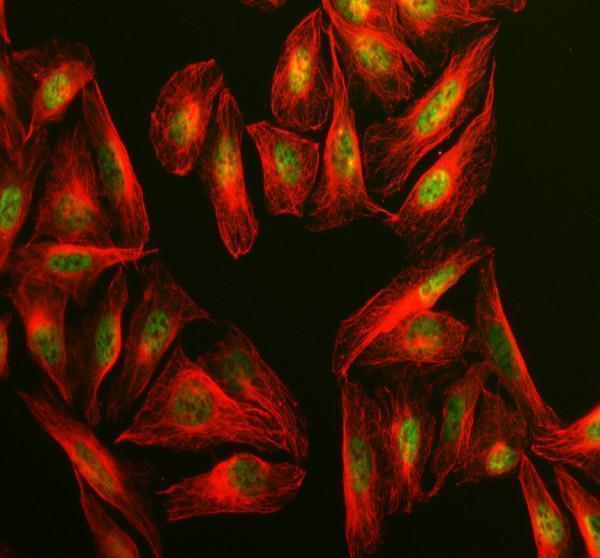
RP1082
| Protein Name | Gene Name | Function |
|---|---|---|
| BDNF | BDNF | Brain-derived neurotrophic factor involved in neuroplasticity. |
| GSK3β | GSK3B | Glycogen synthase kinase 3 beta involved in mood regulation and circadian rhythms. |
| CACNA1C | CACNA1C | Calcium channel subunit involved in calcium signaling and neuronal function. |
| DISC1 | DISC1 | Disrupted in Schizophrenia 1 involved in neuronal development and synaptic function. |
| ANK3 | ANK3 | Ankyrin 3 involved in neuronal membrane stability and signal transduction. |
| SLC6A4 | SLC6A4 | Serotonin transporter involved in serotonin reuptake in the synaptic cleft. |
| COMT | COMT | Catechol-O-Methyltransferase involved in the metabolism of dopamine and other catecholamines. |
| NR1 | GRIN1 | NMDA receptor subunit involved in glutamate neurotransmission. |
| CLOCK | CLOCK | Circadian Locomotor Output Cycles Kaput involved in regulating circadian rhythms. |
| IL-6 | IL6 | Interleukin 6 involved in inflammatory responses. |
| TNF-α | TNF | Tumor Necrosis Factor Alpha involved in systemic inflammation. |
| FABP7 | FABP7 | Fatty Acid Binding Protein 7 involved in lipid transport in the brain. |
| VEGF | VEGFA | Vascular Endothelial Growth Factor involved in angiogenesis and neurogenesis. |
| CRP | CRP | C-Reactive Protein a marker of general inflammation. |
| MAPK | MAPK3 | Mitogen-Activated Protein Kinase involved in cell signaling pathways. |
| AKT1 | AKT1 | AKT Serine/Threonine Kinase 1 involved in intracellular signaling related to mood regulation. |
| NTRK2 | NTRK2 | Neurotrophic Receptor Tyrosine Kinase 2 receptor for BDNF involved in neural survival and plasticity. |
| MECP2 | MECP2 | Methyl CpG Binding Protein 2 involved in gene regulation and neuronal function. |
| FGF2 | FGF2 | Fibroblast Growth Factor 2 involved in neurodevelopment and neuroprotection. |
| BDNF Val66Met | BDNF | A polymorphism in BDNF affecting its activity-dependent secretion and neuronal function. |
Neurobiological mechanisms are pivotal in understanding Bipolar Disorder, focusing on the structural and functional aspects of the brain that contribute to the disorder's manifestation. Research in this area explores neurotransmitter imbalances, particularly involving serotonin, dopamine, and norepinephrine, which play crucial roles in mood regulation. Advanced neuroimaging techniques, such as MRI and PET scans, have revealed differences in brain regions like the prefrontal cortex, amygdala, and hippocampus among individuals with Bipolar Disorder compared to healthy controls. Additionally, studies investigate neuronal connectivity and synaptic plasticity, shedding light on how disruptions in these processes may lead to the cyclical mood swings characteristic of the disorder. Understanding the neurobiological underpinnings not only aids in elucidating the pathophysiology of Bipolar Disorder but also informs the development of targeted pharmacological treatments that can more effectively stabilize mood and mitigate symptoms.
Genetic factors are fundamental in the study of Bipolar Disorder, as evidenced by the significant heritability estimates observed in family and twin studies. Research in this sub-area seeks to identify specific genetic variants and patterns that increase susceptibility to the disorder. Genome-wide association studies (GWAS) have uncovered several risk loci that may influence the likelihood of developing Bipolar Disorder, highlighting genes involved in neurotransmission, circadian rhythms, and neuroplasticity. Additionally, investigations into gene-environment interactions examine how genetic predispositions may interact with external stressors or lifestyle factors to trigger the onset of the disorder. Understanding the genetic architecture of Bipolar Disorder not only enhances our comprehension of its etiology but also paves the way for personalized medicine approaches. By identifying genetic markers, clinicians can better predict disease risk, tailor preventive strategies, and customize treatment plans to improve therapeutic outcomes for individuals affected by Bipolar Disorder.