This website uses cookies to ensure you get the best experience on our website.


- Table of Contents
and ELISA kits, proteins related to Multiple Sclerosis.
Multiple Sclerosis (MS) is a chronic neurological condition that affects millions worldwide, disrupting the communication between the brain and the rest of the body. Characterized by the immune system mistakenly attacking the protective myelin sheath surrounding nerve fibers, MS leads to a wide range of physical and cognitive challenges. Symptoms can vary greatly, including fatigue, mobility issues, and impaired vision, significantly impacting daily life. Understanding the underlying mechanisms of MS is crucial for developing effective treatments. Recent advancements in antibody research offer promising avenues for targeted therapies, aiming to modulate the immune response and promote nerve repair. By exploring the role of specific antibodies in MS, scientists are paving the way toward more personalized and effective interventions, offering hope for improved quality of life for those affected by this complex disease.
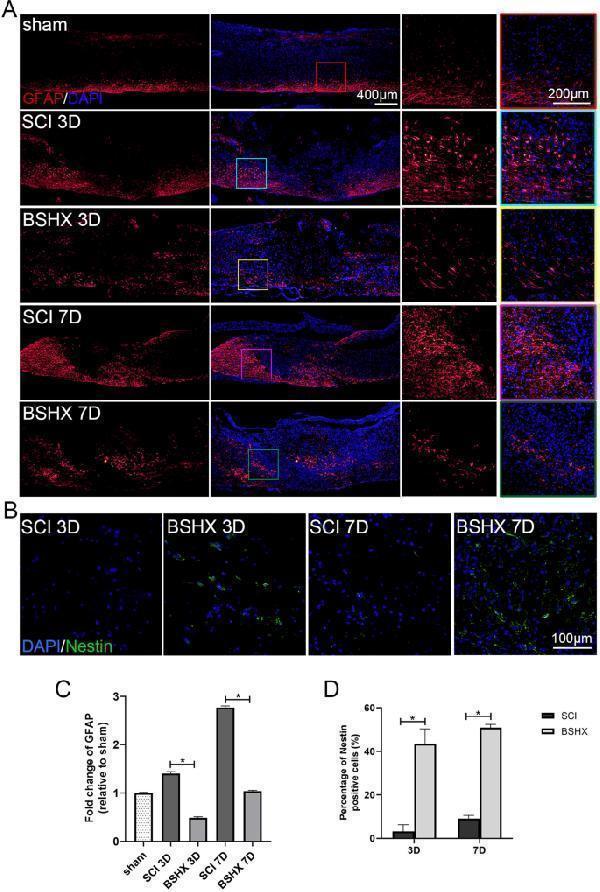
PA1239
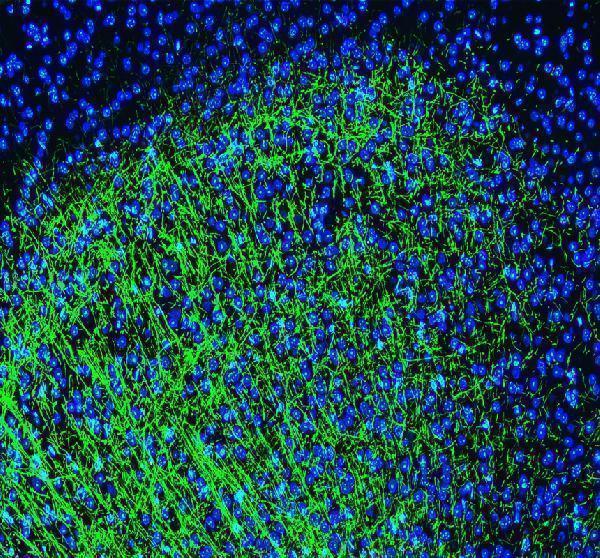
PA1050
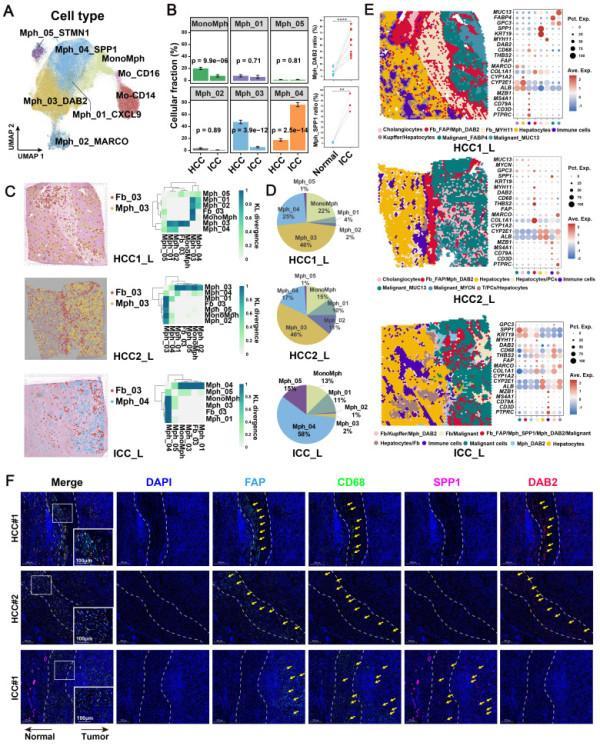
RP1080
| Protein Name | Gene Name | Function |
|---|---|---|
| Neurofilament light chain | NEFL | Marker of axonal damage |
| Glial fibrillary acidic protein | GFAP | Indicator of astroglial activation |
| Myelin basic protein | MBP | Component of myelin sheath; integrity marker |
| Immunoglobulin G (Oligoclonal Bands) | IGHG | Intrathecal antibody production |
| Myelin oligodendrocyte glycoprotein | MOG | Component of myelin sheath |
| C-reactive protein | CRP | Systemic inflammation marker |
| Interleukin-6 | IL6 | Proinflammatory cytokine |
| Tumor necrosis factor-alpha | TNF | Proinflammatory cytokine |
| CXCL13 | CXCL13 | B-cell chemoattractant |
| B-cell activating factor | TNFSF13B | B-cell proliferation and survival |
| CXCL10 | CXCL10 | T-cell chemoattractant |
| Chitinase-3-like protein 1 | CHI3L1 | Involved in inflammation and tissue remodeling |
| Osteopontin | SPP1 | Participates in inflammatory processes |
| S100 calcium-binding protein B | S100B | Indicator of astrocyte activation |
| Matrix metalloproteinase-9 | MMP9 | Involved in blood-brain barrier disruption |
| Matrix metalloproteinase-2 | MMP2 | Involved in extracellular matrix degradation |
| HLA-DRB1 | HLA-DRB1 | Genetic susceptibility factor |
| Vitamin D receptor | VDR | Regulates immune responses |
| CD69 | CD69 | Early T-cell activation marker |
| CD26 | DPP4 | Immune modulation |
Multiple Sclerosis (MS) is widely recognized as an autoimmune disorder in which the immune system erroneously targets the central nervous system (CNS). One of the most critical sub-research areas within MS is the study of immunological mechanisms. This area focuses on understanding how autoreactive T cells, B cells, and other immune components contribute to the inflammation and demyelination characteristic of MS. Researchers delve into the roles of various cytokines, chemokines, and immune cell interactions that facilitate the breach of the blood-brain barrier, allowing immune cells to infiltrate the CNS. Additionally, the interplay between the adaptive and innate immune systems is scrutinized to identify potential therapeutic targets. Advances in this field have led to the development of immunomodulatory therapies that aim to reduce disease activity by dampening specific immune responses. Understanding the intricate immunological pathways involved in MS not only aids in the identification of biomarkers for disease progression but also paves the way for personalized treatment approaches, ultimately improving patient outcomes.
Beyond the immune-mediated aspects, neurodegeneration represents a pivotal mechanism in the progression of Multiple Sclerosis. This sub-research area investigates the processes leading to axonal damage, neuronal loss, and brain atrophy, which are closely associated with the irreversible disability seen in MS patients. Studies focus on the cellular and molecular pathways that contribute to neurodegeneration, including mitochondrial dysfunction, oxidative stress, impaired axonal transport, and excitotoxicity. Additionally, the role of glial cells, such as microglia and astrocytes, in exacerbating or mitigating neuronal injury is a key area of exploration. Understanding the mechanisms of axonal damage is crucial for developing neuroprotective strategies aimed at preserving neuronal integrity and function. Current research is exploring potential therapeutic agents that can halt or reverse neurodegenerative processes, thereby addressing the long-term disability that often accompanies MS. By targeting both the immune and neurodegenerative components of the disease, a more comprehensive approach to treatment can be achieved, offering hope for better management of MS in the future.