This website uses cookies to ensure you get the best experience on our website.


- Table of Contents
Designing an IHC experiment for Akt1s1? The guide has the expected staining pattern, antigen retrieval and fixation, antibodies backed by real IHC images, the tissue controls to run alongside, and protocols taken from published papers.
Open the AKT1S1 IHC Guide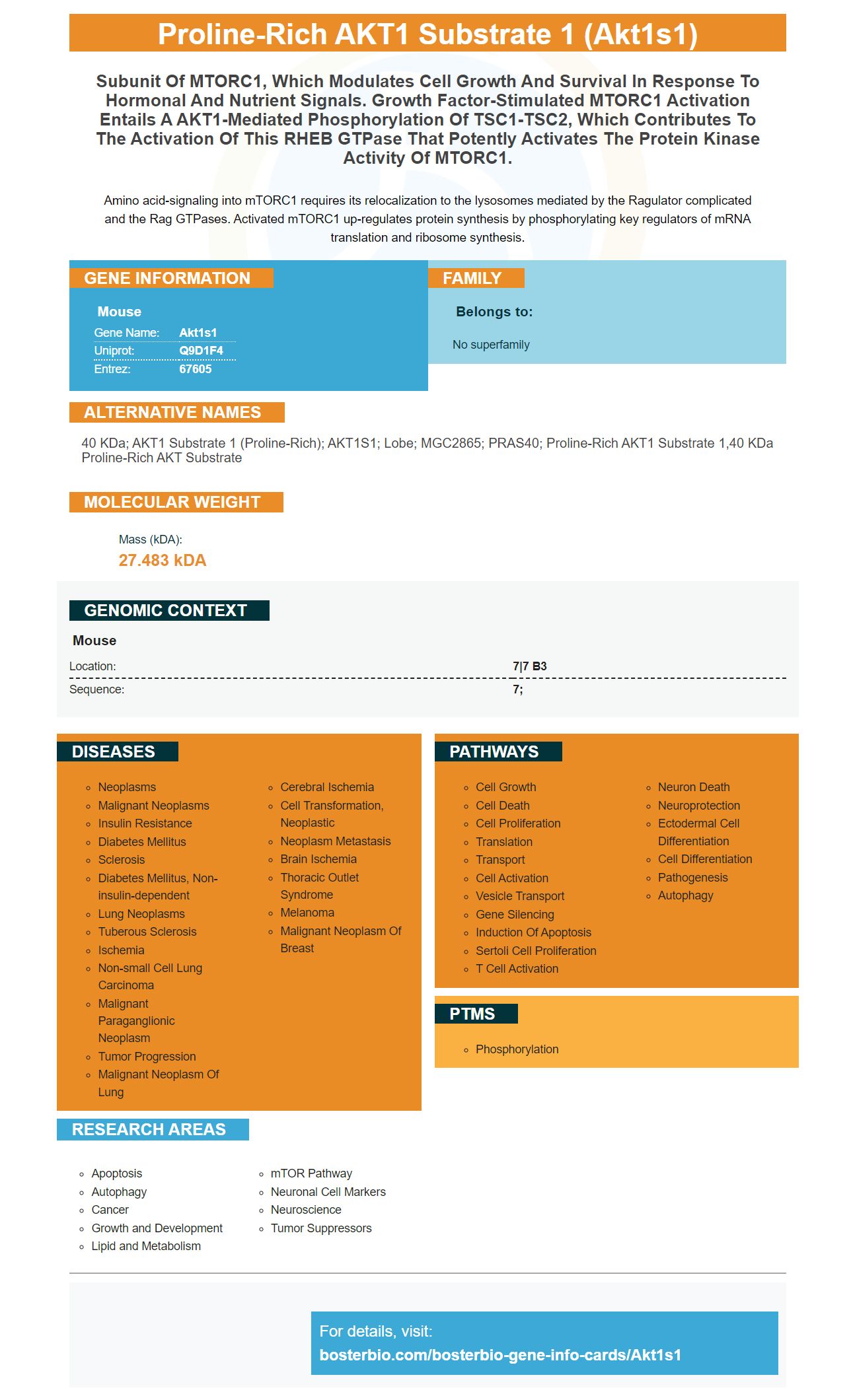
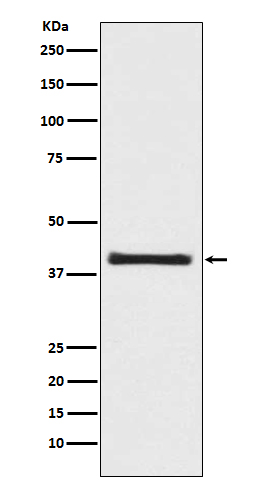
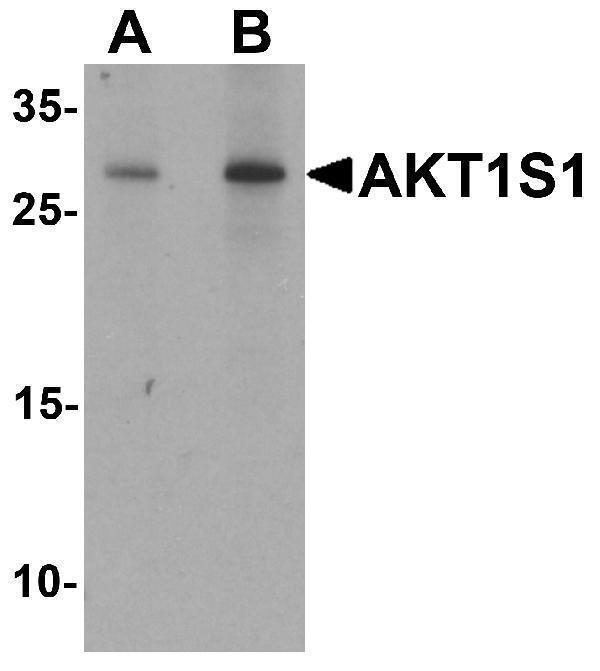
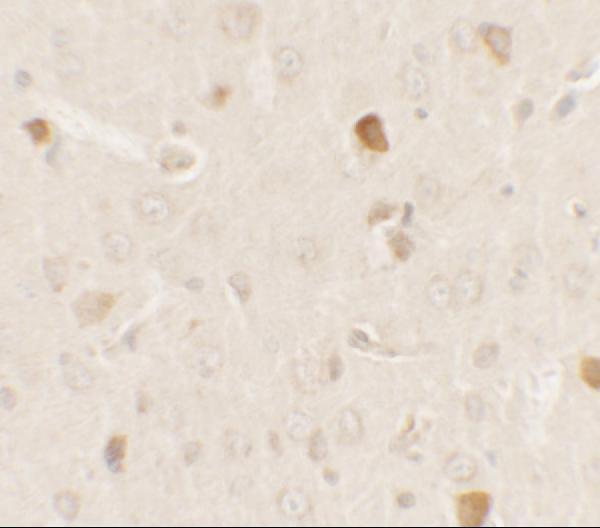
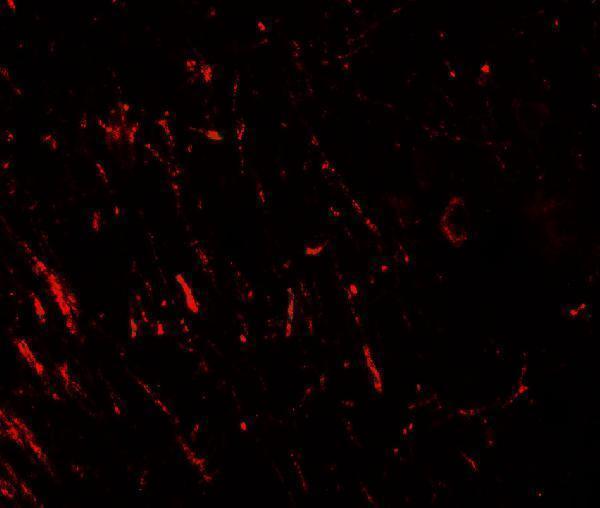
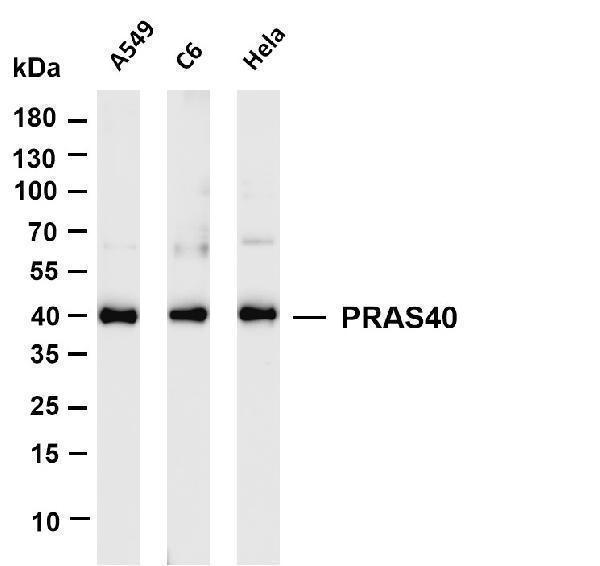


Facts about Proline-rich AKT1 substrate 1.
Amino acid-signaling into mTORC1 requires its relocalization to the lysosomes mediated by the Ragulator complicated and the Rag GTPases. Activated mTORC1 up-regulates protein synthesis by phosphorylating key regulators of mRNA translation and ribosome synthesis.
| Mouse | |
|---|---|
| Gene Name: | Akt1s1 |
| Uniprot: | Q9D1F4 |
| Entrez: | 67605 |
| Belongs to: |
|---|
| No superfamily |

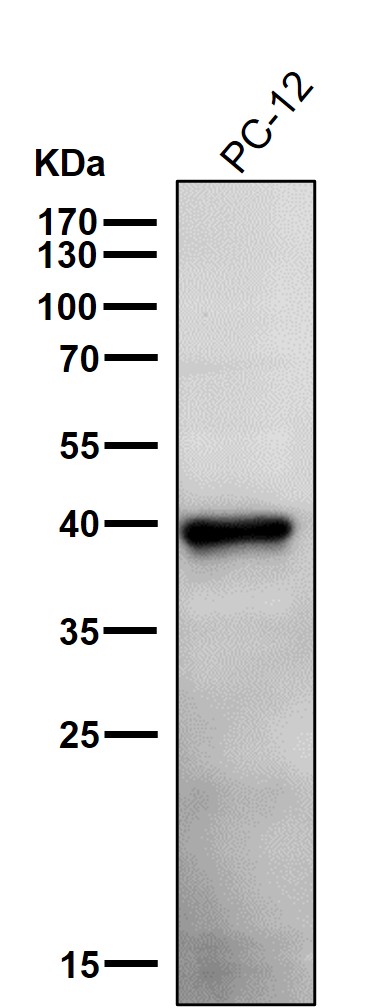
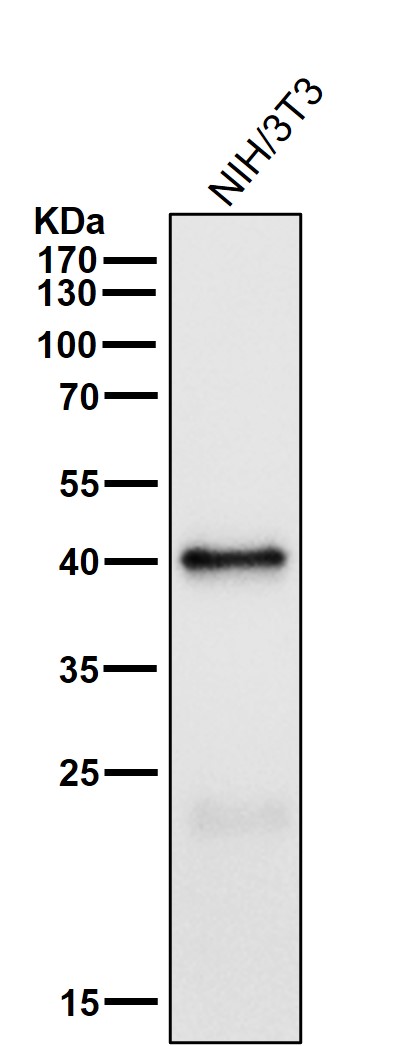
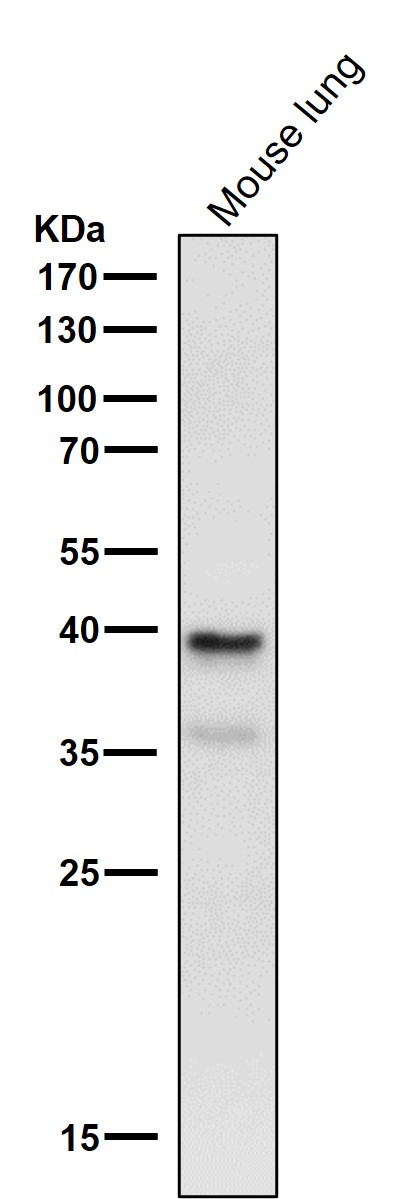
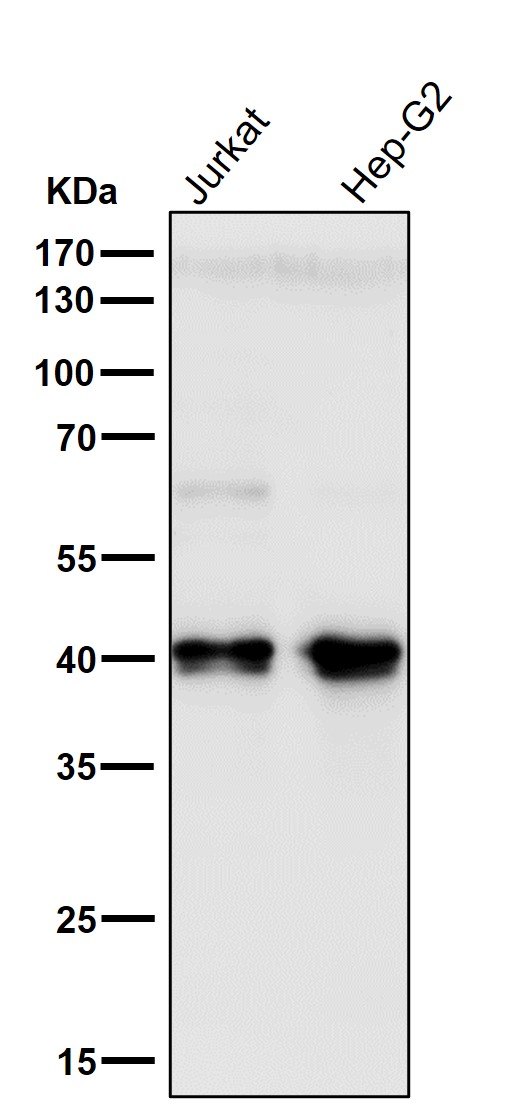
40 kDa; AKT1 substrate 1 (proline-rich); AKT1S1; Lobe; MGC2865; PRAS40; proline-rich AKT1 substrate 1,40 kDa proline-rich AKT substrate
Mass (kDA):
27.483 kDA

| Mouse | |
|---|---|
| Location: | 7|7 B3 |
| Sequence: | 7; |

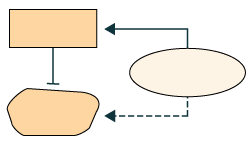


PMID: 14973226 by Saito A., et al. Neuroprotective role of a proline-rich Akt substrate in apoptotic neuronal cell death after stroke: relationships with nerve growth factor.
PMID: 16397181 by Saito A., et al. Modulation of proline-rich akt substrate survival signaling pathways by oxidative stress in mouse brains after transient focal cerebral ischemia.