This website uses cookies to ensure you get the best experience on our website.


- Table of Contents
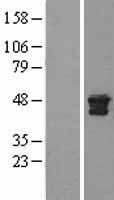
Designing a Western blot for Cathepsin D? The guide has the expected band size, antibodies backed by real blot images, the controls to run alongside, and protocols taken from published papers.
Open the CTSD Western Blot Guide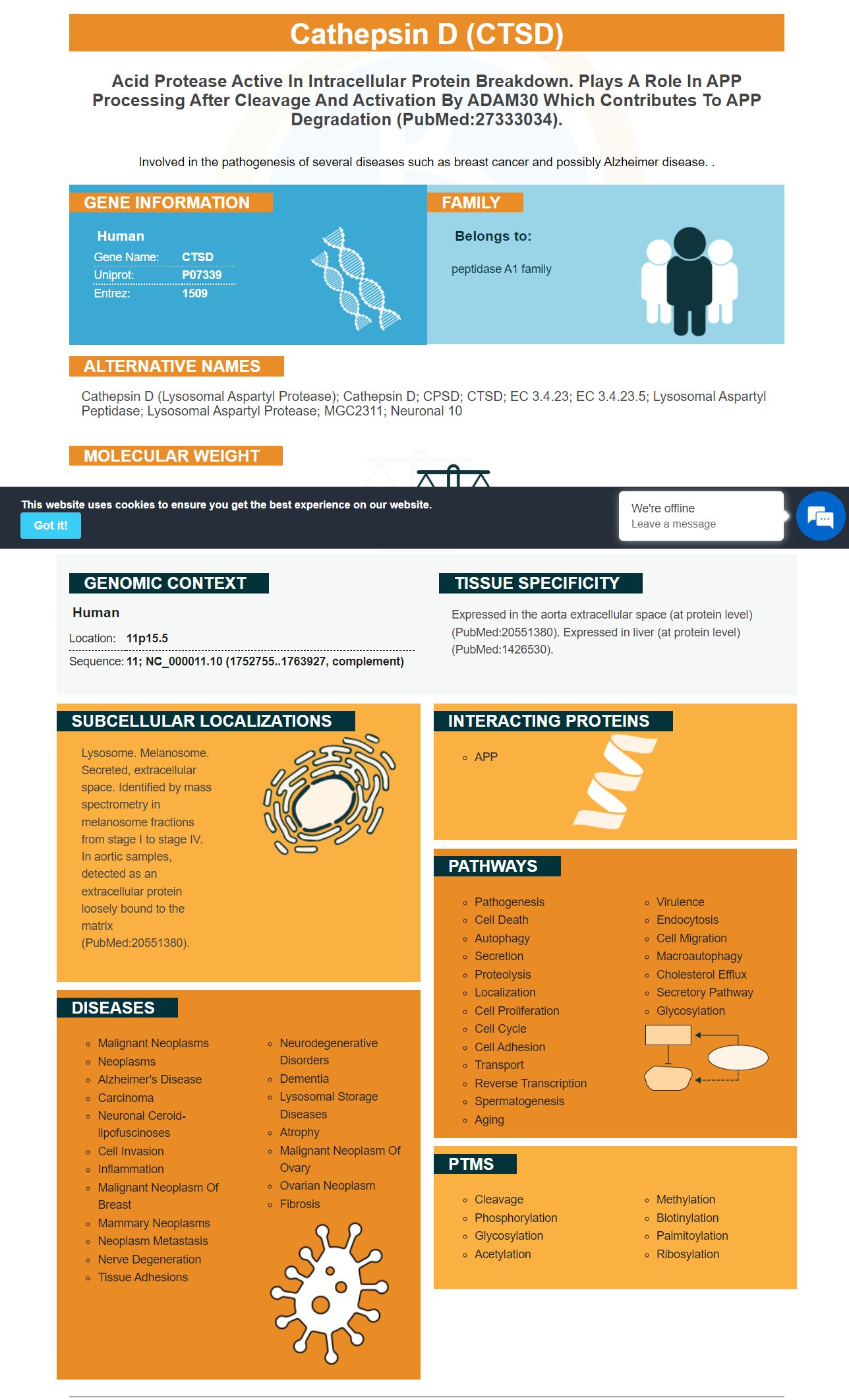
3 Citations
1 Citations

1 Citations
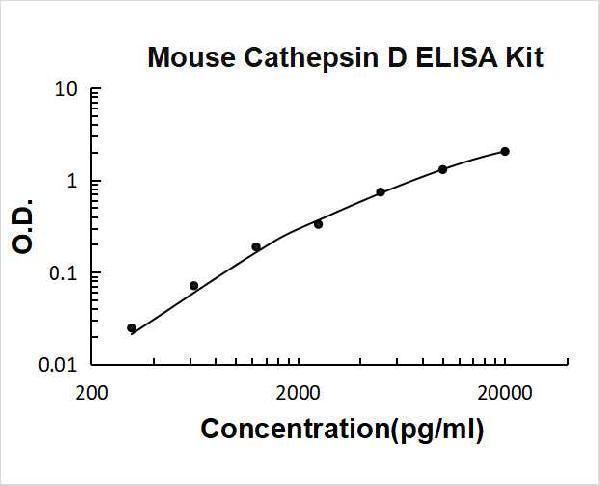
1 Citations

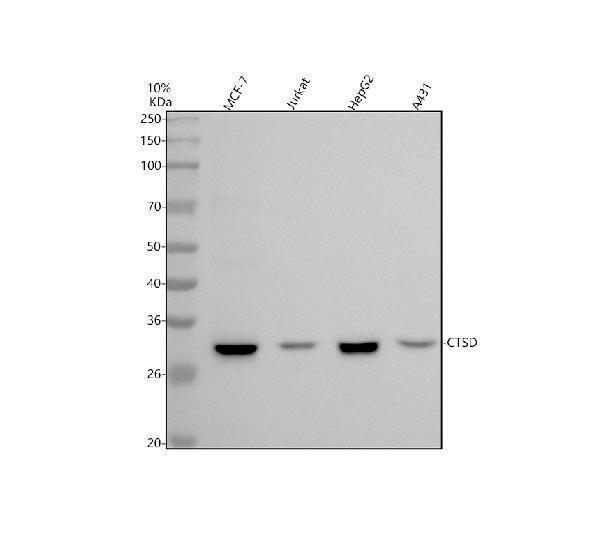

Facts about Cathepsin D.
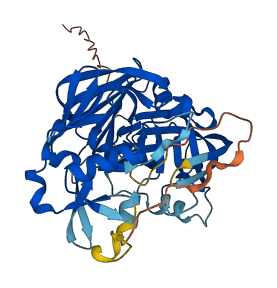
Involved in the pathogenesis of several diseases such as breast cancer and possibly Alzheimer disease. .
| Human | |
|---|---|
| Gene Name: | CTSD |
| Uniprot: | P07339 |
| Entrez: | 1509 |
| Belongs to: |
|---|
| peptidase A1 family |

cathepsin D (lysosomal aspartyl protease); Cathepsin D; CPSD; CTSD; EC 3.4.23; EC 3.4.23.5; lysosomal aspartyl peptidase; lysosomal aspartyl protease; MGC2311; neuronal 10
Mass (kDA):
44.552 kDA

| Human | |
|---|---|
| Location: | 11p15.5 |
| Sequence: | 11; NC_000011.10 (1752755..1763927, complement) |
Expressed in the aorta extracellular space (at protein level) (PubMed:20551380). Expressed in liver (at protein level) (PubMed:1426530).
Lysosome. Melanosome. Secreted, extracellular space. Identified by mass spectrometry in melanosome fractions from stage I to stage IV. In aortic samples, detected as an extracellular protein loosely bound to the matrix (PubMed:20551380).




PMID: 3927292 by Faust P.L., et al. Cloning and sequence analysis of cDNA for human cathepsin D.
PMID: 3588310 by Westley B.R., et al. Oestrogen regulates cathepsin D mRNA levels in oestrogen responsive human breast cancer cells.
*More publications can be found for each product on its corresponding product page