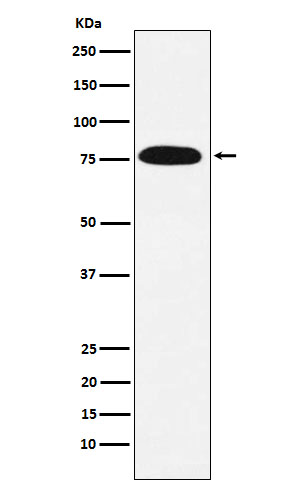
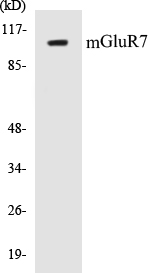
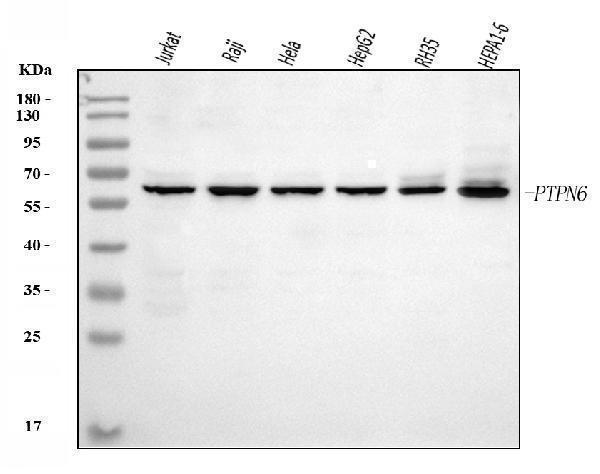
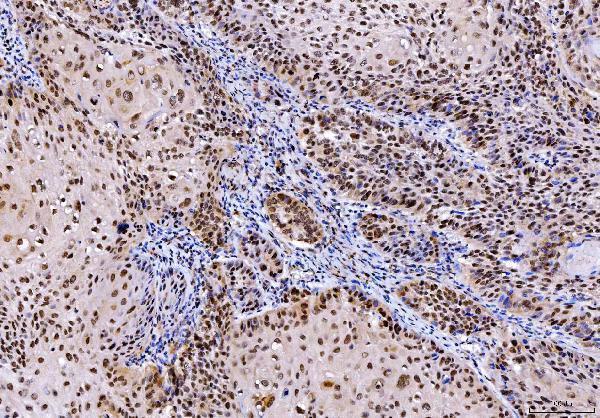
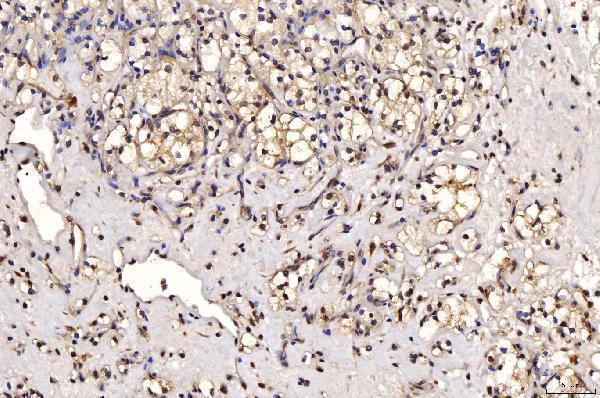
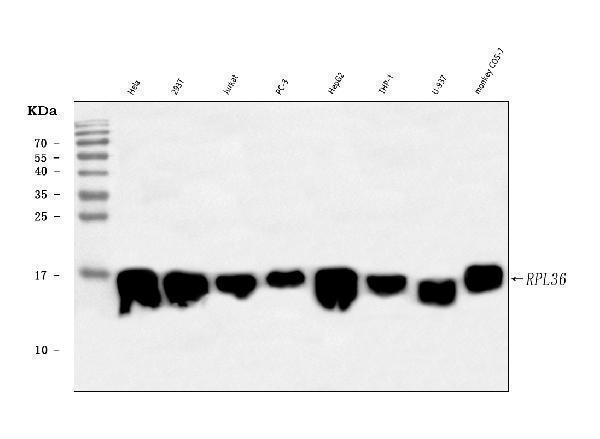
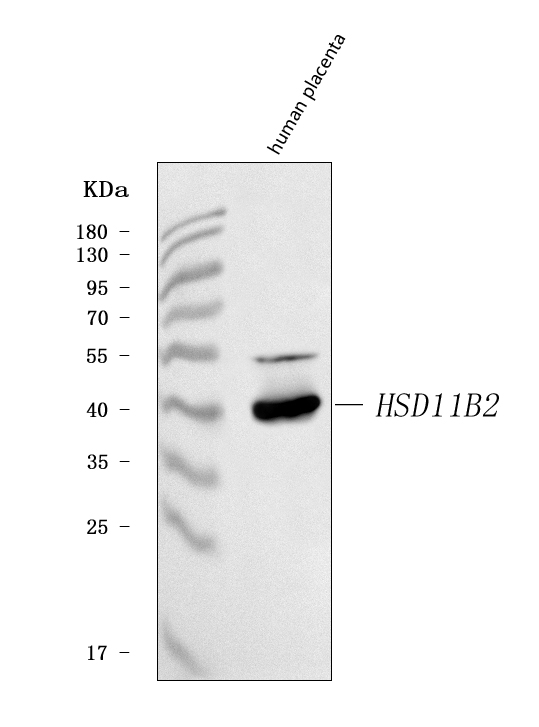
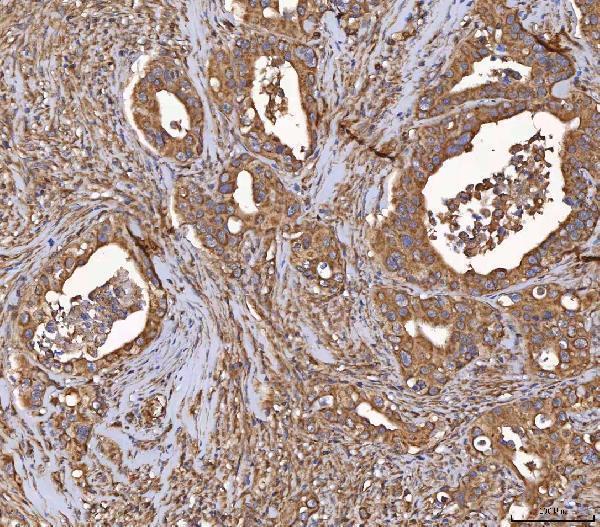
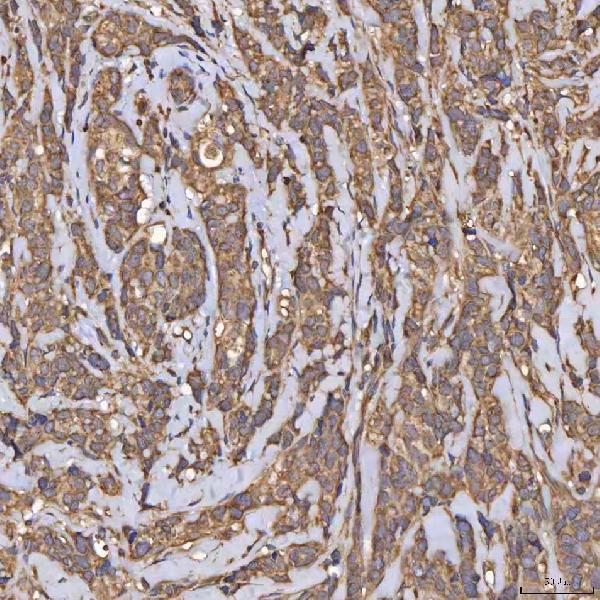
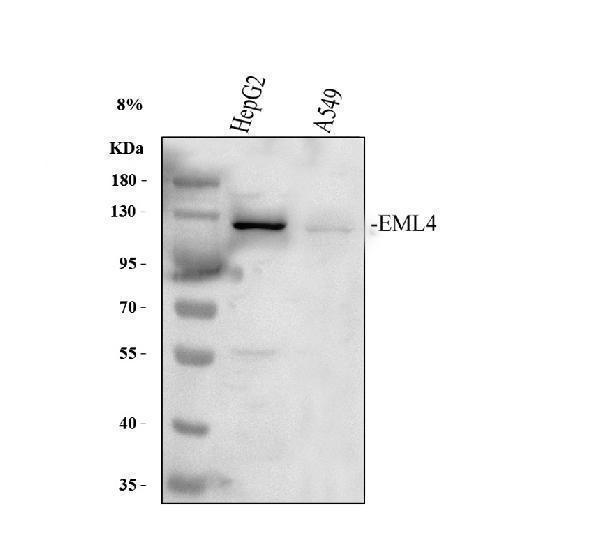
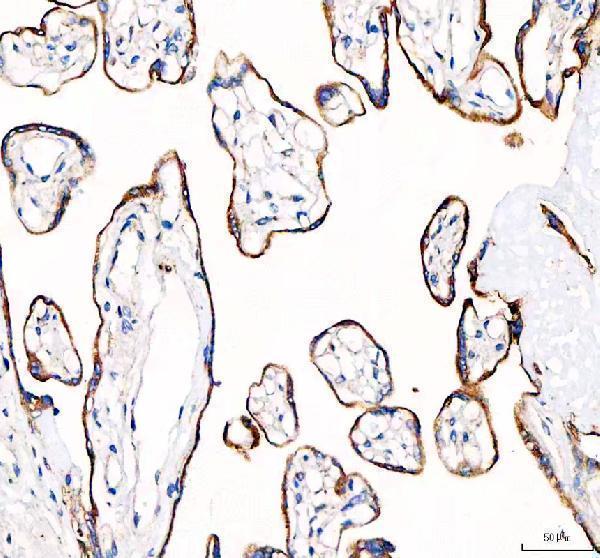
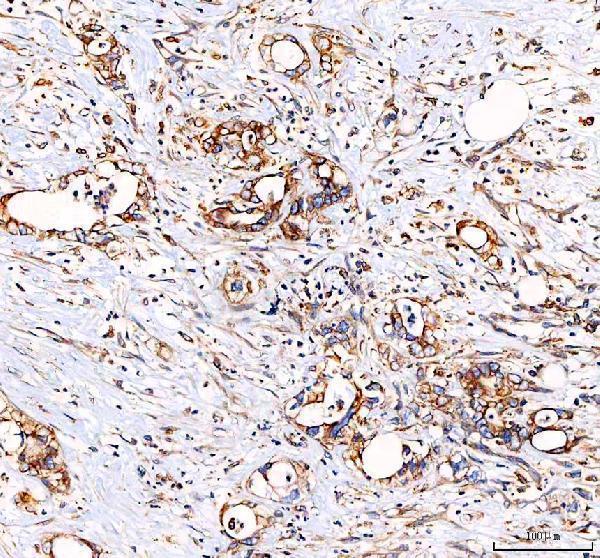
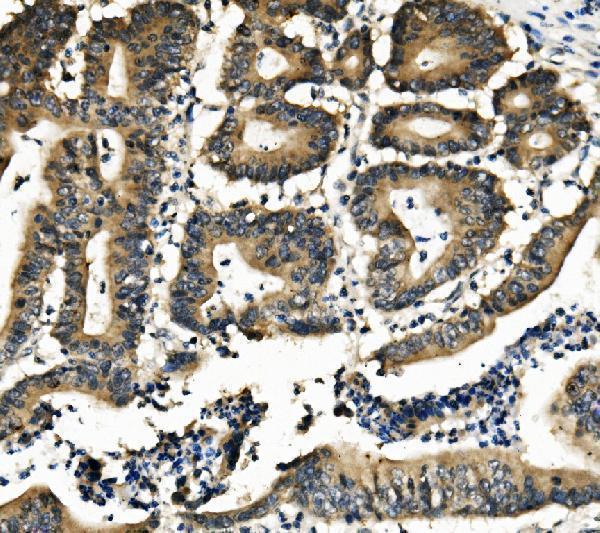
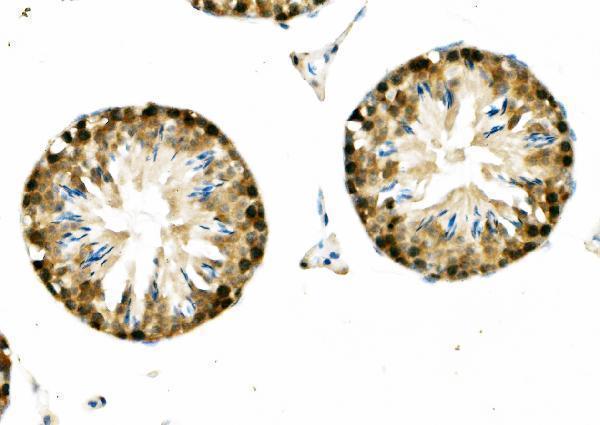
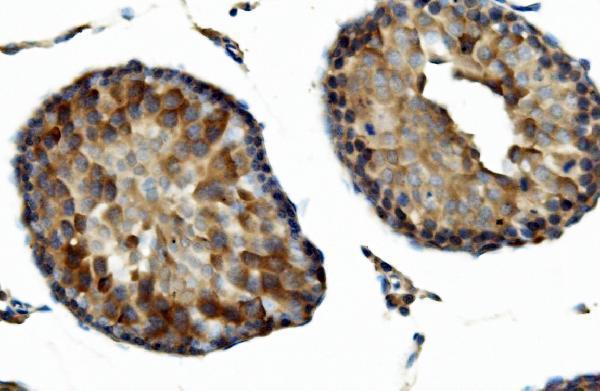
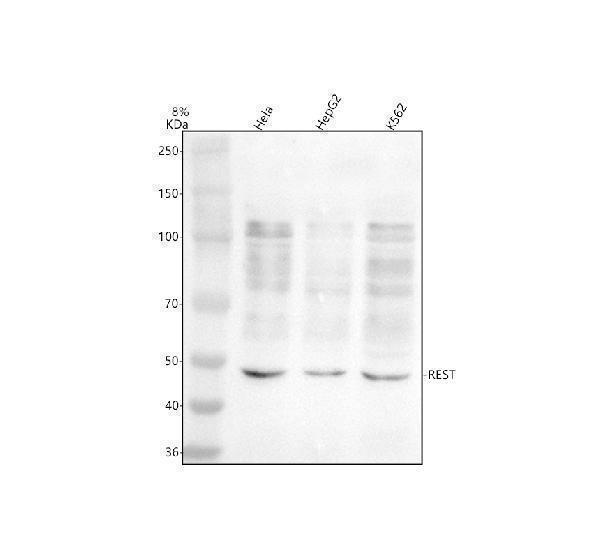
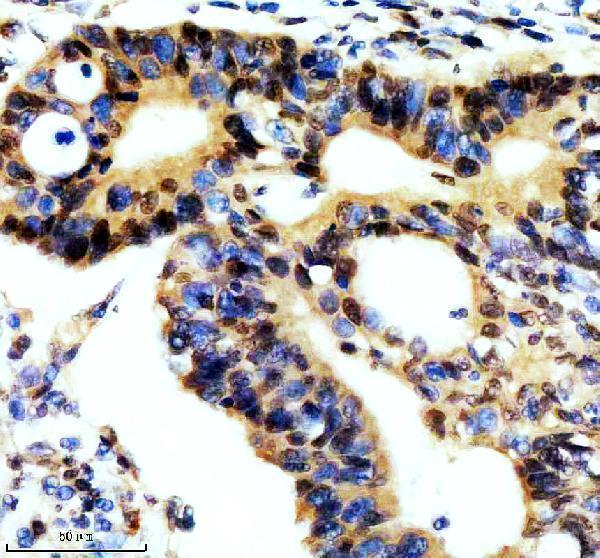
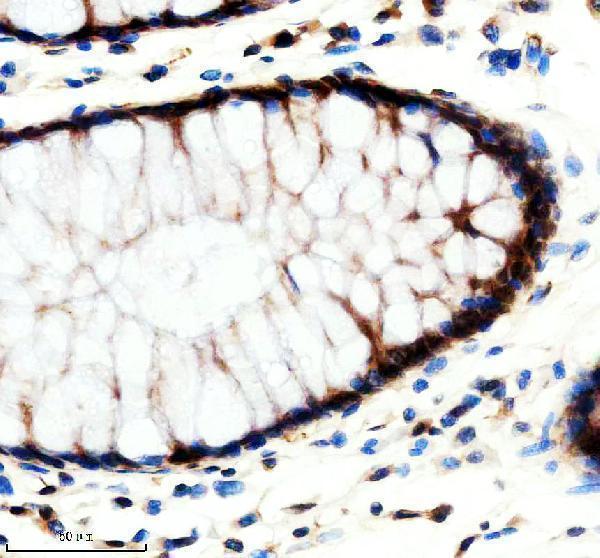
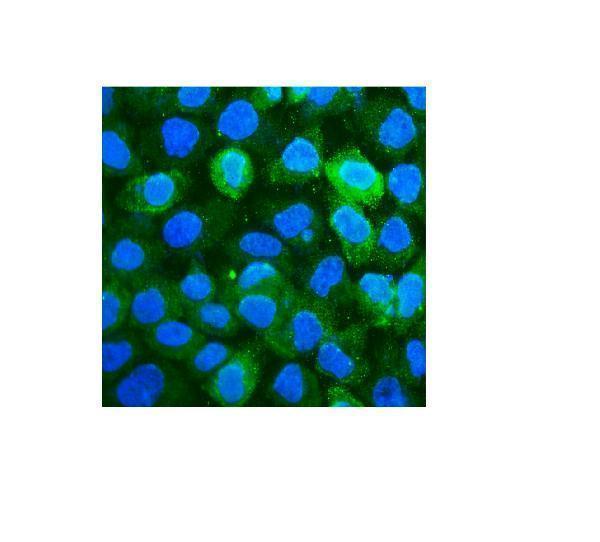
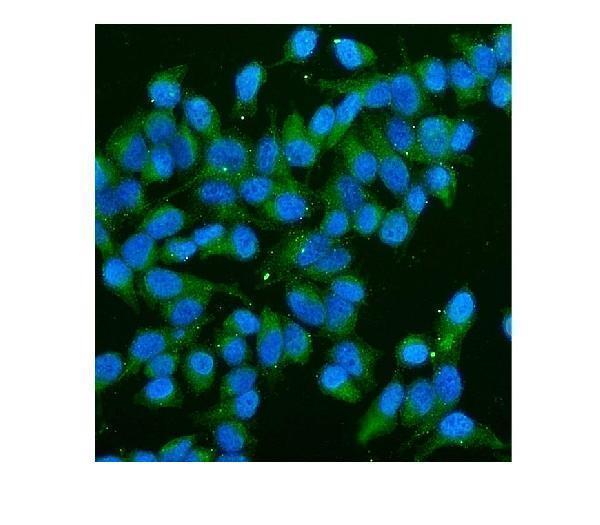
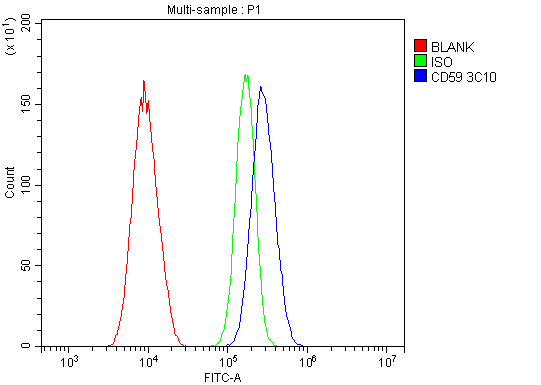
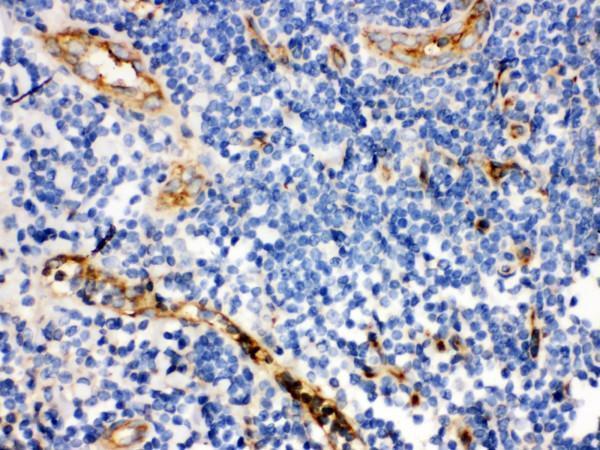
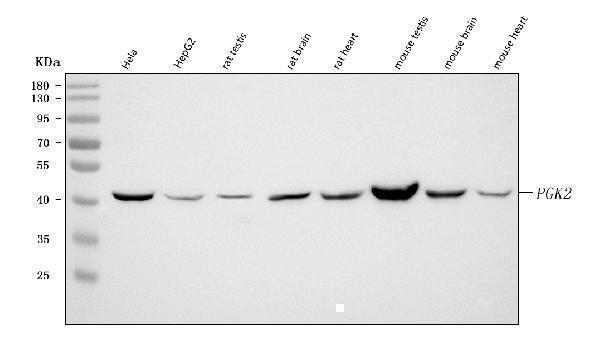
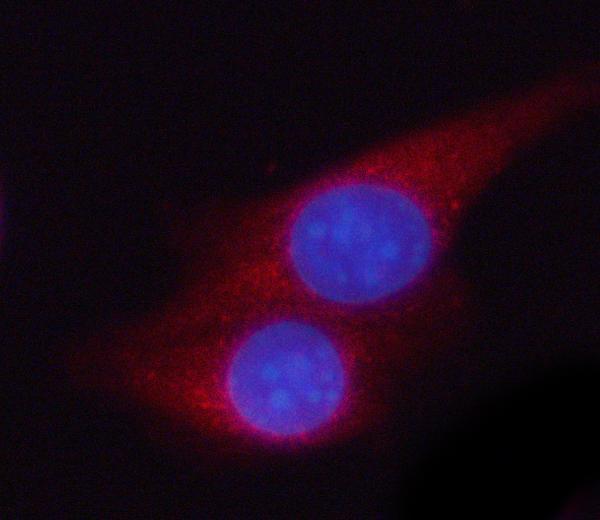
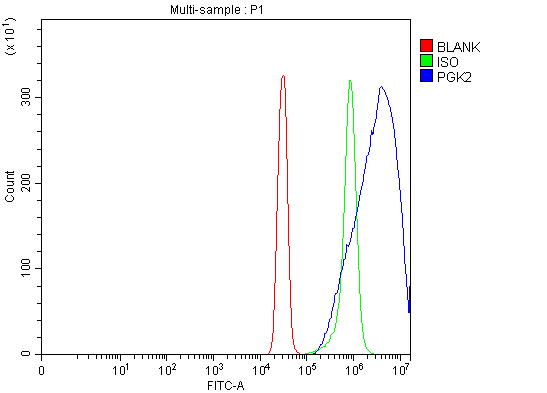
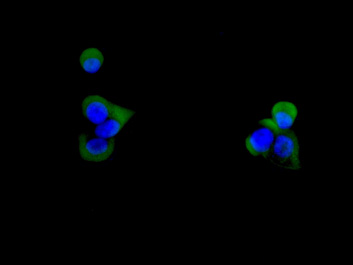
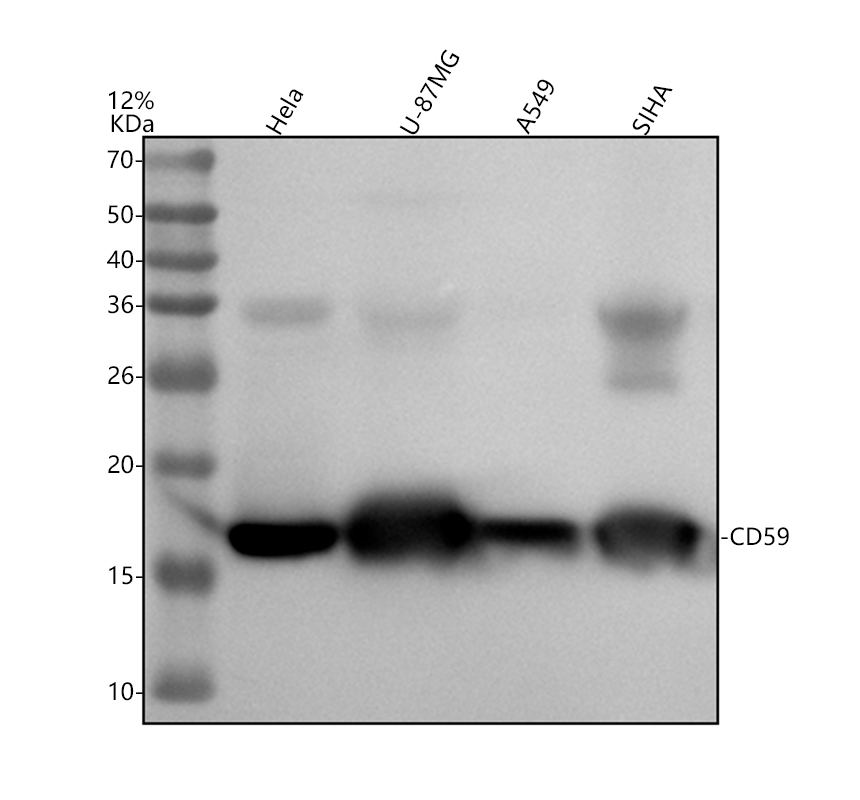
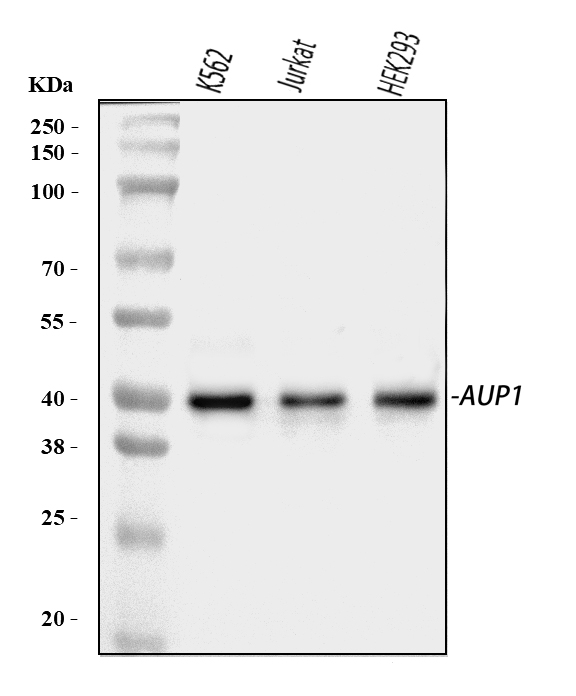
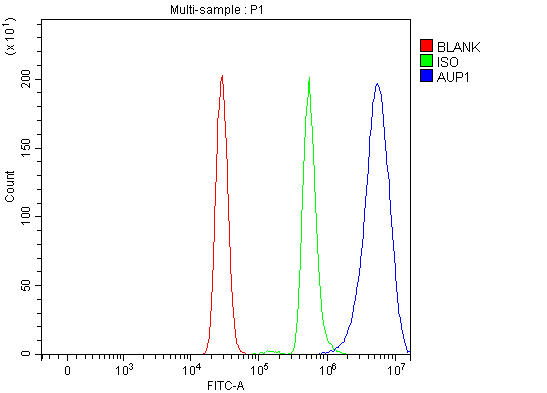
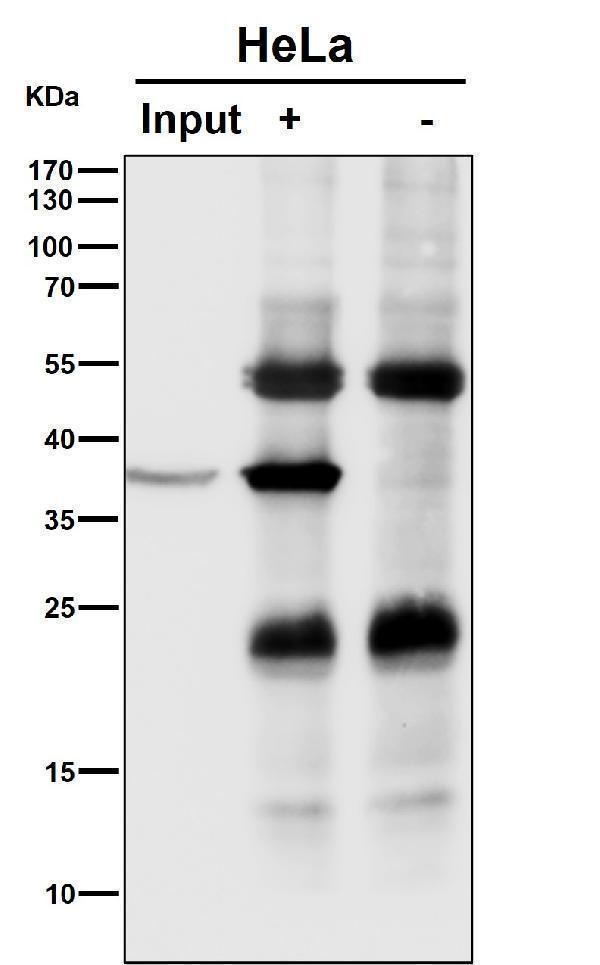
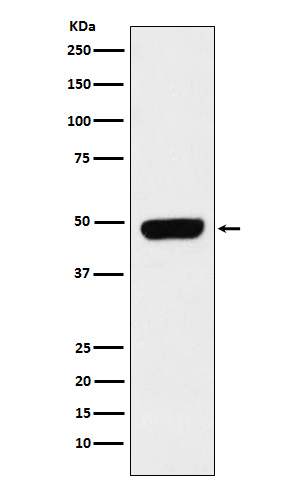
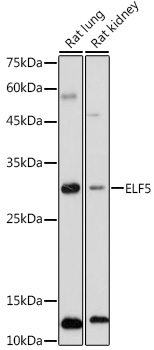
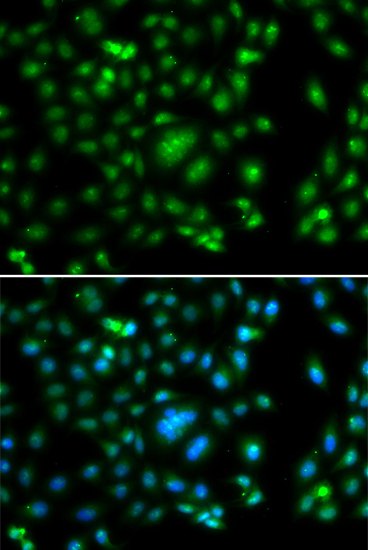
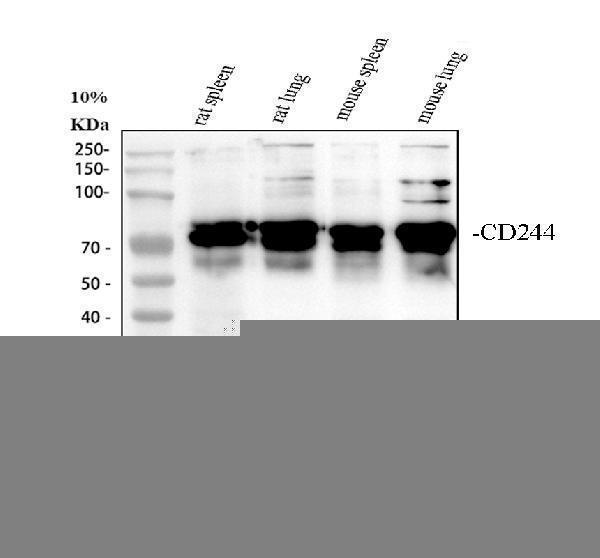
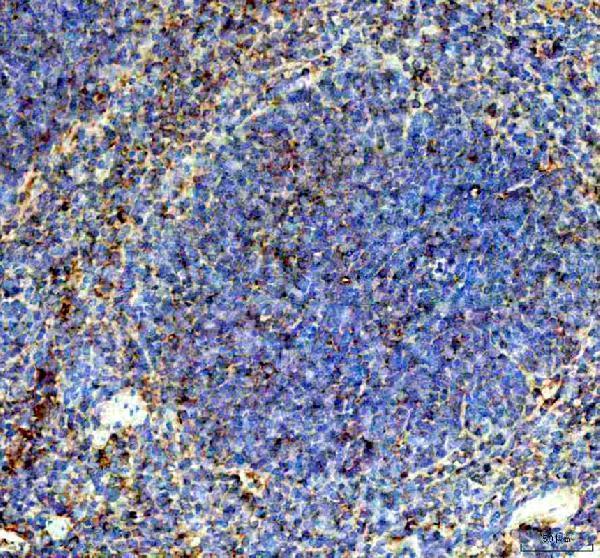
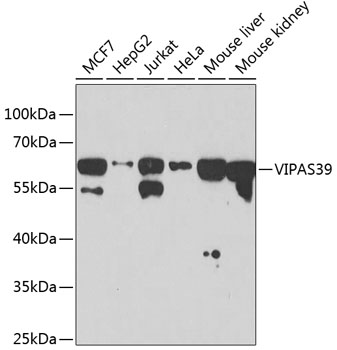
Many biological assays use antibodies to detect REST, such as Western Blot (WB), ELISA, Flow Cytometry, Immunocytochemistry (IHC). These antibodies can be polyclonal or monoclonal, and react with REST in Human, Mouse, Rat, and many other animal samples. Boster Bio use mainly mouse and rabbit to develop REST antibodies...
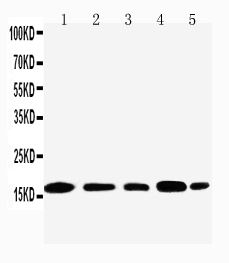
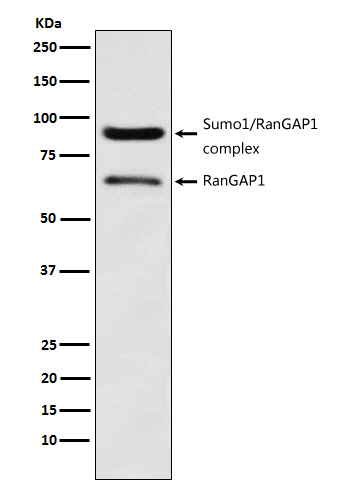
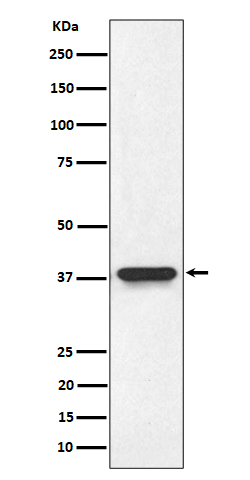
We validate the specificity of these antibodies to REST by testing them on tissues known to express REST positively and negatively. Browse below to find the REST antibody that suites your experiment. We have 42 of these antibodies and many publications and validation images.
If you cannot find antibodies that fit your needs, contact us for making custom antibodies. We have a full suite of custom antibody services covering from research to diagnostic and therapeutic applications.
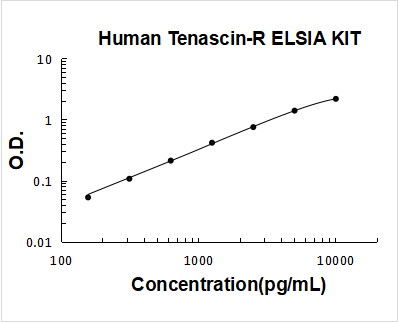
$480 Cat # EKC1303 1 kit, containing one 96-well plate and all necessary reagents
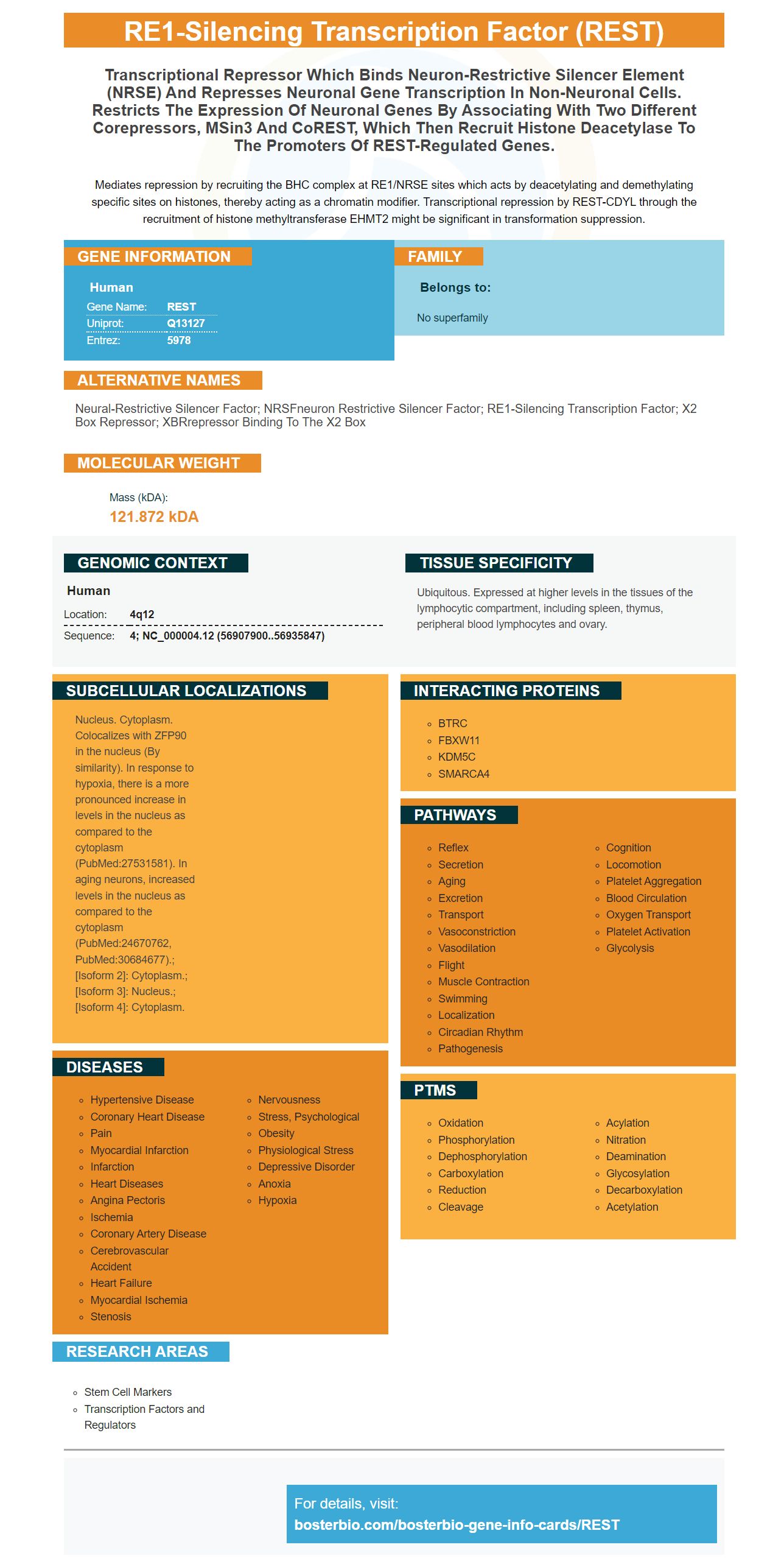
REST Overview
Facts about RE1-silencing transcription factor.
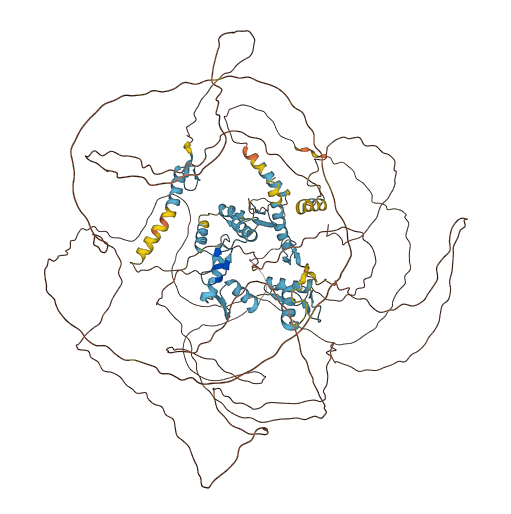
RE1-silencing transcription factor (REST)
Transcriptional repressor which binds neuron-restrictive silencer element (NRSE) and represses neuronal gene transcription in non-neuronal cells. Restricts the expression of neuronal genes by associating with two different corepressors, mSin3 and CoREST, which then recruit histone deacetylase to the promoters of REST-regulated genes.
Mediates repression by recruiting the BHC complex at RE1/NRSE sites which acts by deacetylating and demethylating specific sites on histones, thereby acting as a chromatin modifier. Transcriptional repression by REST-CDYL through the recruitment of histone methyltransferase EHMT2 might be significant in transformation suppression.
Gene Information
Human
Gene Name:
REST
Uniprot:
Q13127
Entrez:
5978
Family
Belongs to:
No superfamily
Alternative Names
Neural-restrictive silencer factor; NRSFneuron restrictive silencer factor; RE1-silencing transcription factor; X2 box repressor; XBRrepressor binding to the X2 box
Molecular Weight
Mass (kDA): 121.872 kDA
Genomic Context
Human
Location:
4q12
Sequence:
4; NC_000004.12 (56907900..56935847)
Tissue Specificity
Ubiquitous. Expressed at higher levels in the tissues of the lymphocytic compartment, including spleen, thymus, peripheral blood lymphocytes and ovary.
Subcellular Localizations
Nucleus. Cytoplasm. Colocalizes with ZFP90 in the nucleus (By similarity). In response to hypoxia, there is a more pronounced increase in levels in the nucleus as compared to the cytoplasm (PubMed:27531581). In aging neurons, increased levels in the nucleus as compared to the cytoplasm (PubMed:24670762, PubMed:30684677).; [Isoform 2]: Cytoplasm.; [Isoform 3]: Nucleus.; [Isoform 4]: Cytoplasm.

Diseases
Hypertensive Disease
Coronary Heart Disease
Pain
Myocardial Infarction
Infarction
Heart Diseases
Angina Pectoris
Ischemia
Coronary Artery Disease
Cerebrovascular Accident
Heart Failure
Myocardial Ischemia
Stenosis
Nervousness
Stress, Psychological
Obesity
Physiological Stress
Depressive Disorder
Anoxia
Hypoxia
Interacting Proteins
BTRC
FBXW11
KDM5C
SMARCA4
Pathways
Reflex
Secretion
Aging
Excretion
Transport
Vasoconstriction
Vasodilation
Flight
Muscle Contraction
Swimming
Localization
Circadian Rhythm
Pathogenesis
Cognition
Locomotion
Platelet Aggregation
Blood Circulation
Oxygen Transport
Platelet Activation
Glycolysis
PTMs
Oxidation
Phosphorylation
Dephosphorylation
Carboxylation
Reduction
Cleavage
Acylation
Nitration
Deamination
Glycosylation
Decarboxylation
Acetylation
Research Areas
Stem Cell Markers
Transcription Factors and Regulators
For details, visit: bosterbio.com/bosterbio-gene-info-cards/REST
References
PMID: 7697725 by Chong J.A., et al. REST: a mammalian silencer protein that restricts sodium channel gene expression to neurons.
PMID: 7871435 by Schoenherr C.J., et al. The neuron-restrictive silencer factor (NRSF): a coordinate repressor of multiple neuron-specific genes.