This website uses cookies to ensure you get the best experience on our website.


- Table of Contents
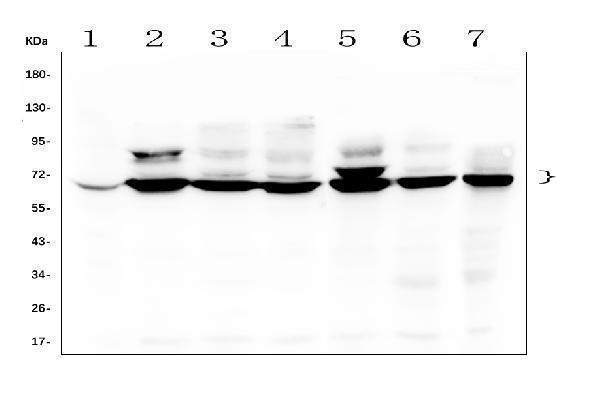
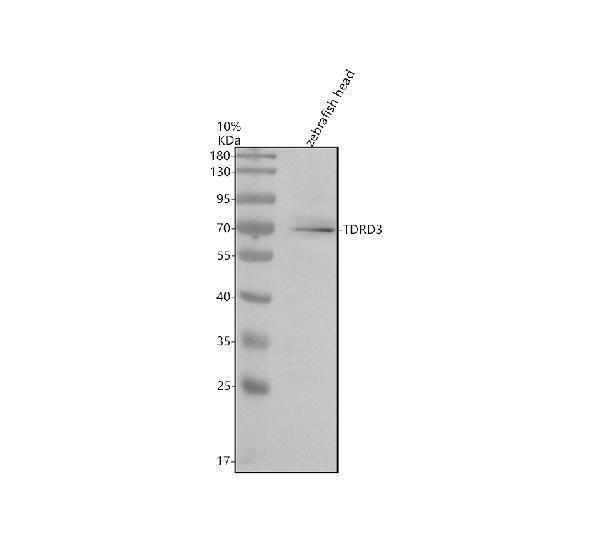
Designing a Western blot for TDRD3? The guide has the expected band size, antibodies backed by real blot images, the controls to run alongside, and protocols taken from published papers.
Open the TDRD3 Western Blot Guide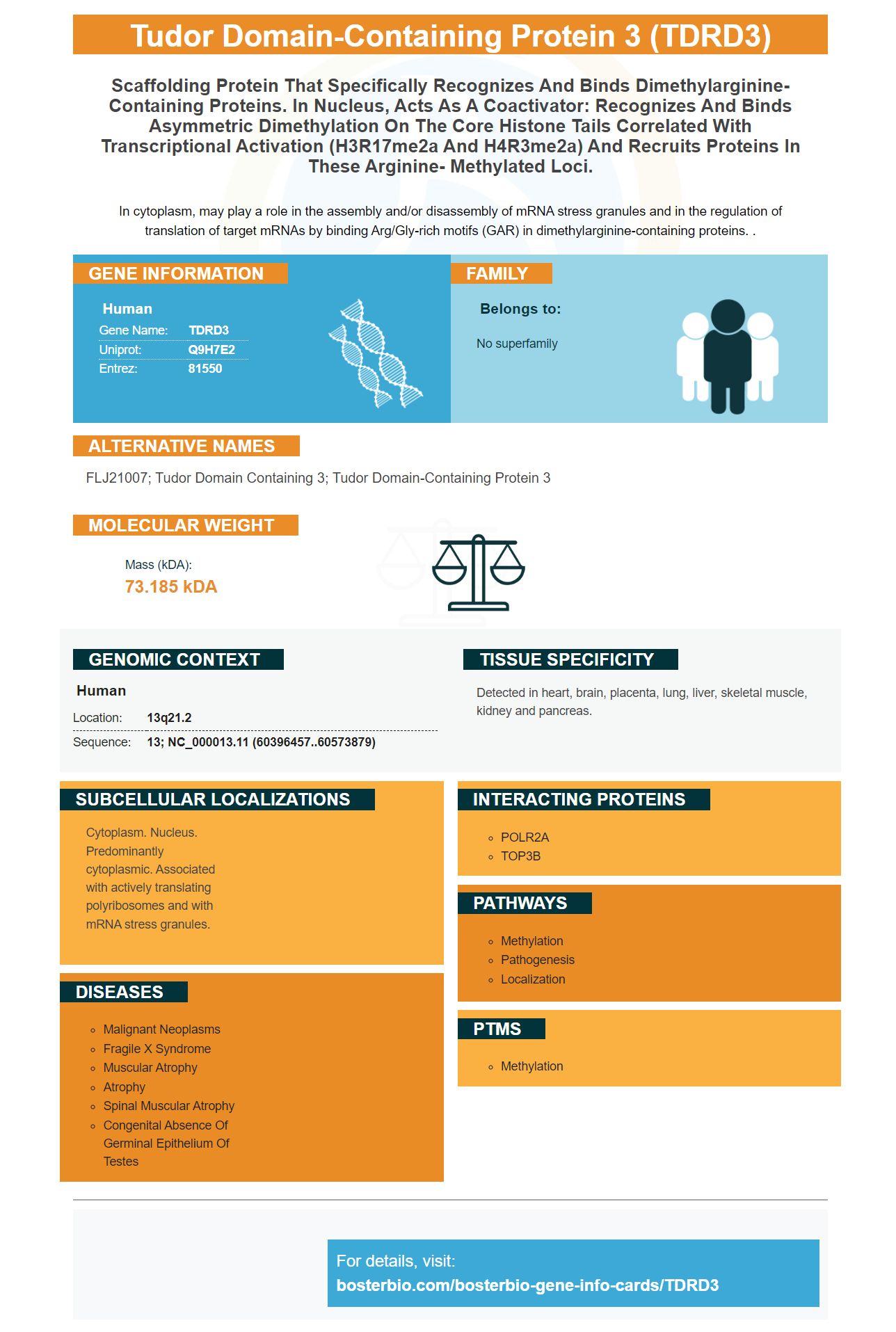
1 Citations
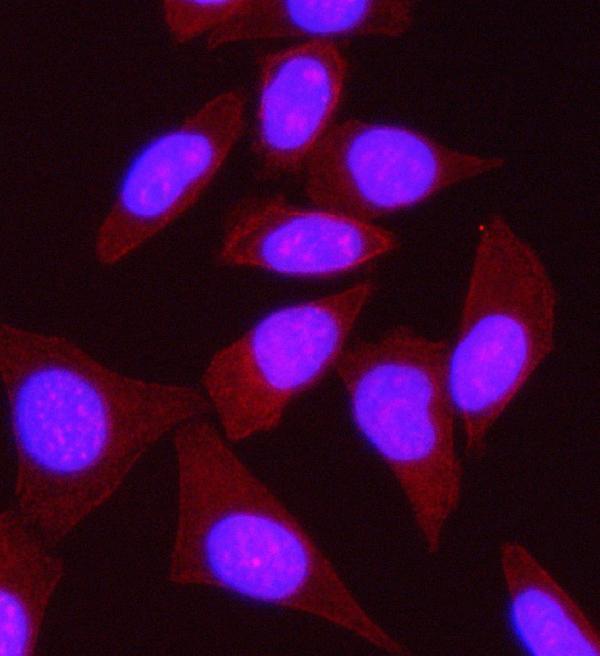
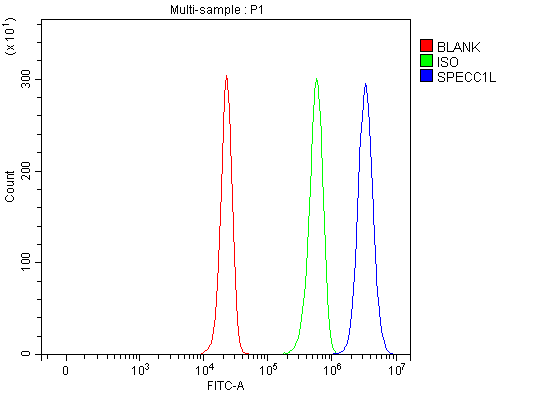

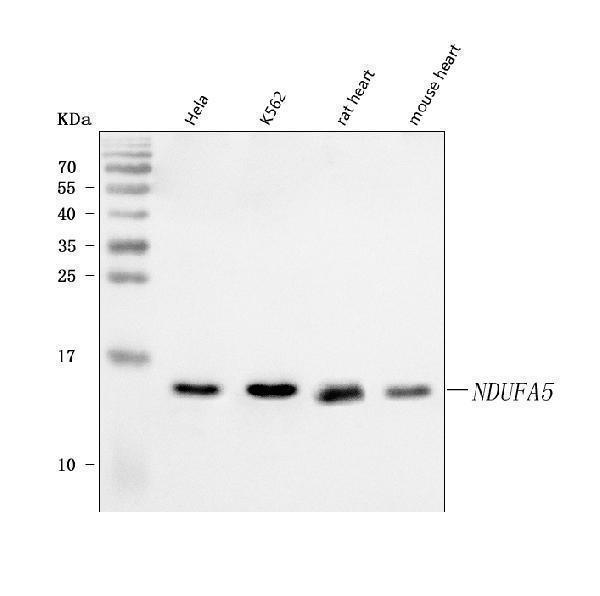
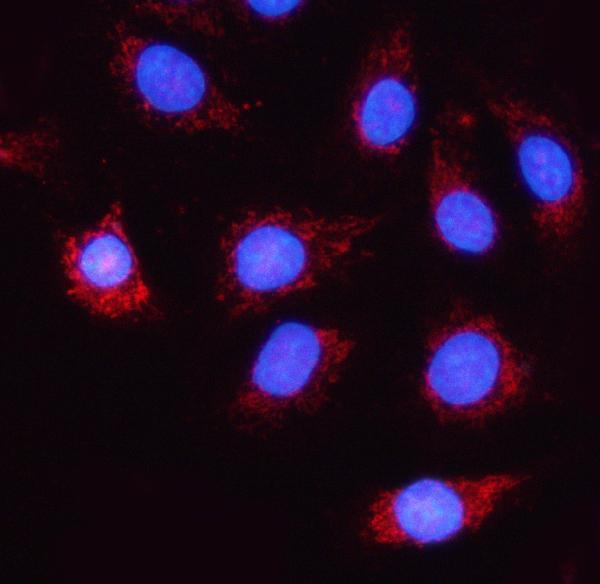
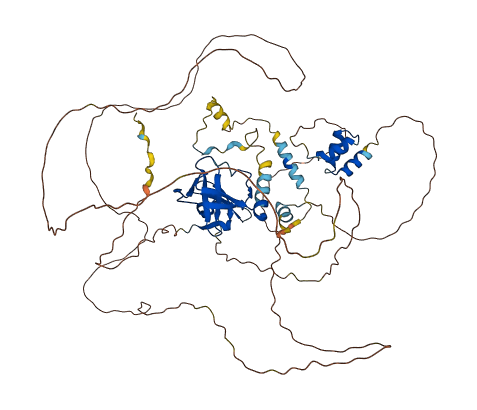
Facts about Tudor domain-containing protein 3.
In cytoplasm, may play a role in the assembly and/or disassembly of mRNA stress granules and in the regulation of translation of target mRNAs by binding Arg/Gly-rich motifs (GAR) in dimethylarginine-containing proteins. .
| Human | |
|---|---|
| Gene Name: | TDRD3 |
| Uniprot: | Q9H7E2 |
| Entrez: | 81550 |

| Belongs to: |
|---|
| No superfamily |

FLJ21007; tudor domain containing 3; tudor domain-containing protein 3
Mass (kDA):
73.185 kDA

| Human | |
|---|---|
| Location: | 13q21.2 |
| Sequence: | 13; NC_000013.11 (60396457..60573879) |
Detected in heart, brain, placenta, lung, liver, skeletal muscle, kidney and pancreas.
Cytoplasm. Nucleus. Predominantly cytoplasmic. Associated with actively translating polyribosomes and with mRNA stress granules.





PMID: 18632687 by Goulet I., et al. TDRD3, a novel Tudor domain-containing protein, localizes to cytoplasmic stress granules.
PMID: 15955813 by Cote J., et al. Tudor domains bind symmetrical dimethylated arginines.