This website uses cookies to ensure you get the best experience on our website.


- Table of Contents
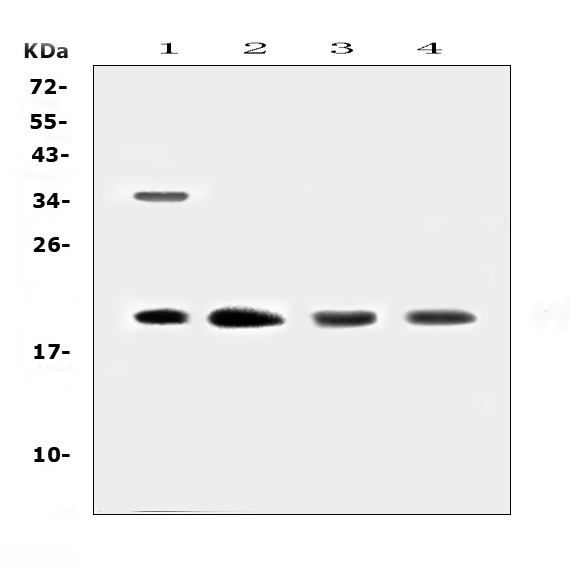
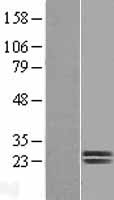
Designing a Western blot for Dermatopontin? The guide has the expected band size, antibodies backed by real blot images, the controls to run alongside, and protocols taken from published papers.
Open the DPT Western Blot Guide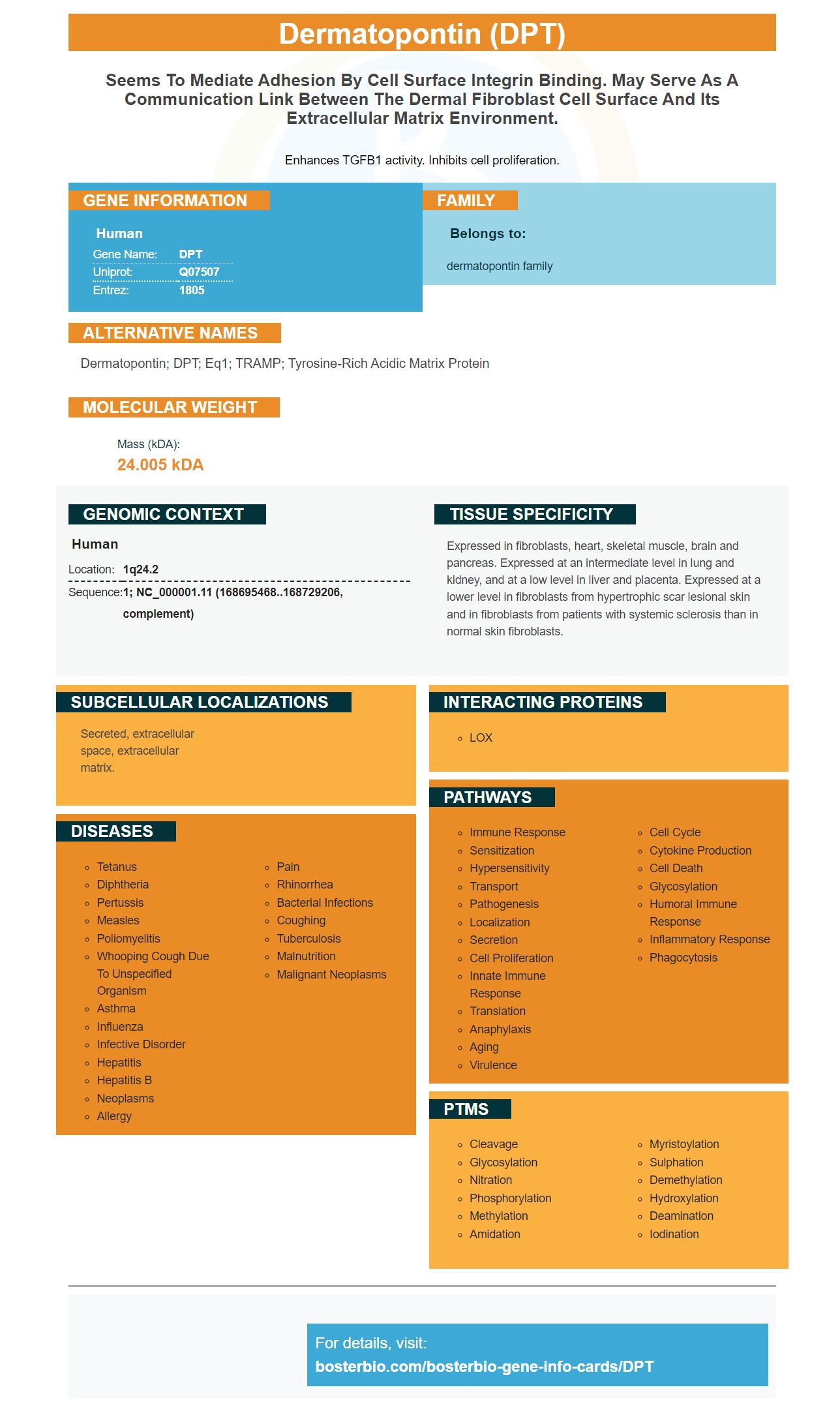

Facts about Dermatopontin.

Enhances TGFB1 activity. Inhibits cell proliferation.
| Human | |
|---|---|
| Gene Name: | DPT |
| Uniprot: | Q07507 |
| Entrez: | 1805 |
| Belongs to: |
|---|
| dermatopontin family |

Dermatopontin; DPT; Eq1; TRAMP; Tyrosine-rich acidic matrix protein
Mass (kDA):
24.005 kDA

| Human | |
|---|---|
| Location: | 1q24.2 |
| Sequence: | 1; NC_000001.11 (168695468..168729206, complement) |
Expressed in fibroblasts, heart, skeletal muscle, brain and pancreas. Expressed at an intermediate level in lung and kidney, and at a low level in liver and placenta. Expressed at a lower level in fibroblasts from hypertrophic scar lesional skin and in fibroblasts from patients with systemic sclerosis than in normal skin fibroblasts.
Secreted, extracellular space, extracellular matrix.





PMID: 8104875 by Superti-Furga A., et al. Complementary DNA sequence and chromosomal mapping of a human proteoglycan-binding cell-adhesion protein (dermatopontin).
PMID: 10233760 by Kuroda K., et al. Dermatopontin expression is decreased in hypertrophic scar and systemic sclerosis skin fibroblasts and is regulated by transforming growth factor-beta1, interleukin-4, and matrix collagen.
*More publications can be found for each product on its corresponding product page