This website uses cookies to ensure you get the best experience on our website.


- Table of Contents
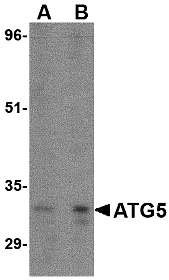
Designing a Western blot for Autophagy protein 5? The guide has the expected band size, antibodies backed by real blot images, the controls to run alongside, and protocols taken from published papers.
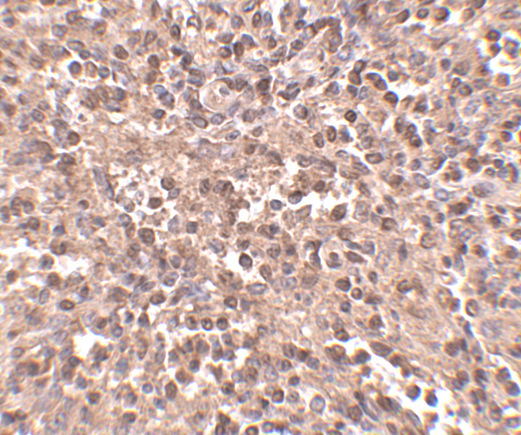
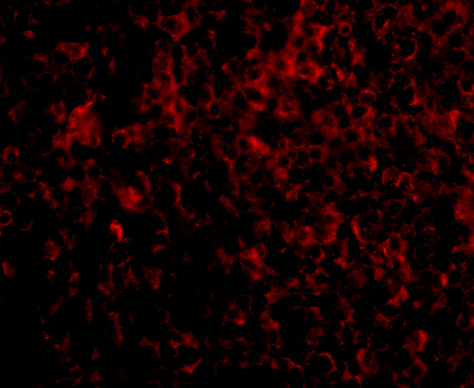
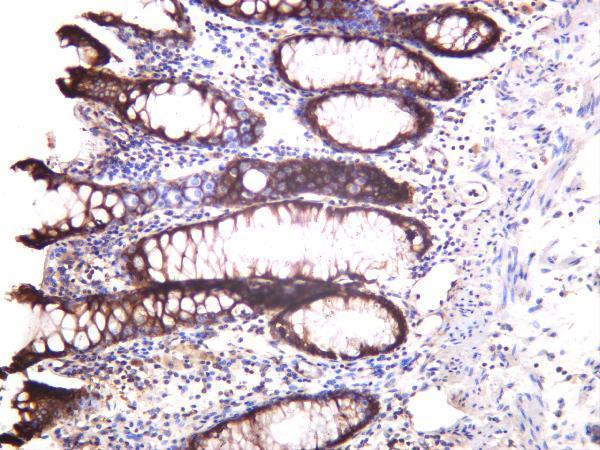
Open the ATG5 Western Blot GuideDesigning an IHC experiment for Autophagy protein 5? The guide has the expected staining pattern, antigen retrieval and fixation, antibodies backed by real IHC images, the tissue controls to run alongside, and protocols taken from published papers.
Open the ATG5 IHC Guide
14 Citations
14 Citations

Facts about Autophagy protein 5.

Involved in mitochondrial quality control after oxidative damage, and in following cellular longevity. Plays a critical role in a number of facets of lymphocyte development and is critical for both B and T lymphocyte survival and proliferation.
| Human | |
|---|---|
| Gene Name: | ATG5 |
| Uniprot: | Q9H1Y0 |
| Entrez: | 9474 |

| Belongs to: |
|---|
| ATG5 family |

APG5 autophagy 5-like (S. cerevisiae); APG5; APG5LS. cerevisiae)-like; ASP; ASPAPG5-LIKE; ATG5 autophagy related 5 homolog (S. cerevisiae); ATG5; Autophagy protein 5
Mass (kDA):
32.447 kDA

| Human | |
|---|---|
| Location: | 6q21 |
| Sequence: | 6; NC_000006.12 (106184476..106325820, complement) |
Ubiquitous. The mRNA is present at similar levels in viable and apoptotic cells, whereas the protein is dramatically highly expressed in apoptotic cells.
Cytoplasm. Preautophagosomal structure membrane; Peripheral membrane protein. Colocalizes with nonmuscle actin. The conjugate detaches from the membrane immediately before or after autophagosome formation is completed (By similarity). Localizes also to discrete punctae along the ciliary axoneme and to the base of the ciliary axoneme.





PMID: 9563500 by Hammond E.M., et al. Homology between a human apoptosis specific protein and the product of APG5, a gene involved in autophagy in yeast.
PMID: 7796880 by Grand R.J.A., et al. A novel protein expressed in mammalian cells undergoing apoptosis.
*More publications can be found for each product on its corresponding product page