This website uses cookies to ensure you get the best experience on our website.


- Table of Contents
Antigen retrieval is essential in immunohistochemistry (IHC) due to protein cross-linking caused by formalin fixation, which masks antigenic sites and hinders antibody binding. Formaldehyde fixation usually generates methylene bridges which cross-link proteins and therefore mask the epitope of interest. It is essential to unmask the antibody epitopes in order to allow the antibodies to bind, either by heat (Heat Induced Epitope Retrieval: HIER) or enzymatic digestion (Proteolytic Induced Epitope Retrieval: PIER). To find the optimal antigen recovery method, we suggest that you test both HIER and PIER methods, compare their results and optimize the method as needed. Here are some tips to do this or consider working with professional IHC services for support with complex optimization:
HIER and PIER are the two primary methods used to unmask epitopes, each offering distinct advantages depending on the tissue type and target antigen.
The HIER method can be implemented by microwave, high pressure or water bath. It breaks the methylene bridges and exposes the epitope to allow the antibodies to bind by continuously heating. Compared to PIER, HIER has a gentler experimental condition in which users have more control over the experimental parameters. However, the pH and buffers for HIER must be optimized and determined for each new antibody/antigen target. The following antigen retrieval reagents are recommended:
Slides are commonly treated using a microwave, pressure cooker, steamer, or water bath.
Epitopes can be exposed by incubation with proteases which can break the methylene bridges. The choice for digestion enzymes depends on the antigenic components. PIER is suitable for retrieving more difficult epitopes while the pH for incubation is usually known. However, PIER is a harsher method and can damage tissue morphology.
| Enzyme | Working Concentration | Digestion Condition |
|---|---|---|
| Trypsin | 0.05% to 0.1% | 37°C (10 to 40 min)* |
| Proteinase K | 20 µg/mL | 37°C (20 min) |
| Pepsin | 0.4% | 37°C (30 to 180 min) |
* The reaction time can be increased for certain worn-out tissues. Fresh trypsin solution should be prepared with pH adjusted to 7.6 and used at 37°C
Choosing between PIER and HIER depends on the nature of the tissue, antigen, and antibody. HIER is generally the first-line method due to its controlled conditions, better preservation of tissue morphology, and compatibility with a wide range of antibodies. It’s especially effective when buffer pH and heating parameters are optimized for the specific target.
However, PIER is preferred when heat treatment causes tissue or epitope damage, or when enzyme-based retrieval is specifically recommended by the antibody supplier or supported by literature. Though PIER is harsher and may risk over-digestion, it can effectively recover difficult or heat-sensitive epitopes. In practice, testing both methods and comparing the results is the most reliable approach for optimizing antigen retrieval. For complex or challenging targets, working with specialized IHC services can further improve reproducibility and data quality.
*Note to educators: You are permitted to share Boster Bio's resources and PDFs on your class websites and lab websites. Please make sure to cite or link to the origin.
IHC Validated Antibodies - Limited Time Discount Now!
Boster's Time-Saving IHC Products
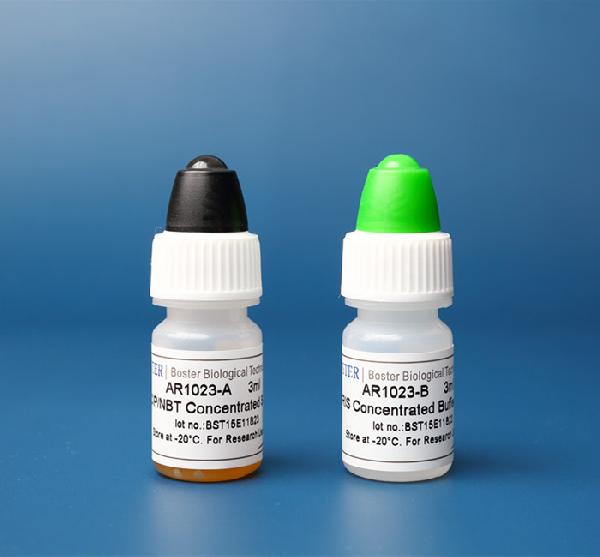
BCIP/ NBT Chromogenic Substrate Kit
| SKU | AR1023 |
|---|---|
| Size | 1 kit |
| Application | IHC |

Citrate Buffer Powder
| SKU | AR0024 |
|---|---|
| Size | 1 pack |
| Application | IHC (HIER) |
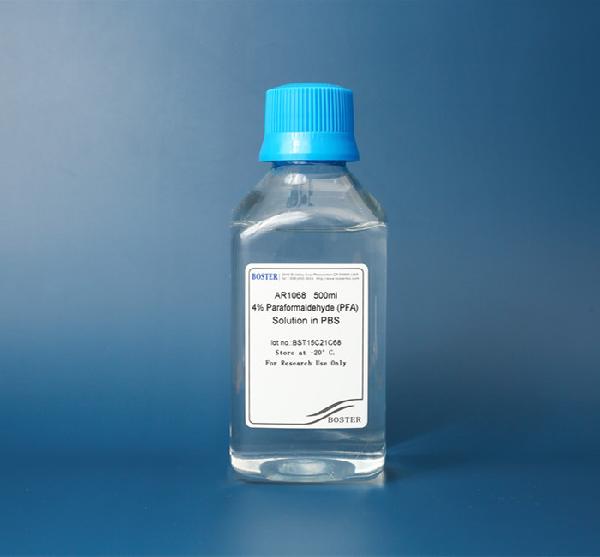
4% Paraformaldehyde (PFA) Solution In PBS
| SKU | AR1068 |
|---|---|
| Size | 500ml |
| Applications | IHC |
Boster Guarantee
All Boster antibodies and ELISA kits are guaranteed to meet the specifications on the data sheet. We promise to thoroughly investigate any concerns about the quality of our products; if you encounter a problem with a Boster antibody or ELISA kit, our technical support team will respond with personalized advice within 24 hours. If we can’t make your experiment work, we will refund your purchase in full or provide a replacement free of charge.

Product Review

Anti-GRP94 Antibody (PA1340)
Review: "This is an excellent antibody to endoplasmin in HC11 cells. Clean, reliable detection with very little if any background. Great antibody for Westerns. Could probably be optimized for 1 hour primary incubation."
About Boster Biological Technology
Here are some quick facts about bosterbio.com