This website uses cookies to ensure you get the best experience on our website.


- Table of Contents
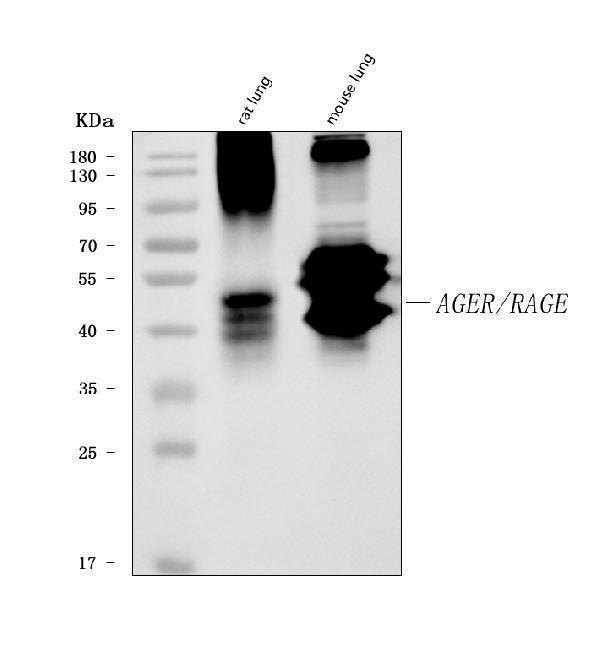
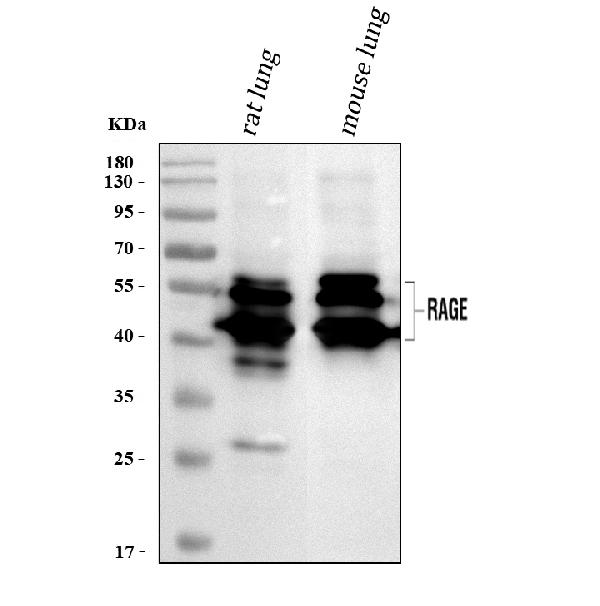
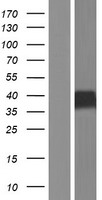
Designing a Western blot for AGER? The guide has the expected band size, antibodies backed by real blot images, the controls to run alongside, and protocols taken from published papers.
Open the AGER Western Blot Guide
6 Citations

6 Citations
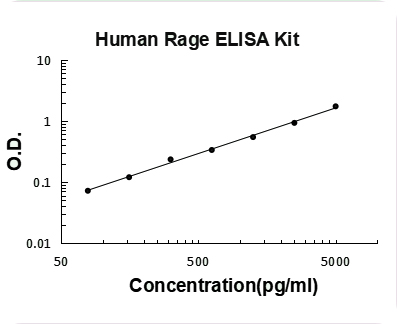
5 Citations
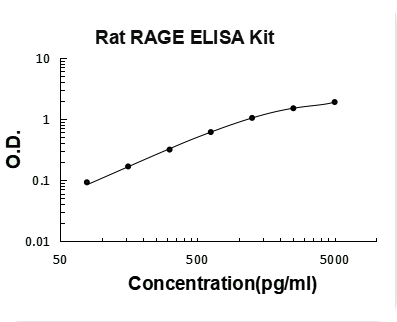
2 Citations
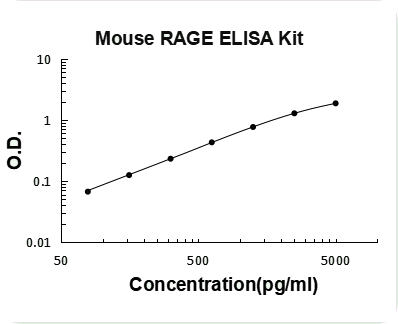
2 Citations


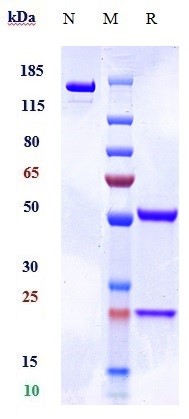
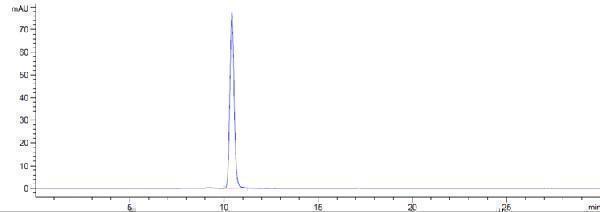

Facts about Advanced glycosylation end product-specific receptor.
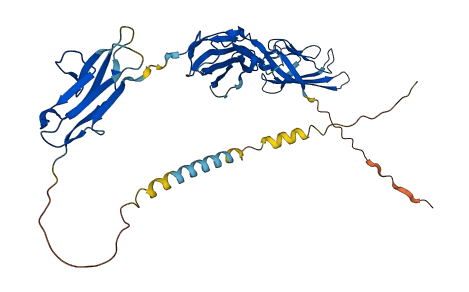
Acts as a mediator of both acute and chronic vascular inflammation in conditions such as atherosclerosis and specifically as a complication of diabetes. AGE/RAGE signaling plays an important role in regulating the production/expression of TNF- alpha, oxidative stress, and endothelial dysfunction in type 2 diabetes.
| Human | |
|---|---|
| Gene Name: | AGER |
| Uniprot: | Q15109 |
| Entrez: | 177 |
| Belongs to: |
|---|
| No superfamily |

advanced glycosylation end product-specific receptor; AGER; RAGE isoform delta; RAGE isoform sRAGE-delta; RAGE; Receptor for advanced glycosylation end products; receptor for advanced glycosylation end-products; SCARJ1
Mass (kDA):
42.803 kDA

| Human | |
|---|---|
| Location: | 6p21.32 |
| Sequence: | 6; NC_000006.12 (32180968..32184380, complement) |
Endothelial cells.
[Isoform 1]: Cell membrane; Single-pass type I membrane protein.; [Isoform 2]: Secreted.; [Isoform 10]: Cell membrane; Single-pass type I membrane protein.




PMID: 1378843 by Neeper M., et al. Cloning and expression of a cell surface receptor for advanced glycosylation end products of proteins.
PMID: 7835890 by Sugaya K., et al. Three genes in the human MHC class III region near the junction with the class II: gene for receptor of advanced glycosylation end products, PBX2 homeobox gene and a notch homolog, human counterpart of mouse mammary tumor gene int-3.
*More publications can be found for each product on its corresponding product page