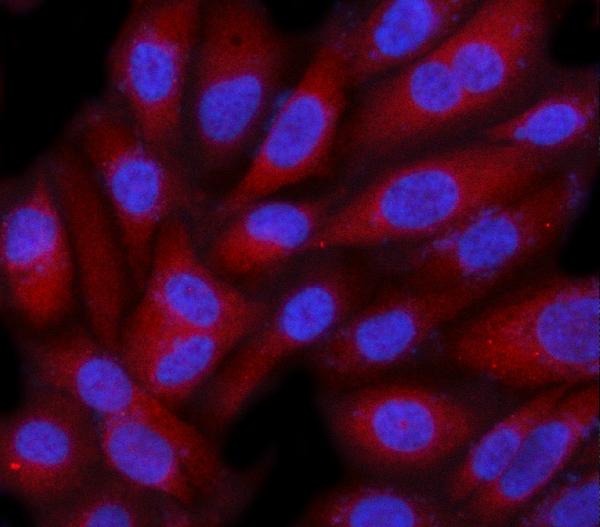
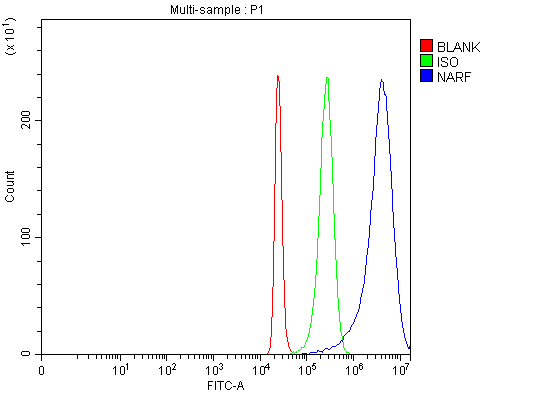
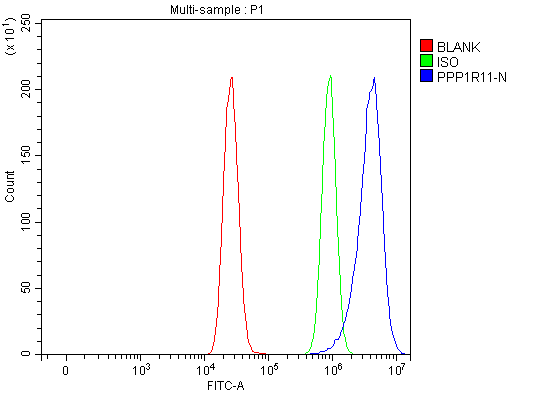
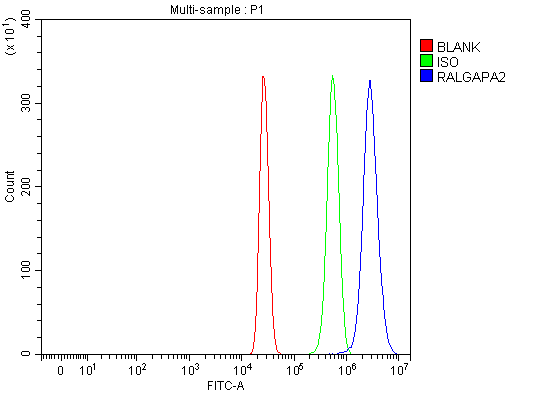
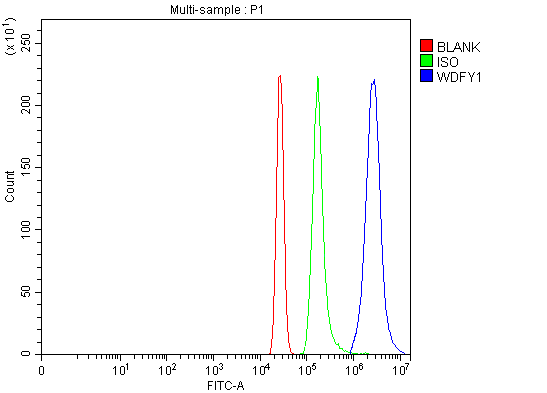
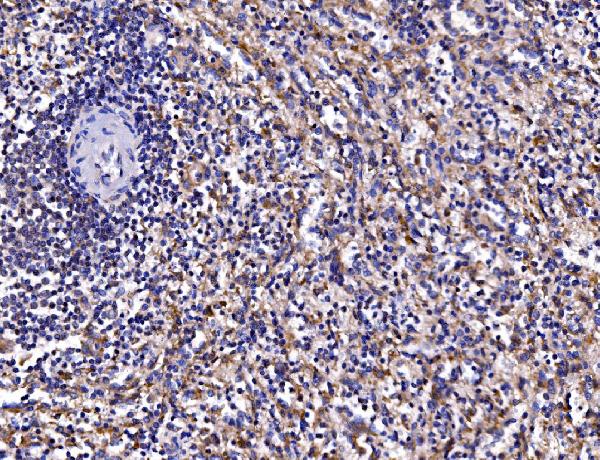
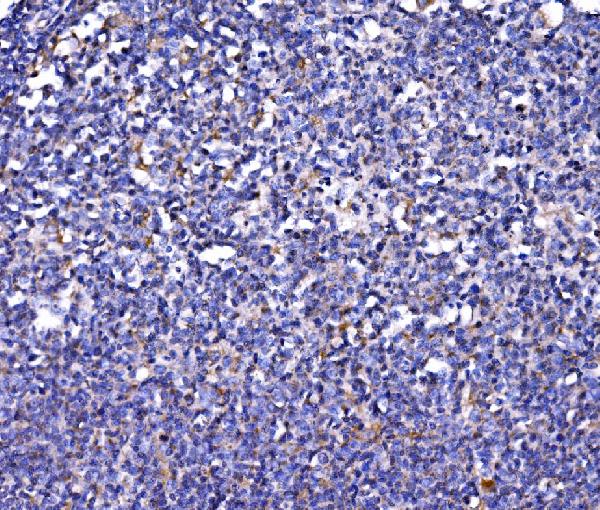
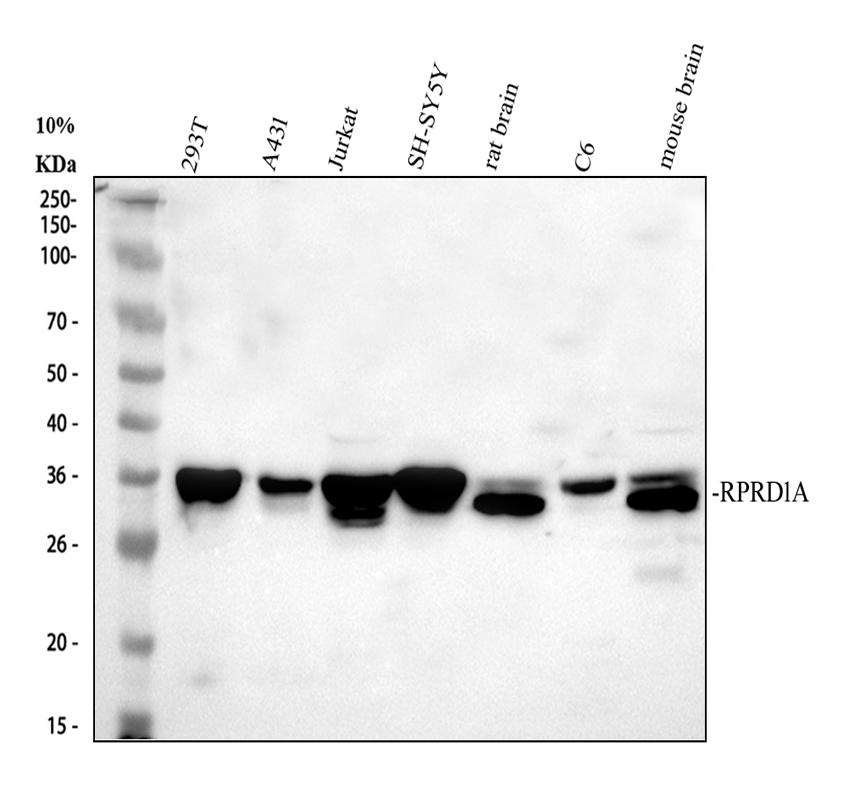
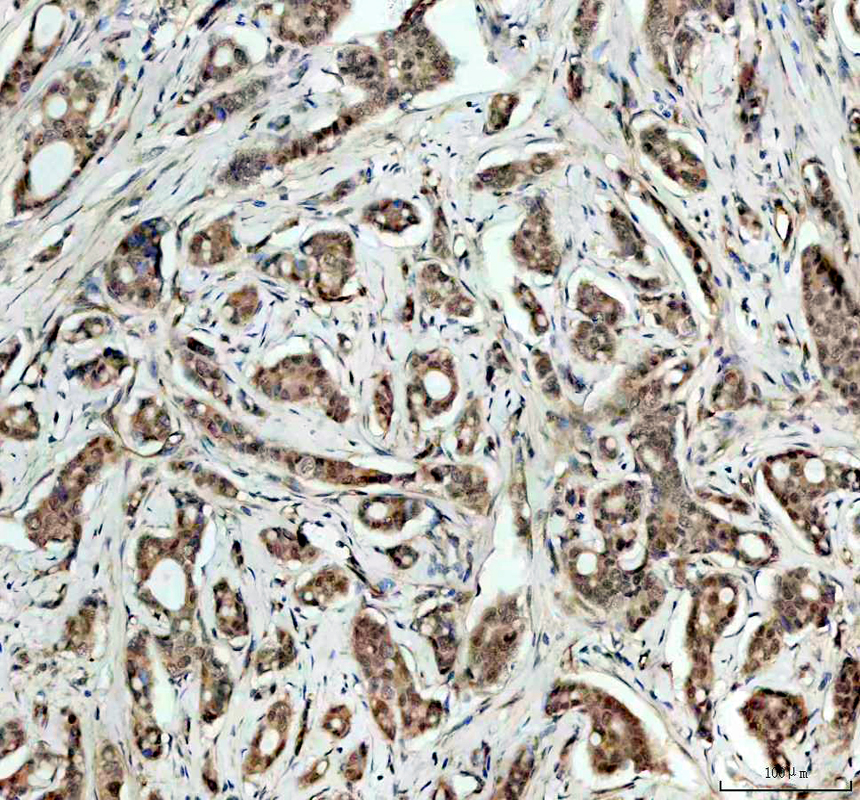
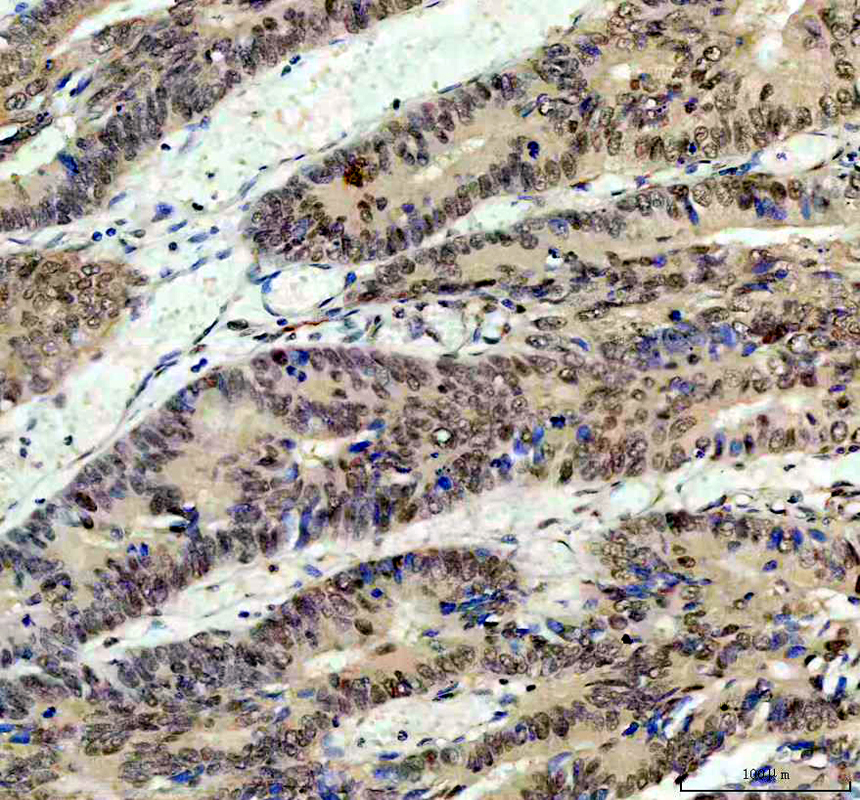
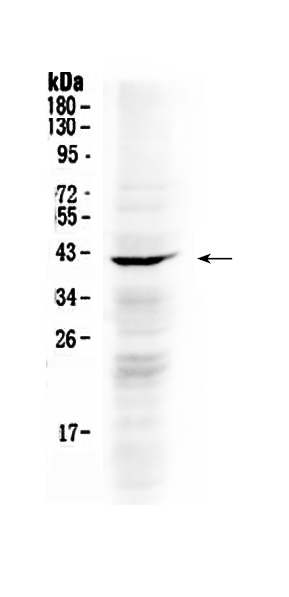
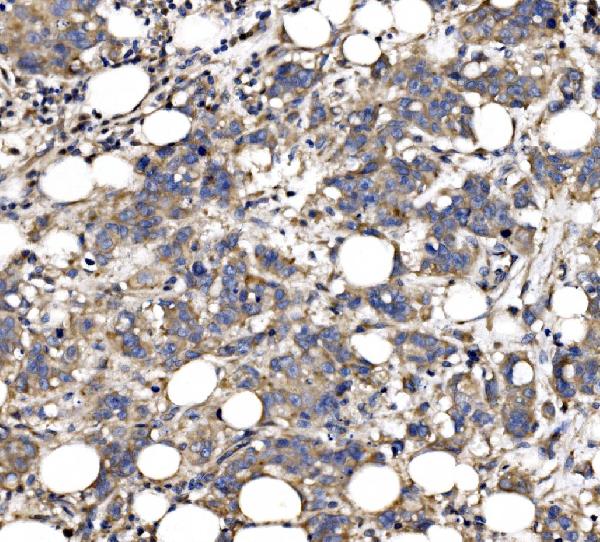
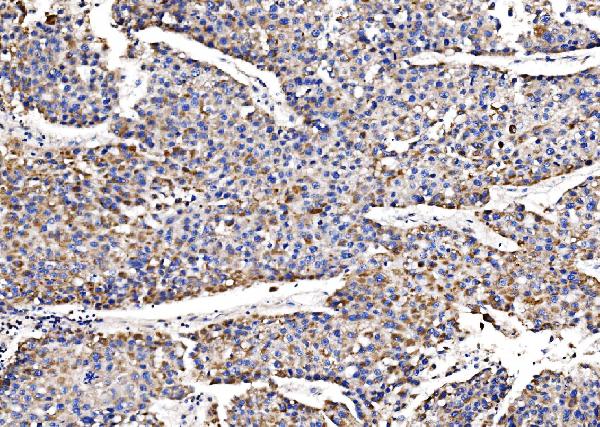
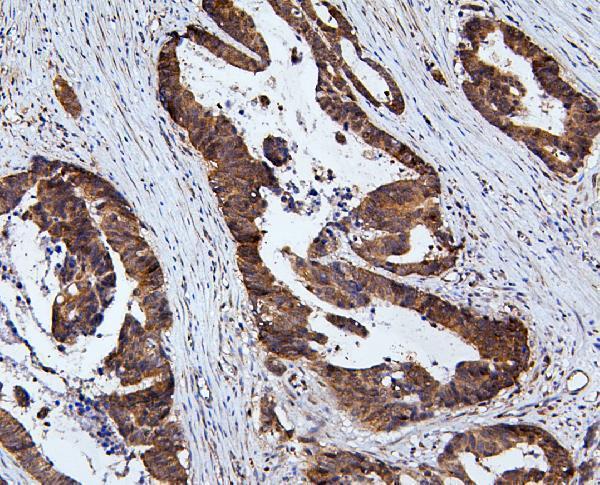
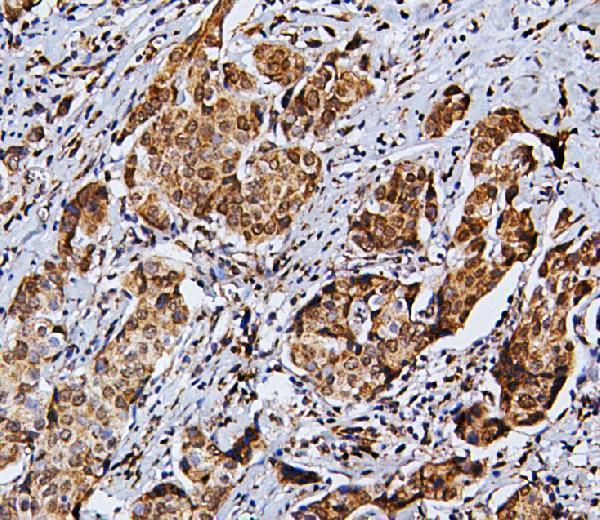
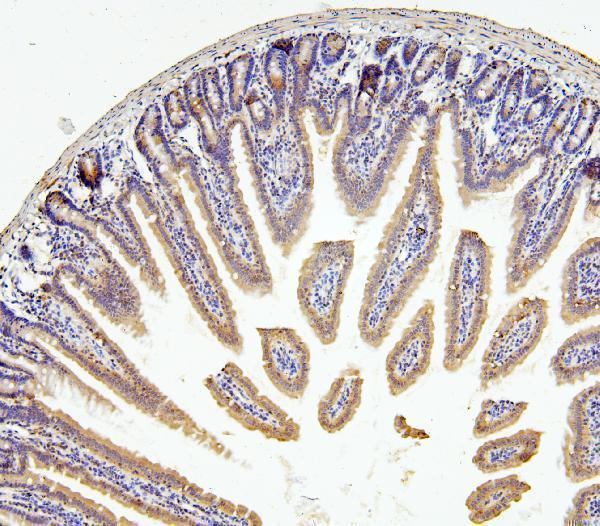
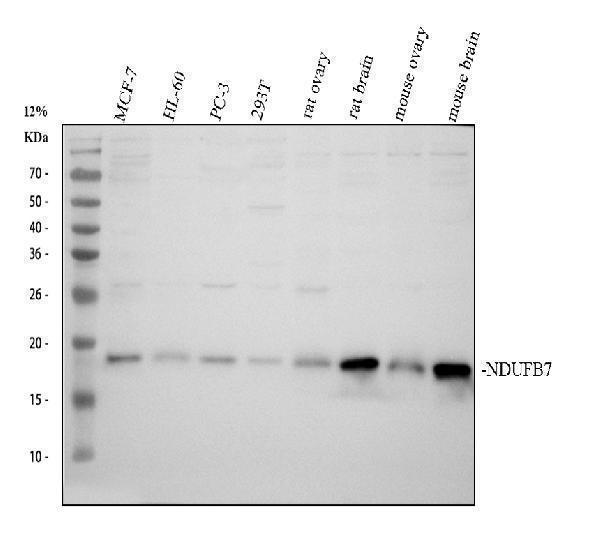
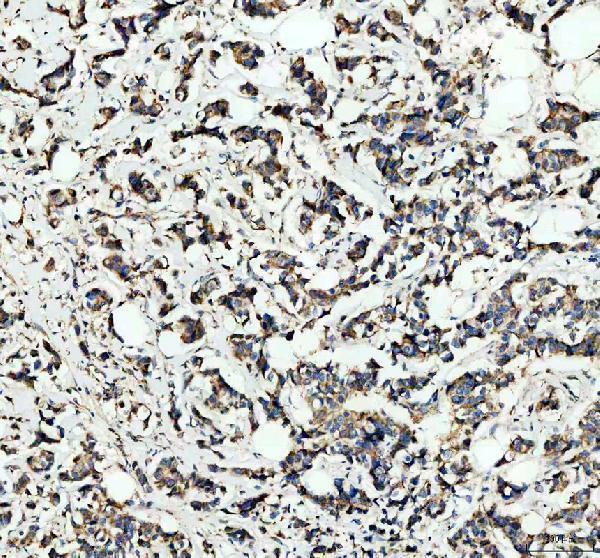
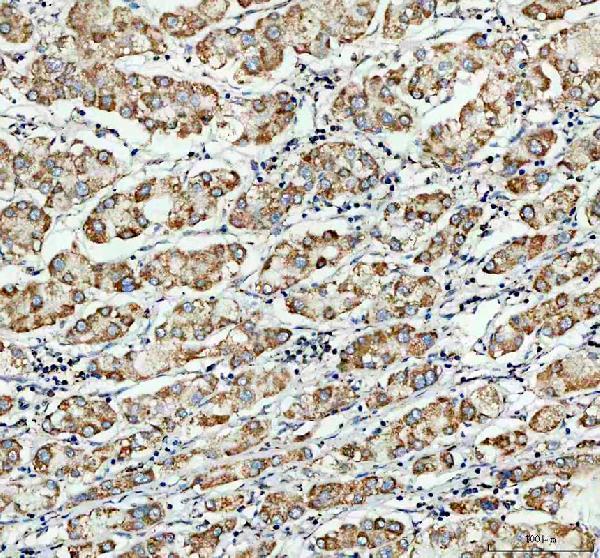
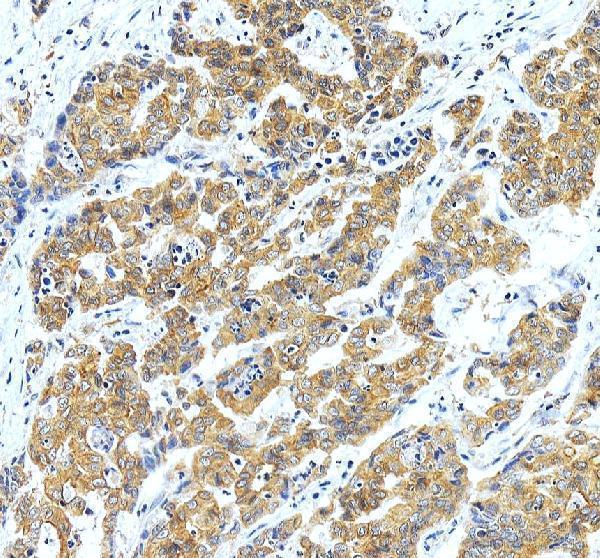
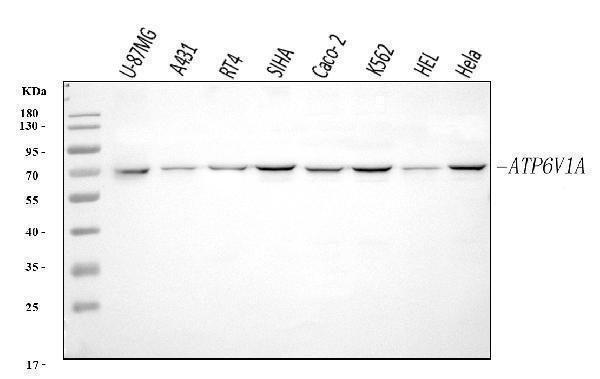
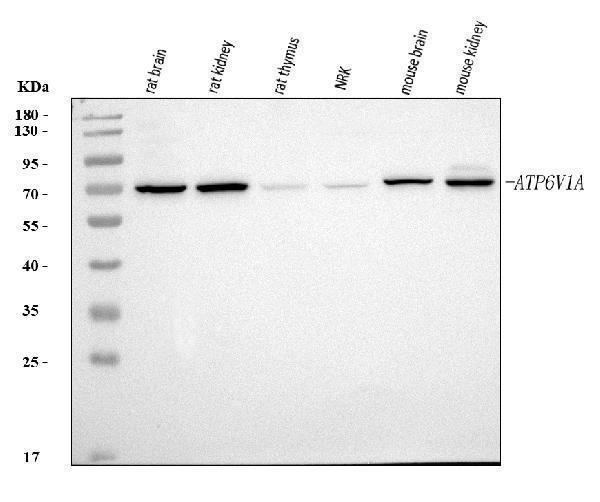
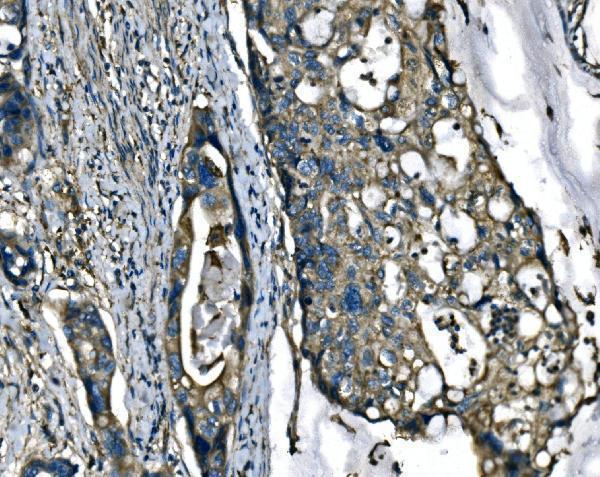
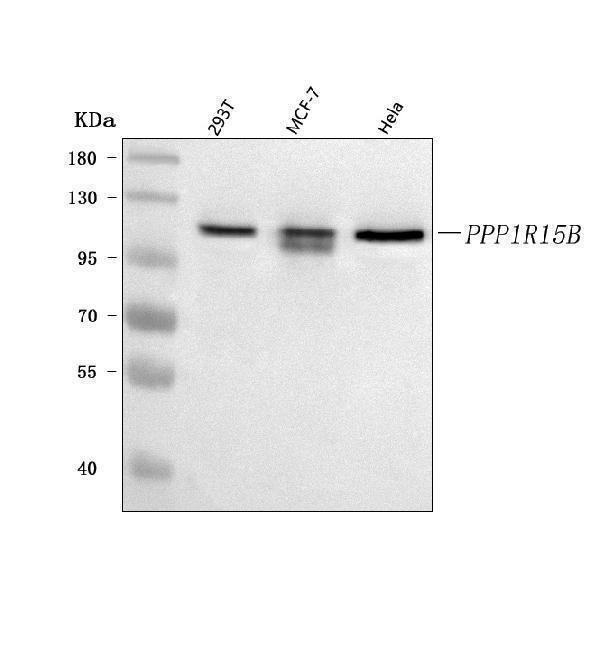
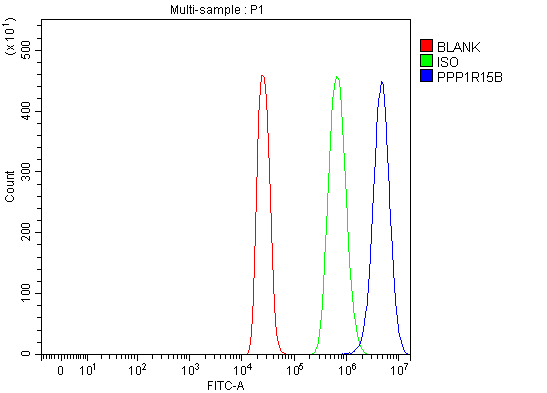
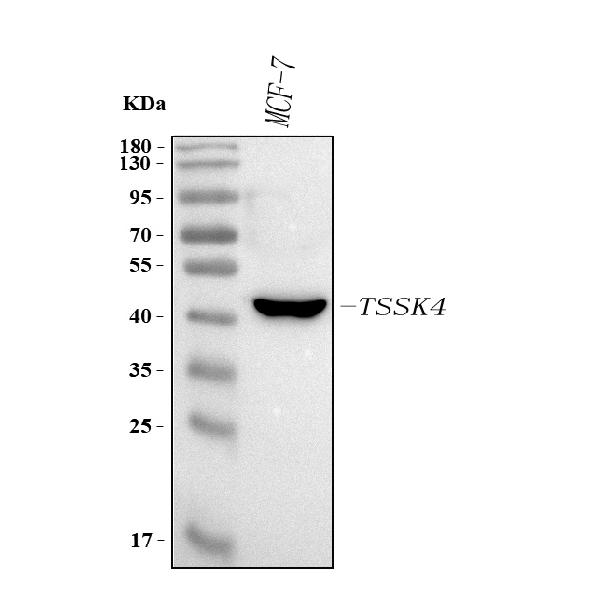
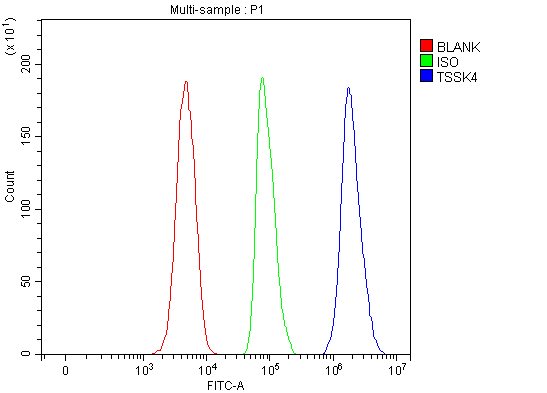
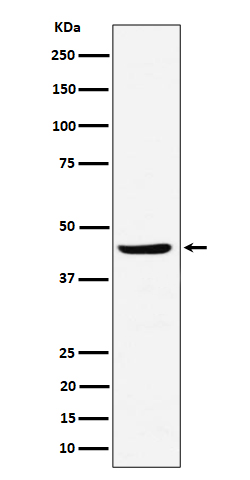
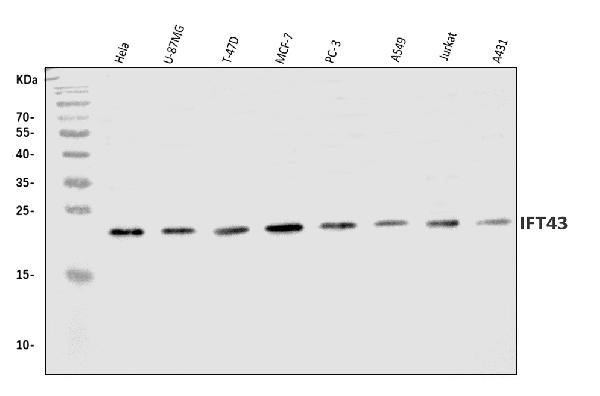
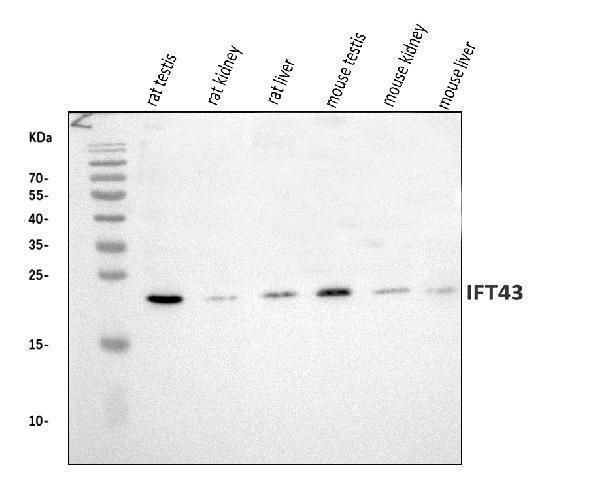
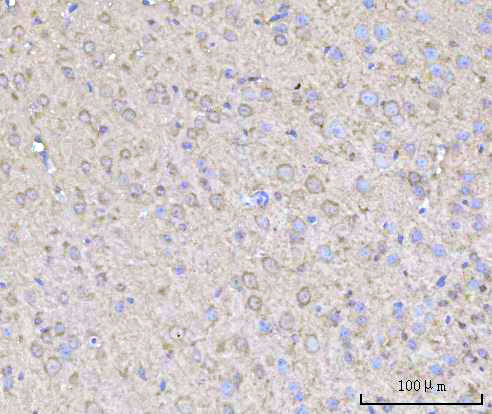
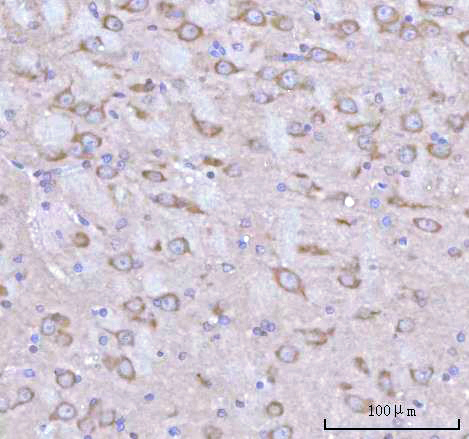
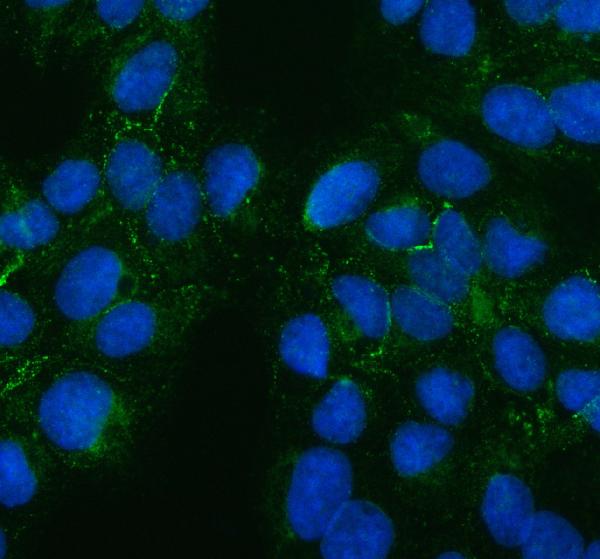
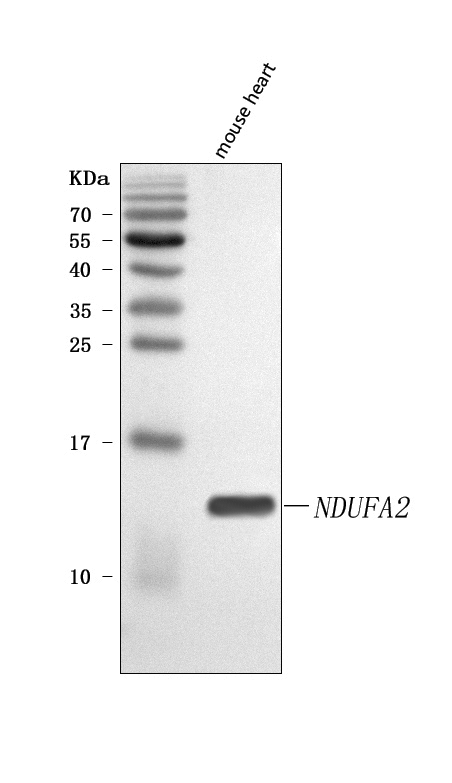
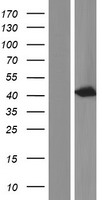
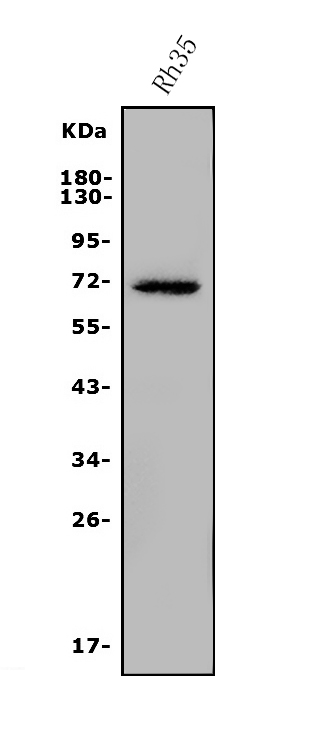
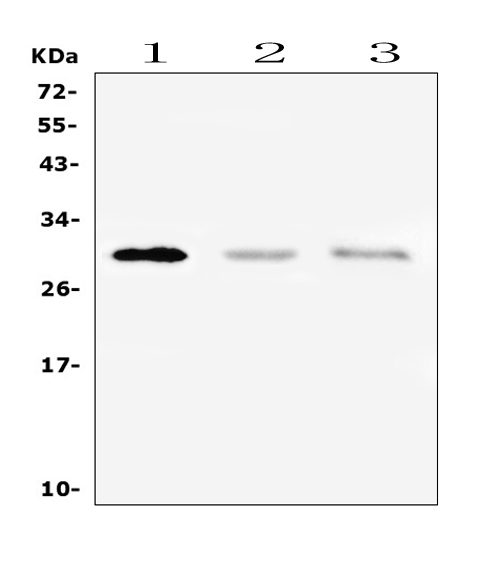
Many biological assays use antibodies to detect Protein NDRG3, such as Western Blot (WB), ELISA, Flow Cytometry, Immunocytochemistry (IHC). These antibodies can be polyclonal or monoclonal, and react with Protein NDRG3 in Human, Mouse, Rat, and many other animal samples. Boster Bio use mainly mouse and rabbit to develop Protein NDRG3 antibodies...
We validate the specificity of these antibodies to Protein NDRG3 by testing them on tissues known to express Ndrg3 positively and negatively. Browse below to find the Ndrg3 antibody that suites your experiment. We have 63 of these antibodies and many publications and validation images.
If you cannot find antibodies that fit your needs, contact us for making custom antibodies. We have a full suite of custom antibody services covering from research to diagnostic and therapeutic applications.
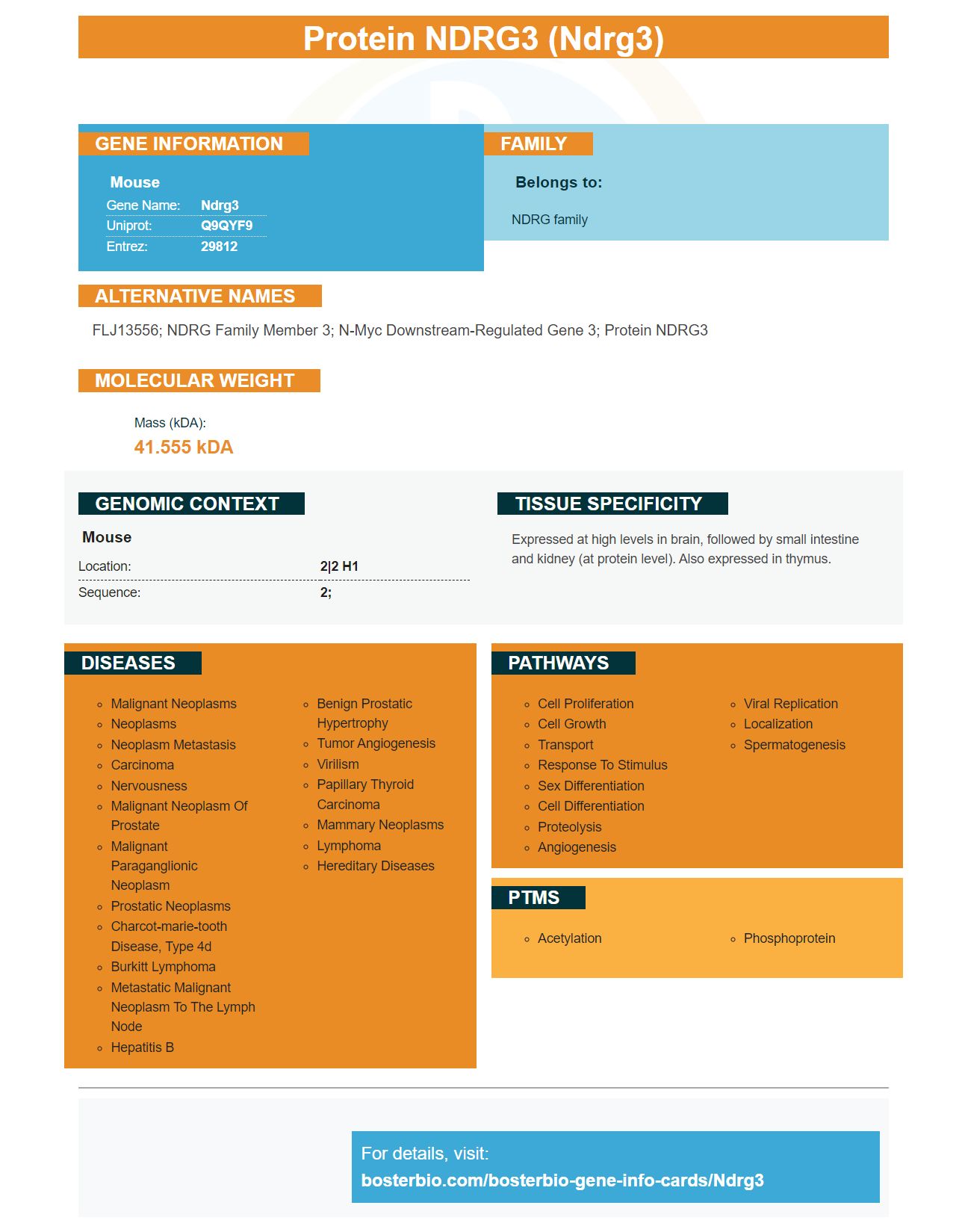
FLJ13556; NDRG family member 3; N-myc downstream-regulated gene 3; protein NDRG3
Molecular Weight
Mass (kDA): 41.555 kDA
Genomic Context
Mouse
Location:
2|2 H1
Sequence:
2;
Tissue Specificity
Expressed at high levels in brain, followed by small intestine and kidney (at protein level). Also expressed in thymus.
Diseases
Malignant Neoplasms
Neoplasms
Neoplasm Metastasis
Carcinoma
Nervousness
Malignant Neoplasm Of Prostate
Malignant Paraganglionic Neoplasm
Prostatic Neoplasms
Charcot-marie-tooth Disease, Type 4d
Burkitt Lymphoma
Metastatic Malignant Neoplasm To The Lymph Node
Hepatitis B
Benign Prostatic Hypertrophy
Tumor Angiogenesis
Virilism
Papillary Thyroid Carcinoma
Mammary Neoplasms
Lymphoma
Hereditary Diseases
Pathways
Cell Proliferation
Cell Growth
Transport
Response To Stimulus
Sex Differentiation
Cell Differentiation
Proteolysis
Angiogenesis
Viral Replication
Localization
Spermatogenesis
PTMs
Acetylation
Phosphoprotein
For details, visit: bosterbio.com/bosterbio-gene-info-cards/Ndrg3
References
PMID: 10581191 by Okuda T., et al. Identification of new genes ndr2 and ndr3 which are related to Ndr1/RTP/Drg1 but show distinct tissue specificity and response to N- myc.
PMID: 21636852 by Yamamoto H., et al. NDRG4 protein-deficient mice exhibit spatial learning deficits and vulnerabilities to cerebral ischemia.