This website uses cookies to ensure you get the best experience on our website.


- Table of Contents
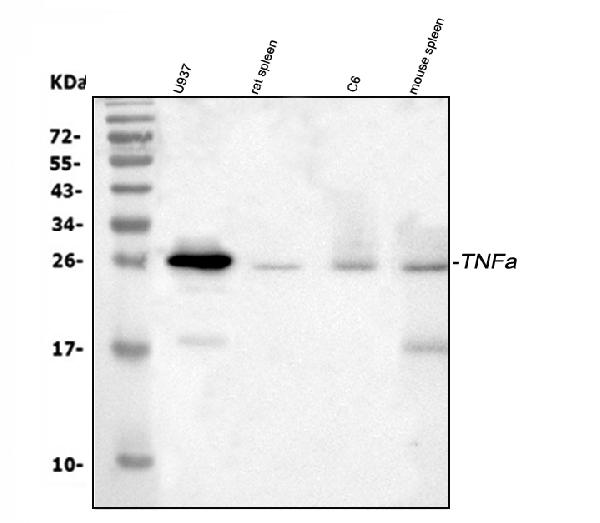
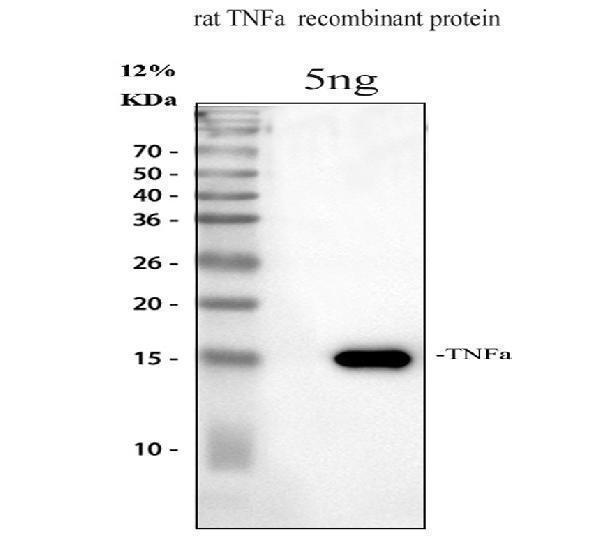
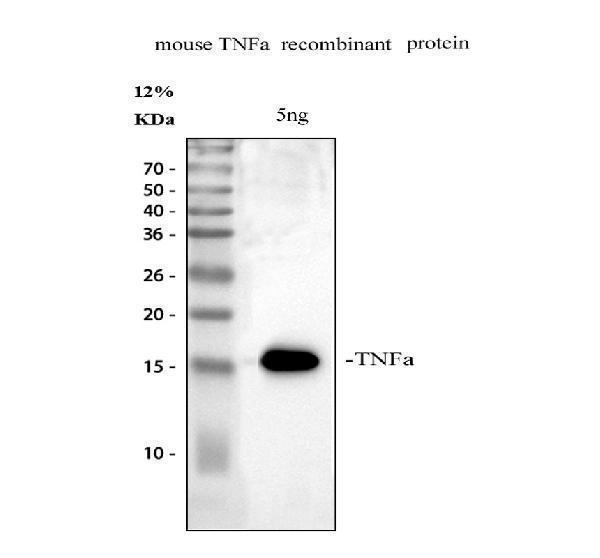
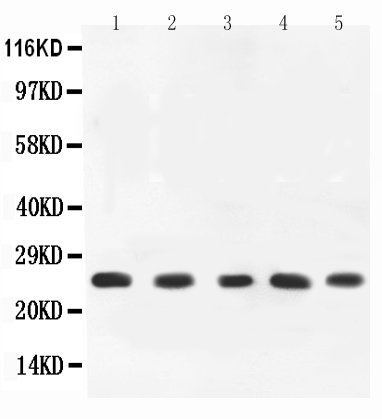
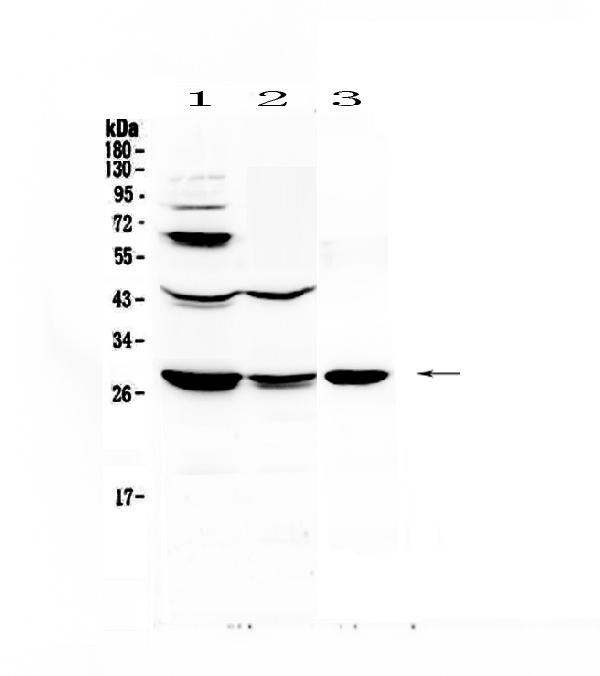
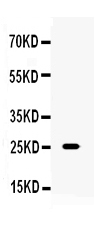
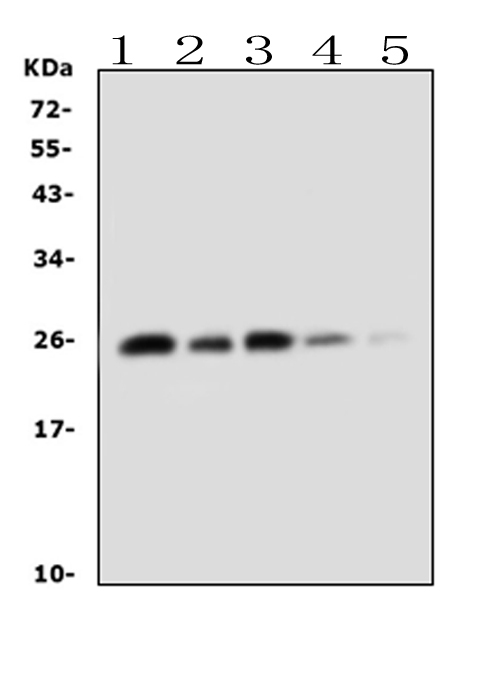
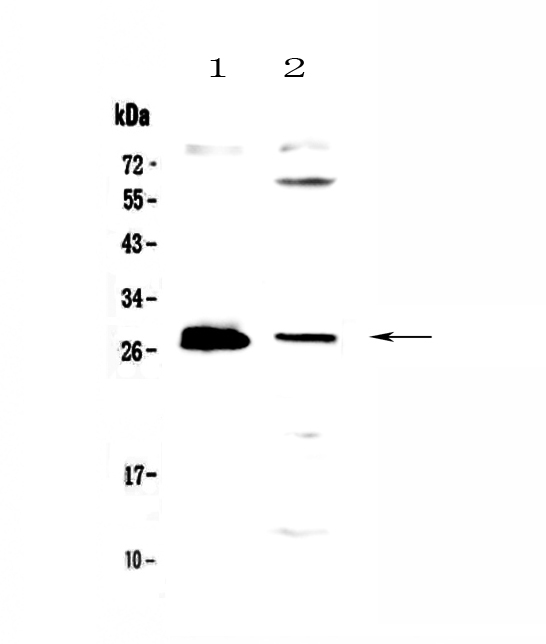
Designing a Western blot for Tumor necrosis factor? The guide has the expected band size, antibodies backed by real blot images, the controls to run alongside, and protocols taken from published papers.
Open the TNF Western Blot Guide
1411 Citations
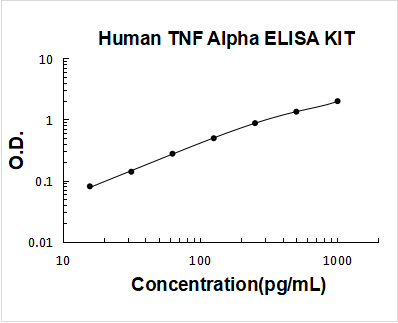
189 Citations
630 Citations
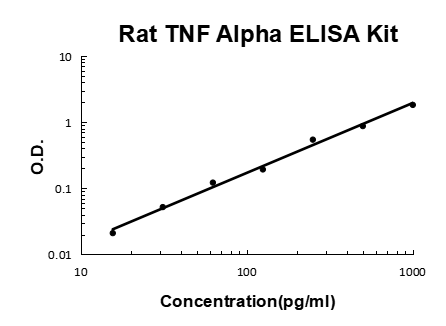
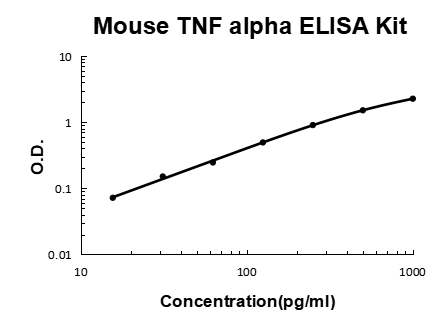

11 Citations
5 Citations
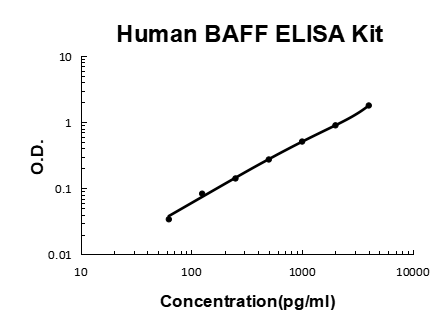
6 Citations
1 Citations
1 Citations
2 Citations
4 Citations

26 Citations
1 Citations

1 Citations
1 Citations

1 Citations
33 Citations
1 Citations


1 Citations
1 Citations

11 Citations
12 Citations

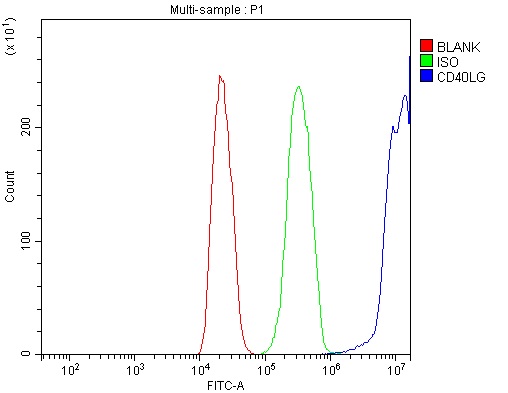
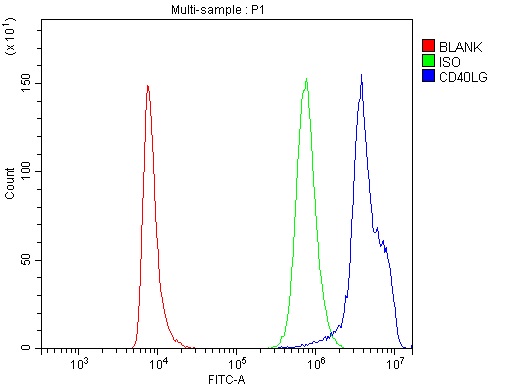
11 Citations
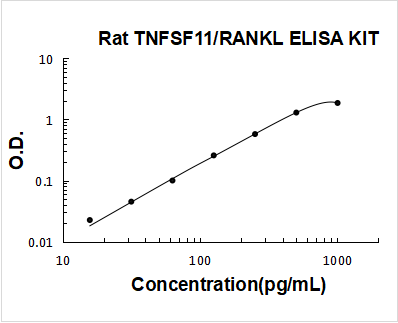
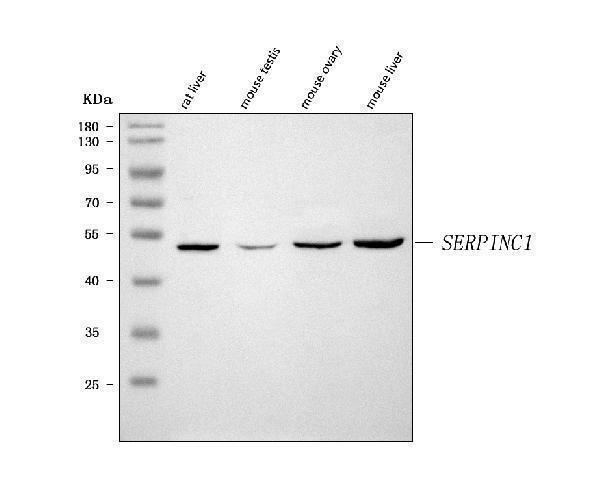
5 Citations
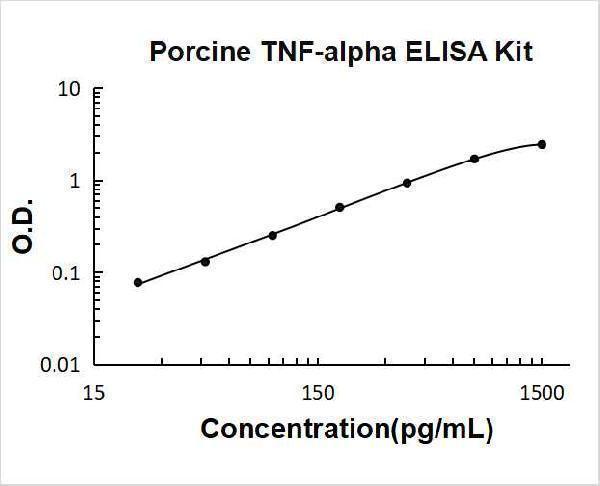
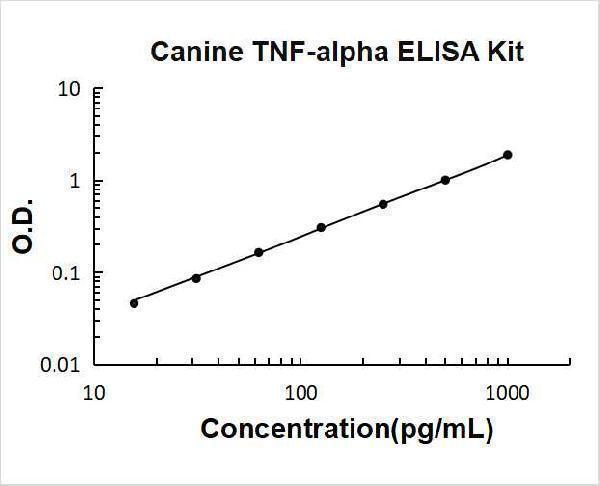
2 Citations
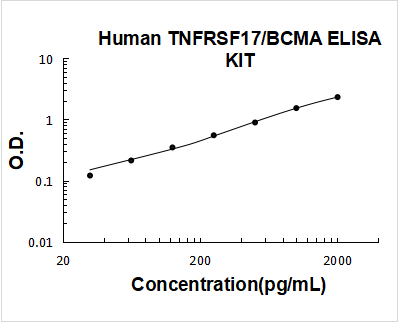
2 Citations
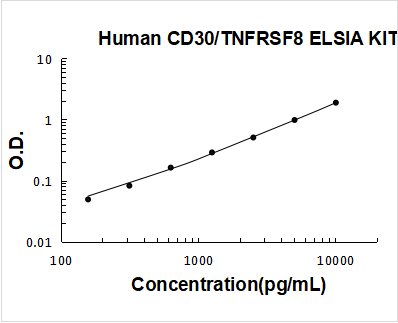
13 Citations

3 Citations
1 Citations
1 Citations

1 Citations
1 Citations
1 Citations

5 Citations

1 Citations


1 Citations
1 Citations
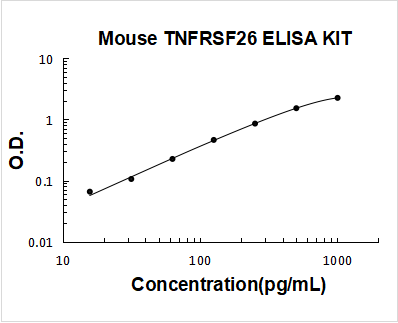

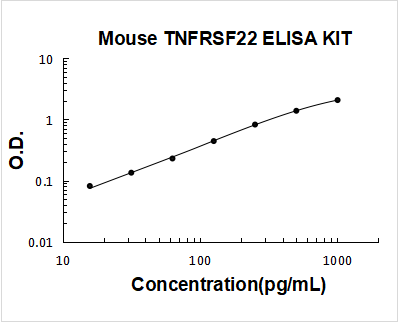
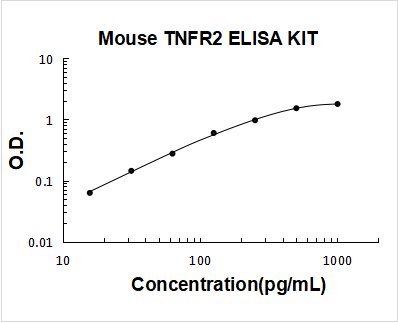
Facts about Tumor necrosis factor.
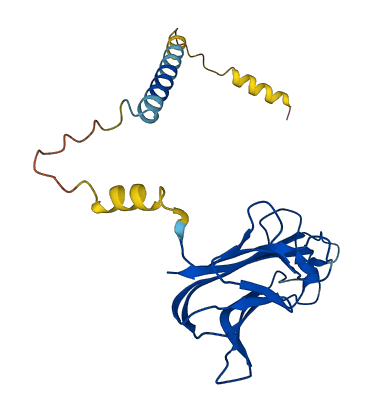
Impairs regulatory T- cells (Treg) function in people with rheumatoid arthritis through FOXP3 dephosphorylation. Upregulates the expression of protein phosphatase 1 (PP1), which dephosphorylates the key'Ser-418' residue of FOXP3, thereby inactivating FOXP3 and producing Treg cells functionally defective (PubMed:23396208).
| Human | |
|---|---|
| Gene Name: | TNF |
| Uniprot: | P01375 |
| Entrez: | 7124 |

| Belongs to: |
|---|
| Tumor necrosis factor family |

APC1 protein; Cachectin; Cachetin; DIF; TNF; TNF, monocyte-derived; TNFA; TNF-A; TNFalpha; TNF-alpha; TNF-alphacachectin; TNFATNF, macrophage-derived; TNFG1F; TNFSF1A; TNFSF2; TNFSF2TNF superfamily, member 2; tumor necrosis factor (TNF superfamily, member 2); tumor necrosis factor alpha; Tumor necrosis factor ligand superfamily member 2; tumor necrosis factor; tumor necrosis factor-alpha
Mass (kDA):
25.644 kDA

| Human | |
|---|---|
| Location: | 6p21.33 |
| Sequence: | Chromosome 6; NC_000006.12 (31575565..31578336) |
Cell membrane; Single-pass type II membrane protein.; [Tumor necrosis factor, membrane form]: Membrane; Single-pass type II membrane protein.; [Tumor necrosis factor, soluble form]: Secreted.; [C-domain 1]: Secreted.; [C-domain 2]: Secreted.





Aggarwal, B.B. (2003). Signalling pathways of the TNF superfamily: a double-edged sword. Nature Reviews Immunology, 3, 745-756. doi: 10.1038/nri1184
Aggarwal, B.B., Moffat, B., & Harkins, R.N. (1984). Human lymphotoxin. Production by a lymphoblastoid cell line, purification, and initial characterization. Journal of Biological Chemistry, 259(1), 686-691.
Balkwill, F. (2006). TNF-alpha in promotion and progression of cancer. Cancer Metastasis Reviews, 25. doi: 10.1007/s10555-006-9005-3
Carswell, E.A., Old, L.J., Kassel, R.L., Green, S., Fiore, N., & Williamson, B. (1975). An endotoxin-induced serum factor that causes necrosis of tumors. Proceedings of the National Academy of Sciences of the United States of America, 72(9), 3666-3670. doi: 10.1073/pnas.72.9.3666
Diwan, A., Tran, T., Misra, A., & Mann, D.L. (2003). Inflammatory mediators and the failing heart: a translational approach. Current Molecular Medicine, 3(2), 161-182. doi: 10.2174/1566524033361537
Dowlati, Y., Herrmann, N., Swardfager, W., Liu, H., Sham, L., Reim, E.K., & Lanctot, K.L. (2010). A meta-analysis of cytokines in major depression. Biological Psychiatry, 67(5), 446-457. doi: 10.1016/j.biopsych.2009.09.033
Hehlgans, T., & Pfeffer, K. (2005). The intriguing biology of the tumour necrosis factor/tumour necrosis factor receptor superfamily: players, rules and the games. Immunology, 115(1), 1-20. doi: 10.1111/j.1365-2567.2005.02143.x
Horiuchi, T., Mitoma, H., Harashima, S., Tsukamoto, H., & Shimoda, T. (2010). Transmembrane TNF-alpha: structure, function and interaction with anti-TNF agents. Rheumatology (Oxford), 49(7), 1215-1228. doi: 10.1093/rheumatology/keq031
Lee, S.Y., Ju, M.K., Jeon, H.M., Jeong, E.K., Lee, Y.J., Kim, C.H..,?, Kang, H.S. (2018). Regulation of Tumor Progression by Programmed Necrosis. Oxidative Medicine and Cellular Longevity, 2018. doi: 10.1155/2018/3537471
Levine, B., Kalman, J., Mayer, L., Fillit, H.M., & Packer, M. (1990). Elevated circulating levels of tumor necrosis factor in severe chronic heart failure. New England Journal of Medicine, 323(4), 236-241. doi: 10.1056/NEJM199007263230405
Nagatsu, T., & Sawada, M. (2005). Inflammatory process in Parkinson's disease: role for cytokines. Current Pharmaceutical Design, 11(8), 999-1016. doi: 10.2174/1381612053381620
Parameswaran, N., & Patial, S. (2010). Tumor necrosis factor-alpha signaling in macrophages. Critical Reviews in Eukaryotic Gene Expression, 20(2), 87-103. doi: 10.1615/critreveukargeneexpr.v20.i2.10
Shrestha, B., Zhang, B., Purtha, W.E., Klein, R.S., & Diamond, M.S. (2008). Tumor necrosis factor alpha protects against lethal West Nile virus infection by promoting trafficking of mononuclear leukocytes into the central nervous system. Journal of Virology, 82(18), 8956-8964. doi: 10.1128/JVI.01118-08
Swardfager, W., Lanctot, K., Rothenburg, L., Wong, A., Cappell, J., & Herrmann, N. (2010). A meta-analysis of cytokines in Alzheimer's disease. Biology Psychiatry, 68(10), 930-941. doi: 10.1016/j.biopsych.2010.06.012
Swaroop, J.J., Rajarajeswari, D., & Naidu, J.N. (2012). Association of TNF-alpha with insulin resistance in type 2 diabetes mellitus. Indian Journal of Medical Research, 135(1), 127-130. doi: 10.4103/0971-5916.93435
Tang, P., Hung, M.C., & Klostergaard, J. (1996). Human pro-tumor necrosis factor is a homotrimer. Biochemistry, 35, 8216-8225. doi: 10.1021/bi952182t
Wajant, H., Pfizenmaier, K., & Scheurich, P. (2003). Tumor necrosis factor signaling. Cell Death & Differentiation, 10, 45-65. doi: 10.1038/sj.cdd.4401189
*Showing only the more recent 20. More publications can be found for each product on its corresponding product page