This website uses cookies to ensure you get the best experience on our website.


- Table of Contents
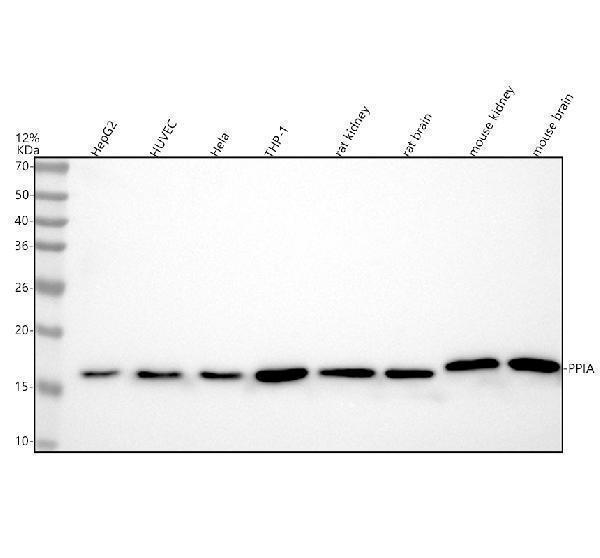
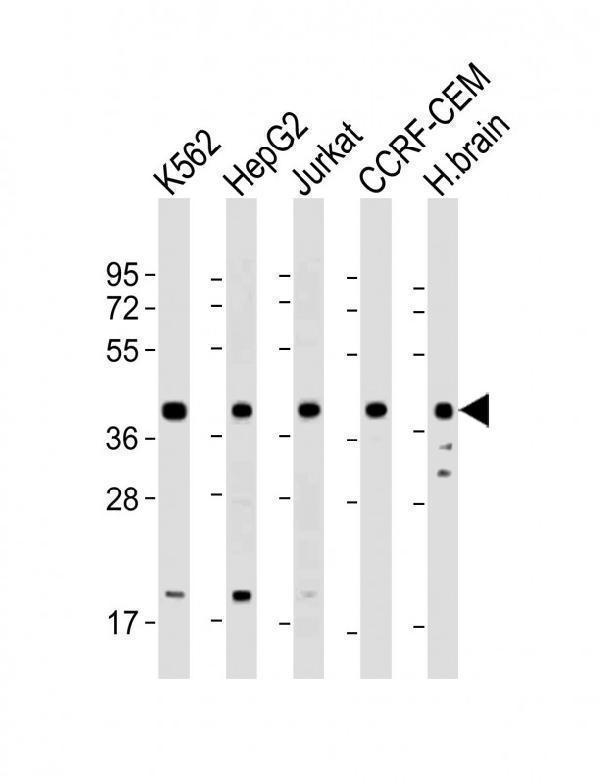
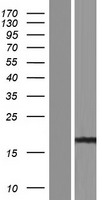
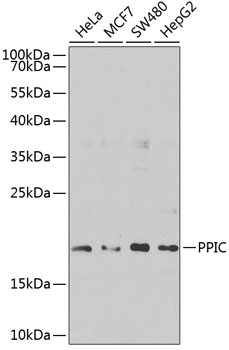
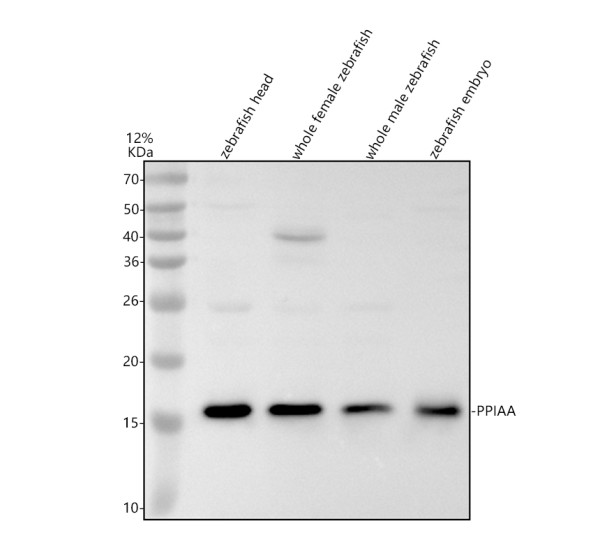
Designing a Western blot for PPIA? The guide has the expected band size, antibodies backed by real blot images, the controls to run alongside, and protocols taken from published papers.
Open the PPIA Western Blot Guide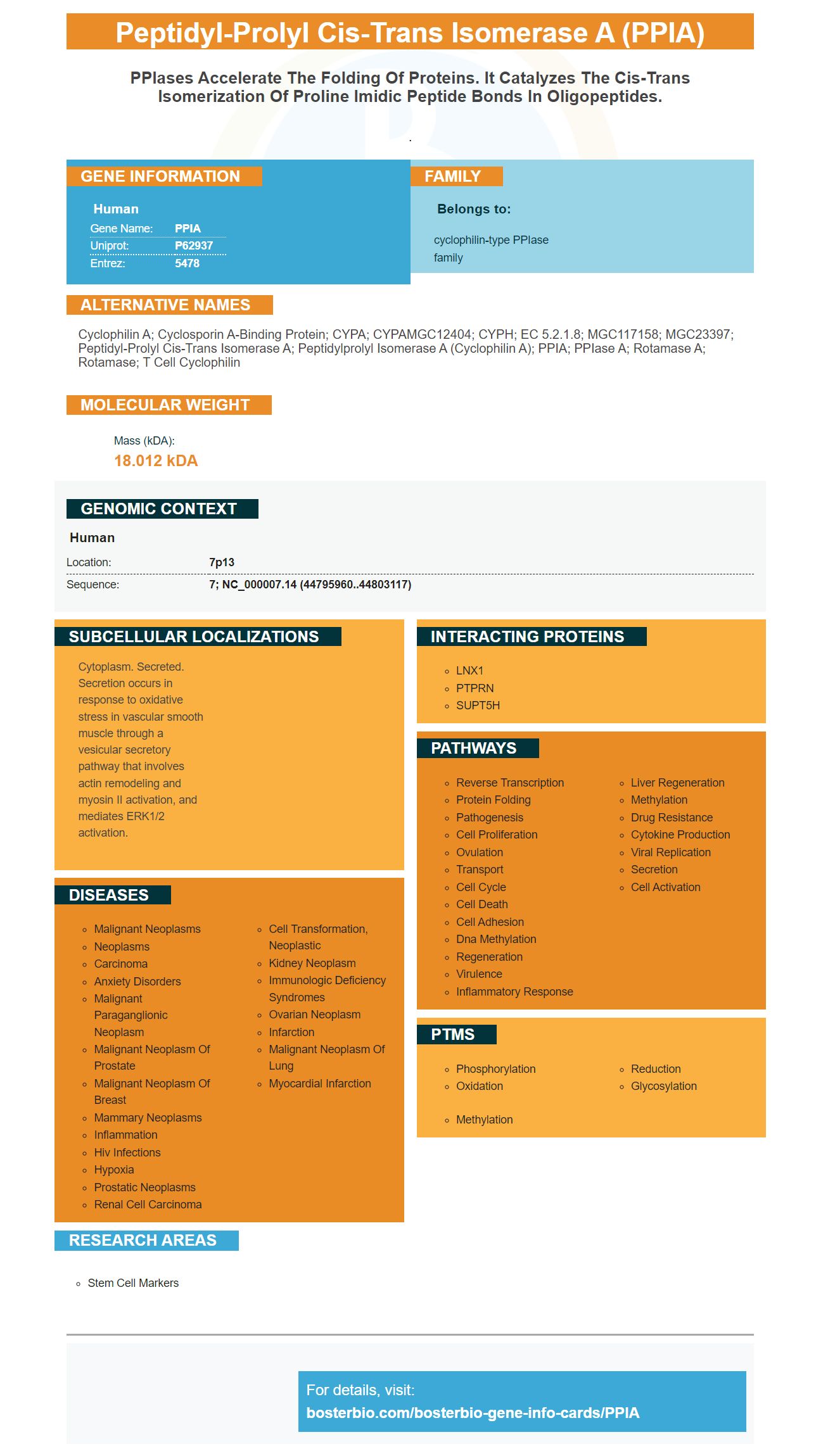
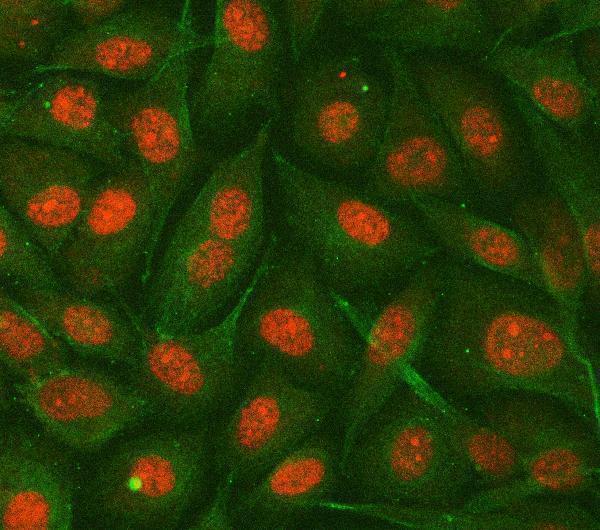
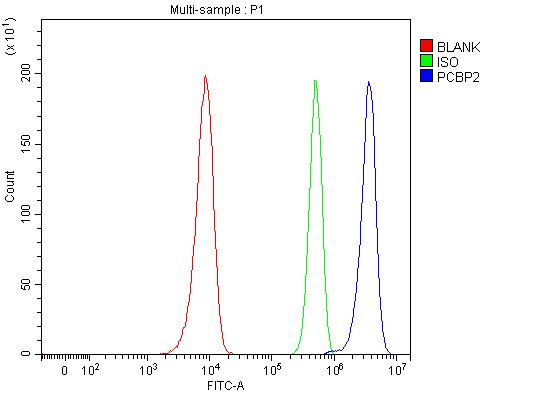
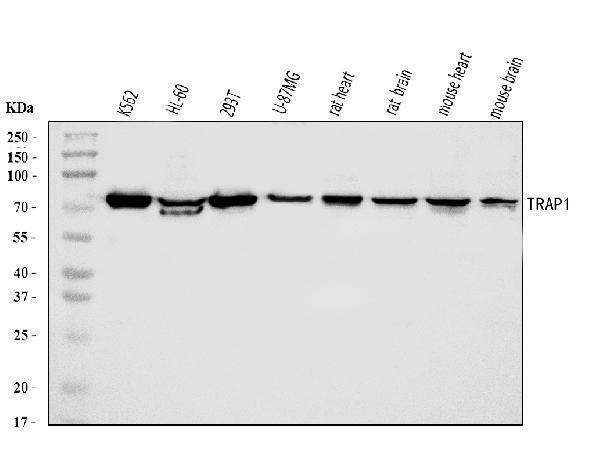
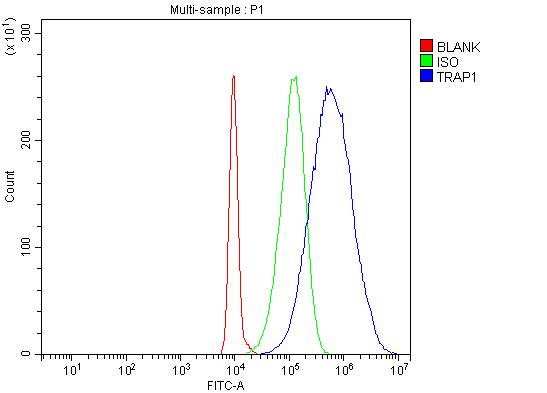


Facts about Peptidyl-prolyl cis-trans isomerase A.
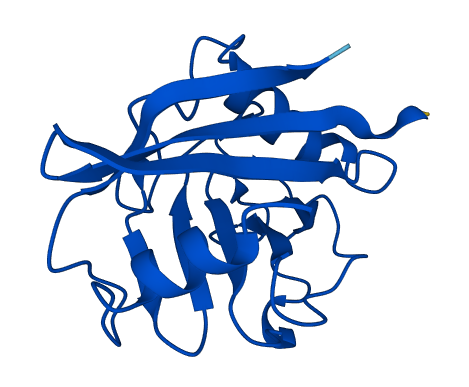
.
| Human | |
|---|---|
| Gene Name: | PPIA |
| Uniprot: | P62937 |
| Entrez: | 5478 |
| Belongs to: |
|---|
| cyclophilin-type PPIase family |

Cyclophilin A; Cyclosporin A-binding protein; CYPA; CYPAMGC12404; CYPH; EC 5.2.1.8; MGC117158; MGC23397; peptidyl-prolyl cis-trans isomerase A; peptidylprolyl isomerase A (cyclophilin A); PPIA; PPIase A; Rotamase A; Rotamase; T cell cyclophilin
Mass (kDA):
18.012 kDA

| Human | |
|---|---|
| Location: | 7p13 |
| Sequence: | 7; NC_000007.14 (44795960..44803117) |
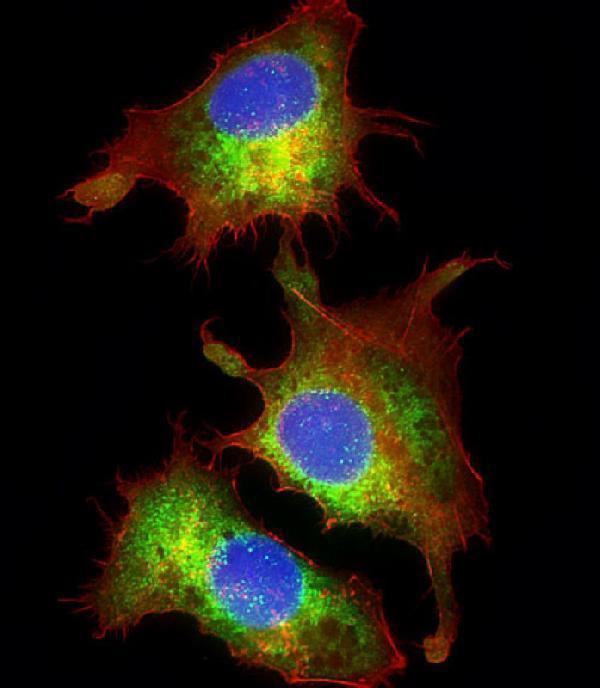
Cytoplasm. Secreted. Secretion occurs in response to oxidative stress in vascular smooth muscle through a vesicular secretory pathway that involves actin remodeling and myosin II activation, and mediates ERK1/2 activation.





PMID: 3297675 by Haendler B., et al. Complementary DNA for human T-cell cyclophilin.
PMID: 2197089 by Haendler B., et al. Characterization of the human cyclophilin gene and of related processed pseudogenes.