This website uses cookies to ensure you get the best experience on our website.


- Table of Contents
and ELISA kits, proteins related to Nephrotic Syndrome.
Nephrotic Syndrome is a kidney disorder characterized by excessive loss of protein in the urine, low levels of protein in the blood, swelling, and elevated cholesterol levels. This condition occurs when the glomeruli—the tiny filtering units within the kidneys—become damaged, allowing proteins such as albumin to leak into the urine. Nephrotic Syndrome can result from various underlying diseases, including diabetes, lupus, and certain infections. Patients often experience significant fluid retention, leading to swelling in the legs, ankles, and around the eyes. Current research is increasingly focused on the role of antibodies and the immune system in the development and progression of Nephrotic Syndrome. By targeting specific antibodies, scientists aim to create more effective treatments that can reduce proteinuria, preserve kidney function, and enhance the quality of life for those affected by this challenging condition.
M00199-1
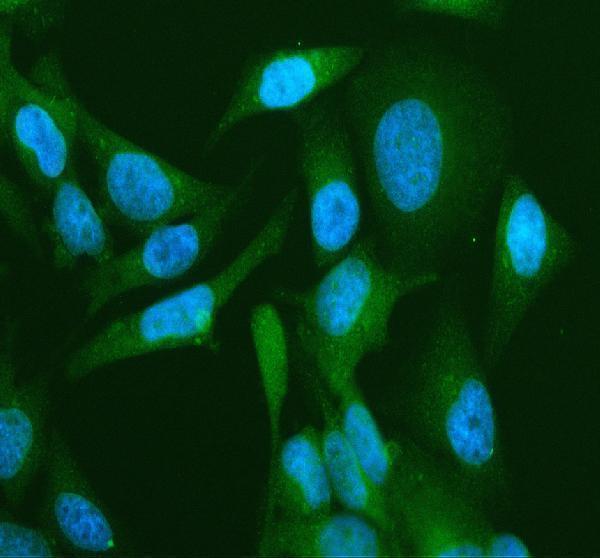
A01756-2
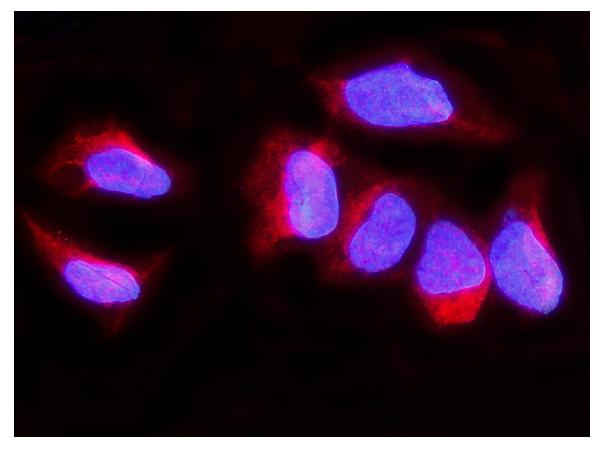
A03154-1
| Protein Name | Gene Name | Function |
|---|---|---|
| Nephrin | NPHS1 | Maintains podocyte slit diaphragm structure |
| Podocin | NPHS2 | Stabilizes slit diaphragm and podocyte architecture |
| WT1 | WT1 | Transcription factor essential for podocyte development |
| TRPC6 | TRPC6 | Calcium channel involved in podocyte injury and proteinuria |
| CD2AP | CD2AP | Adaptor protein involved in slit diaphragm signaling |
| LMX1B | LMX1B | Regulates podocyte gene expression and structure |
| ACTN4 | ACTN4 | Actin-binding protein crucial for podocyte cytoskeleton |
| Synaptopodin | SYNPO | Essential for podocyte actin cytoskeleton integrity |
| INF2 | INF2 | Regulates actin dynamics in podocytes |
| ARHGDIA | ARHGDIA | Modulates Rho GTPase signaling affecting cytoskeleton |
| VEGFA | VEGFA | Vascular endothelial growth factor involved in glomerular filtration barrier |
| PLA2R1 | PLA2R1 | Autoantibody target in idiopathic membranous nephropathy |
| C3 | C3 | Complement component involved in immune-mediated glomerular damage |
| TNF | TNF | Pro-inflammatory cytokine involved in kidney inflammation |
| IL6 | IL6 | Pro-inflammatory cytokine implicated in nephrotic pathogenesis |
| CD80 | CD80 | Co-stimulatory molecule involved in podocyte injury |
| MMP9 | MMP9 | Enzyme involved in extracellular matrix remodeling in kidney |
| Apolipoprotein A1 | APOA1 | Lipid transporter affected in nephrotic syndrome |
| Apolipoprotein B | APOB | Lipid transporter elevated in nephrotic syndrome |
| Fibrinogen | FGB | Coagulation factor elevated due to nephrotic state |
Podocytes, specialized epithelial cells in the glomeruli of the kidneys, play a crucial role in maintaining the filtration barrier that prevents protein loss into the urine. Dysfunction or injury to podocytes is a central mechanism in the pathogenesis of Nephrotic Syndrome. Research in this area focuses on understanding the molecular and cellular alterations that lead to podocyte effacement, detachment, and apoptosis. Key factors include alterations in the actin cytoskeleton, expression of slit diaphragm proteins, and responses to inflammatory cytokines. Genetic mutations affecting podocyte proteins, such as nephrin and podocin, have been linked to hereditary forms of Nephrotic Syndrome. Additionally, studies are investigating the regenerative capacity of podocytes and potential therapeutic targets to restore podocyte function and prevent progression to chronic kidney disease. This sub area is critical for developing targeted therapies that can protect podocytes, maintain the integrity of the glomerular filtration barrier, and ultimately improve patient outcomes in Nephrotic Syndrome.
The immune system plays a significant role in the development and progression of Nephrotic Syndrome, particularly in forms such as minimal change disease and focal segmental glomerulosclerosis, which are often responsive to immunosuppressive therapies. Research in immune system dysregulation explores the underlying immunological abnormalities that lead to increased permeability of the glomerular filtration barrier. This includes studies on T-cell dysfunction, abnormal cytokine profiles, and the role of B-cells and autoantibodies. Understanding how immune-mediated mechanisms cause podocyte injury and proteinuria is essential for identifying specific immune targets for intervention. Additionally, this sub area examines the impact of systemic inflammatory conditions on kidney function and the interplay between genetic predispositions and environmental triggers in immune dysregulation. Advancements in this field aim to refine immunomodulatory treatments, reduce reliance on corticosteroids, and minimize side effects by developing more precise therapies tailored to individual immune profiles in patients with Nephrotic Syndrome.