This website uses cookies to ensure you get the best experience on our website.


- Table of Contents
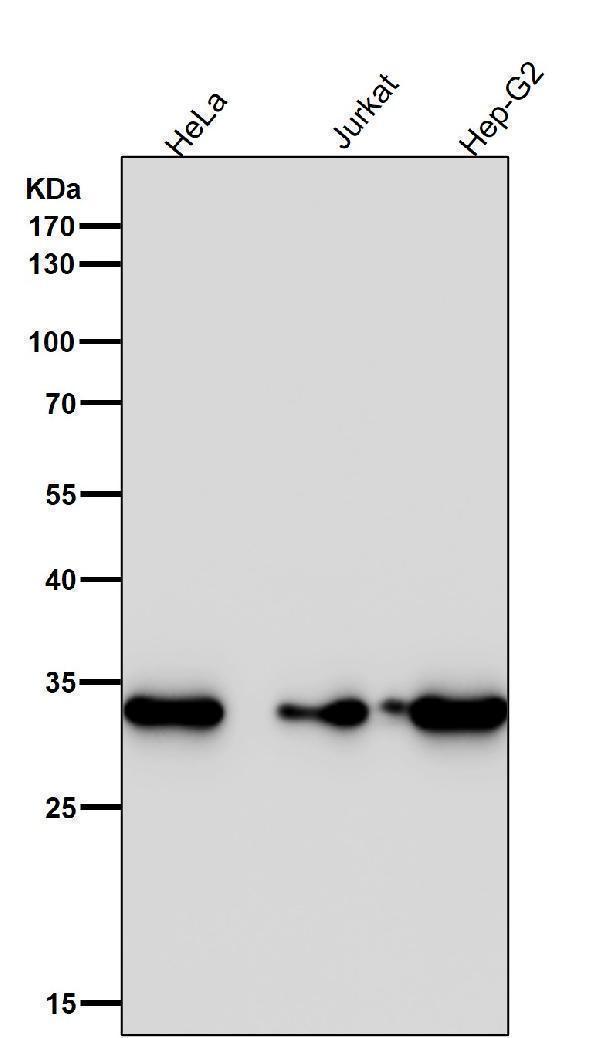
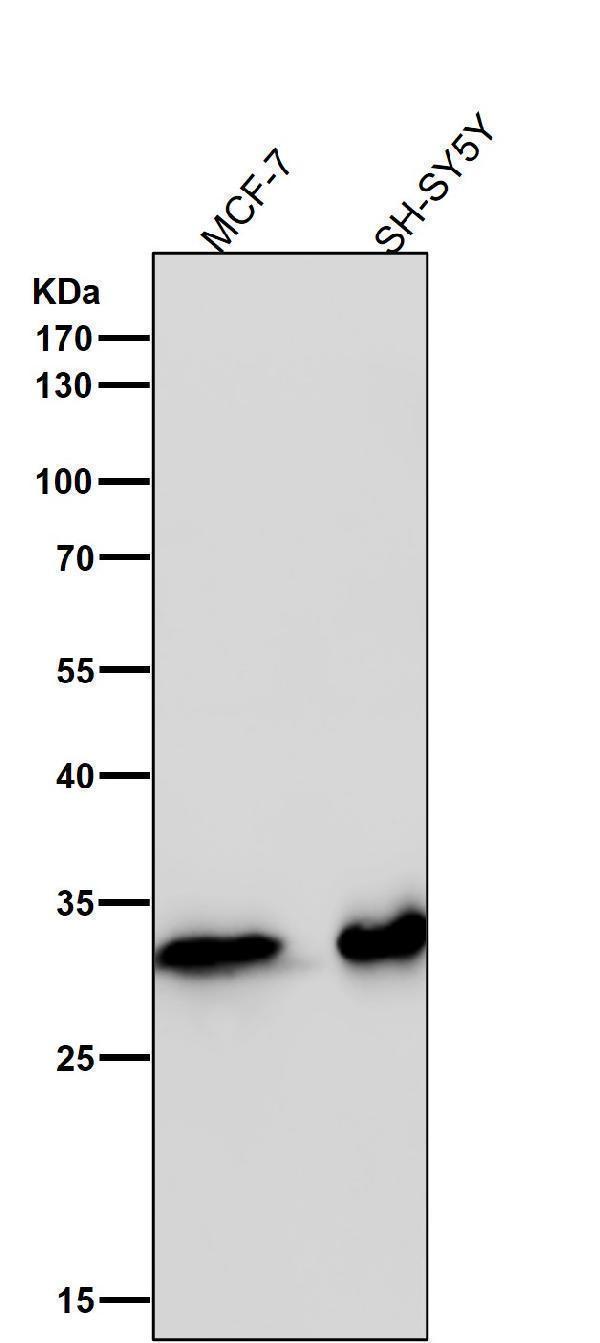
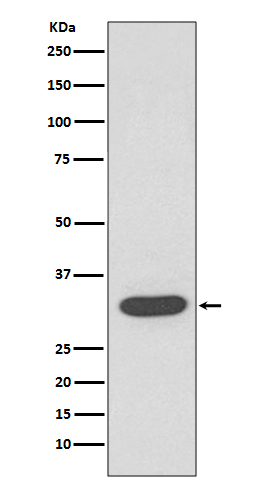
Designing a Western blot for Cyclin-dependent kinase 4? The guide has the expected band size, antibodies backed by real blot images, the controls to run alongside, and protocols taken from published papers.
Open the CDK4 Western Blot GuideDesigning an IHC experiment for Cyclin-dependent kinase 4? The guide has the expected staining pattern, antigen retrieval and fixation, antibodies backed by real IHC images, the tissue controls to run alongside, and protocols taken from published papers.
Open the CDK4 IHC Guide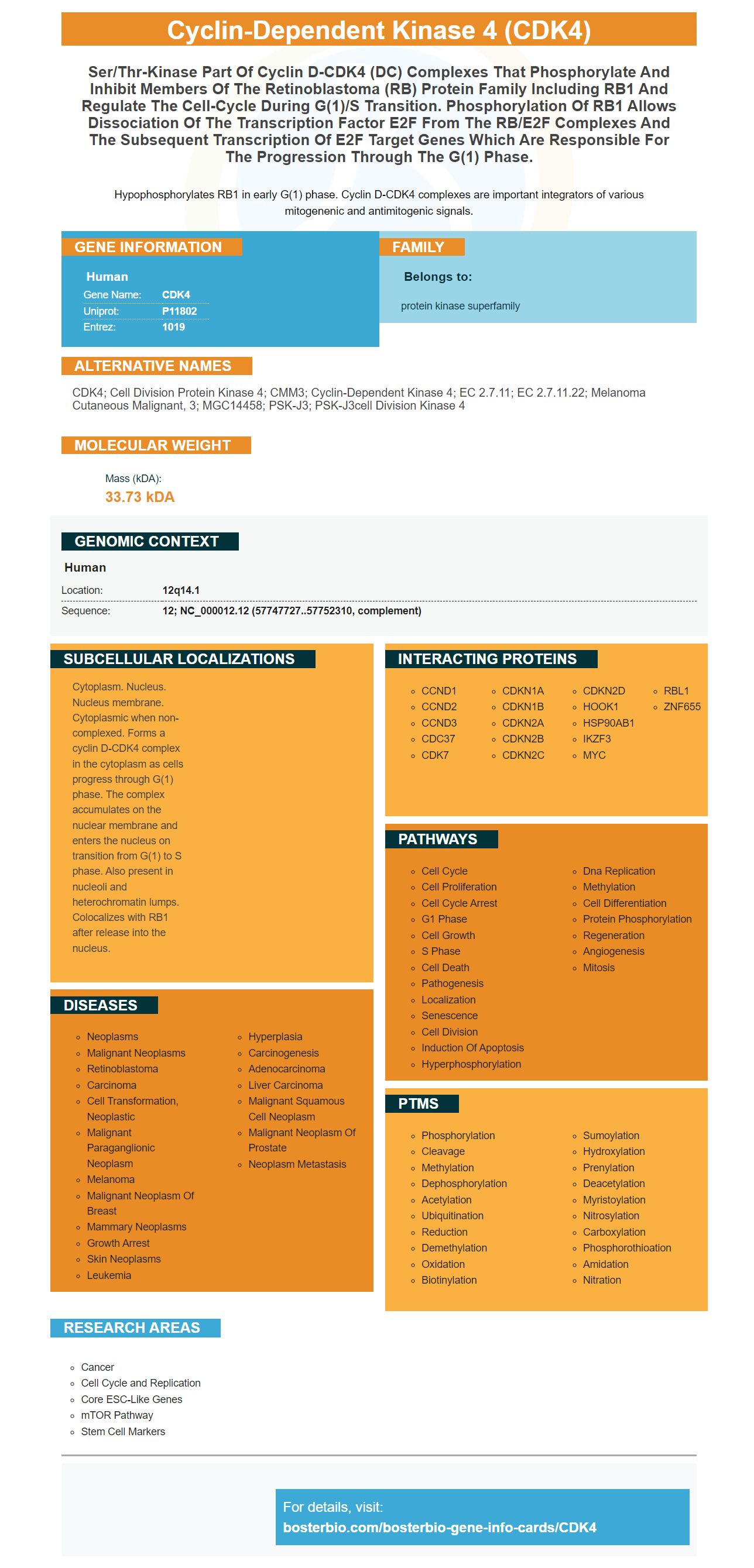


3 Citations


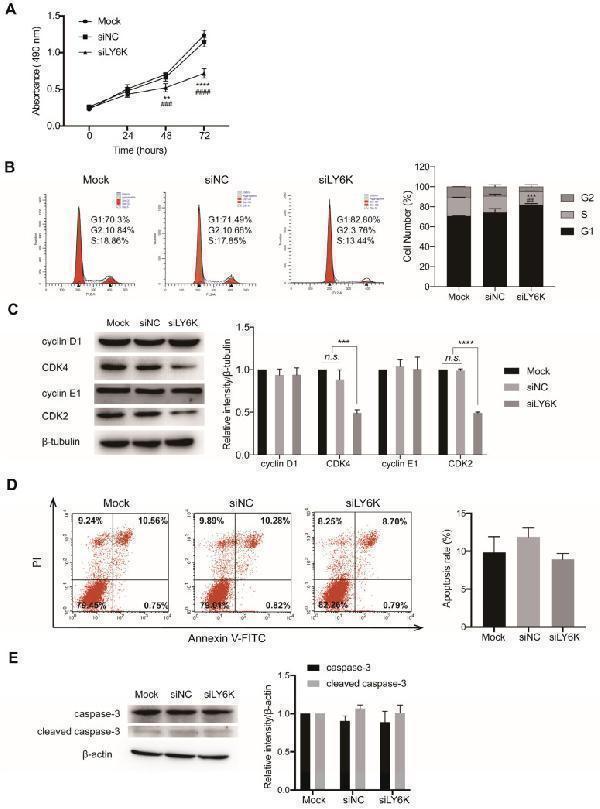
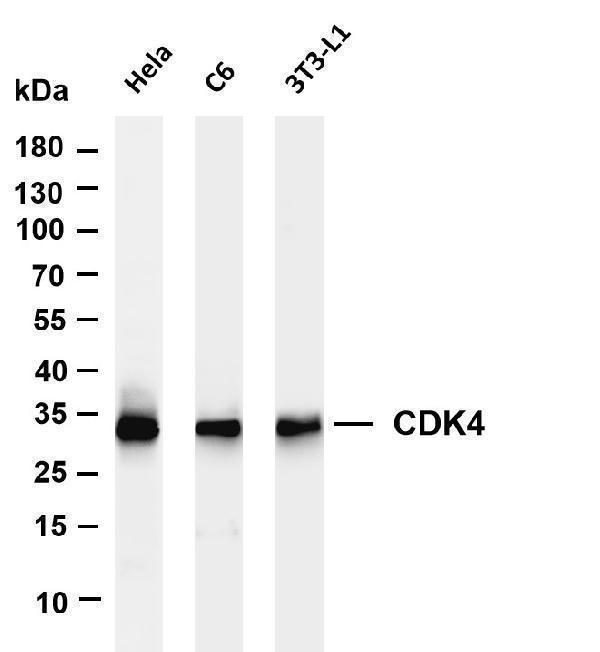


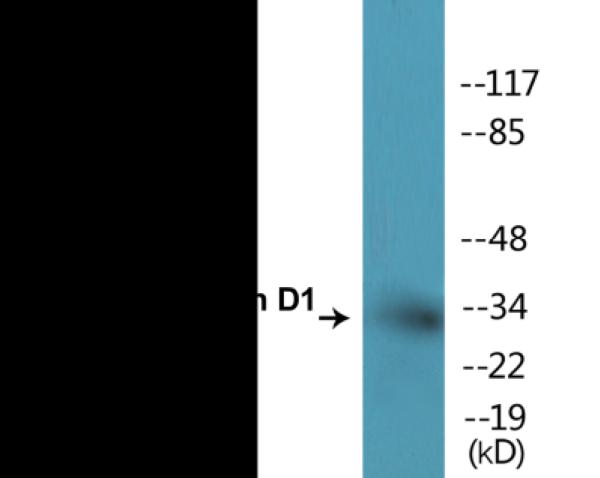
Facts about Cyclin-dependent kinase 4.
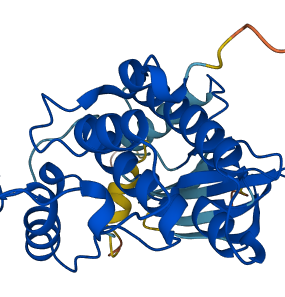
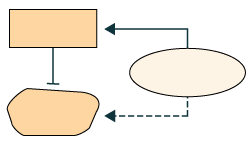
Hypophosphorylates RB1 in early G(1) phase. Cyclin D-CDK4 complexes are important integrators of various mitogenenic and antimitogenic signals.
| Human | |
|---|---|
| Gene Name: | CDK4 |
| Uniprot: | P11802 |
| Entrez: | 1019 |
| Belongs to: |
|---|
| protein kinase superfamily |

CDK4; Cell division protein kinase 4; CMM3; cyclin-dependent kinase 4; EC 2.7.11; EC 2.7.11.22; melanoma cutaneous malignant, 3; MGC14458; PSK-J3; PSK-J3cell division kinase 4
Mass (kDA):
33.73 kDA

| Human | |
|---|---|
| Location: | 12q14.1 |
| Sequence: | 12; NC_000012.12 (57747727..57752310, complement) |
Cytoplasm. Nucleus. Nucleus membrane. Cytoplasmic when non-complexed. Forms a cyclin D-CDK4 complex in the cytoplasm as cells progress through G(1) phase. The complex accumulates on the nuclear membrane and enters the nucleus on transition from G(1) to S phase. Also present in nucleoli and heterochromatin lumps. Colocalizes with RB1 after release into the nucleus.





PMID: 9192850 by Elkahloun A.G., et al. Transcript mapping in a 46-kb sequenced region at the core of 12q13.3 amplification in human cancers.
PMID: 7652577 by Wolfel T., et al. A p16INK4a-insensitive CDK4 mutant targeted by cytolytic T lymphocytes in a human melanoma.
*More publications can be found for each product on its corresponding product page