This website uses cookies to ensure you get the best experience on our website.


- Table of Contents
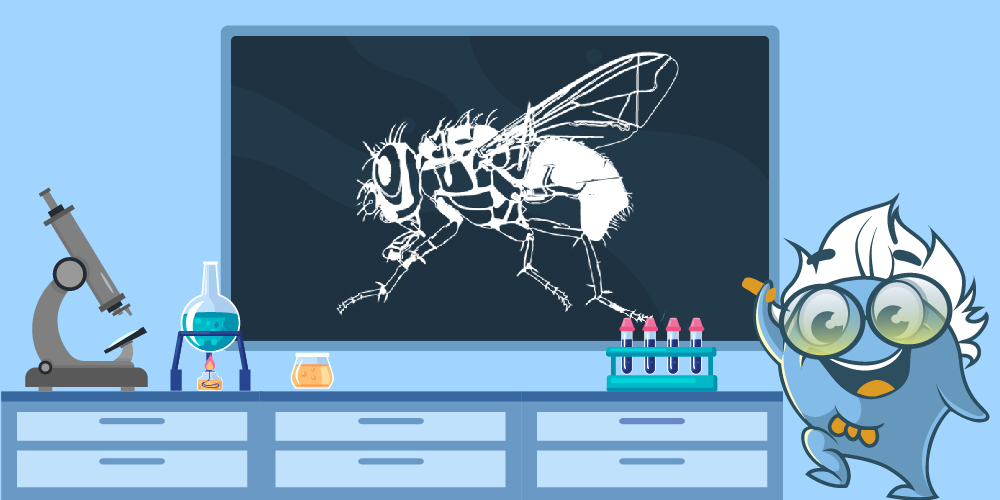
Drosophila melanogaster, commonly known as the fruit fly, has long been a cornerstone of genetic research. Its simplicity, rapid life cycle, and genetic tractability make it an invaluable model organism for scientists worldwide.
If you’re considering using Drosophila for your research studies, this guide is for you. In this blog, we delve into key breakthroughs that used Drosophila in research, explore the advantages and limitations of using Drosophila for research, and highlight the research areas where the fruit fly has made significant contributions. Additionally, we provide some resources and funding supporting Drosophila research, along with reflective questions to help you decide if this model organism is right for your studies.
Feel free to jump to a specific section about Drosophila:
Welcome to the latest issue of Research Spotlight! We're excited to dive into biomedical breakthroughs that are impacting health and disease research.
In the field of neuroscience, research revealed how stress affects the brain, particularly the red nucleus, and its link to anxiety and immune responses. This insight has implications for treating mental health disorders. In respiratory research, a new study advanced our understanding of how the lungs detect allergens, opening up possibilities...

Welcome to this month’s Research Spotlight! In this issue, we are excited to showcase our customers’ new studies that are shaping the future of biomedicine.
In the field of neurology, researchers investigated a critical pathway, p300/NF-κB/NLRP3, impacted by disruptions in chaperone-mediated autophagy, which holds promise for treatments in neurodegenerative diseases. For regenerative medicine, scientists introduced a metal-organic framework-incorporated hydrogel that...

As autumn leaves turn golden, Boster Bio is excited to present a medley of pioneering studies that have recently been published. This month’s issue covers a spectrum from novel therapeutic interventions to insightful multi-omics analyses.
In the therapeutic domain, we spotlight a novel implantable hydrogel-based sensor that allows for real-time drug monitoring in rats. We also observe a shift in cancer treatments with a new cocktail nanovaccine. Additionally, fresh approaches are introduced for targeting lung fibrosis using mitochondrial transfer and enhancing liver cancer treatments with artesunate.
On a molecular scale, studies revealed how indoor air pollutants impact liver health and blood lipid levels. Scientists also investigated the protective role of gut fungi against intestinal issues and the potential of mung bean sprout nanoparticles in diabetes management. Moreover, recent findings linked a compound in the colon, phosphocholine, with a specific fungus Candida tropicalis, highlighting mycobiota’s importance for our digestive health.
Scroll down to learn more about these discoveries!
Authors: Li, S., Dai, J., Zhu, M., Currás, N.A., Li, H., Wang, Y., Wang, Q…
Journal: ACS Nano
The ability to track the levels of specific molecules, such as drugs, metabolites, and biomarkers, in the living body, in real time and for long durations, would improve our understanding of health and our ability to diagnose, treat, and monitor disease. To this end, we are developing electrochemical aptamer-based (EAB) biosensors...
Cited Boster Product(s): Rat IL-12(P70) ELISA Kit PicoKine® (EK1652); Rat Endothelin 1/EDN1 ELISA Kit PicoKine® (EK0952)

Authors: Huang, T., Lin, R., Su, Y., Sun, H., Zheng, X., Zhang, J., Lu, X…
Journal: Nature Communications
The use of exogenous mitochondria to replenish damaged mitochondria has been proposed as a strategy for the treatment of pulmonary fibrosis. However, the success of this strategy is partially restricted by the difficulty of supplying sufficient mitochondria to diseased cells. Herein, we report the generation of high-powered mesenchymal...
Cited Boster Product(s): Mouse MMP-9 ELISA Kit PicoKine® (EK0466); Mouse TGF Beta 1 ELISA Kit PicoKine® (EK0515); 4% Paraformaldehyde (PFA) Solution In PBS (AR1068); Anti-Ki67/MKI67 Antibody Picoband™ (PB9026); Goat Anti-Rabbit IgG (H+L) Secondary Antibody, FITC Conjugated (BA1105)

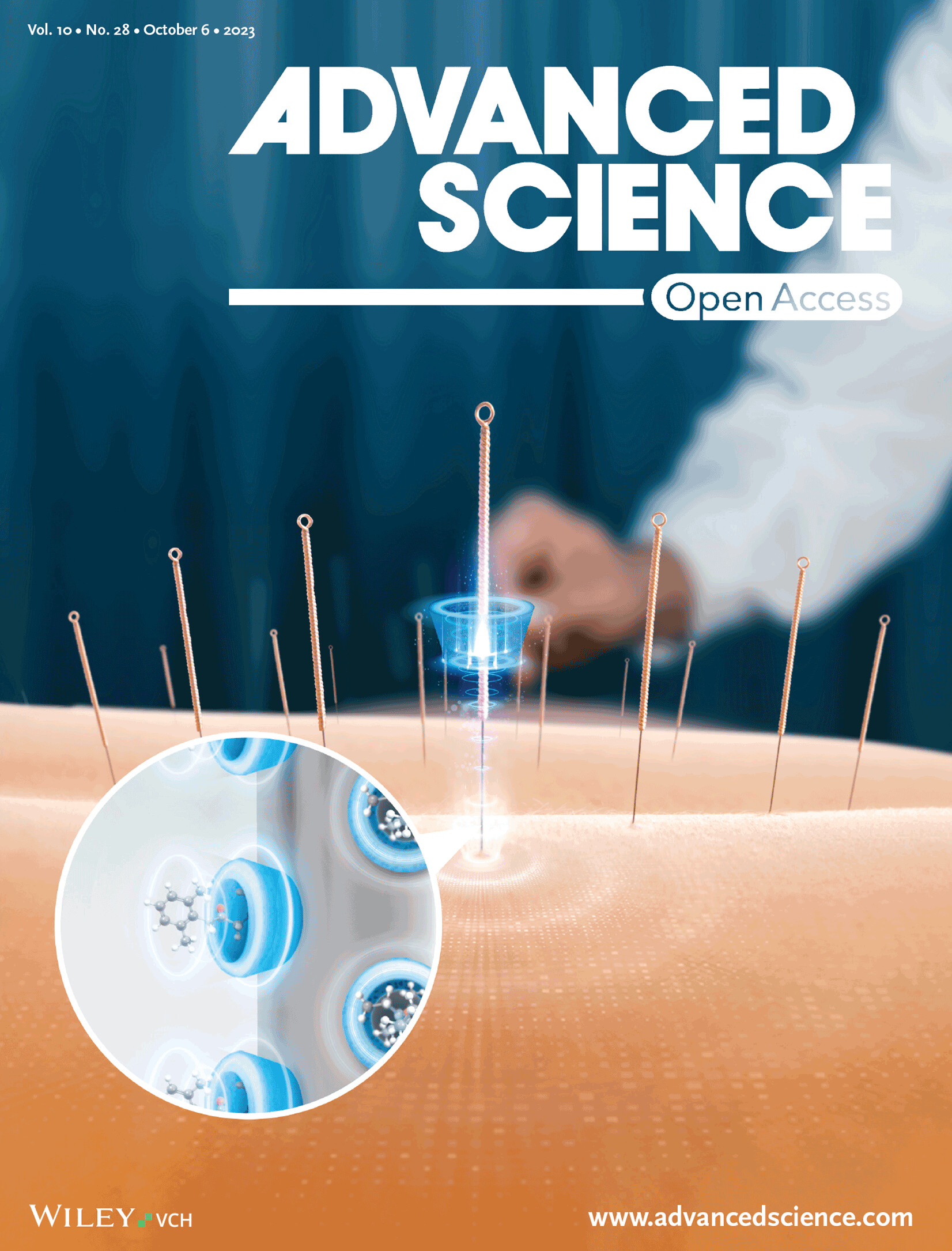
Authors: Liu, M., Xie, D., Hu, D., Zhang, R., Wang Y., Tang, L., Zhou, B…
Journal: Advanced Science
In situ vaccination is a desirable strategy for cancer immunotherapy due to its convenience and capacity to target tumor antigens. Here, an in situ nanovaccine based on a cationic peptide with cholesterol-modified, DP7-C, for cancer immunotherapy is rationally designed, and developed a cancer nanovaccine that is easy to preparate...
Cited Boster Product(s): Mouse TNF Alpha/Tumor Necrosis Factor ELISA Kit PicoKine® (EK0527)
Authors: Ma, Z., Chen, W., Liu, Y., Yu, L., Mao, X., Guo, X., Jiang, F., Guo, Q…
Journal: Autophagy
Sorafenib is the most widely used first-line drug for the treatment of the advanced hepatocellular carcinoma (HCC). Unfortunately, sorafenib resistance often limits its therapeutic efficacy. To evaluate the efficacy of artesunate against sorafenib-resistant HCC and to investigate its underlying pharmacological mechanisms...
Cited Boster Product(s): Citrate Buffer Powder (AR0024)

Authors: Zhang, B., Ren, Z., Zhao, J., Zhu, Y., Huang, B., Xiao, C., Zhang, Y…
Journal : Theranostics
Background: Advanced non-small cell lung cancer (NSCLC) is the most common type of lung cancer with poor prognosis. Adoptive cell therapy using engineered T-cell receptors (TCRs) targeting cancer-testis antigens, such as Melanoma-associated antigen 3 (MAGE-A3), is a potential approach for the treatment of NSCLC. However, systematic...
Cited Boster Product(s): HRP Conjugated AffiniPure Goat Anti-Rabbit IgG (H+L) (BA1054)

Authors: Miao, G., Wang, Y., Wang, B., Yu, H., Liu, J., Pan, R., Zhou, C…
Journal: Environment International
As a widespread indoor air pollutant, volatile organic compound (VOC) caused various adverse health effects, especial the damage to liver, which has become a growing public concern. However, the current toxic data are intrinsically restricted in the single or major VOC species. Limited knowledge is available regarding toxic effects...

Welcome to this month's Research Spotlight where we delve into an array of exciting scientific discoveries!
For the field of neuroscience, scientists examined the significance of G3BP2-Tau interaction for Tau aggregation as well as the role of SMN for neurodegeneration. In gastroenterology, researchers presented modified prebiotic-based probiotics as a novel approach for treating colitis. Furthermore, another study offered insights into the connections between gut microbiota and diabetic...

Writing a winning research grant proposal is essential for securing funding to support your scientific endeavors. However, crafting a successful proposal can be a daunting task, even for experienced researchers. Research grant proposals require careful planning, strategic thinking, and attention...

When applying for a research grant, the rationale of your project is one of the most critical components of your grant proposal. Your rationale should justify why your research is necessary and why it is worth funding. A well-crafted rationale can help demonstrate the significance and potential impact of your project, ultimately raising your chances of receiving funding. Below, we discuss some guidelines for crafting...

When applying for research grants, an important component of your proposal is the budget. A well-planned budget can help convince funders that your project is feasible and will have a significant impact. However, creating a budget can be challenging, especially for early-career researchers who may not have experience in managing research funds. In this blog, we discuss some tips for budgeting for your research grant proposal.
Before creating a budget, it's essential to understand the funder's guidelines. Each funding agency may have different rules and regulations about what expenses are eligible for funding. Some may have specific limits on how much funding can be allocated to different categories, such as personnel, travel, and equipment. It's critical to read the guidelines carefully and make sure that your budget adheres to them.
Creating a budget requires careful planning and attention to detail. Start by outlining the different categories of expenses that your project will incur, such as personnel, equipment, supplies, and travel. Consider the duration of your project and estimate the costs for each category for the entire project timeline. Be realistic and considerate of potential delays or unexpected expenses.
Your budget should be as detailed as possible to provide clarity and transparency to funders. Provide a breakdown of each expense category, including the number of personnel involved, the duration of their involvement, and their hourly or daily rates. When listing equipment and supplies, provide thorough descriptions and itemized costs.
Funders want to know that their investment will be used efficiently and effectively. Therefore, you will need to justify each expense and demonstrate how it will contribute to the success of your project. For example, if you're requesting funds for travel expenses, explain how attending a conference or meeting will contribute to your...

Research grants are a critical source of funding for scientists, researchers, and academics across various fields. However, searching for relevant grants for your research project can be a daunting task. With numerous funding opportunities available, it can be challenging to navigate the funding landscape and find the right fit. In this blog, we will share some guidelines...

If you are a researcher, scientist, or aspiring grant applicant, you have likely heard of the National Institutes of Health (NIH) and its pivotal role in funding cutting-edge research and advancing scientific discoveries. The NIH, a part of the U.S. Department of Health and Human Services, is the largest public funder of biomedical research in the world. Through various grant mechanisms, the NIH supports a wide array of research projects, from basic scientific investigations to clinical trials...