This website uses cookies to ensure you get the best experience on our website.


- Table of Contents
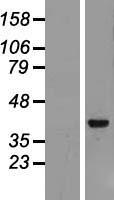
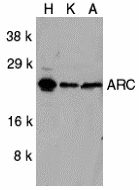
Designing a Western blot for Arc? The guide has the expected band size, antibodies backed by real blot images, the controls to run alongside, and protocols taken from published papers.
Open the ARC Western Blot Guide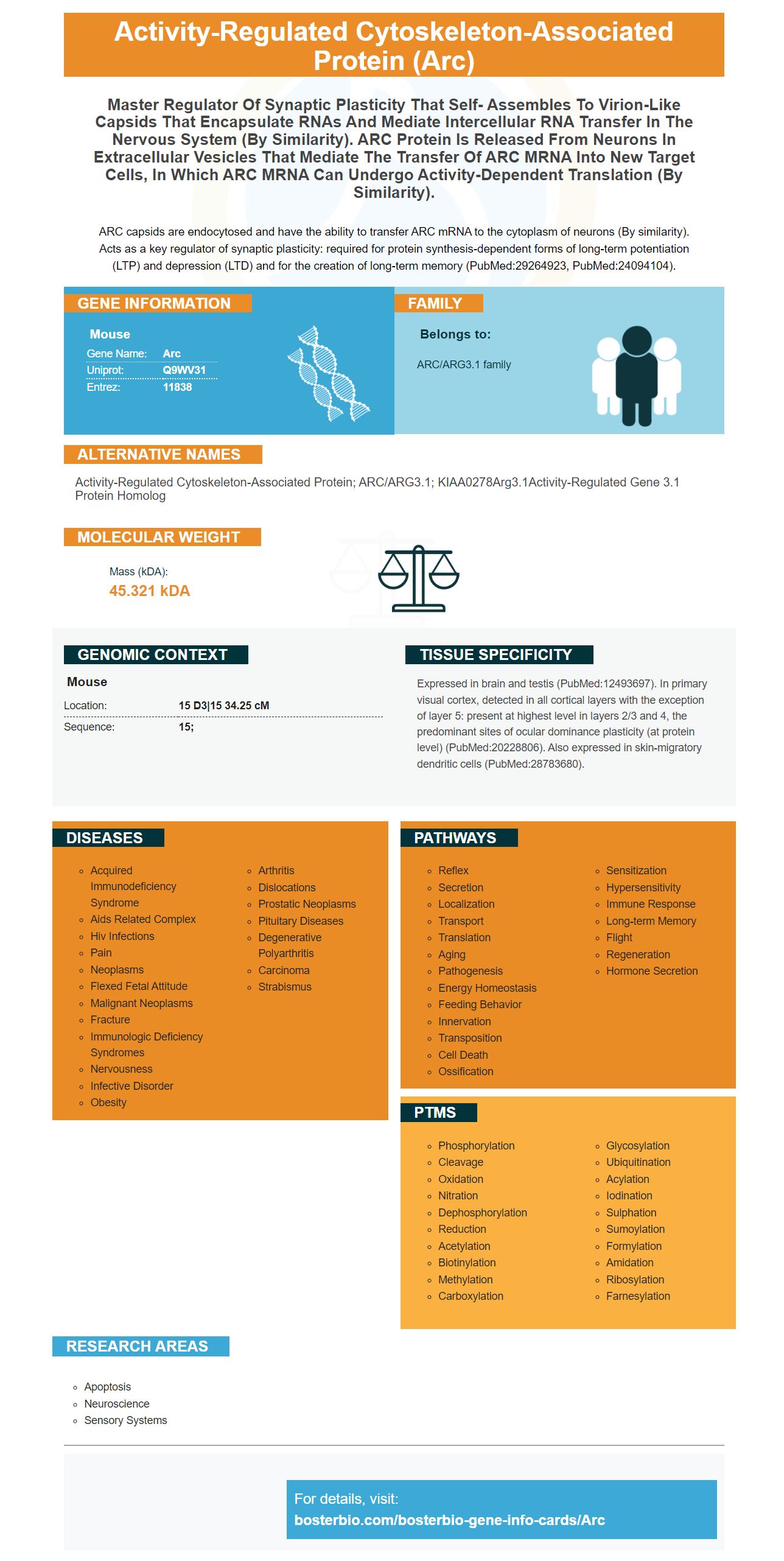
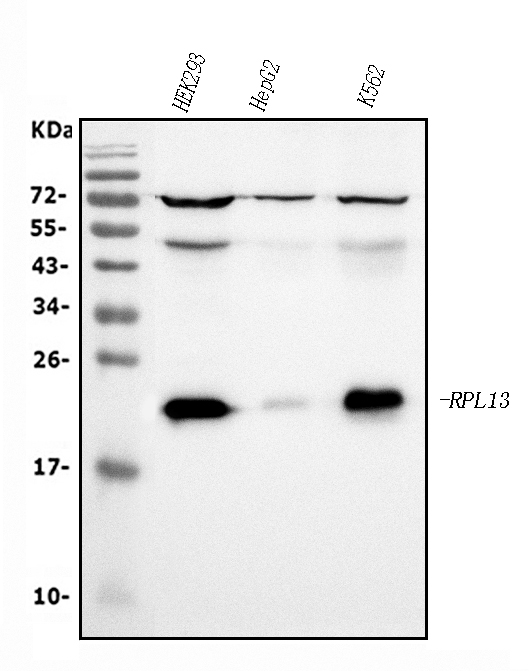
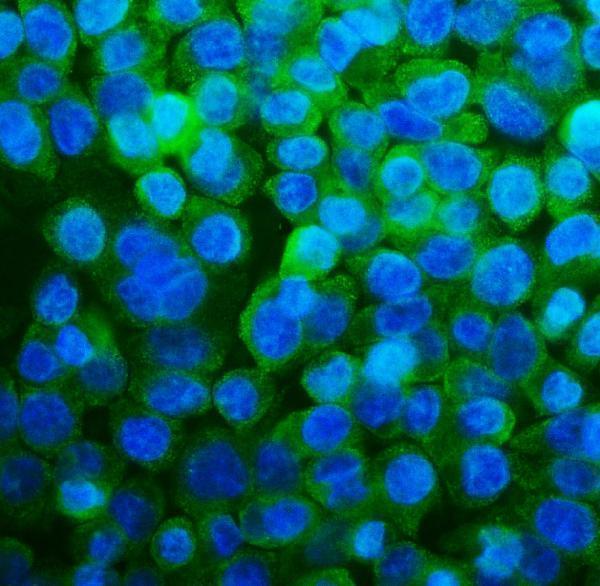
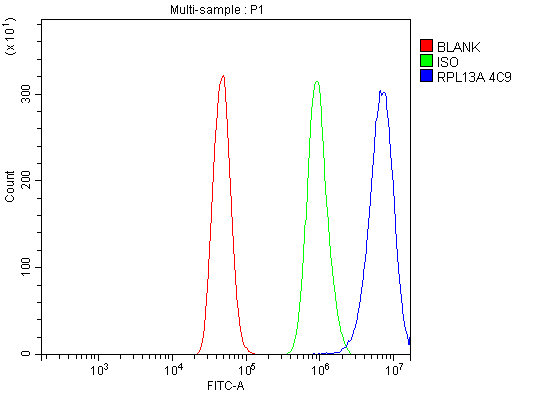
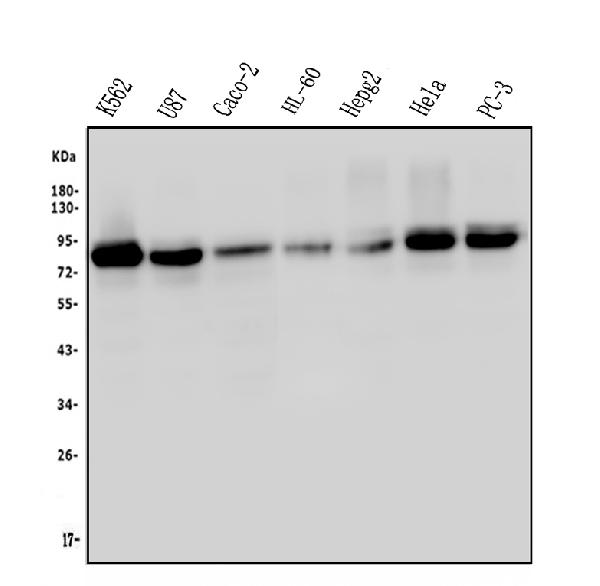


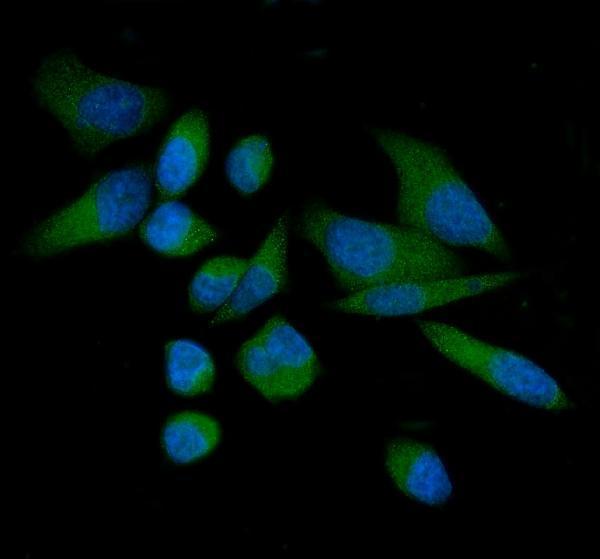
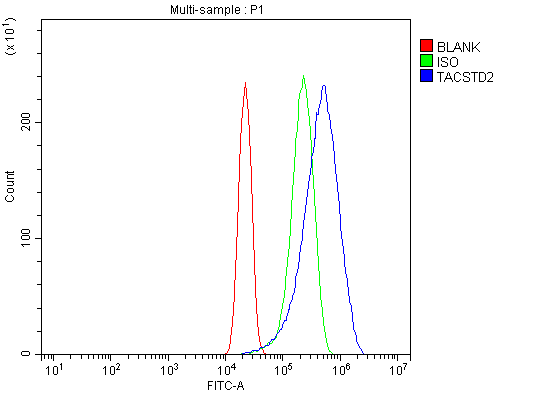
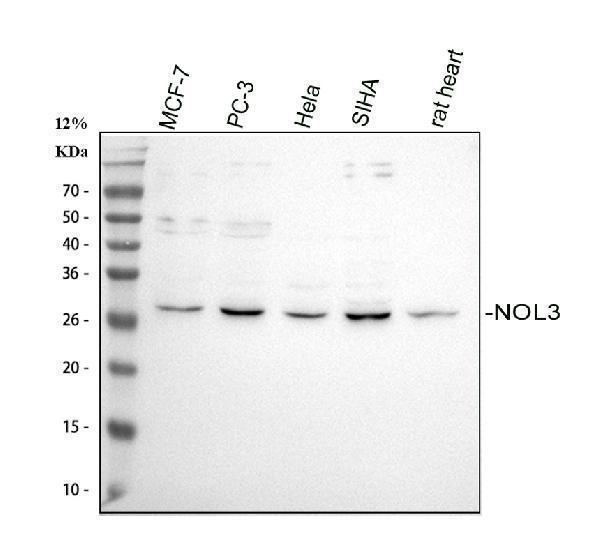

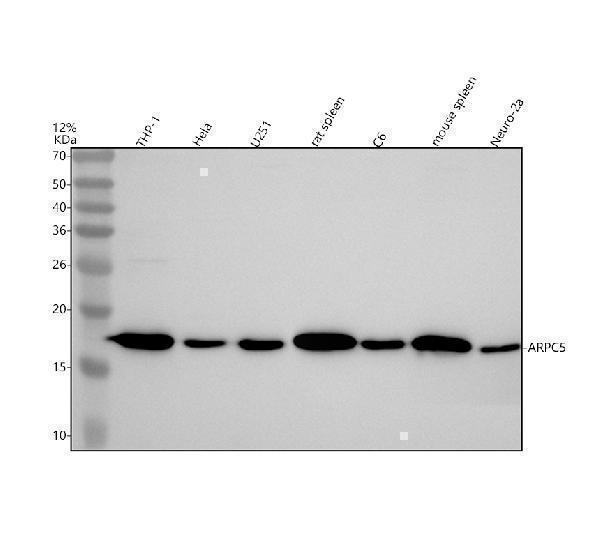
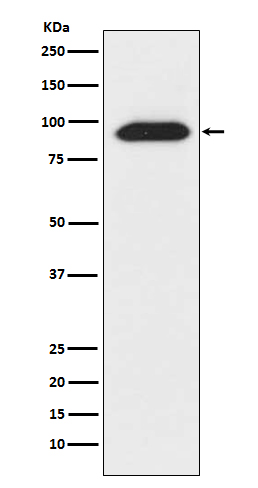
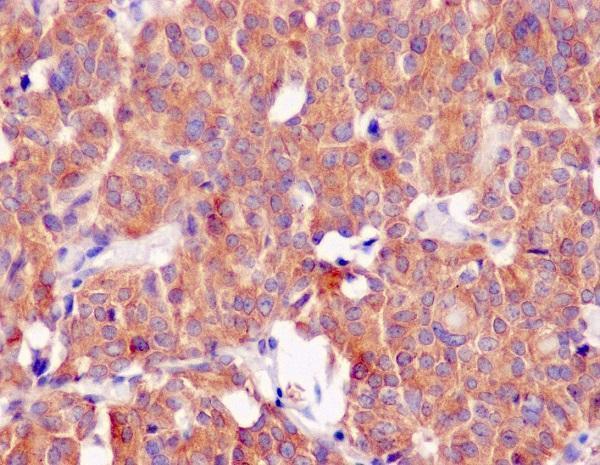
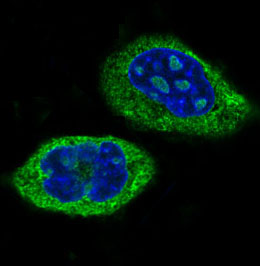


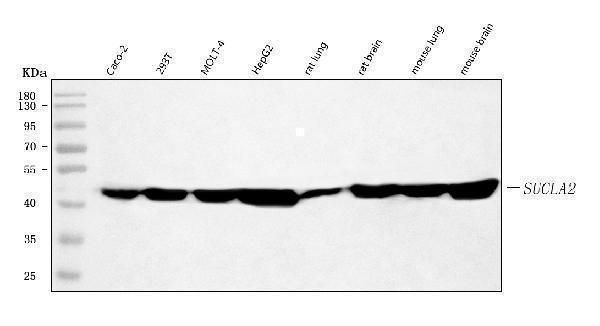
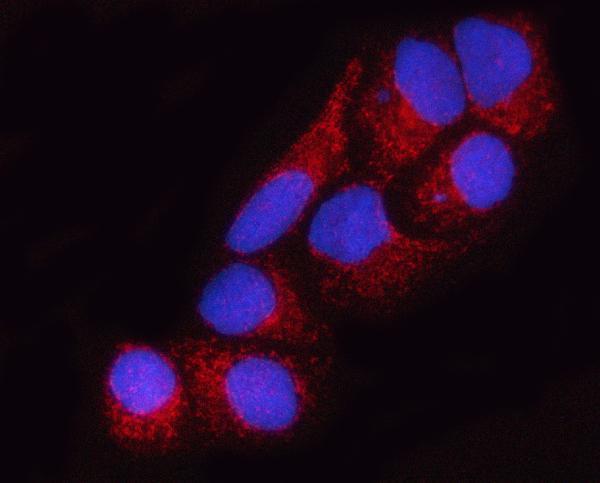
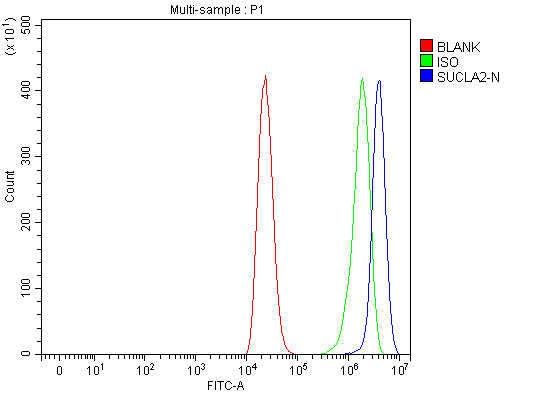
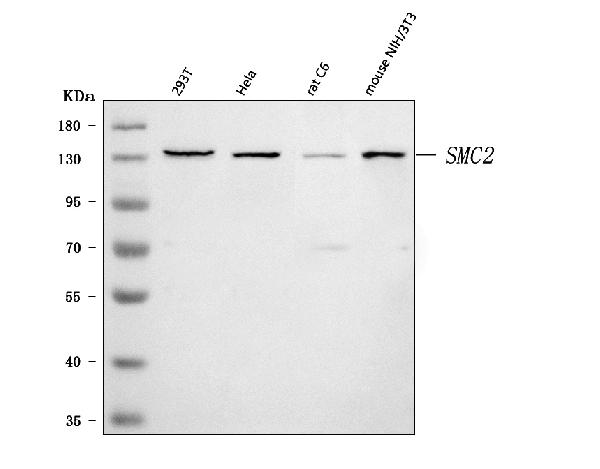
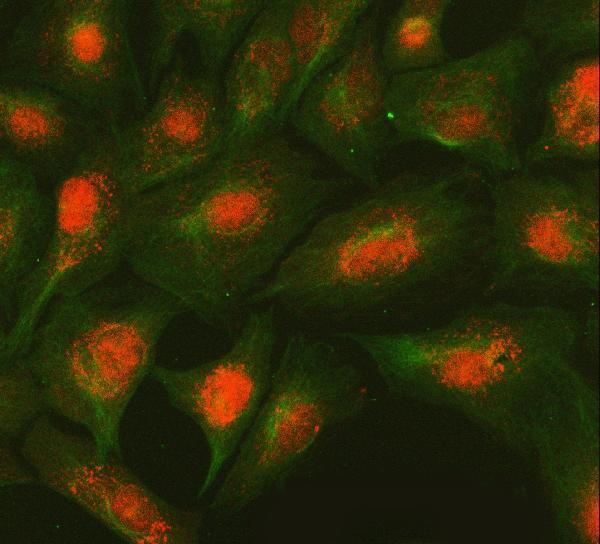

Facts about Activity-regulated cytoskeleton-associated protein.
ARC capsids are endocytosed and have the ability to transfer ARC mRNA to the cytoplasm of neurons (By similarity). Acts as a key regulator of synaptic plasticity: required for protein synthesis-dependent forms of long-term potentiation (LTP) and depression (LTD) and for the creation of long-term memory (PubMed:29264923, PubMed:24094104).
| Mouse | |
|---|---|
| Gene Name: | Arc |
| Uniprot: | Q9WV31 |
| Entrez: | 11838 |
| Belongs to: |
|---|
| ARC/ARG3.1 family |

activity-regulated cytoskeleton-associated protein; ARC/ARG3.1; KIAA0278Arg3.1Activity-regulated gene 3.1 protein homolog
Mass (kDA):
45.321 kDA

| Mouse | |
|---|---|
| Location: | 15 D3|15 34.25 cM |
| Sequence: | 15; |
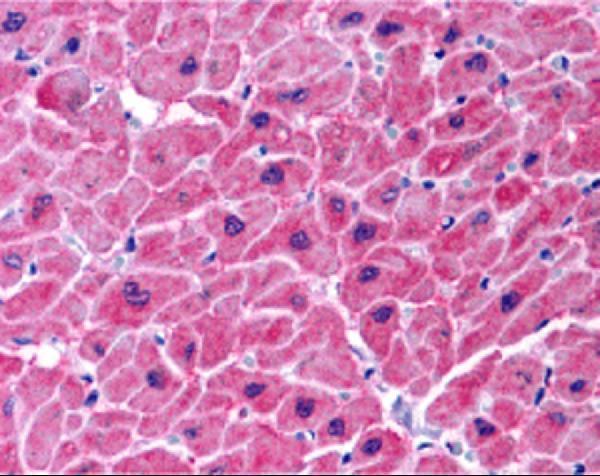
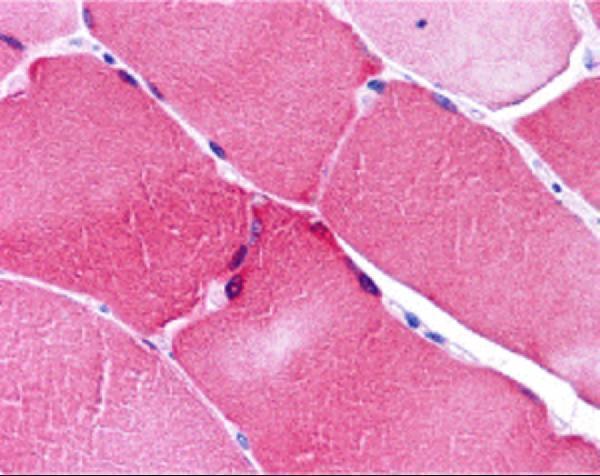
Expressed in brain and testis (PubMed:12493697). In primary visual cortex, detected in all cortical layers with the exception of layer 5: present at highest level in layers 2/3 and 4, the predominant sites of ocular dominance plasticity (at protein level) (PubMed:20228806). Also expressed in skin-migratory dendritic cells (PubMed:28783680).



PMID: 11466419 by Waltereit R., et al. Arg3.1/Arc mRNA induction by Ca2+ and cAMP requires protein kinase A and mitogen-activated protein kinase/extracellular regulated kinase activation.
PMID: 10727859 by Liu D., et al. Activity-regulated, cytoskeleton-associated protein (Arc) is essential for visceral endoderm organization during early embryogenesis.
*More publications can be found for each product on its corresponding product page