This website uses cookies to ensure you get the best experience on our website.


- Table of Contents
For our November issue of Research Spotlight, we’re happy to present 10 recent publications from scientists whom Boster has served.
Two research studies highlight new mechanisms by which BAX and serine metabolism orchestrate macrophage maturation as therapeutic strategies for macrophage-mediated diseases. For signaling pathways, scientists provided further insight into the roles of PPARs, AKT1, HOXA5, CDK12, and TOP2A in regulating cell differentiation, proliferation, and apoptosis as well as tumorigenesis.
In this issue, researchers also discussed the strong link between long-term exposure to atmospheric air pollutants and microplastics on neurotoxicity and cognitive dysfunctions.
Scroll down to find out more about each new publication!
Authors: Zhao, F., He, J., Tang, J., Cui, N., Shi, Y., Li, Z., Liu, S., Wang, Y…
Journal: Nature Communications
Microglia are derived from primitive myeloid cells and gain their early identity in the embryonic brains. However, the mechanism by which the brain milieu confers microglial maturation signature remains elusive. Here, we demonstrate that the baxcq55 zebrafish and Baxtm1Sjk mouse embryos exhibit similarly defective early microglial...
Cited Boster Product(s): Anti-RBPJK/RBPJ Picoband™ Antibody (A00767-1)

Authors: Shan, X., Hu, P., Ni, L., Shen, L., Zhang, Y., Ji, Z., Cui, Y., Guo, M…
Journal: Cellular & Molecular Immunology
Serine metabolism is reportedly involved in immune cell functions, but whether and how serine metabolism regulates macrophage polarization remain largely unknown. Here, we show that suppressing serine metabolism, either by inhibiting the activity of the key enzyme phosphoglycerate dehydrogenase in the serine biosynthesis pathway...
Cited Boster Product(s): Mouse IGF-1 ELISA Kit PicoKine® (EK0378)
Authors: Zhang, R., Yu, Y.X., Ye, D., Gu, Z., Chen, Z.X., Sun, Y.
Journal: Advanced Science
Maintenance and differentiation of germline stem and progenitor cells (GSPCs) is important for sexual reproduction. Here, the authors identify zebrafish pld6 as a novel germline-specific gene by cross-analyzing different RNA sequencing results, and find that pld6 knockout mutants develop exclusively into infertile males...
Cited Boster Product(s): Anti-Caspase-3/CASP3 Antibody Picoband™ (PB9188)

Authors: Qin, H., Niu, Y., Luan, H., Li, M., Zheng, L., Pan, Y., Liu, W.
Journal: Environment International
As the primary molecular target, there is still a gap between the peroxisome proliferator-activated receptors (PPARs) regulation and the adverse health effects caused by per- and polyfluoroalkyl substances (PFASs). The effects of PFASs on cellular differentiation regulated by PPARs is likely significant given the association of PFASs...
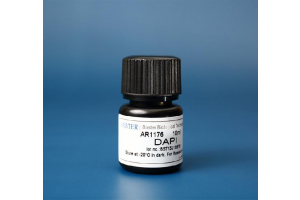
Cited Boster Product(s): DAPI (4',6-Diamidino-2-Phenylindole, Dihydrochloride) For Nucleic Acid Staining (AR1176)


Autumn is here and we’re happy to present our October issue of Research Spotlight!
This month, we highlight potential therapeutic technologies for treating various disorders. One study developed an exosome-based nanoplatform that enables CRISPR-Cas9 genome-editing therapy for liver diseases.
Other studies discuss non-drug approaches, such as proper sleeping patterns for preserving hematopoietic stem cell function and diversity, metabolic subtyping for guiding ketogenic therapy i...

The September issue of Research Spotlight has arrived! We’re happy to present 10 recent publications from scientists whom Boster has served.
In this month’s featured publications, scientists highlighted the role of mTORC1 in hyperactive tumors for precision immunotherapy, and investigated the regulatory mechanisms of NF-κB and AMPK/mTOR signaling as therapeutic targets for osteoarthritis and cardiovascular disease, respectively.
Researchers also explored how resveratrol promotes recovery from spinal cord injury by improving intestinal microbiota. Furthermore, scientists proposed a magnetic soft robotic bladder to help underactive bladders.
Several nanotherapeutics are introduced, such as TME-responsive MnO2-melittin nanoparticles for enhancing cancer vaccine efficiency, bioactive antibacterial hydromembrane for accelerating diabetic wound healing, and MSC-derived extracellular vesicles for treating brain injury.
Scroll down to learn more about these discoveries!
Authors: Tang, Y., Kwiatkowski, D.J., Henske, E.P.
Journal: Nature Communications
mTORC1 is hyperactive in multiple cancer types1,2. Here, we performed integrative analysis of single cell transcriptomic profiling, paired T cell receptor (TCR) sequencing, and spatial transcriptomic profiling on Tuberous Sclerosis Complex (TSC) associated tumors with mTORC1 hyperactivity, and identified a stem-like tumor cell state...
Cited Boster Product(s): Anti-Cathepsin K/CTSK Antibody Picoband™ (PB9856); Human Midkine ELISA Kit PicoKine® (EK1235)
Authors: Yang, Y., Wang, J., Wang, L., Wu, Q., Ling, L., Yang, Y., Ning, S…
Journal: Science Advances
The poor contractility of the detrusor muscle in underactive bladders (UABs) fails to increase the pressure inside the UAB, leading to strenuous and incomplete urination. However, existing therapeutic strategies by modulating/ repairing detrusor muscles, e.g., neurostimulation and regenerative medicine, still have low efficacy...

We're happy to present our August issue of Research Spotlight, which highlights potential nano‐therapeutic strategies for targeting several diseases.
Scientists discussed innovative bio-inspired nanomaterials, such as surfactant functionalized nanorods and bioengineered bacterial outer membrane vesicles to treat K. pneumonia infection and cancer, respectively. Other biomedical studies demonstrated the improved mechanical/therapeutic characteristics of nanoparticles with nano-enzyme activity, e...

The July edition of Research Spotlight presents 10 recent publications from scientists whom Boster has served.
In this month’s edition, a number of research papers discussed novel approaches for repairing cellular defects upon injury. Zhang et al. explored the regenerative potential of functionalized Schwann-like cells converted from GMSCs for repairing severe PNIs. Other studies highlighted the potential clinical transformation of triboelectric stimulation and DMSO pretreatment to rejuvenate aged BMSCs and preserve male fertility, respectively.
Several research studies also provided insights for a more effective drug delivery system with a high therapeutic targeting effect using natural compounds. Some examples include using Notoginsenoside R1 for the myocardial-targeting drug delivery system, quercetin to prevent Cd toxicity, and the immunomodulatory effects of different fucoidans.
Scroll down to learn more about these research discoveries!
Authors: Zhang, Q., Burrell, J.C., Zeng, J., Motiwala, F.I., Shi, S., Cullen, D.K…
Journal: Stem Cell Research & Therapy
Background: Peripheral nerve injuries (PNIs) remain one of the great clinical challenges because of their considerable long-term disability potential. Postnatal neural crest-derived multipotent stem cells, including gingiva-derived mesenchymal stem cells (GMSCs), represent a promising source of seed cells for tissue engineering...

The June issue of Research Spotlight highlights research advancements from scientists whom we have served.
Read about new studies outlining potential treatments to promote tissue repair and regeneration. For example, one study demonstrated the significance of EE for cardiac repair.
Scientists also investigated the promising roles of ROS-scavenging hydrogel, responsive Mn3O4 nanoplatform, and a novel 3D-printed porous bioactive ceramic scaffold for spinal cord injury, gastric cancer, and bone injury, respectively.
Other papers uncovered the molecular mechanisms of SIRT1, Neat1, cathepsin B/NLRP3, and FASN in different diseases and cancer.
Scroll down to learn more about these 10 research discoveries.
Authors: Bai, P.Y., Chen, S.Q., Jia, D.L., Pan, L.H., Liu, C.B., Luo, J.L., Yang, Y…
Journal: Science Advances
Macrophages play a vital role in cardiac repair following myocardial infarction (MI). An enriched environment (EE) is involved in the regulation of macrophage-related activities and disease progression; however, whether EE affects the phenotype and function of macrophages to improve postinfarction cardiac repair remains unknown...
Cited Boster Product(s): Mouse BDNF ELISA Kit PicoKine® (EK0309)

Authors: Jiang, R.H., Dong, C.J., Chen, Z.L., Cheng, S., Yang, J.X., Gao, W.Y.
Journal: Oxidative Medicine and Cellular Longevity
Random-pattern skin flap necrosis limits its application in the clinic. It is still a challenge for plastic surgeons. Catalpol is an effective ingredient extracted from Rehmannia glutinosa, which is reported to promote angiogenesis and protect against ischemic cerebral disease. The aim of our experiment is to assess whether catalpol...
Cited Boster Product(s): Anti-VE-Cadherin-5 Cdh5-Antibody Picoband™ (A02632-2)

For this month’s Research Spotlight, we highlight 10 new research publications from scientists whom Boster has served.
In the field of cancer immunotherapy, data from two studies point toward the anti-lymphoma and anti-bladder cancer effects exerted by ADAM10 and iDAMP inhibitors respectively. Additionally, scientists present the promising potential of CEACAM 5, PCL22-186, and lncSLCO1C1 as new biomarkers for predicting cancer cells’ radiosensitivity, cancer progression, and resistance...

Every month, we feature 10 research studies from scientists whom we have served. In our April edition of Research Spotlight, scientists focus on finding novel delivery systems to improve the poor delivery efficiency of therapeutic biomolecules.
One research paper provided new insights into how renal exosomes are aroused by β-catenin, underscoring an important therapeutic strategy for CKD. Studies highlighting the promising potential of engineered EGCG-containing nanoassemblies, microalgae-based...

The March edition of Research Spotlight presents 10 recent publications from scientists whom Boster has served.
In this edition, scientists discussed how a better understanding of the PD-L1 expression regulation can be pivotal in achieving better clinical outcomes in EBV-infected cancer patients. Another research study proposed a self-powered smart patch that serves as a reservoir of chemokine-/neural-directing exosomes, offering a serviceable strategy to stimulate skin neuro-engineering and regeneration of tissues and organs.
In terms of bone diseases, one paper revealed the potential role of Calca, an osteoblast-derived ProCT in the bone microenvironment that is required to limit bone resorption during iPTH. Several development strategies in the fields of nanotechnology and biomaterials were also achieved through the construction of cell-responsive peptide assemblies and nanorod-like coating with ions doping.
Explore below for a closer look at these research discoveries!
Authors: Wang, J., Ge, J., Wang, Y., Xiong, F., Guo, J., Jiang, X., Zhang, L…
Journal: Nature Communications
Epstein-Barr virus (EBV) is reportedly the first identified human tumor virus, and is closely related to the occurrence and development of nasopharyngeal carcinoma (NPC), gastric carcinoma (GC), and several lymphomas. PD-L1 expression is elevated in EBV-positive NPC and GC tissues; however, the specific mechanisms underlying the EBV-...
Cited Boster Product(s): Mouse IL-2 ELISA Kit PicoKine® (EK0398); Mouse Granzyme B ELISA Kit PicoKine® (EK1115); Mouse IFN Gamma / IFNG / Interferon Gamma ELISA Kit PicoKine® (EK0375)
Authors: Feng, L., Li, C., Zeng, L.W., Gao, D., Sun, Y.H., Zhong, L., Lin, H…
Journal: Signal Transduction and Targeted Therapy
Interleukin-3 (IL-3) is a hematopoietic growth factor and critical regulator of inflammatory response such as sepsis. IL-3 binds to IL-3 receptor α (IL-3Rα), which is then associated with IL-3Rβ to initiate signaling. How IL-3-triggered physiological and pathological effects are regulated at the receptor level is unclear. Here, we...

In this month’s Research Spotlight, we highlight a range of our customers’ publications that investigate complex challenges and the development of life-changing innovations to improve patient health.
In this month’s Research Spotlight, we highlight a range of our customers’ publications that investigate complex challenges and the development of life-changing innovations to improve patient health.
Find out how tNIR light treatment might serve as a noninvasive therapeutic alternative for regulating neuronal functions via the improvement of mitochondrial dysfunction mediated by the SIRT1/PGC-1α pathway. In addition, as more studies reveal the key role of circRNAs in cancer, researchers dive deeper into the molecular mechanism of circRNAs in prostate cancer progression.
In the fields of biomedicine and nanotechnology, scientists also successfully develop melanin@mSiO2 and HRPS biomimetic nanoparticles that function as high targeting delivery systems for tumor immunotherapy and RA therapy, respectively.
Scroll down to learn more about the various discoveries and their applications...