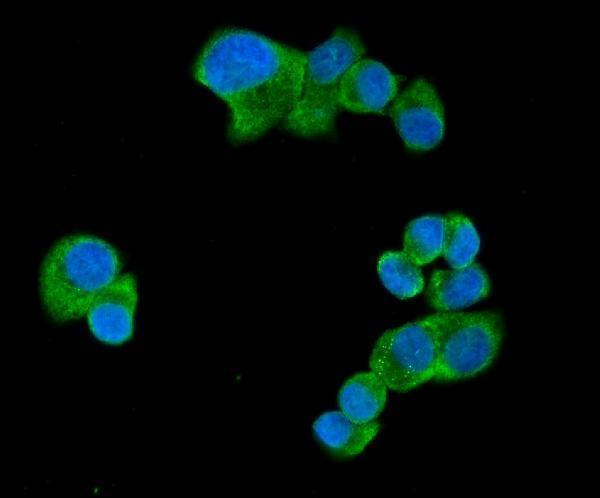
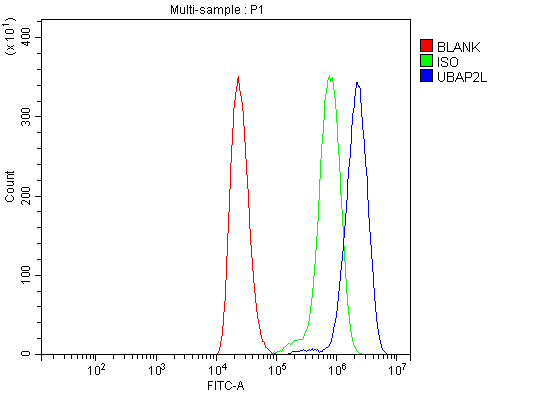
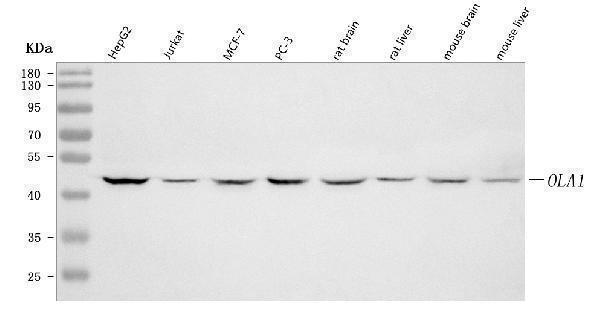
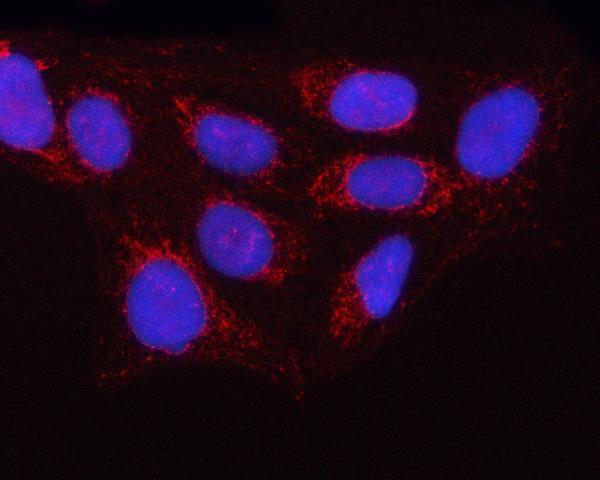
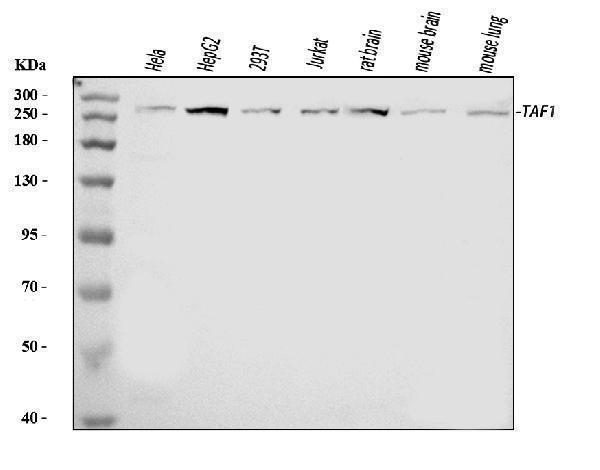
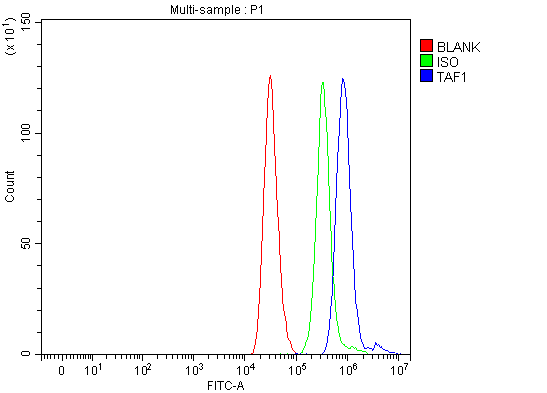
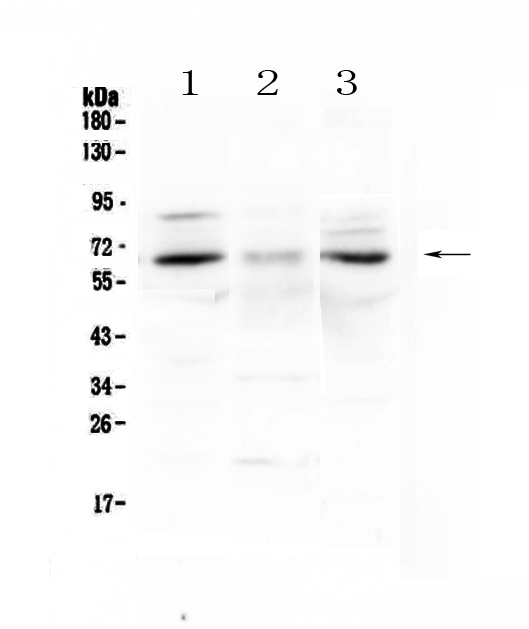
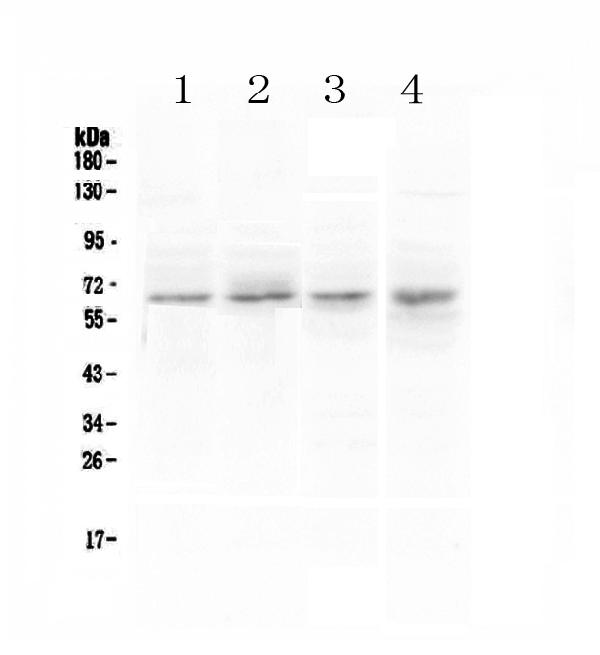
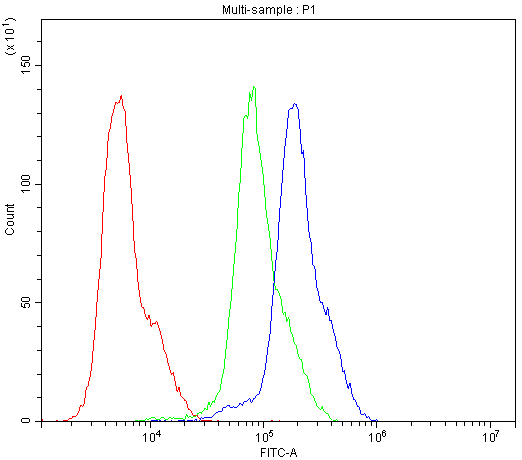
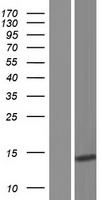
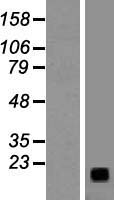
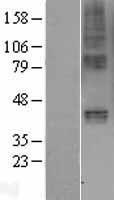
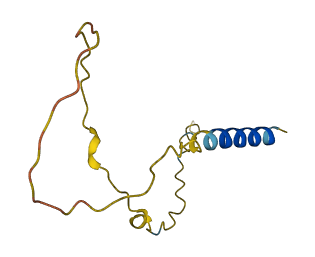
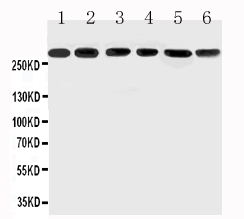
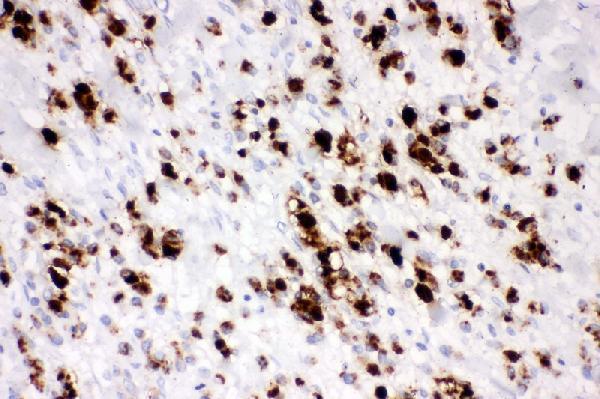
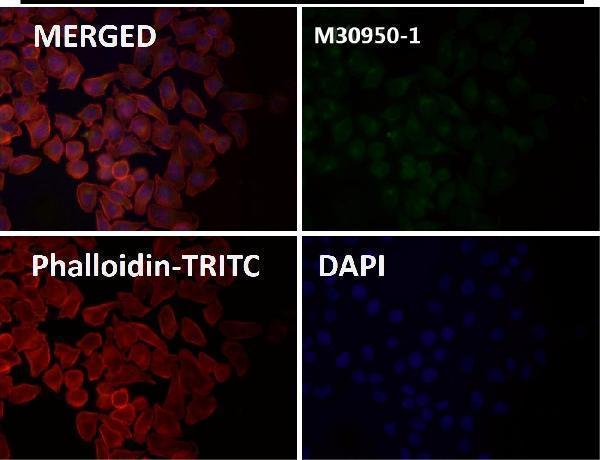
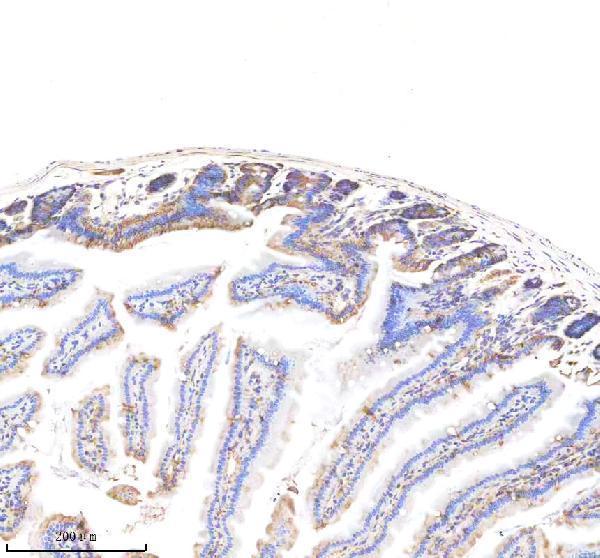
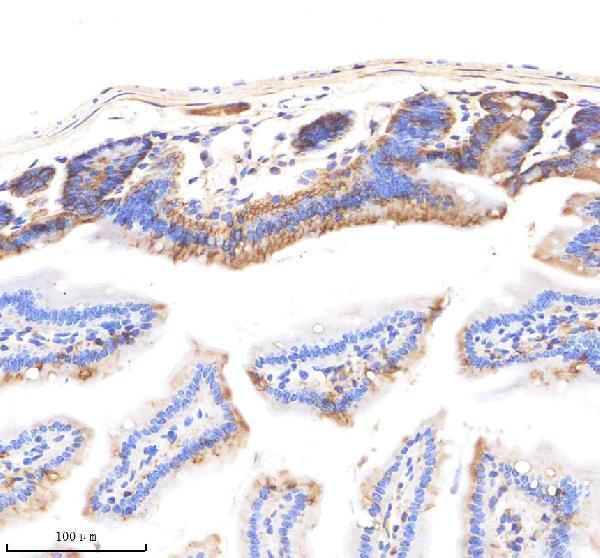
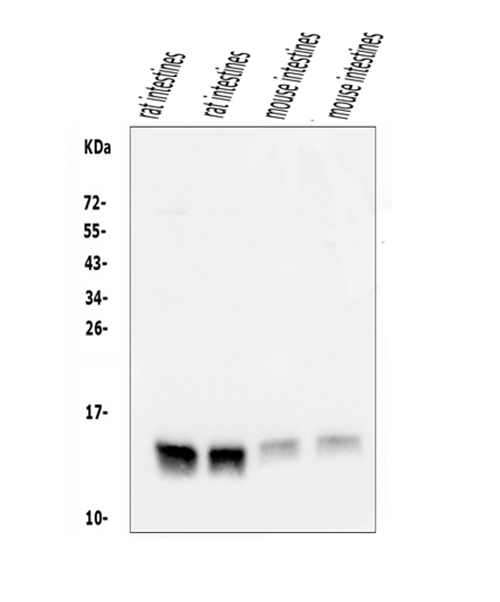
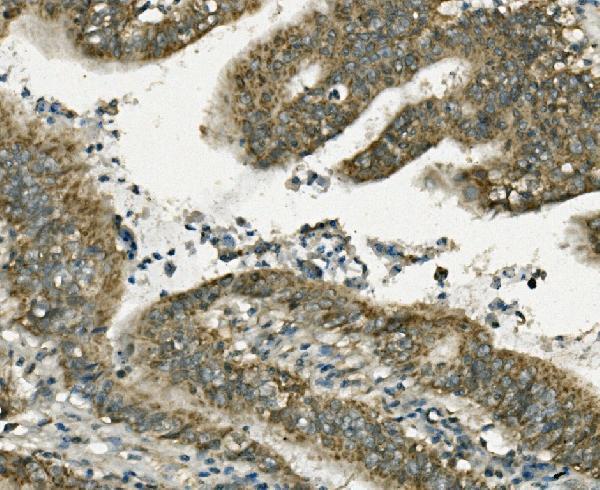
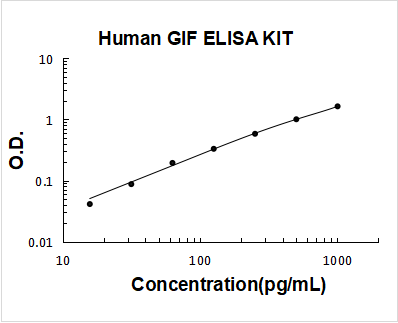
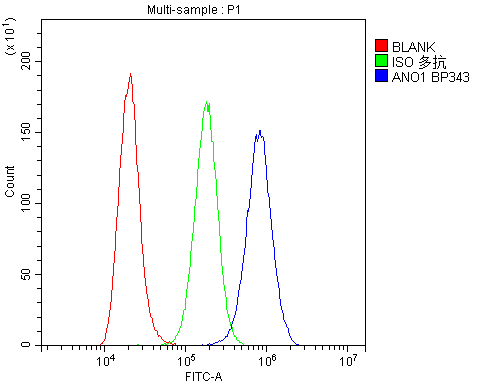
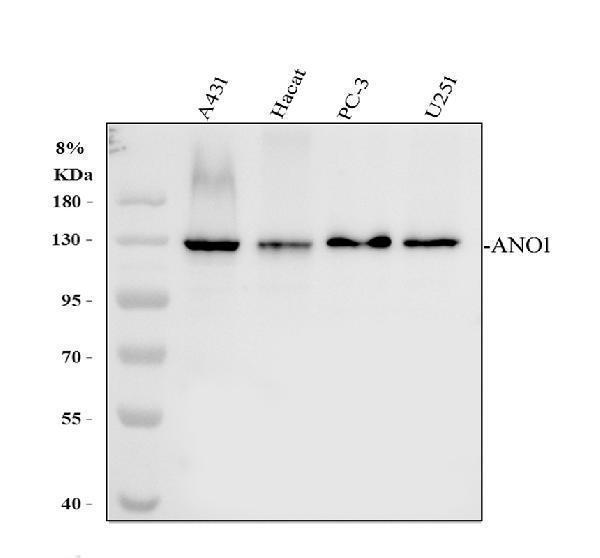
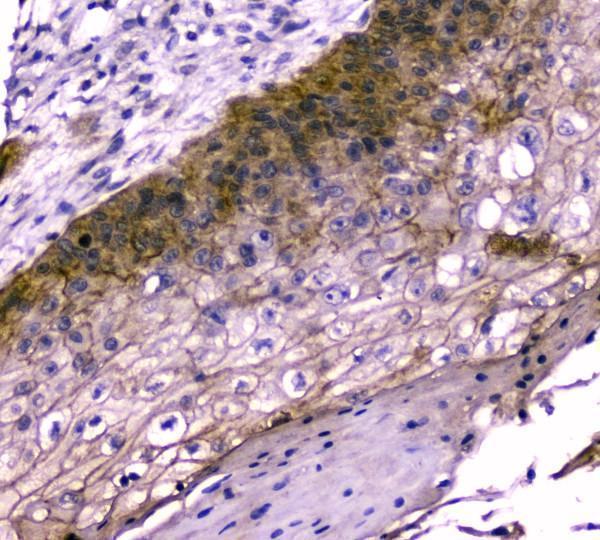
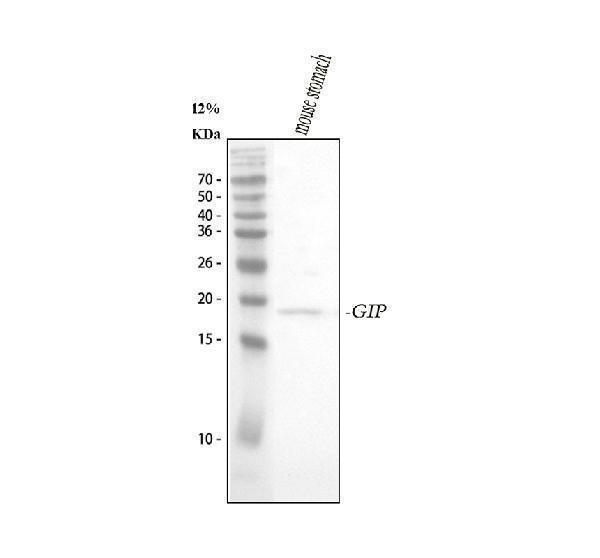
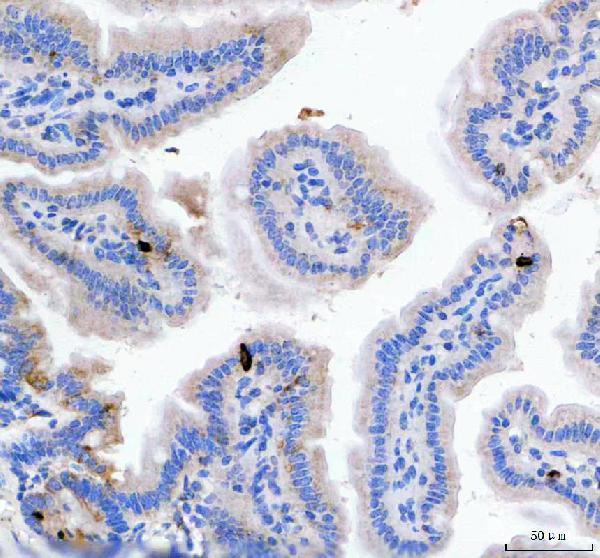
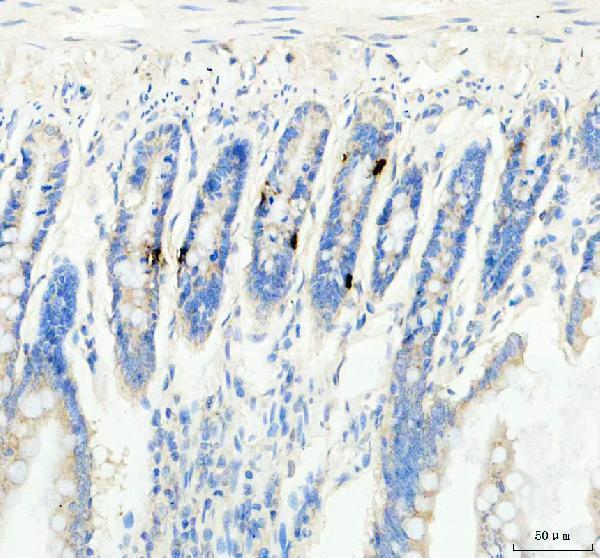
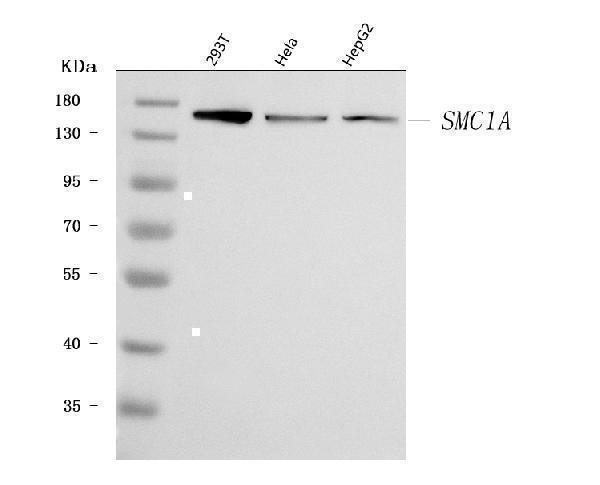
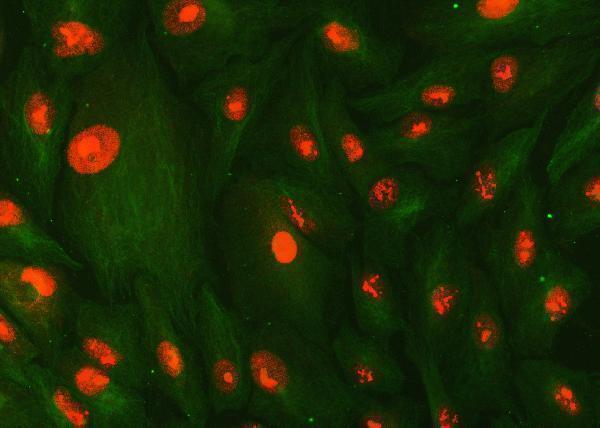
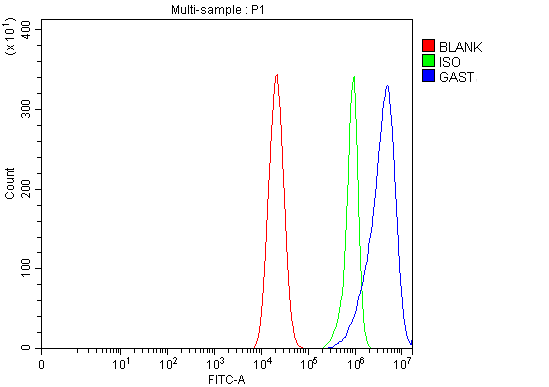
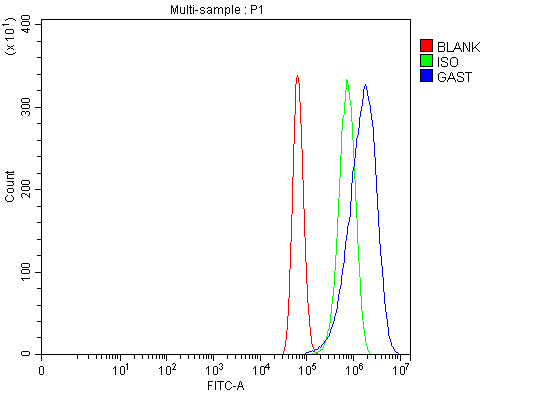
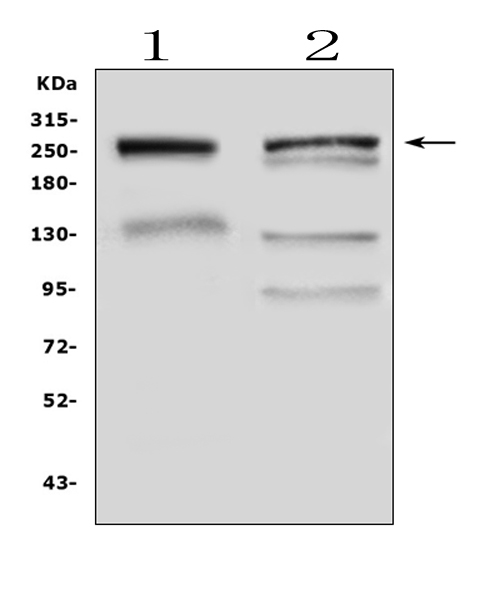
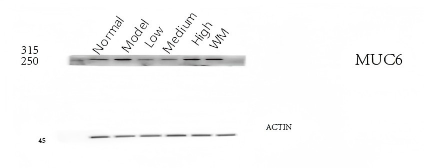
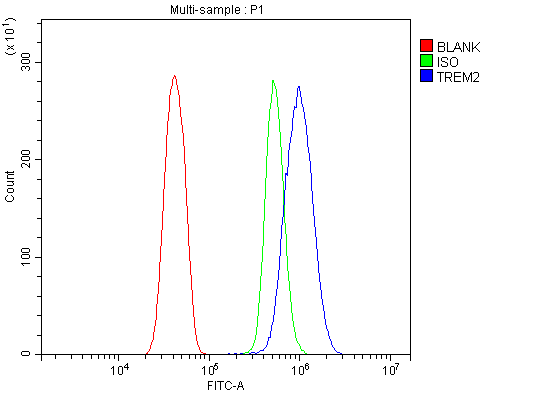
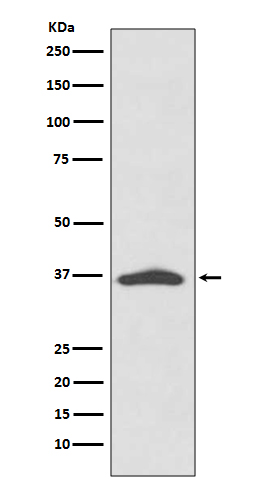
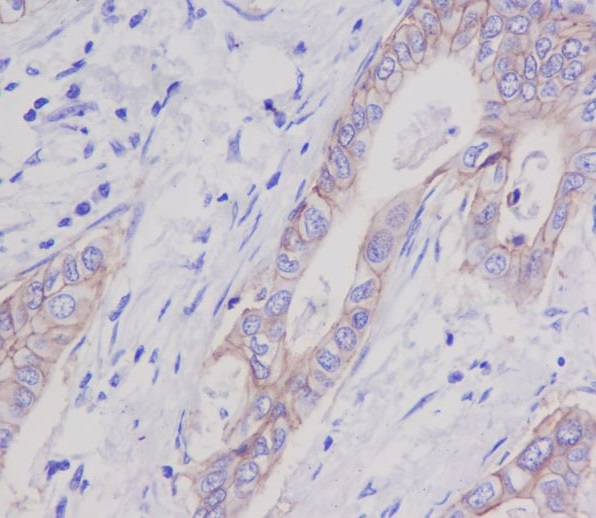
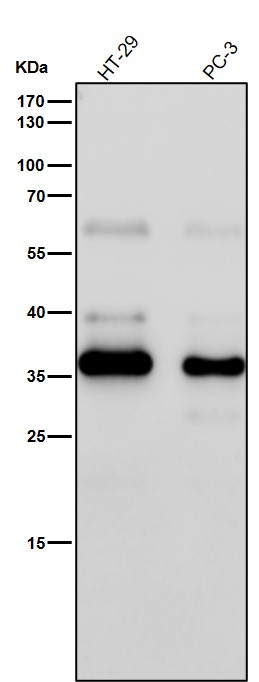
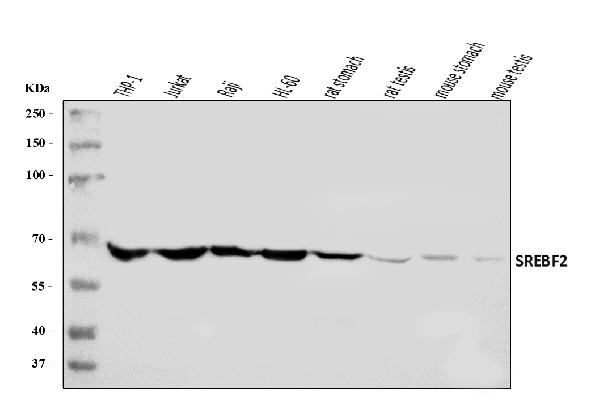
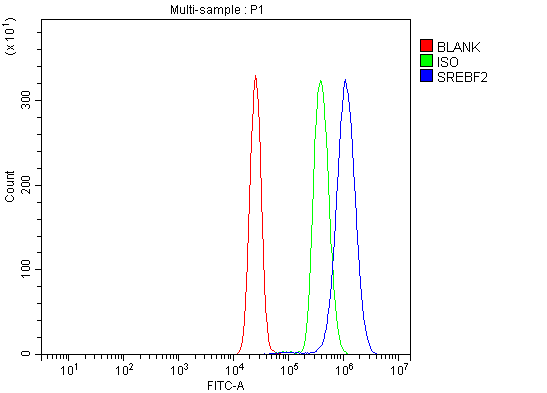
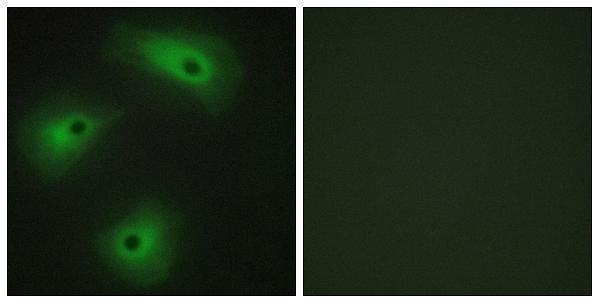
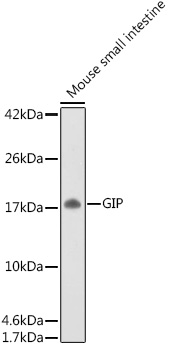
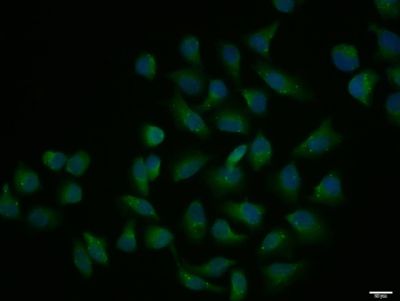
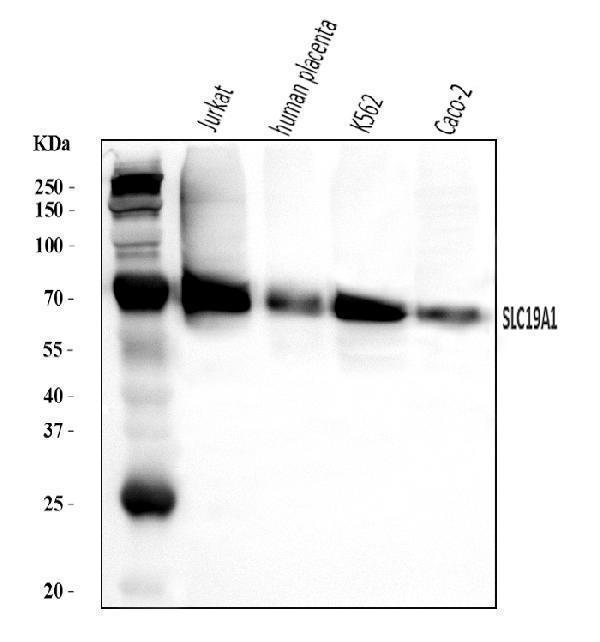
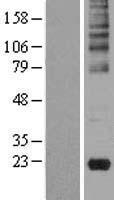
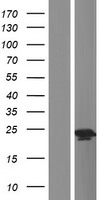
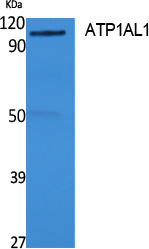
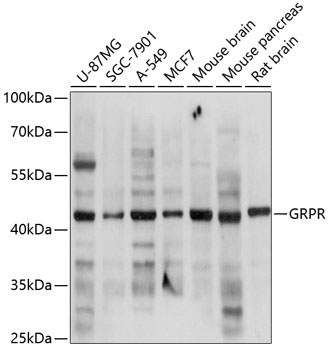
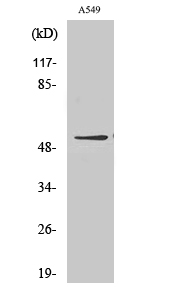
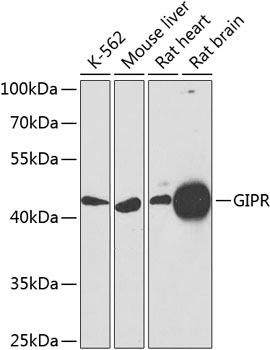
Many biological assays use antibodies to detect Gastrin, such as Western Blot (WB), ELISA, Flow Cytometry, Immunocytochemistry (IHC). These antibodies can be polyclonal or monoclonal, and react with Gastrin in Human, Mouse, Rat, and many other animal samples. Boster Bio use mainly mouse and rabbit to develop Gastrin antibodies...
We validate the specificity of these antibodies to Gastrin by testing them on tissues known to express GAST positively and negatively. Browse below to find the GAST antibody that suites your experiment. We have 59 of these antibodies and many publications and validation images.
If you cannot find antibodies that fit your needs, contact us for making custom antibodies. We have a full suite of custom antibody services covering from research to diagnostic and therapeutic applications.
Designing a Western blot for Gastrin?
The guide has the expected band size, antibodies backed by real blot images, the controls to run alongside, and protocols taken from published papers.
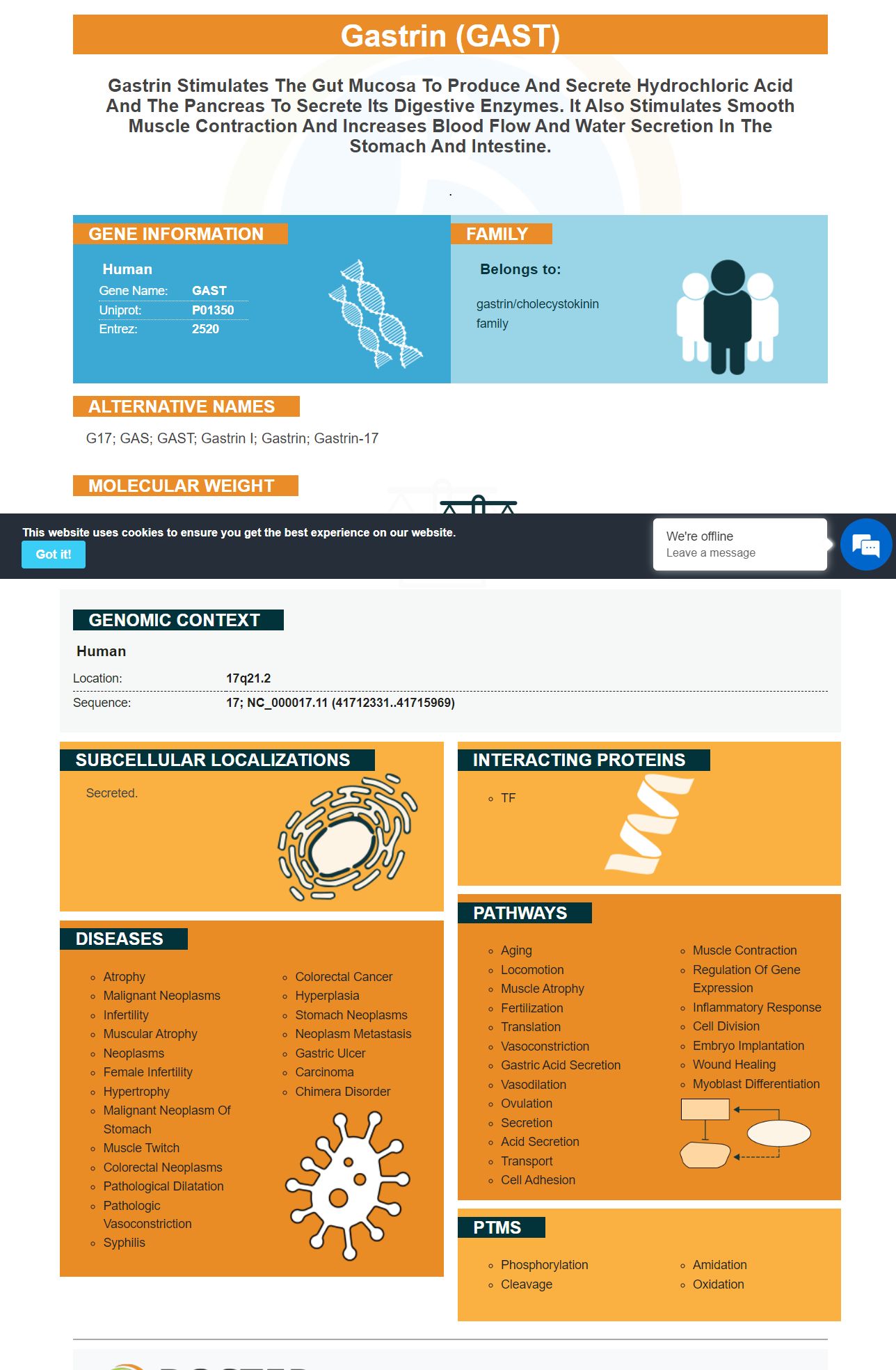
Gastrin stimulates the gut mucosa to produce and secrete hydrochloric acid and the pancreas to secrete its digestive enzymes. It also stimulates smooth muscle contraction and increases blood flow and water secretion in the stomach and intestine.
.
Gene Information
Human
Gene Name:
GAST
Uniprot:
P01350
Entrez:
2520
Family
Belongs to:
gastrin/cholecystokinin family
Alternative Names
G17; GAS; GAST; Gastrin I; gastrin; Gastrin-17
Molecular Weight
Mass (kDA): 11.394 kDA
Genomic Context
Human
Location:
17q21.2
Sequence:
17; NC_000017.11 (41712331..41715969)
Subcellular Localizations
Secreted.
Diseases
Atrophy
Malignant Neoplasms
Infertility
Muscular Atrophy
Neoplasms
Female Infertility
Hypertrophy
Malignant Neoplasm Of Stomach
Muscle Twitch
Colorectal Neoplasms
Pathological Dilatation
Pathologic Vasoconstriction
Syphilis
Colorectal Cancer
Hyperplasia
Stomach Neoplasms
Neoplasm Metastasis
Gastric Ulcer
Carcinoma
Chimera Disorder
Interacting Proteins
TF
Pathways
Aging
Locomotion
Muscle Atrophy
Fertilization
Translation
Vasoconstriction
Gastric Acid Secretion
Vasodilation
Ovulation
Secretion
Acid Secretion
Transport
Cell Adhesion
Muscle Contraction
Regulation Of Gene Expression
Inflammatory Response
Cell Division
Embryo Implantation
Wound Healing
Myoblast Differentiation
PTMs
Phosphorylation
Cleavage
Amidation
Oxidation
For details, visit: bosterbio.com/bosterbio-gene-info-cards/GAST
References
PMID: 3034736 by Kariya Y., et al. Expression of human gastrin gene in normal and gastrinoma tissues.
PMID: 6087340 by Ito R., et al. Structural analysis of the gene encoding human gastrin: the large intron contains an Alu sequence.
10 Publications of Boster Gastrin Antibodies & ELISA Kits
PubMed ID: 10.1096/fasebj.2020.34.s1.06115, Intestinal TMEM16A function as a luminal chloride channel
PubMed ID: 10.1039/C5AN00799B, Deformability and size-based cancer cell separation using an integrated microflu...
PubMed ID: 10.1002/cbin.11598, Epithelial cell adhesion molecule promotes breast cancer resistance protein‐me...