This website uses cookies to ensure you get the best experience on our website.


- Table of Contents
Antibodies and research tools for DNA methylation, histone modification, chromatin remodeling, and transcriptional regulation studies.
Epigenetics research investigates how gene expression is regulated beyond DNA sequence alone. Key mechanisms include DNA methylation, histone modification, chromatin remodeling, and the recruitment of transcriptional regulatory complexes that determine whether chromatin remains permissive or repressed. These processes shape cell identity, developmental timing, lineage commitment, stress adaptation, and disease progression.
Antibodies are essential tools in epigenetics because they help researchers detect chromatin regulators, track histone marks, analyze DNA methylation-related enzymes, and interpret epigenetic state changes across tissues, cell lines, and disease models. Western blot is widely used to measure chromatin regulators and histone mark abundance. IHC and IF help localize epigenetic proteins in tissue context. IP and ChIP-related workflows support enrichment of protein complexes and chromatin-bound targets, while selected ELISA-based assays can support protein-level studies linked to methylation, acetylation, and transcriptional regulation.
This epigenetics antibodies page is designed to help researchers navigate epigenetics by experimental method, disease relevance, biological context, biomarker class, and pathway map, and to identify useful antibody targets for chromatin biology, stem cell research, cancer epigenetics, developmental biology, and neurological disease studies.
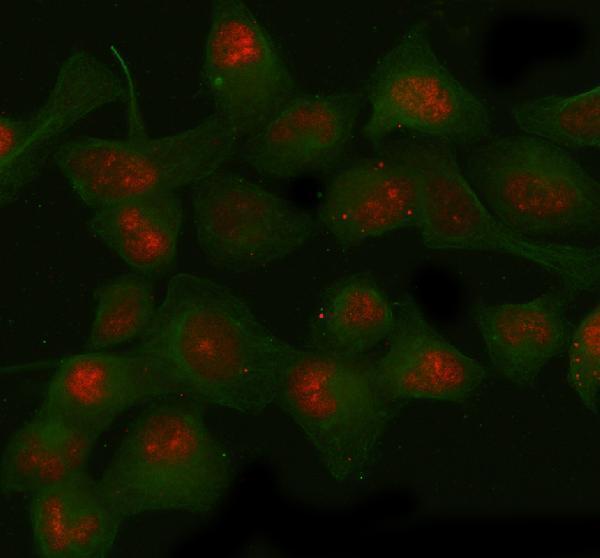
A00018-1
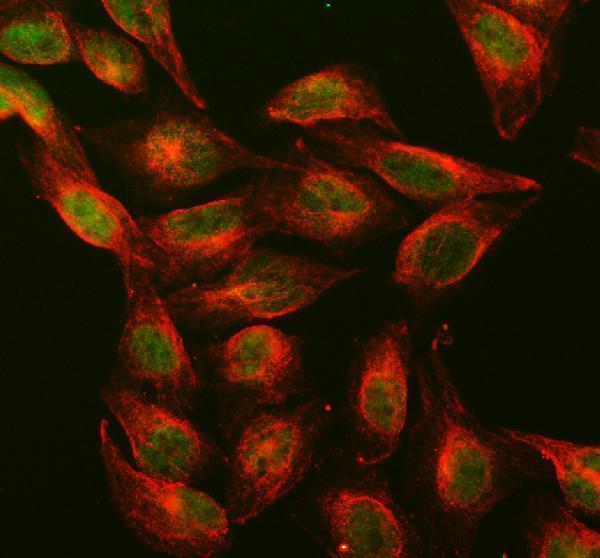
A00172-1
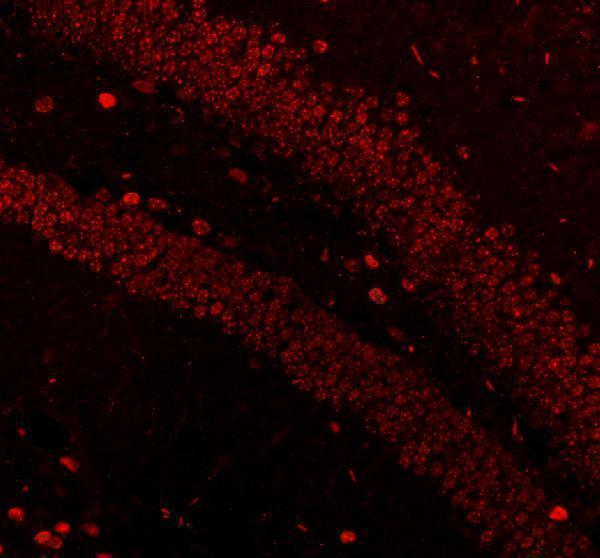
A00047
| Protein Name | Gene Name | Function |
|---|---|---|
| DNMT1 | DNMT1 | Maintains DNA methylation during replication |
| DNMT3A | DNMT3A | De novo DNA methylation |
| DNMT3B | DNMT3B | De novo DNA methylation |
| TET1 | TET1 | Catalyzes DNA demethylation |
| TET2 | TET2 | Catalyzes DNA demethylation |
| EZH2 | EZH2 | Methylates histone H3 on lysine 27, repressing gene expression |
| HDAC1 | HDAC1 | Removes acetyl groups from histones, leading to chromatin condensation |
| CREBBP | CREBBP | Acetylates histones, facilitating gene transcription |
| MeCP2 | MECP2 | Binds methylated DNA and recruits repressive complexes |
| BRD4 | BRD4 | Recognizes acetylated histones, regulating gene transcription |
| UHRF1 | UHRF1 | Links DNA methylation and histone modification |
| SETD2 | SETD2 | Trimethylates histone H3 on lysine 36 |
| ASH1L | ASH1L | Histone methyltransferase involved in gene activation |
| MLL1 | KMT2A | Histone methyltransferase targeting H3K4 |
| SIRT1 | SIRT1 | Deacetylates histones and other proteins, regulating transcription |
| G9a | EHMT2 | Methylates histone H3 on lysine 9, repressing gene expression |
| KDM6A | KDM6A | Demethylates histone H3 on lysine 27, activating gene expression |
| SUV39H1 | SUV39H1 | Methylates histone H3 on lysine 9, promoting heterochromatin formation |
| BRG1 | SMARCA4 | Chromatin remodeler that alters nucleosome positioning |
| TRDMT1 | TRDMT1 | Involved in tRNA methylation and DNA/RNA modification |
Use Western blot to detect DNMTs, TET proteins, HDACs, bromodomain proteins, and histone marks such as H3K27me3, H3K4me3, or H3K36me3. This is a core workflow for comparing global epigenetic state across cell lines, treatments, and perturbation studies.
Explore Western blot guideIHC and IF help localize chromatin regulators and epigenetic markers within tissue architecture. These methods are especially useful in cancer epigenetics, developmental tissue studies, and CNS research where cell-type context influences interpretation.
Explore IHC/IF assay guideImmunoprecipitation and ChIP-related workflows are central for studying protein–chromatin interactions, histone modifications, and transcriptional regulatory complexes. These approaches help connect target occupancy with gene activation or repression.
Explore ChIP assay guideSelected ELISA and protein assay workflows can support studies of acetylation-, methylation-, and pathway-associated proteins when researchers need quantitative comparisons across treatment groups or sample cohorts.
Explore ELISA assay guideEpigenetic dysregulation is a major driver of tumor progression beyond DNA mutation alone. DNA hypermethylation, altered histone methylation or acetylation, bromodomain-dependent transcription, and ATP-dependent chromatin remodeling all contribute to proliferation, dedifferentiation, immune evasion, and therapy resistance. Epigenetics antibodies are widely used to study chromatin-state changes in solid tumors, hematologic malignancies, and treatment-response models.
Epigenetic control is critical in the nervous system, where stable yet adaptable transcriptional programs support neuronal function, glial identity, developmental timing, and activity-dependent regulation. DNA methylation readers, histone-modifying enzymes, and chromatin remodelers are frequently studied in neurodevelopmental disorders, neurodegeneration, seizure-related models, and broader CNS disease research.
Epigenetic mechanisms help shape developmental timing, lineage commitment, metabolic adaptation, and chronic tissue remodeling. DNA methylation, Polycomb-associated repression, histone acetylation, and chromatin remodeling are commonly studied in stem cell biology, developmental abnormalities, metabolic dysfunction, and fibrosis-related disease, where persistent transcriptional reprogramming supports long-term phenotype change.
Epigenetic regulation also plays an important role in immune-mediated and chronic inflammatory disease, where chromatin-state changes can influence cytokine programs, immune-cell activation, fibroinflammatory remodeling, and long-term disease persistence. These mechanisms are relevant across autoimmune, inflammatory bowel, and airway disease settings where transcriptional memory contributes to chronic pathology.
Stem cell and lineage-transition systems are one of the most common biological contexts for epigenetics research. DNA methylation dynamics, Polycomb-associated repression, histone acetylation, and chromatin remodeling are frequently used to distinguish self-renewal, lineage restriction, differentiation, and reprogramming states. In these models, epigenetic antibodies help define when cells remain plastic and when they shift into a more stable transcriptional program.
In the nervous system, epigenetic regulation supports neuronal identity, glial maturation, activity-dependent transcription, and long-term cellular stability. Proteins such as MeCP2, HDACs, and chromatin remodelers are often interpreted in neuron- and glia-related systems where transcriptional control is closely linked to development, function, and disease-associated change.
Epigenetic markers are often most informative when interpreted in tissue and disease-model context rather than as isolated targets alone. In cancer, CNS, developmental, and chronic injury models, antibodies against chromatin regulators and histone-associated proteins are commonly read together with tissue identity, pathological state, or treatment response. IHC, IF, and paired Western blot workflows are especially useful when linking epigenetic change to a visible biological phenotype.
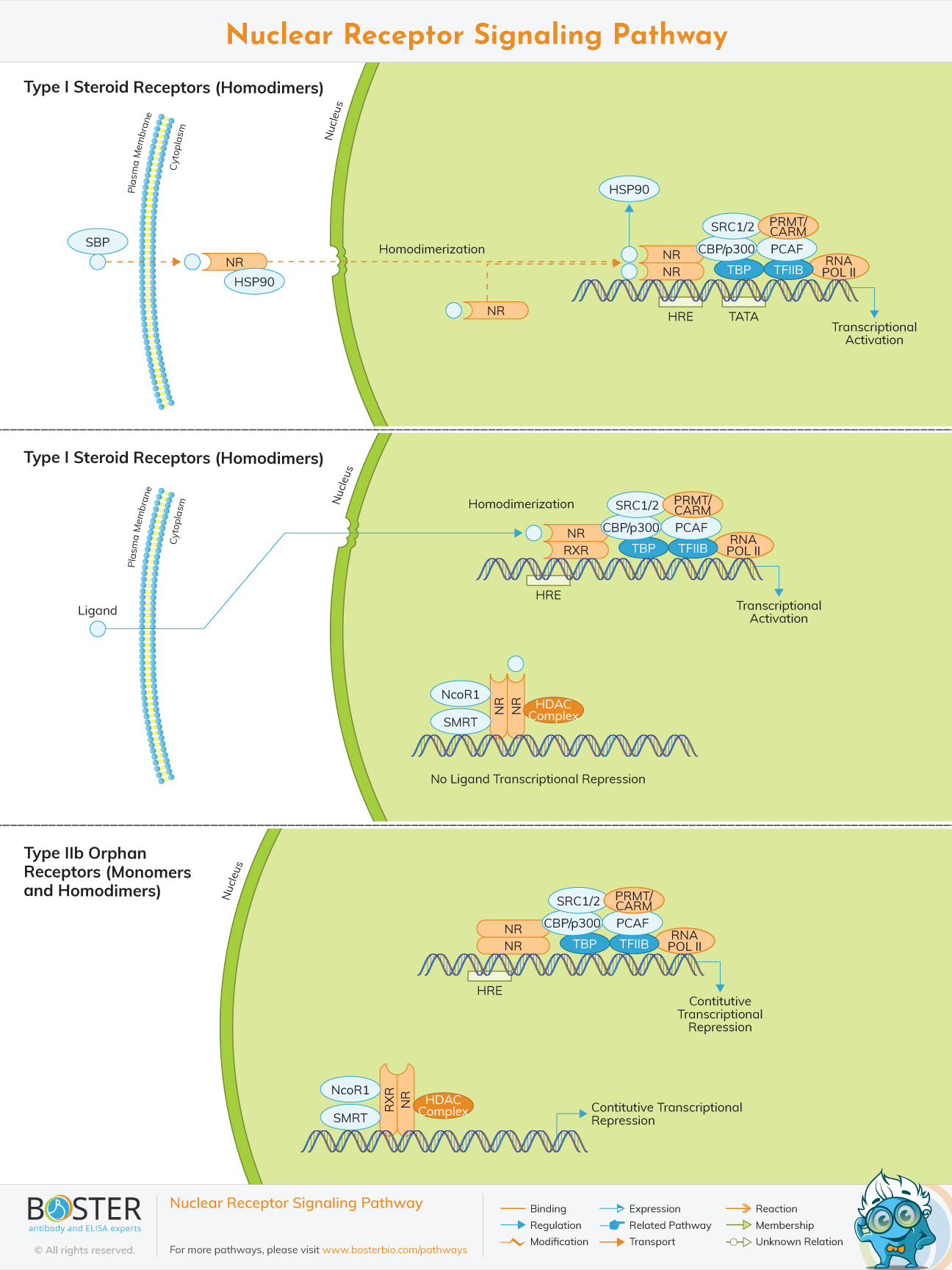
Explore pathway maps for DNA methylation, histone modification, chromatin remodeling, and regulatory crosstalk in epigenetics research.
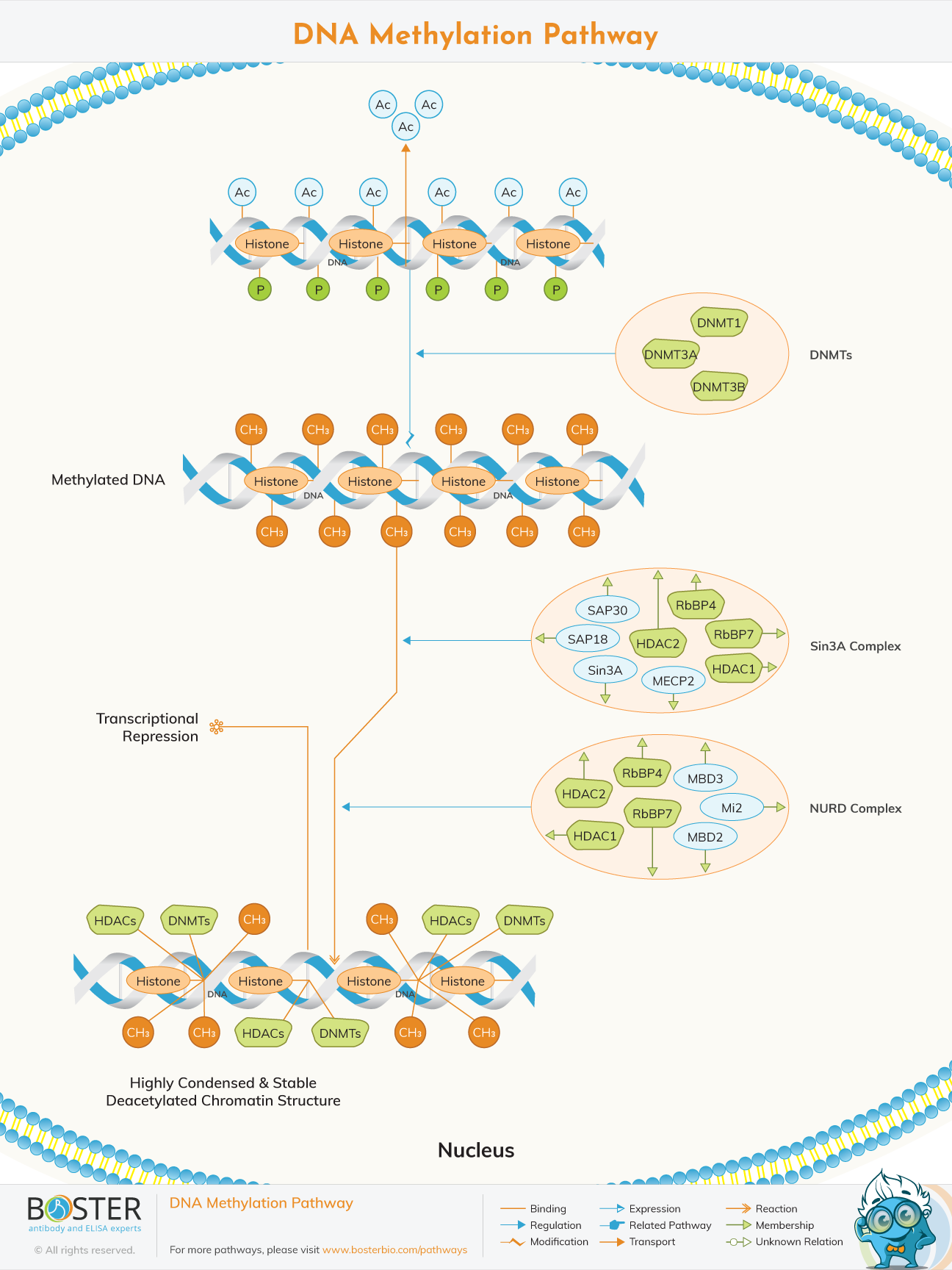
DNA methylation is one of the best-established epigenetic mechanisms for stable gene repression. DNMT1 helps maintain methylation patterns during replication, while DNMT3A and DNMT3B support de novo methylation. TET family proteins contribute to demethylation-related processes that can reopen regulatory regions or shift transcriptional state. Together, these enzymes are widely studied in development, lineage stability, cancer progression, and epigenetic therapy response.
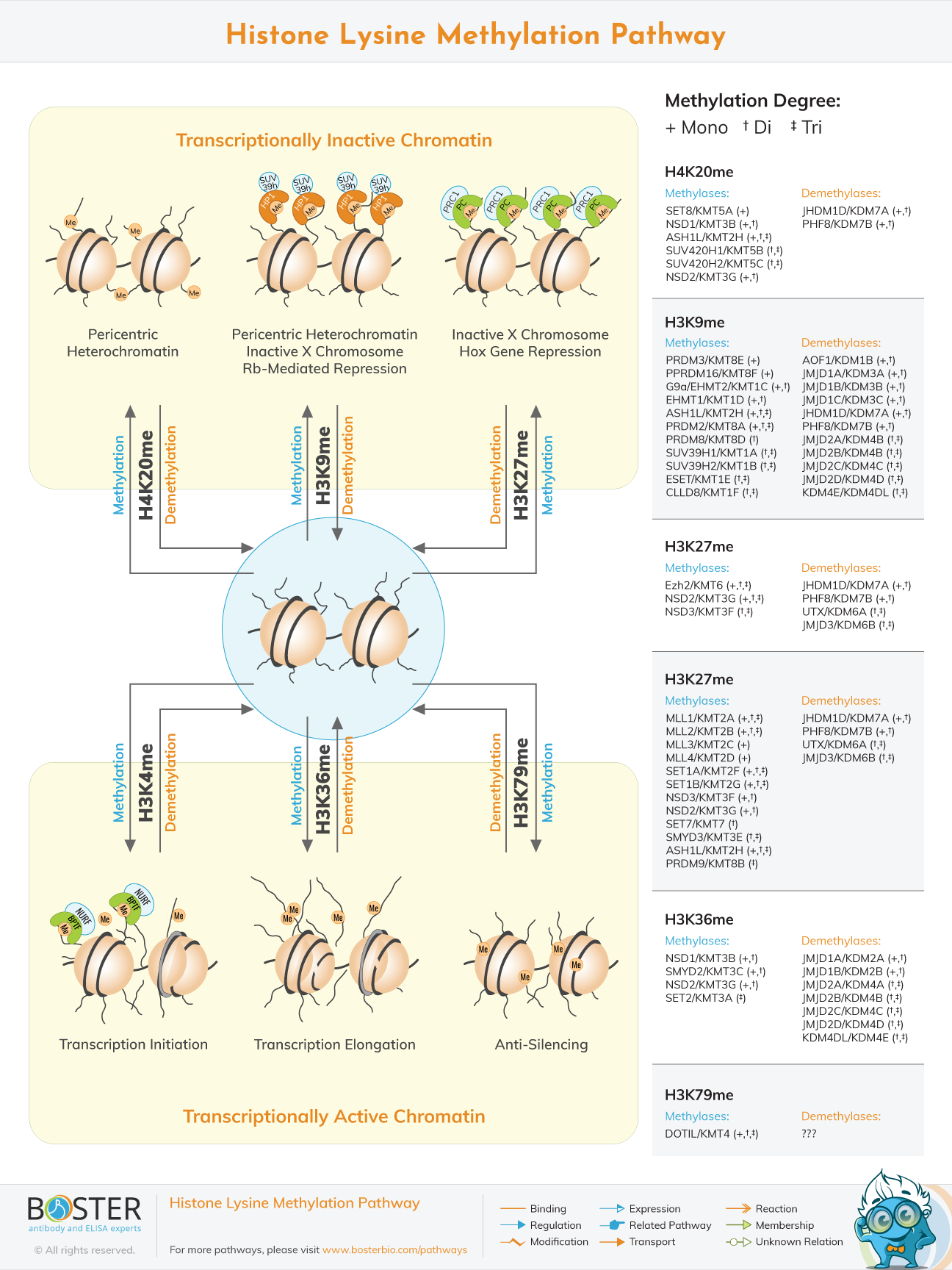
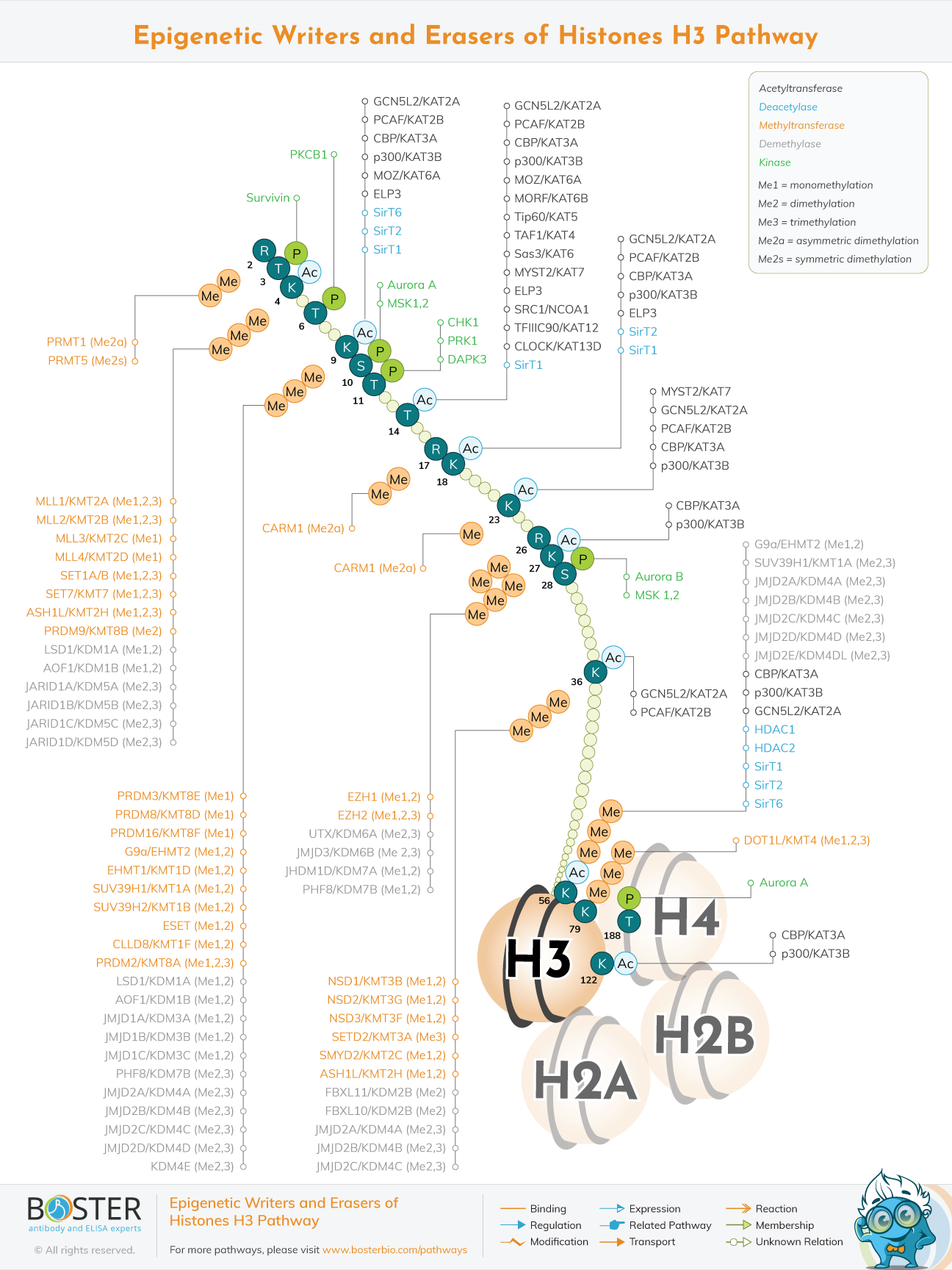
Histone acetylation, methylation, and other post-translational modifications help determine whether chromatin remains accessible or repressed. Marks such as H3K27me3, H3K4me3, and H3K36me3 are commonly used to interpret repressive or active chromatin states, while proteins such as EZH2, HDAC1, CREBBP, KDM family enzymes, and methyltransferases regulate how these marks are deposited or removed. This layer of regulation is central to transcriptional control, differentiation, and disease-associated rewiring.
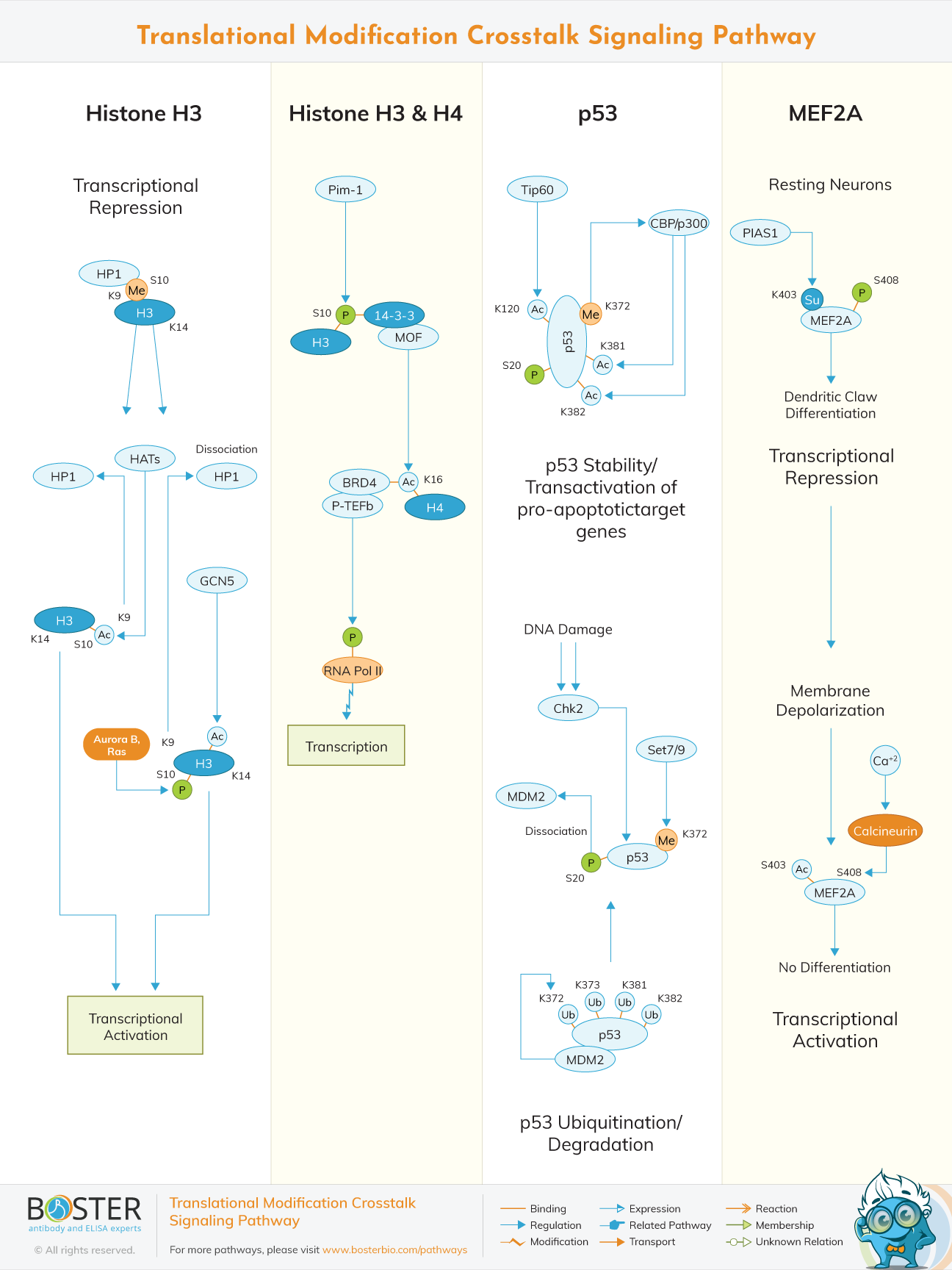
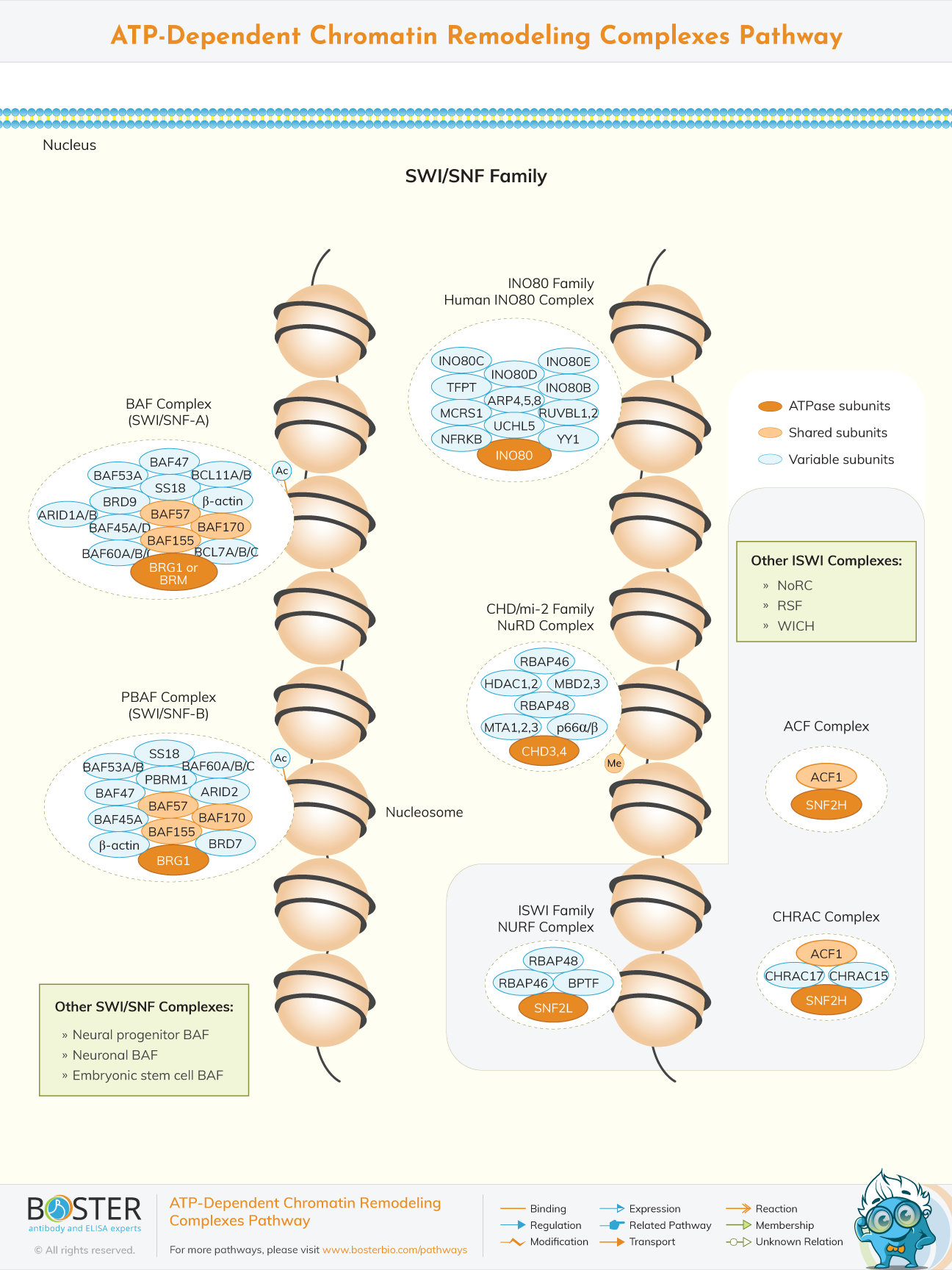
Epigenetic regulation is not limited to covalent modification alone. ATP-dependent chromatin remodeling complexes and reader proteins such as BRD4 help reposition nucleosomes, interpret chromatin marks, and coordinate transcriptional programs. These mechanisms are especially important in stem cell state transitions, developmental biology, cancer plasticity, and adaptive stress responses where cells must rapidly reprogram gene expression without changing DNA sequence.