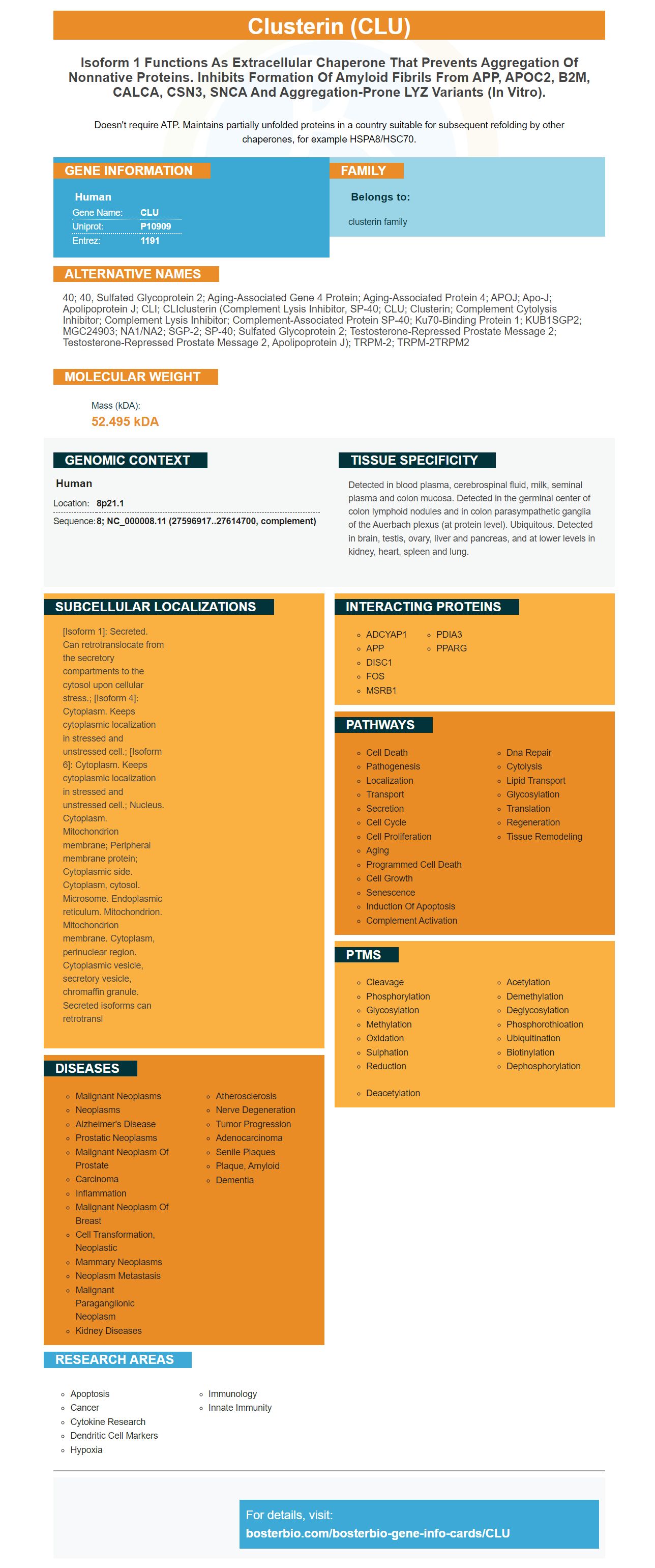
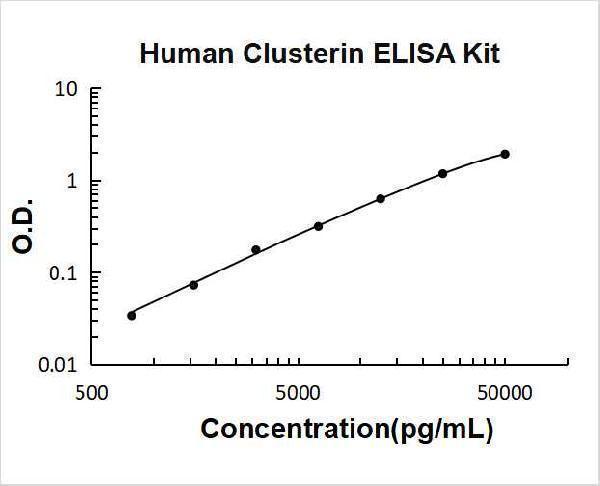
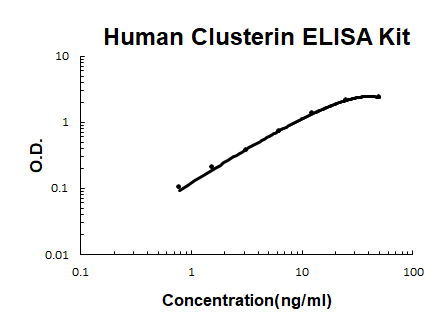
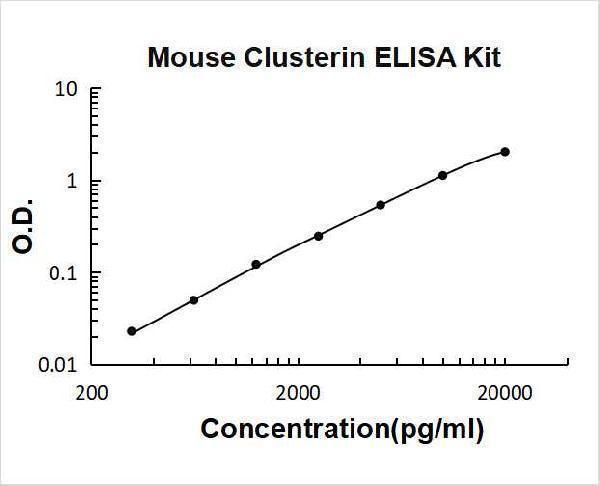
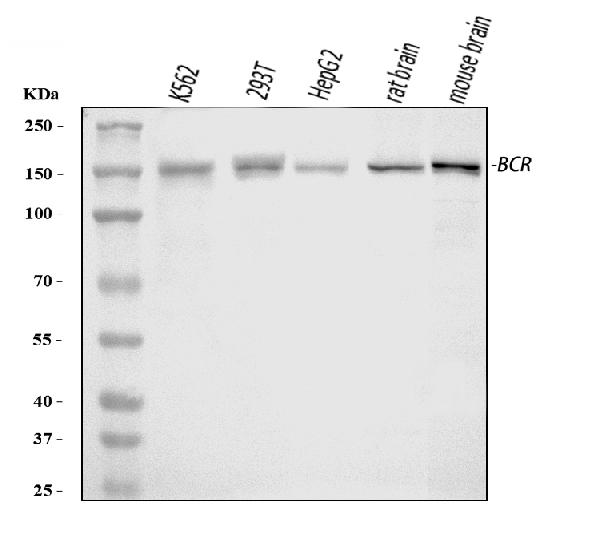
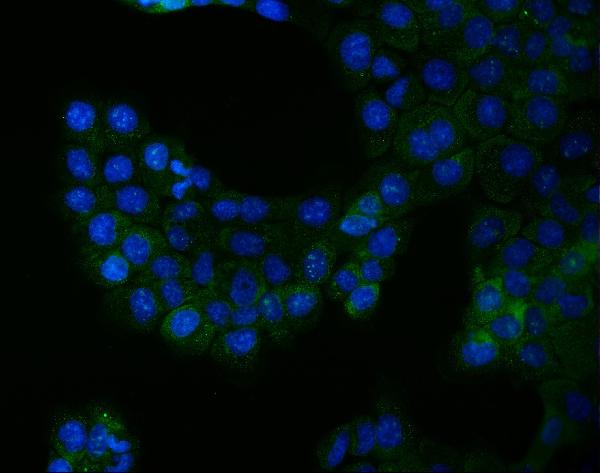
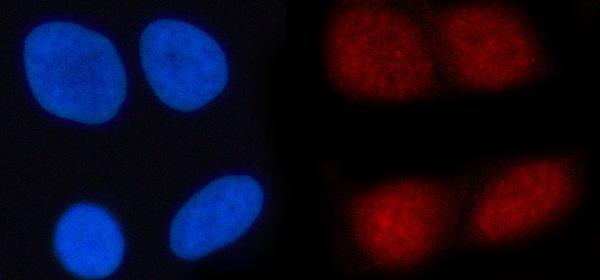
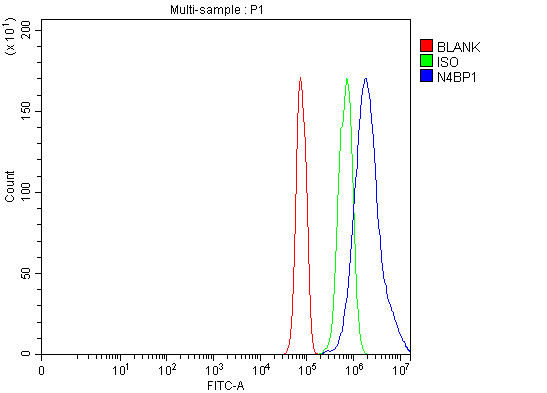
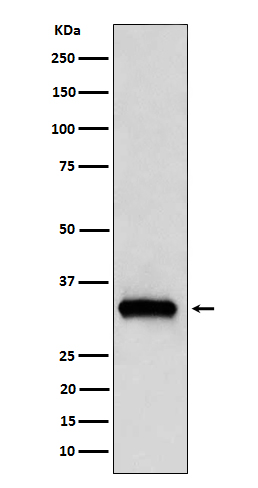
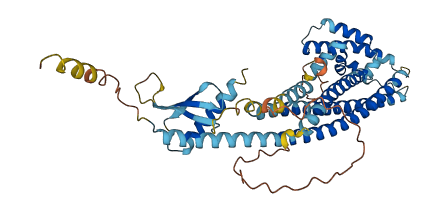
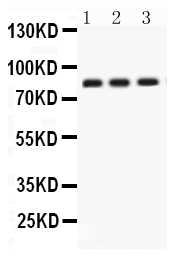
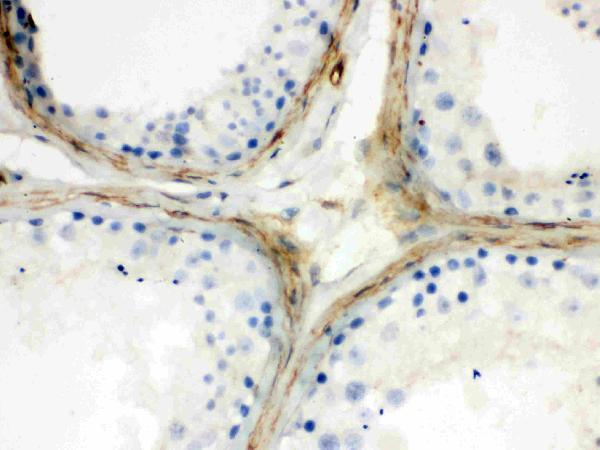
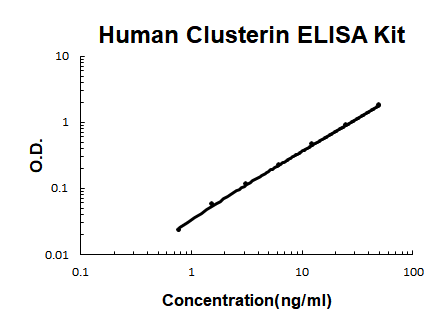
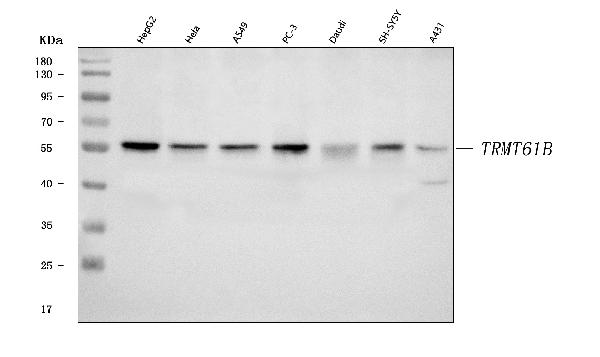
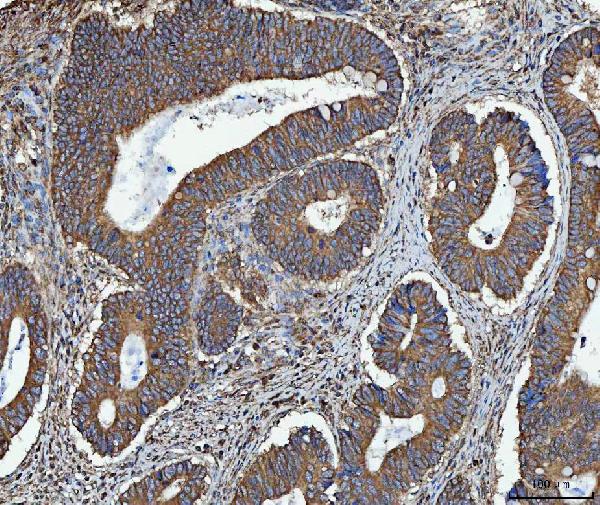
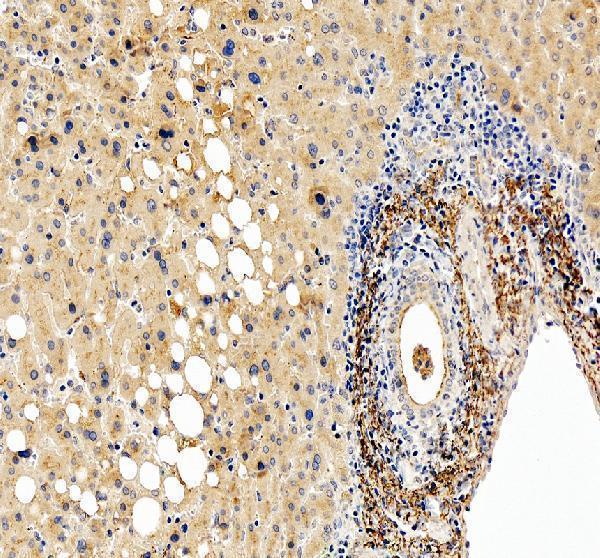
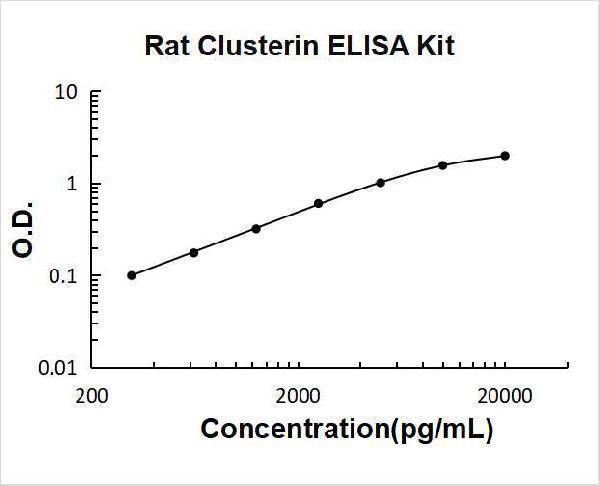
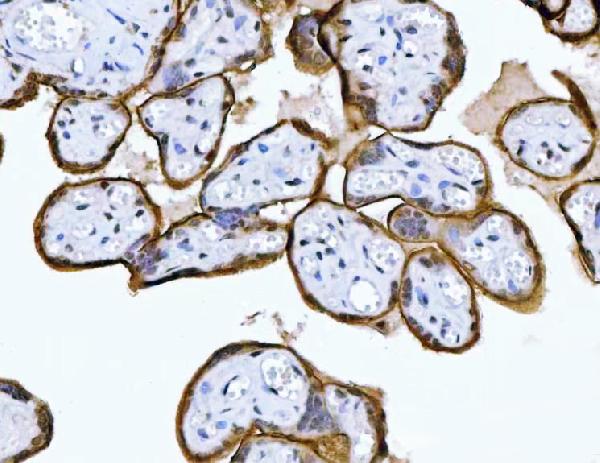
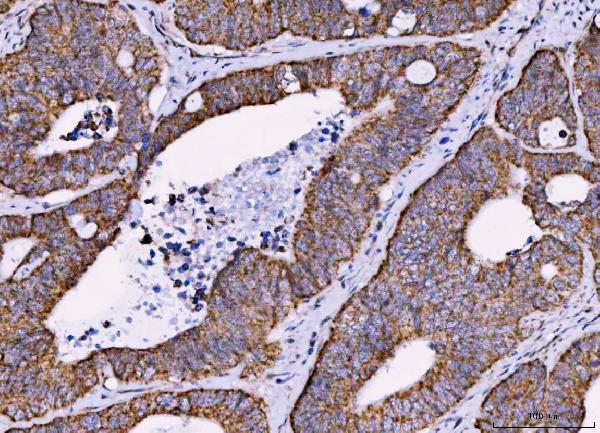
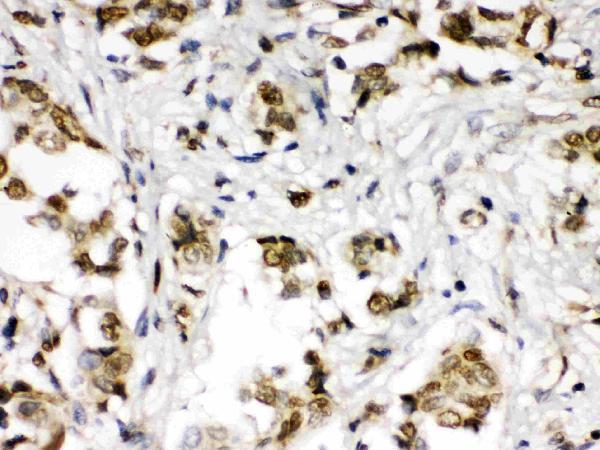
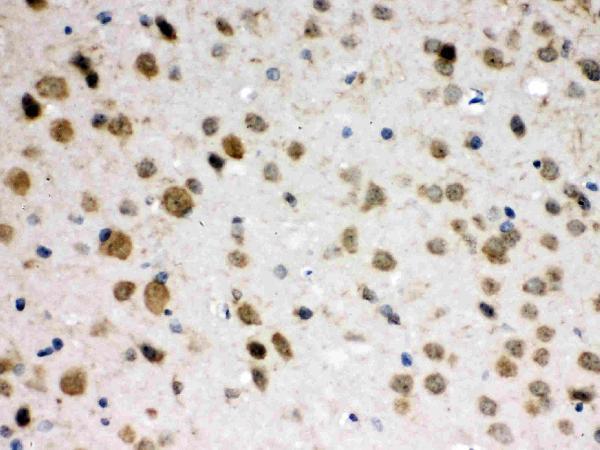
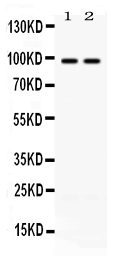
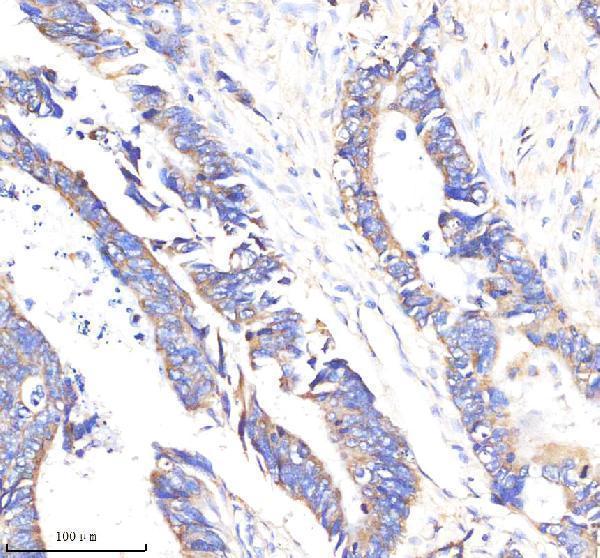
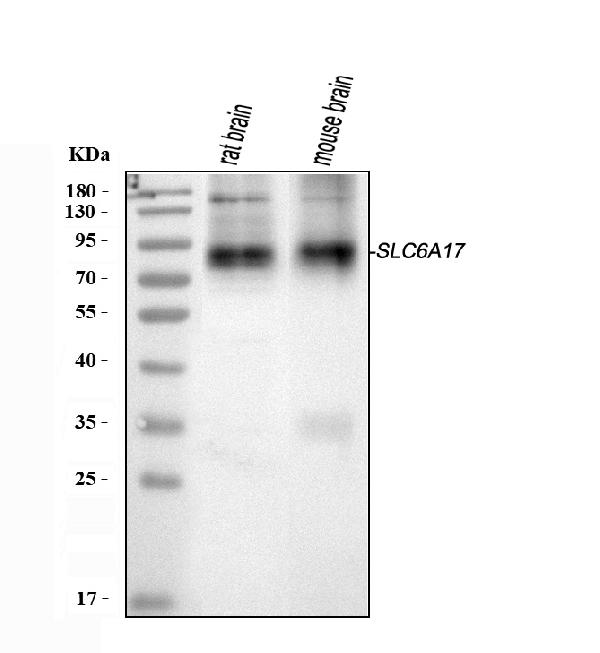
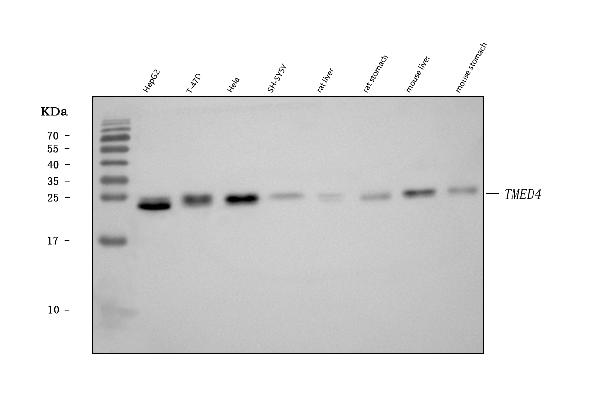
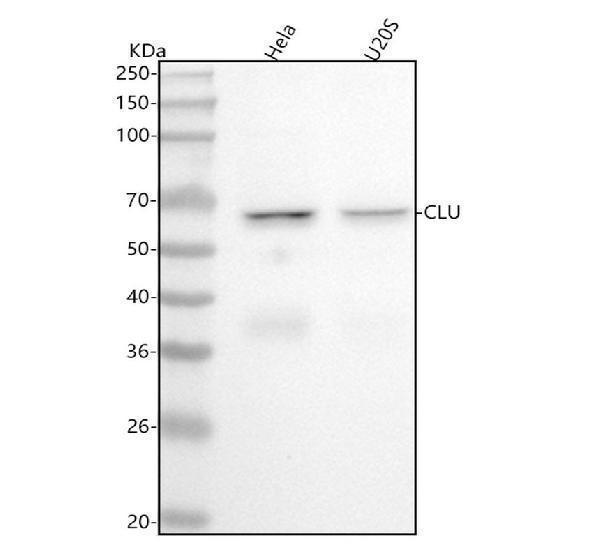
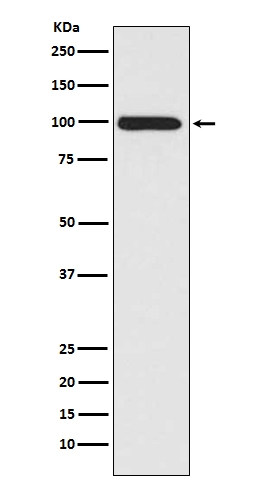
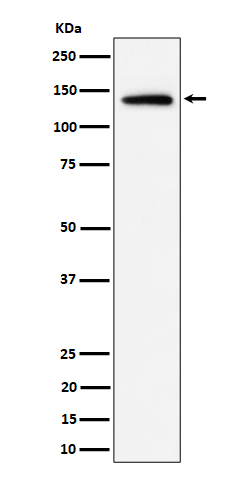
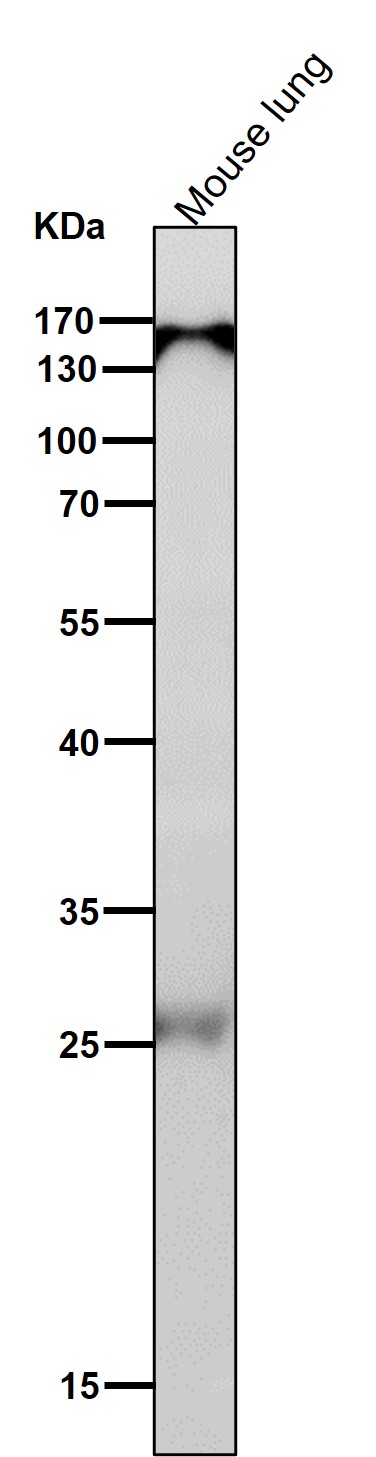
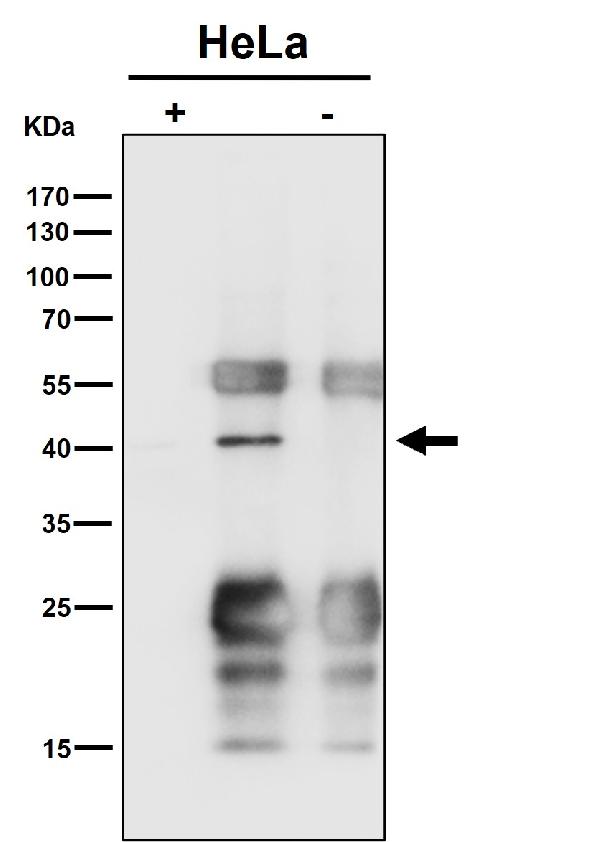
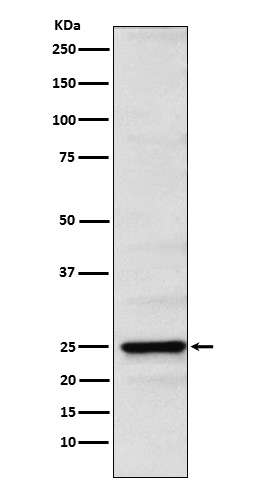
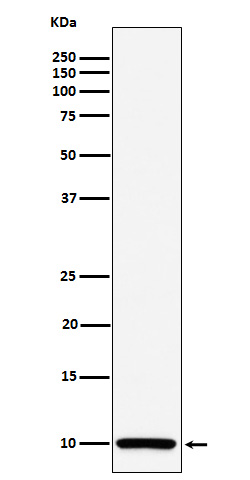
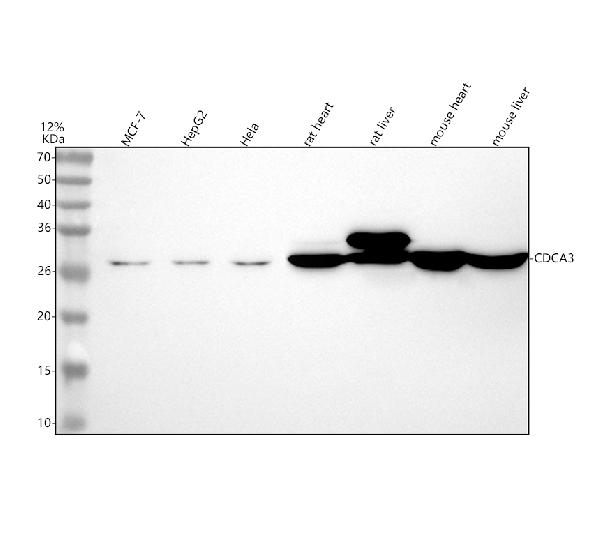
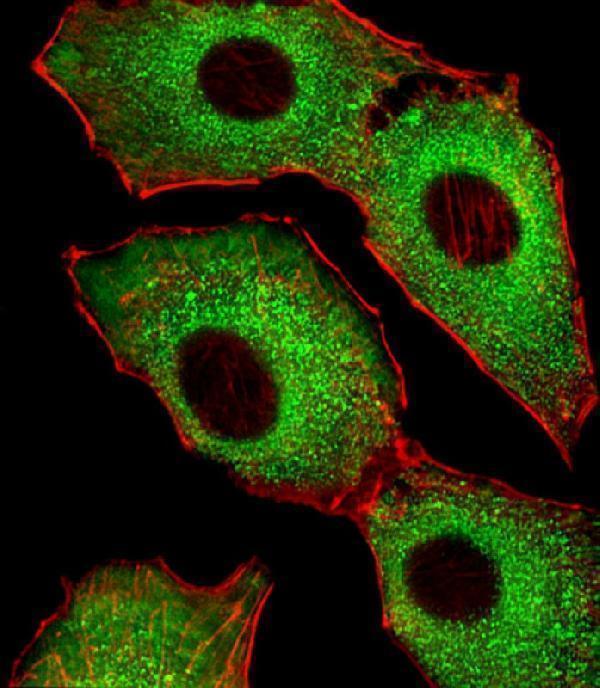
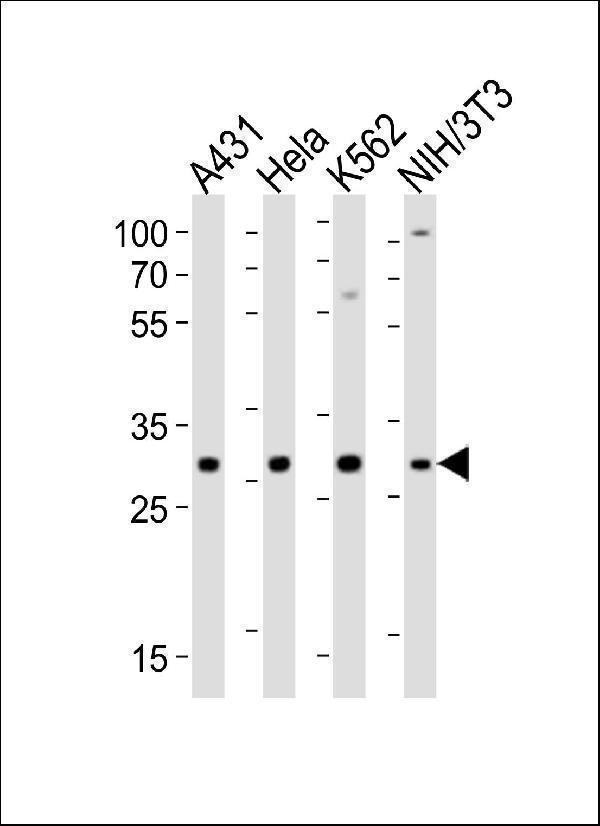
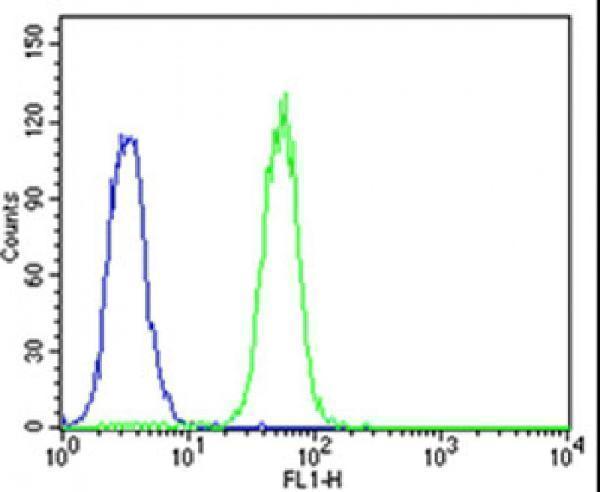
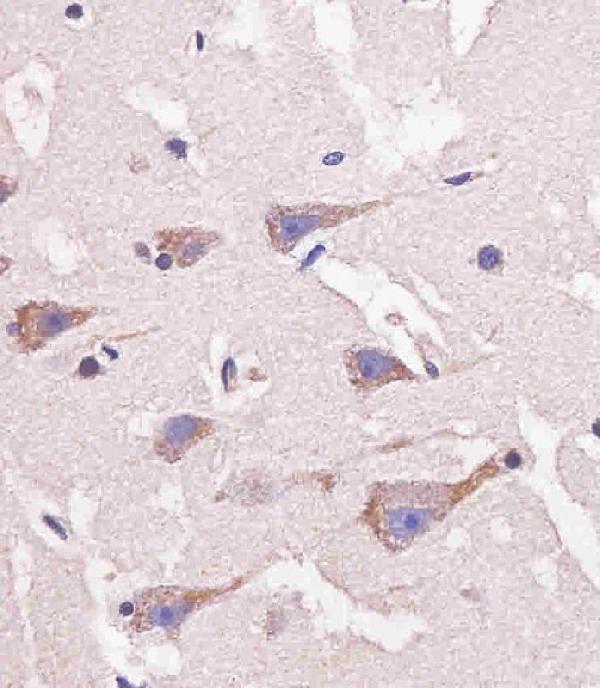
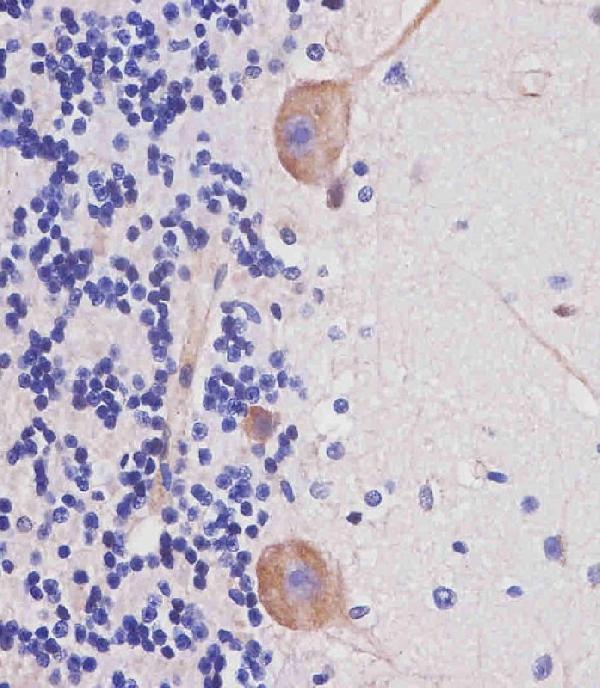
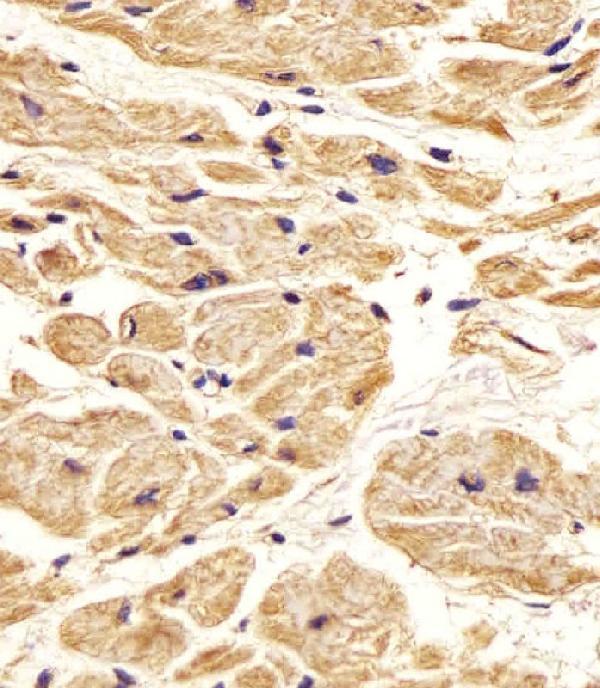
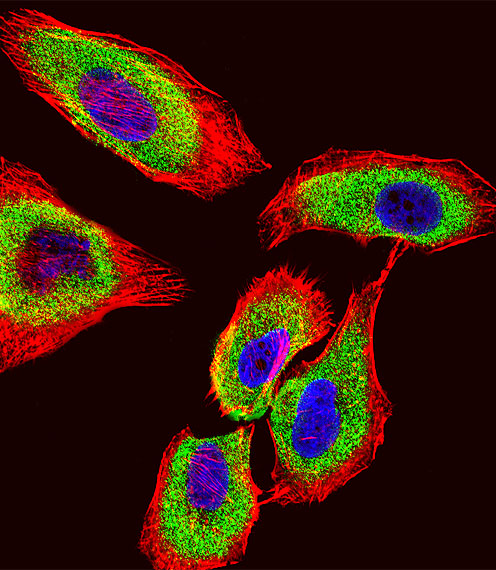
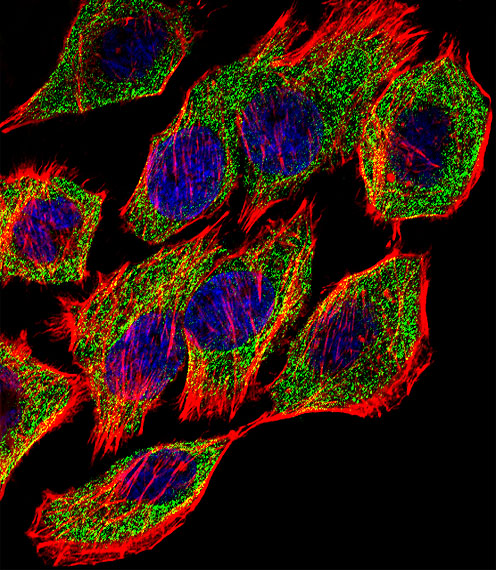
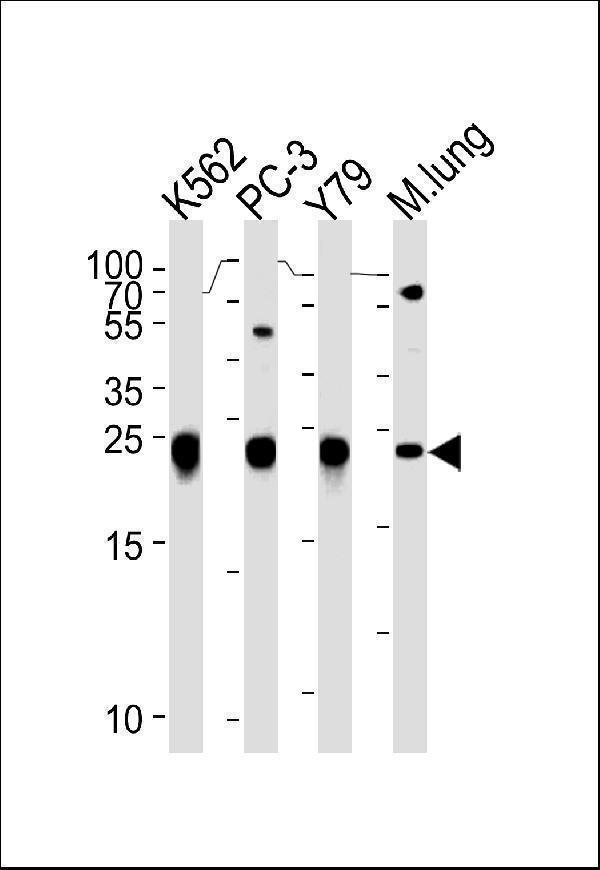
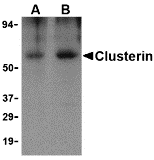
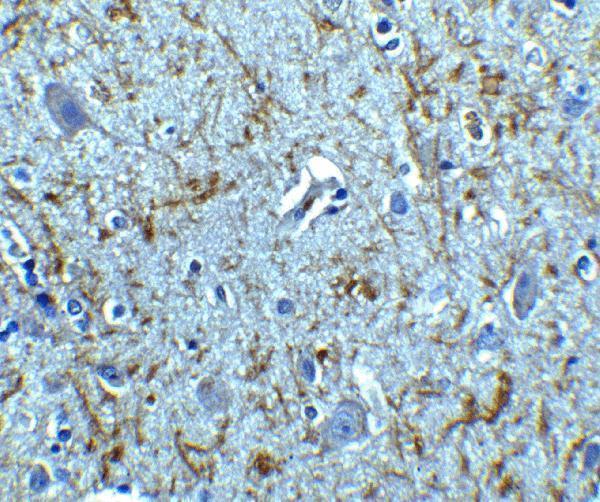
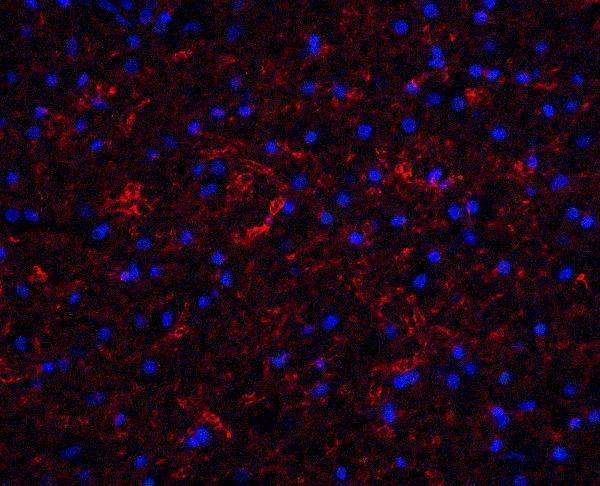
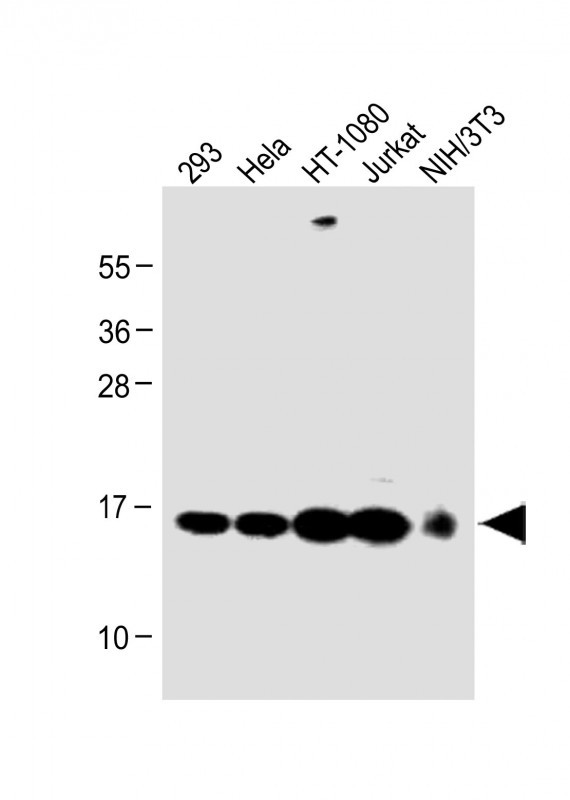
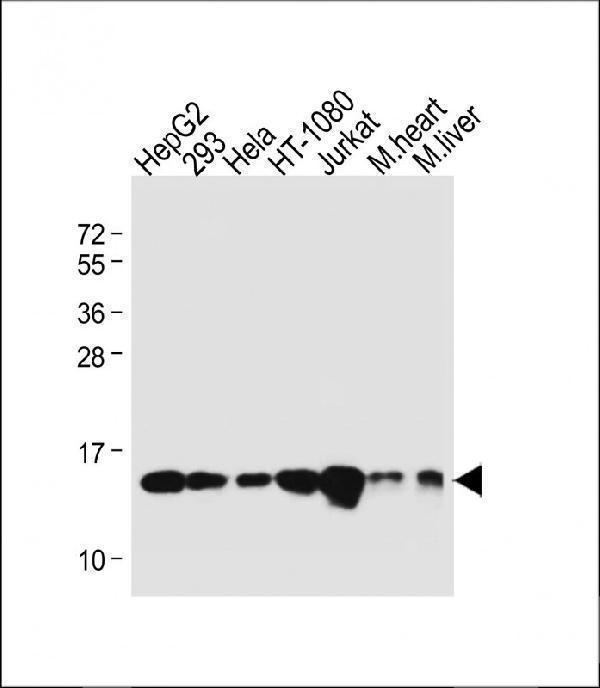
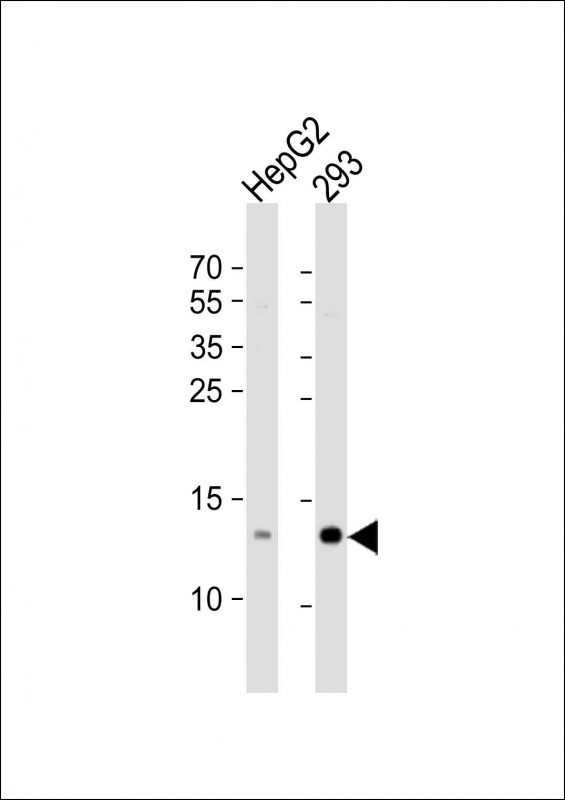
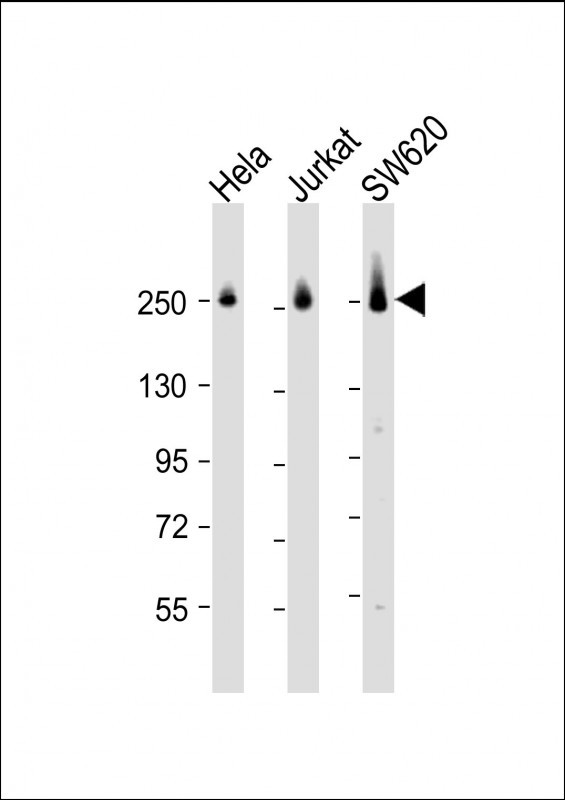
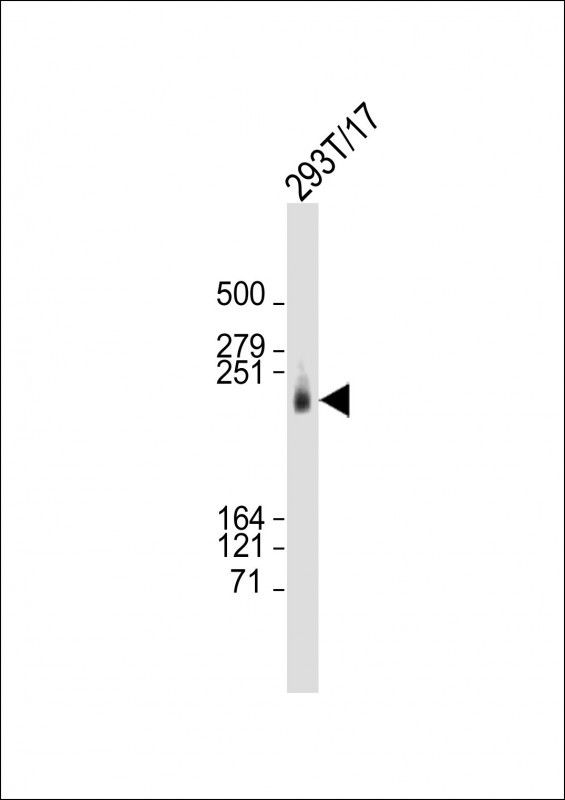
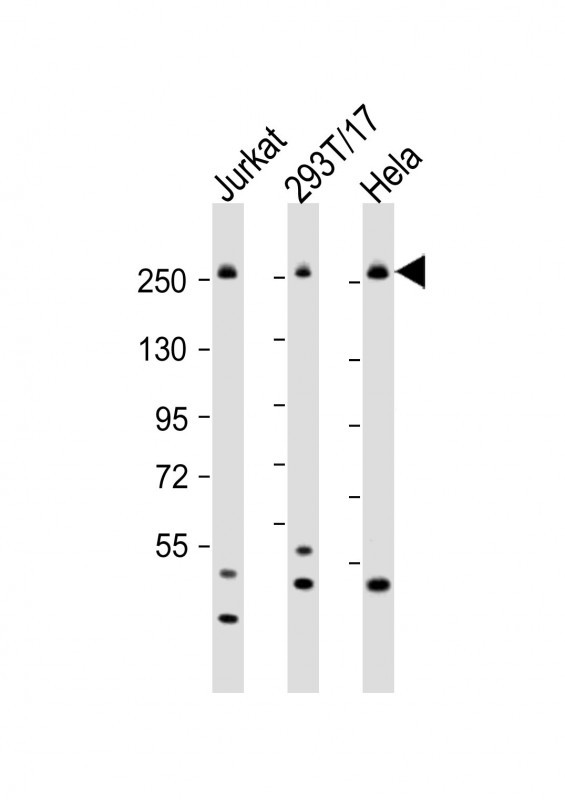
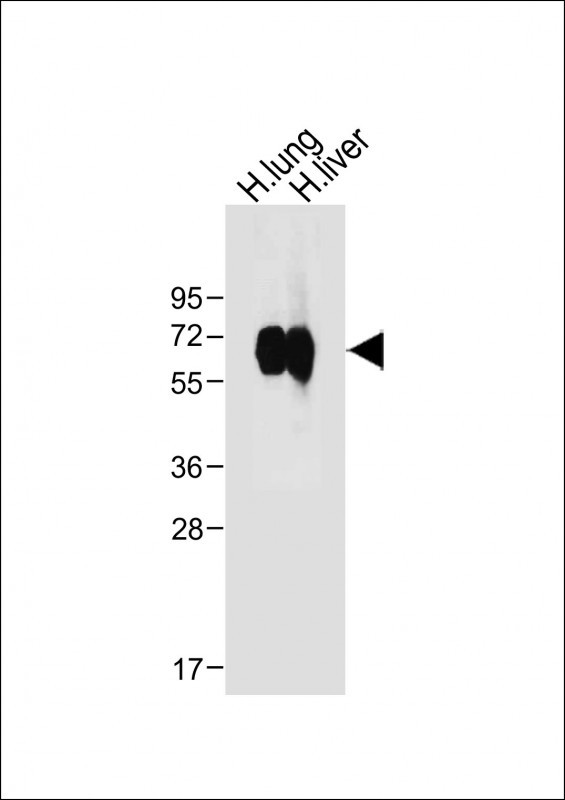
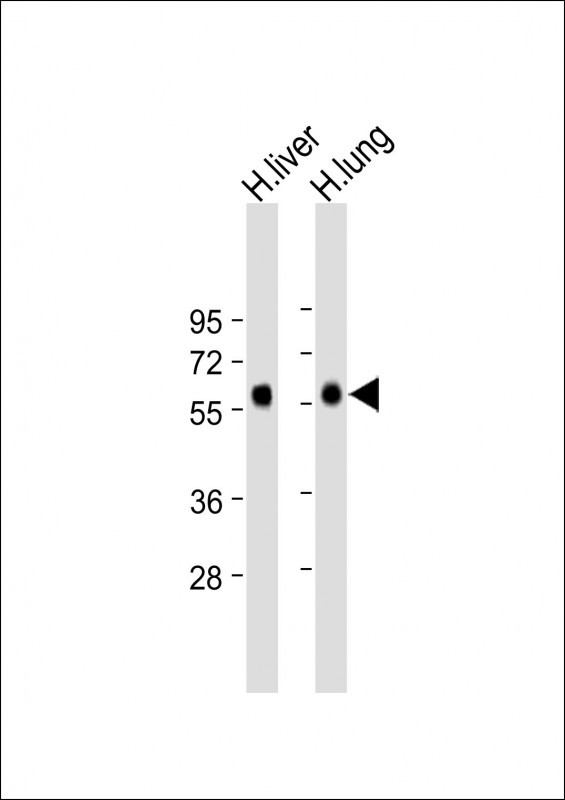
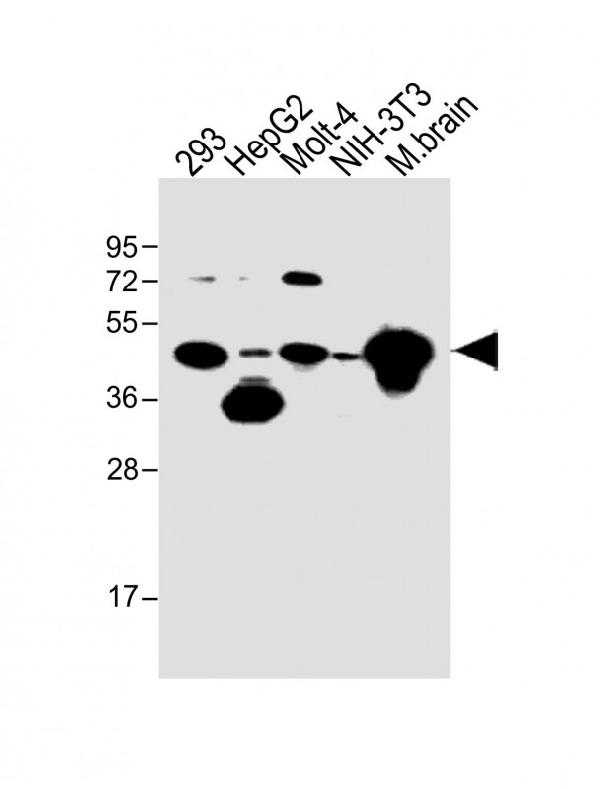
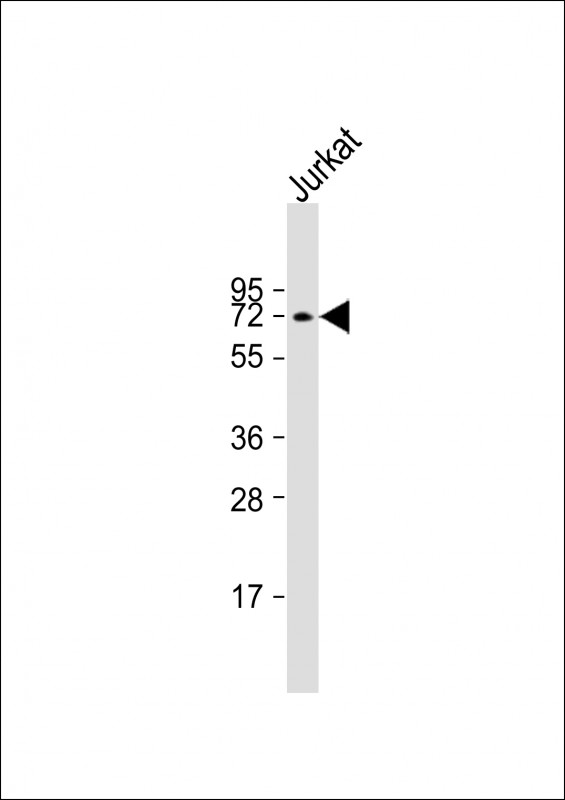
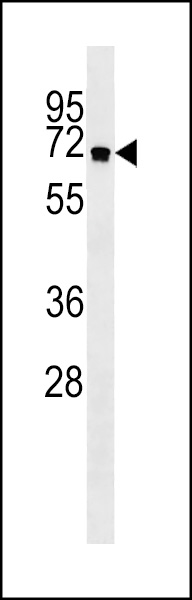
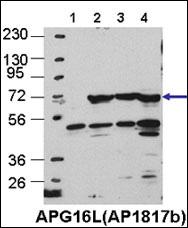
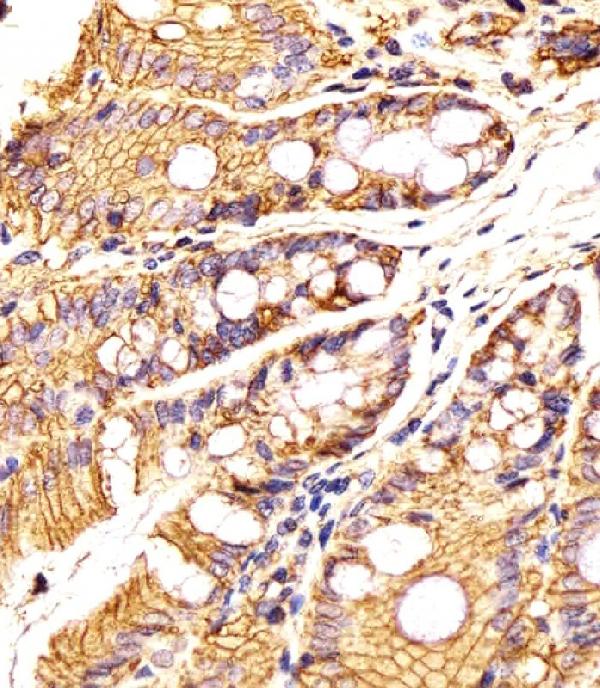
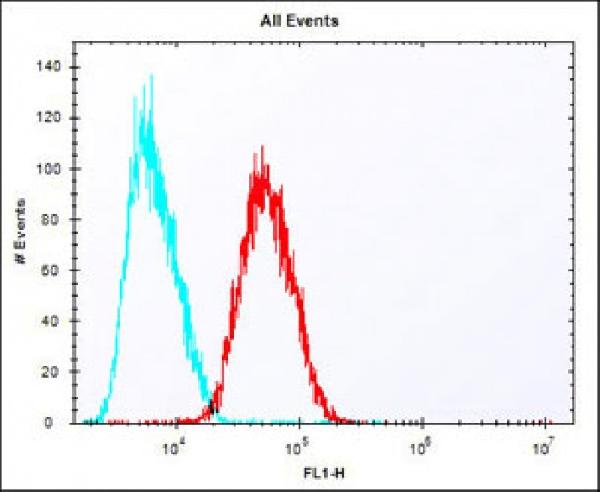
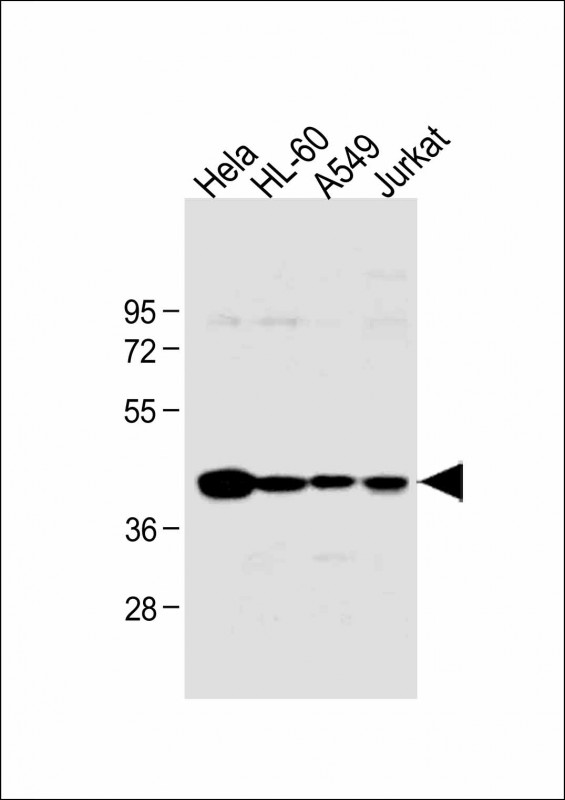
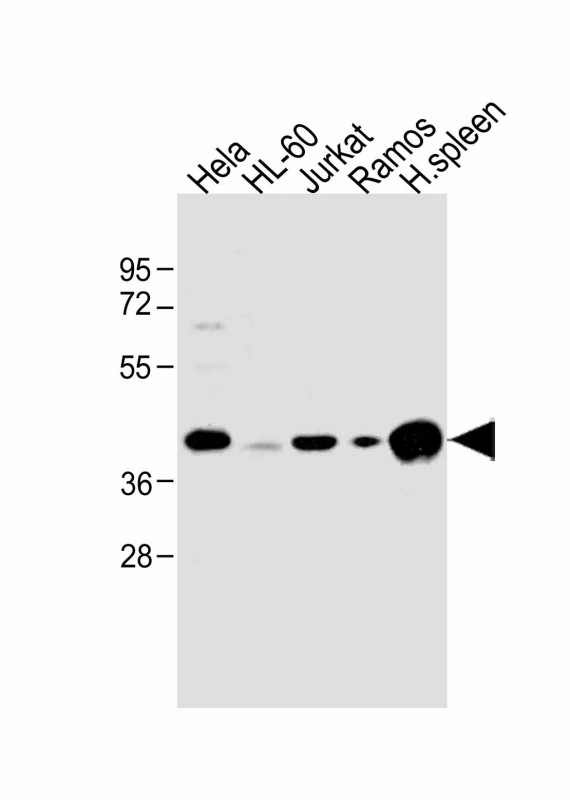
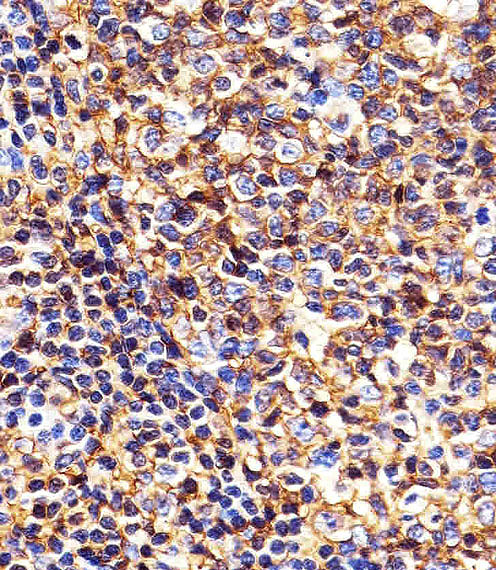
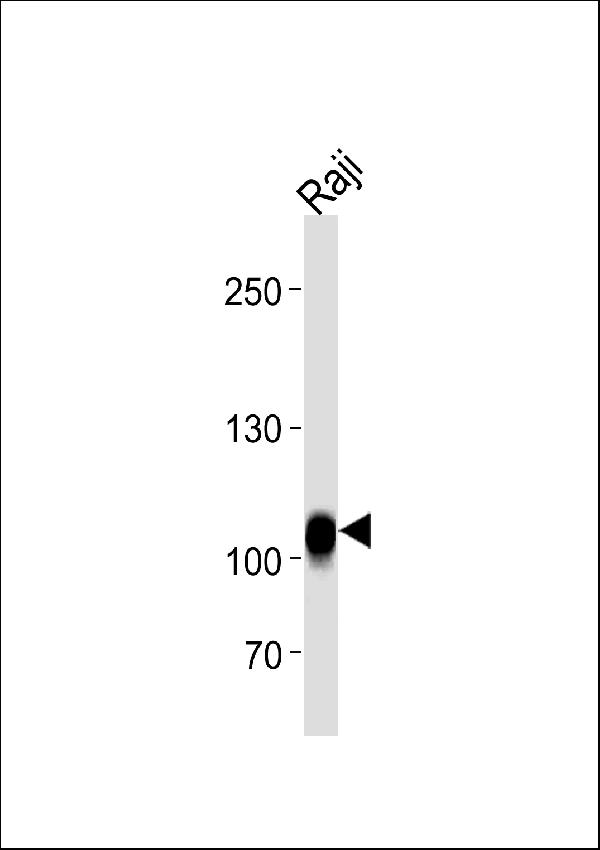
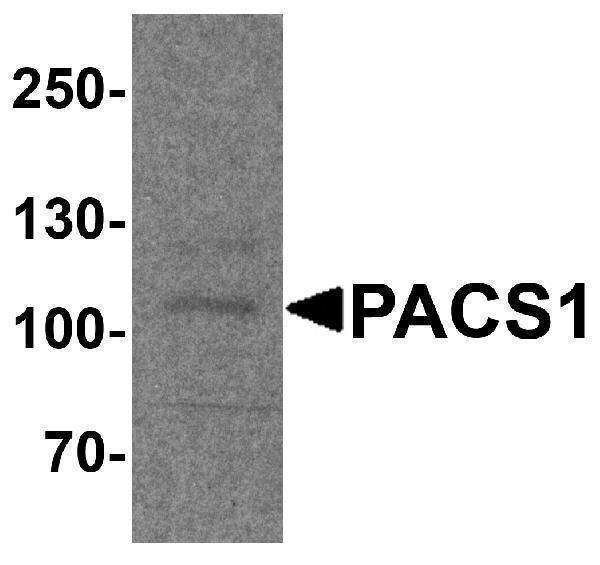
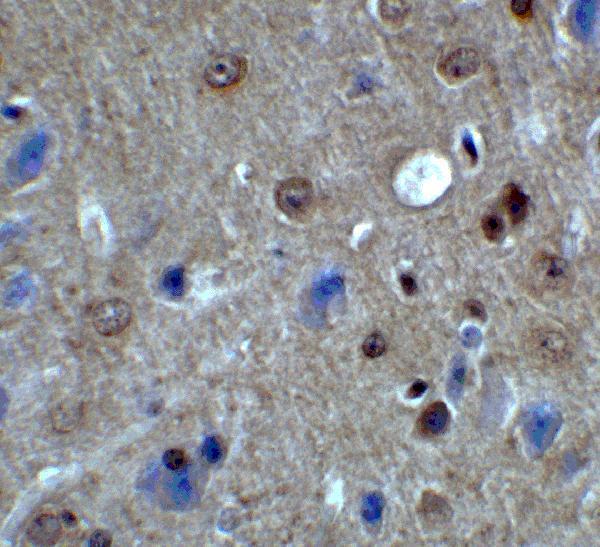
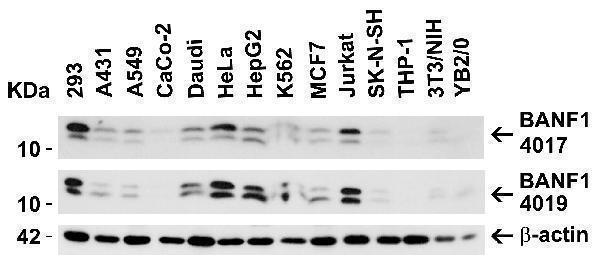
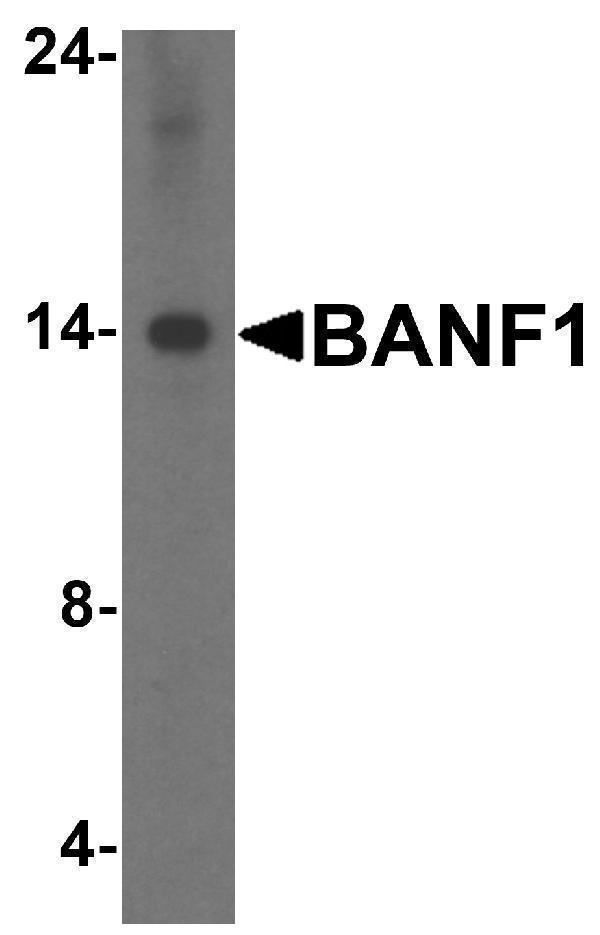
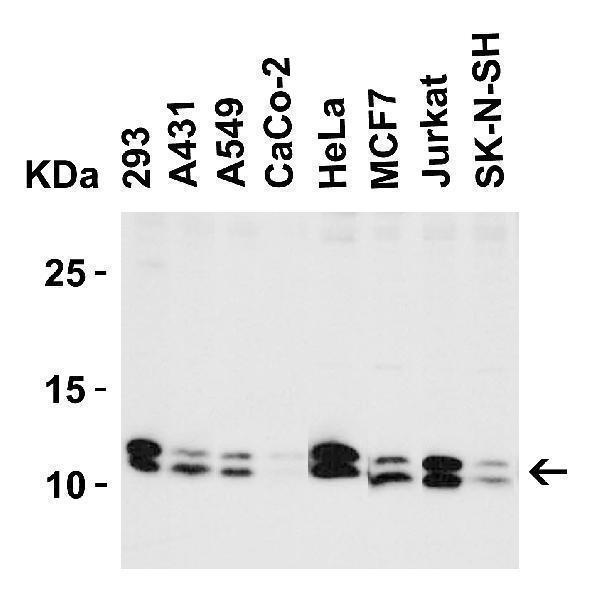
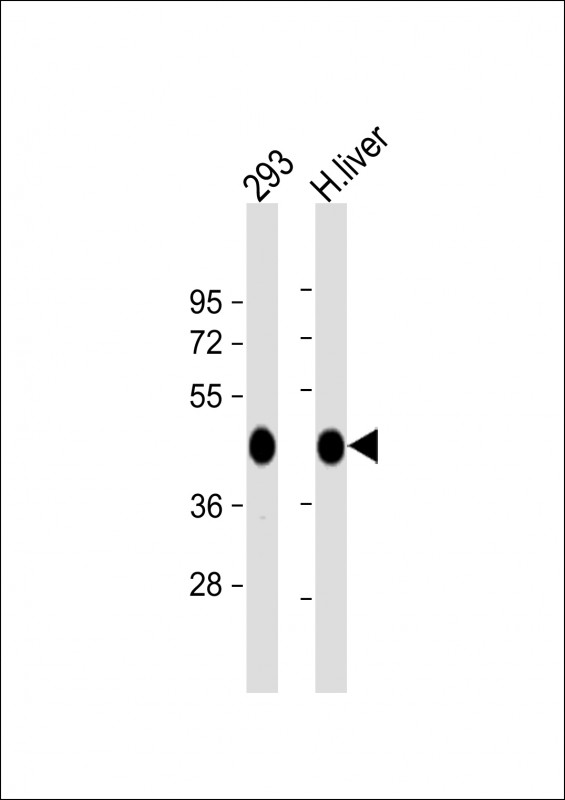
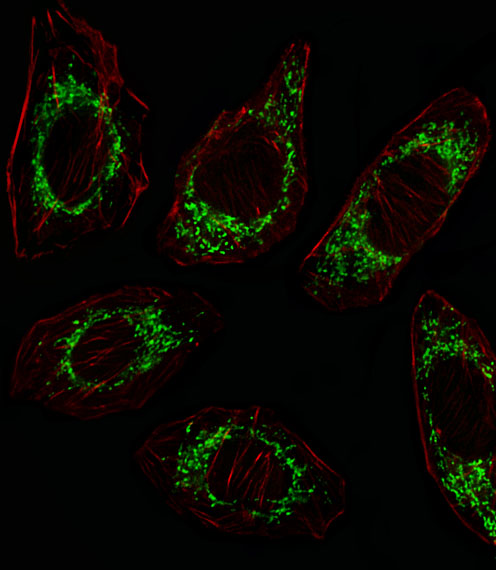
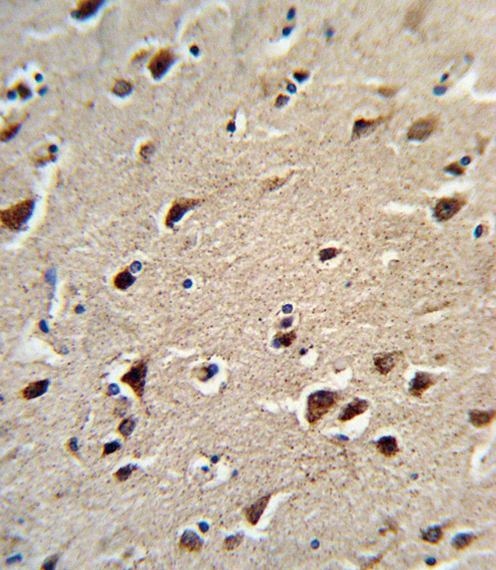
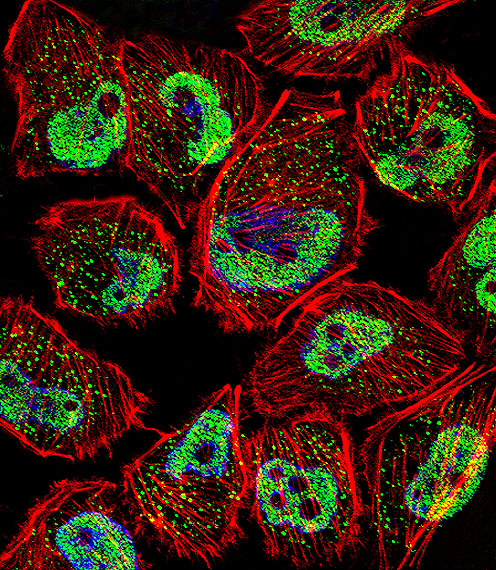
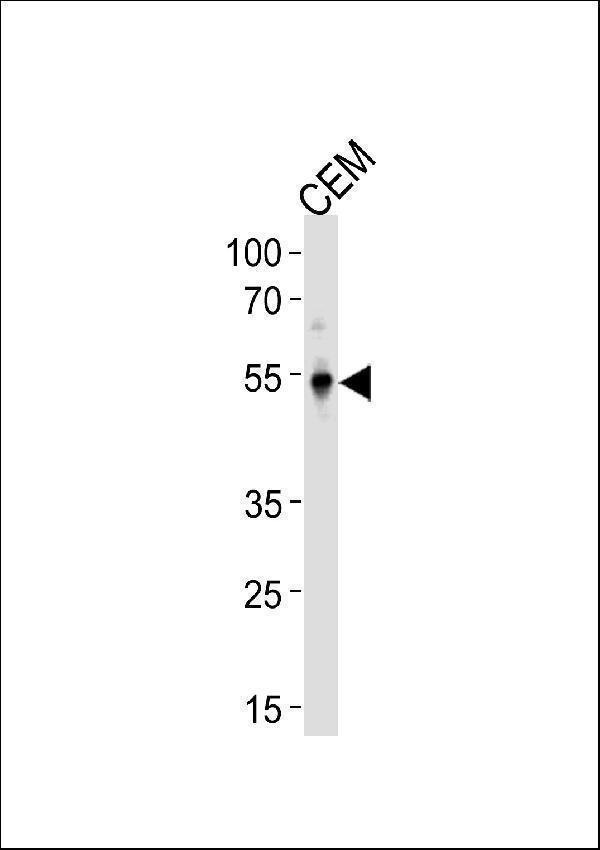
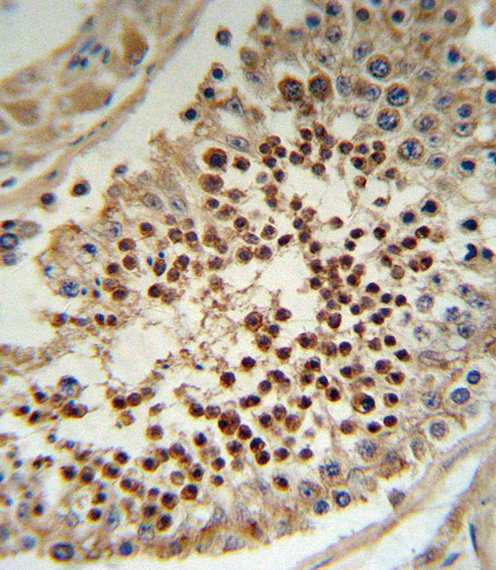
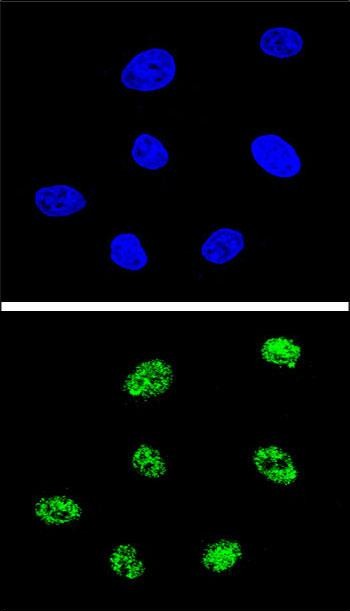
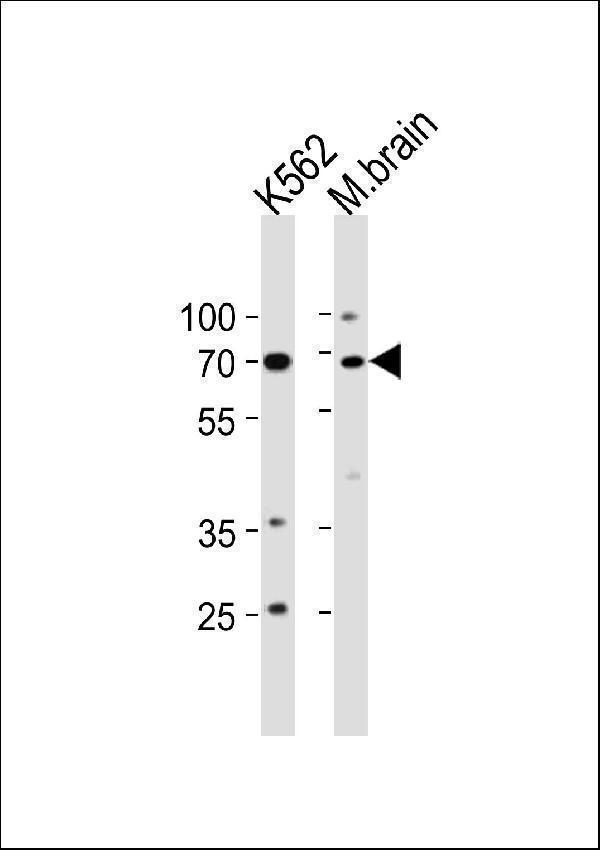
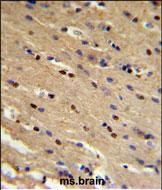
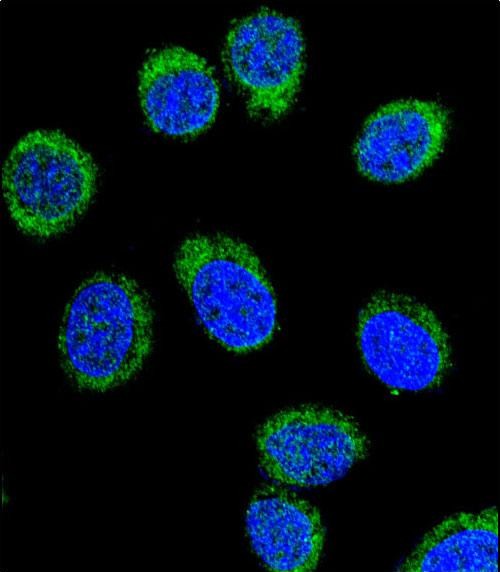
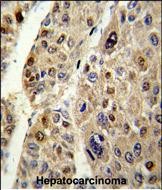
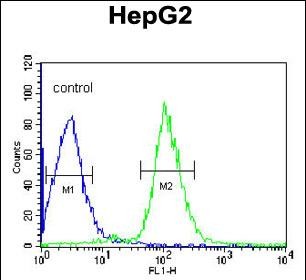
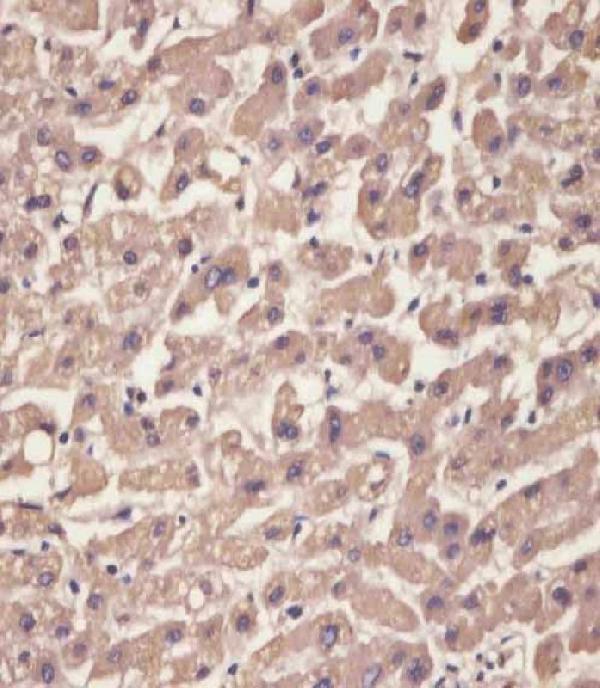
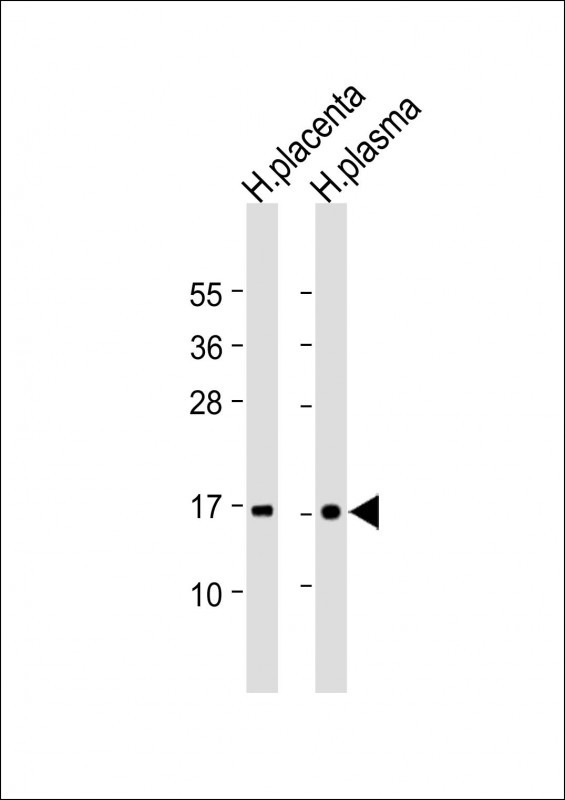
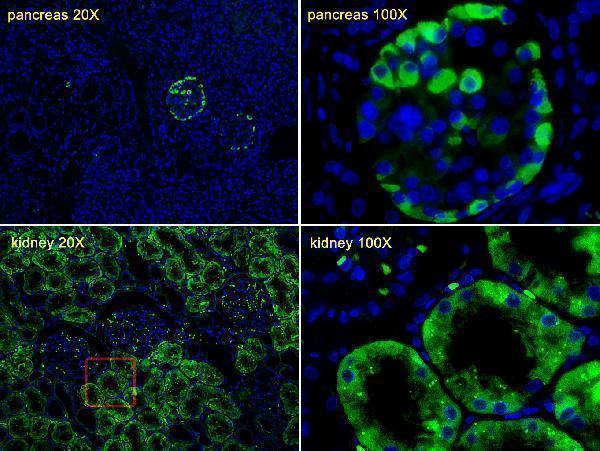
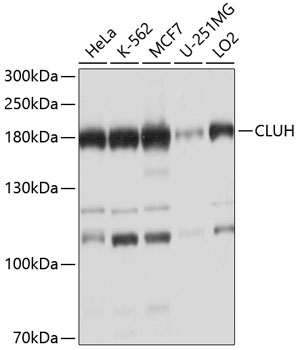
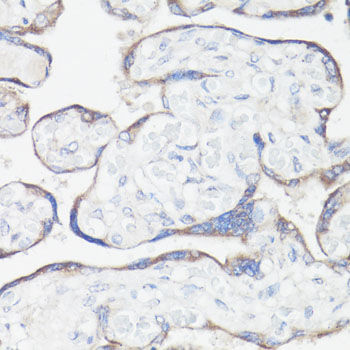
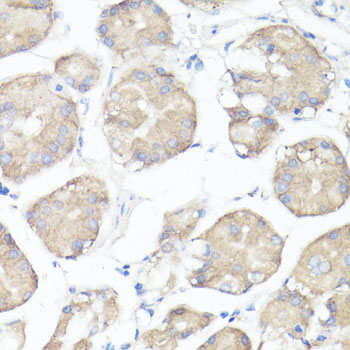
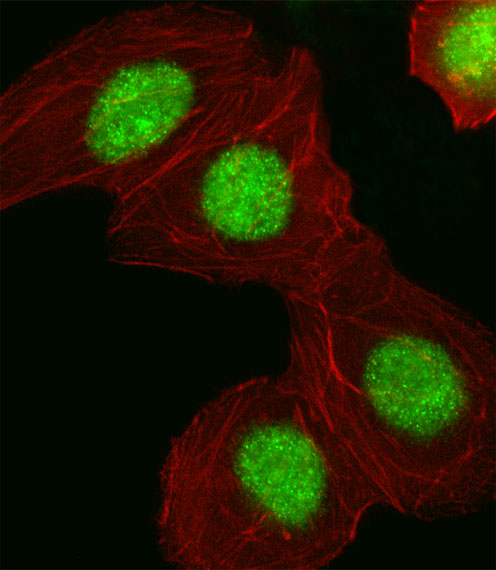
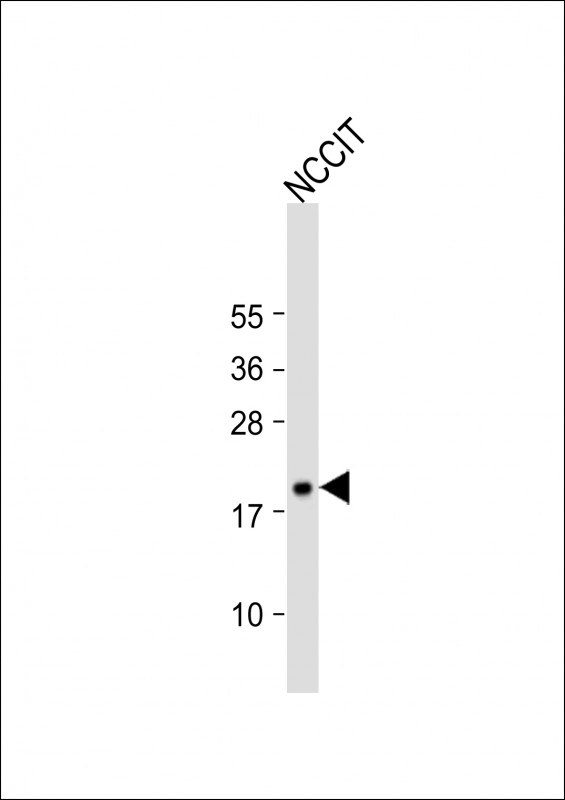
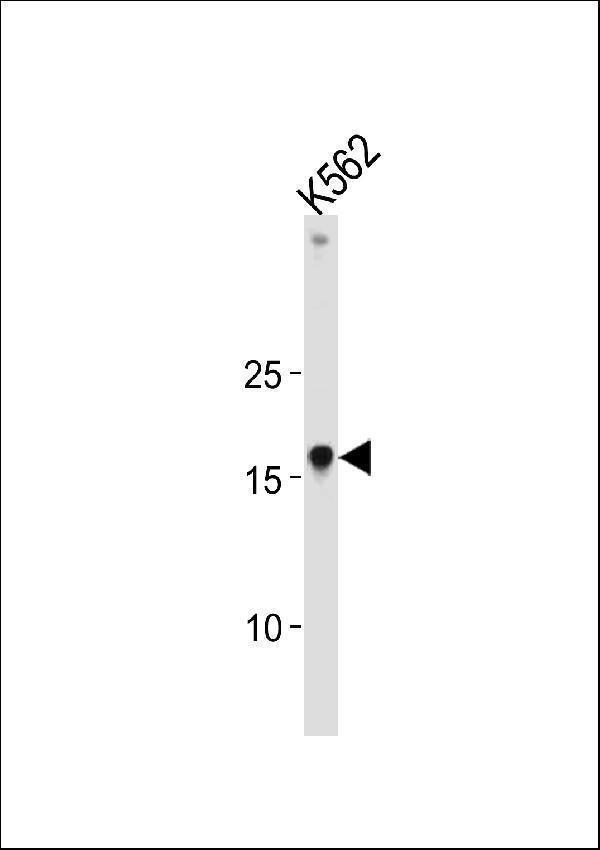
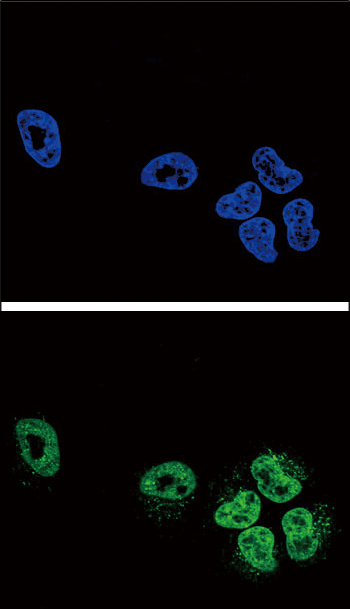
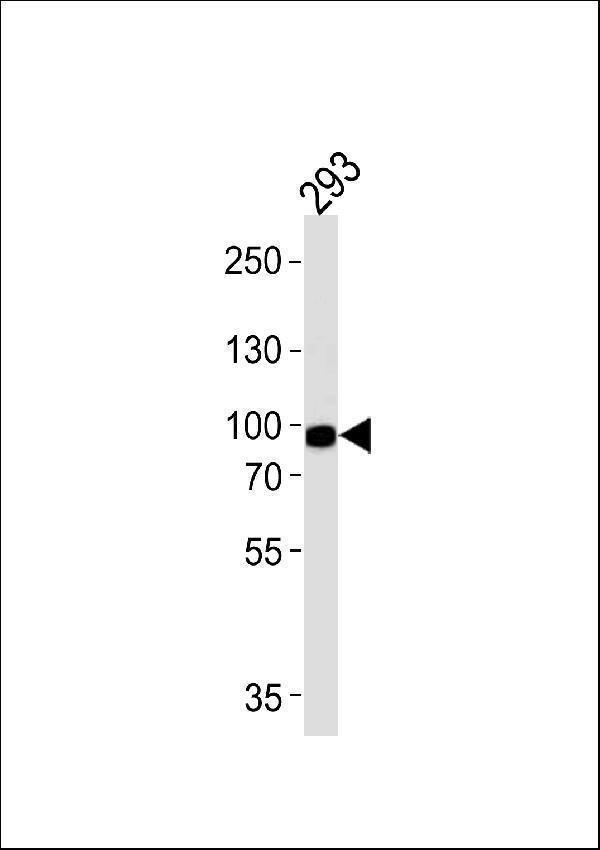
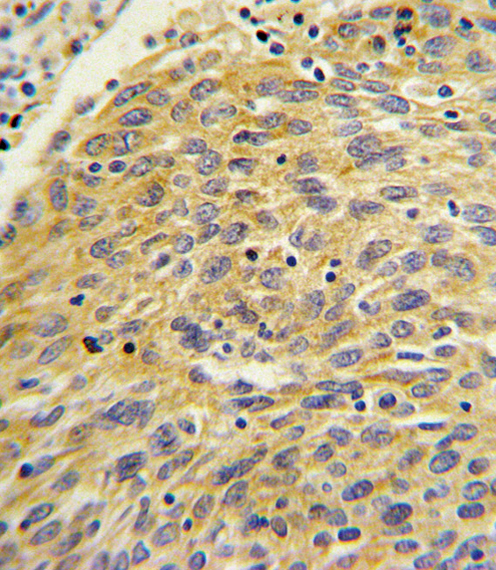
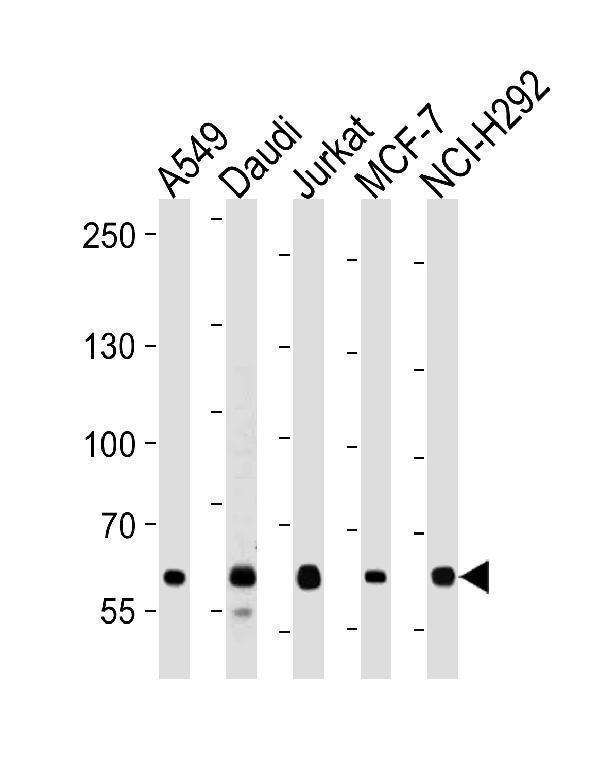
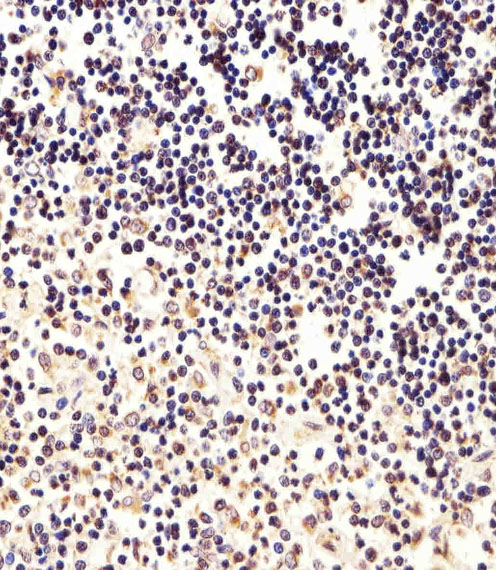
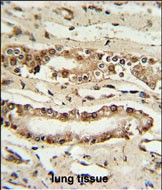
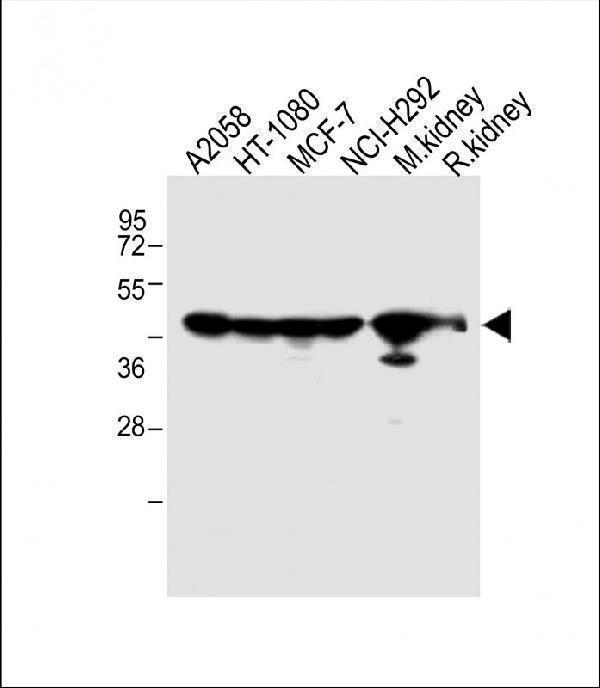
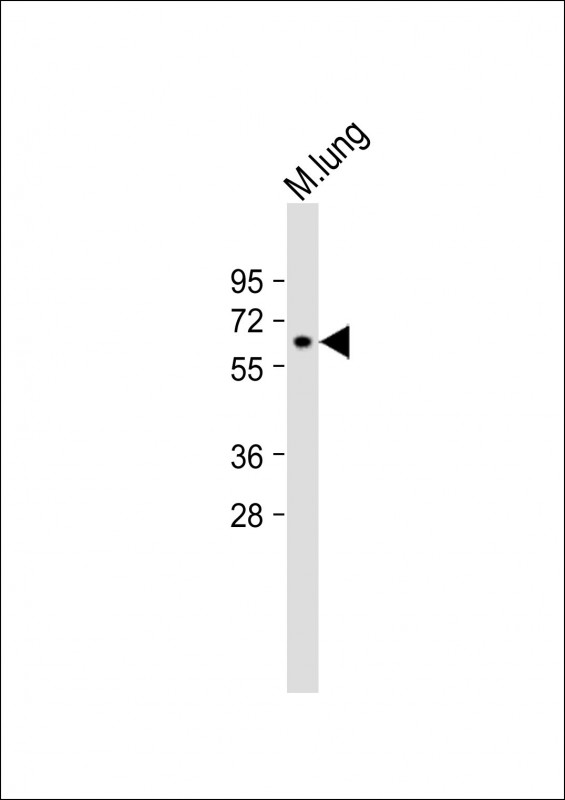
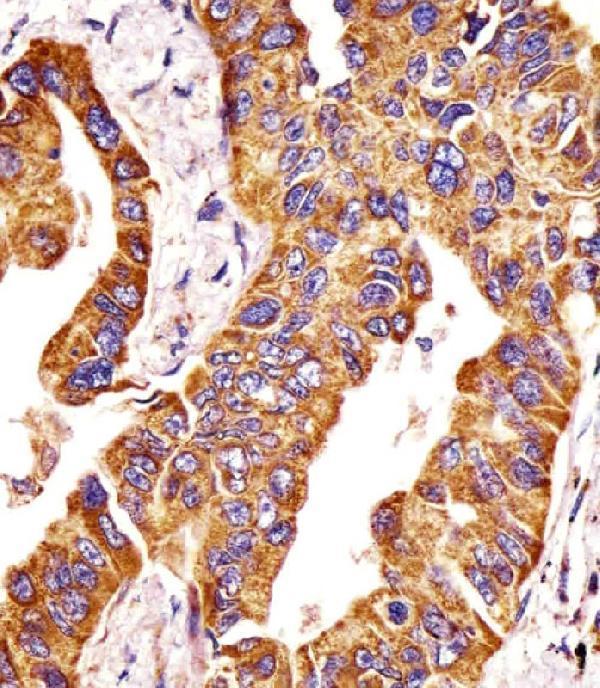
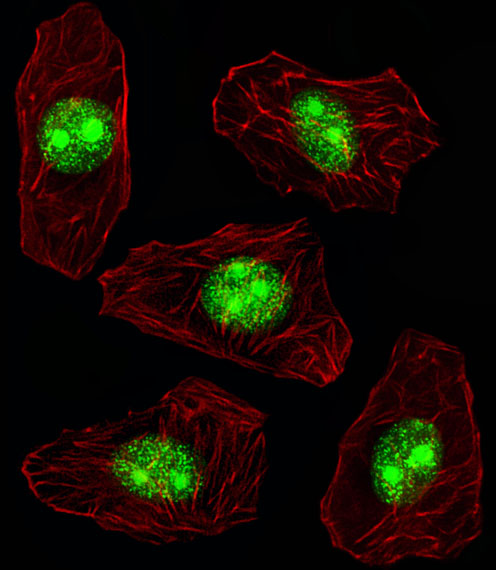
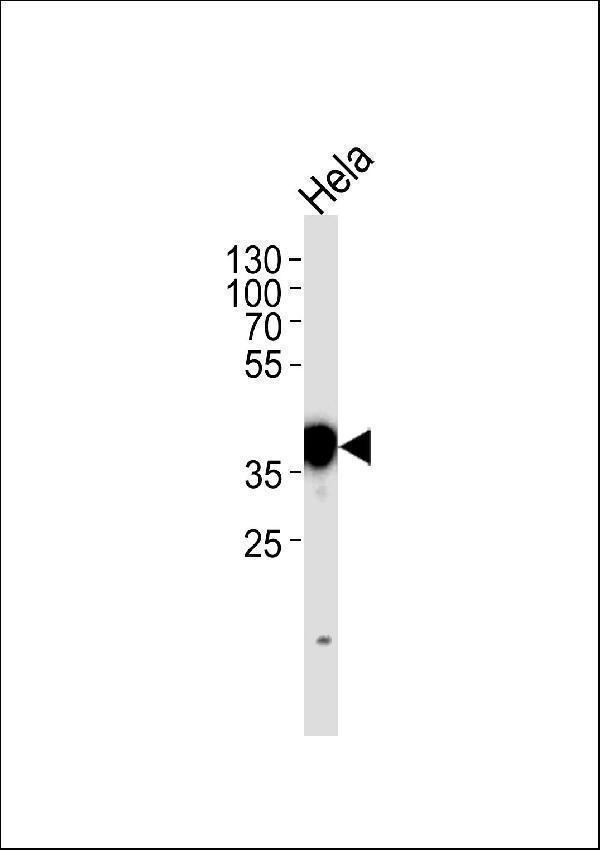
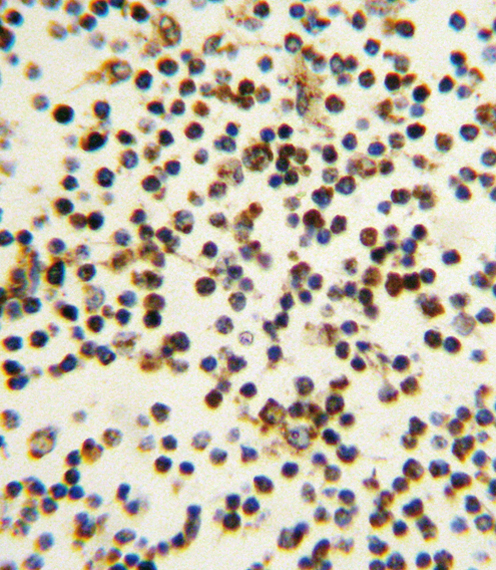
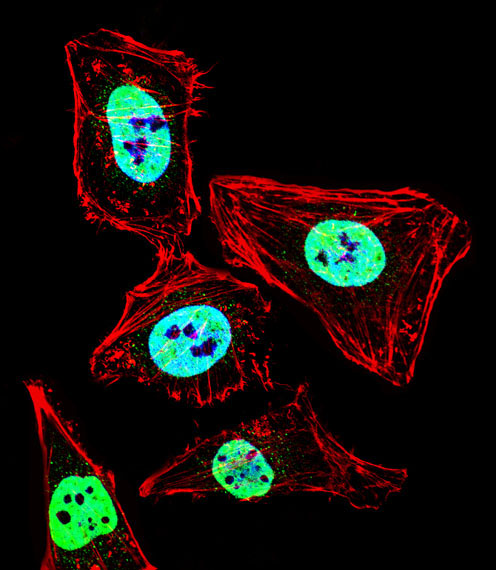
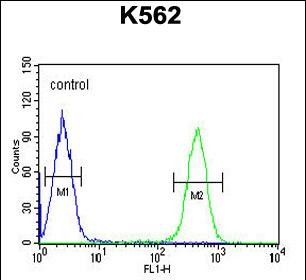
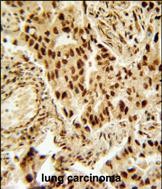
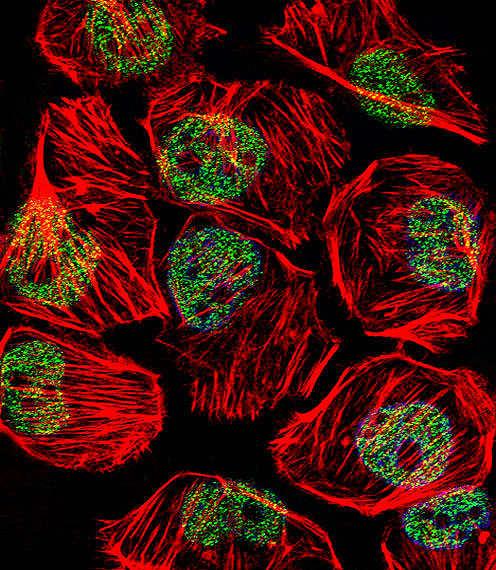
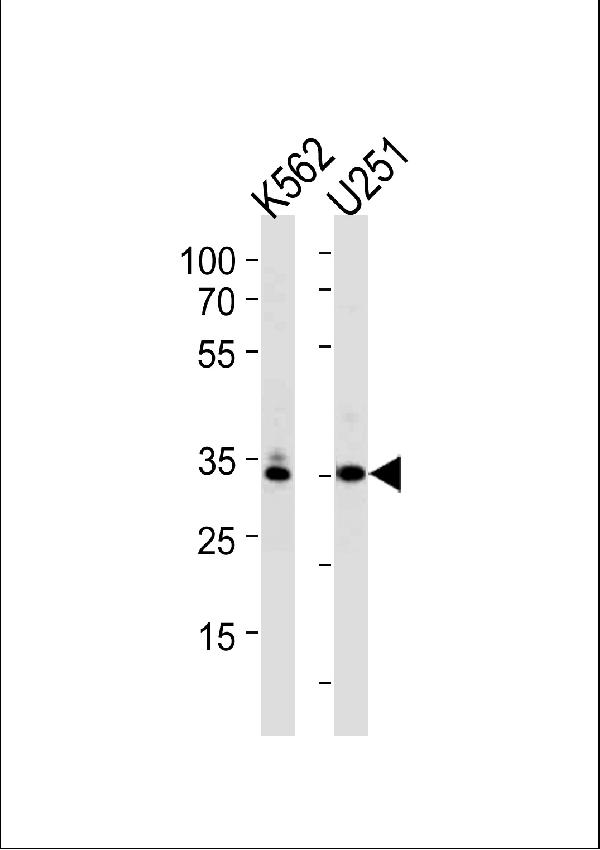
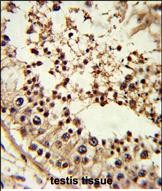
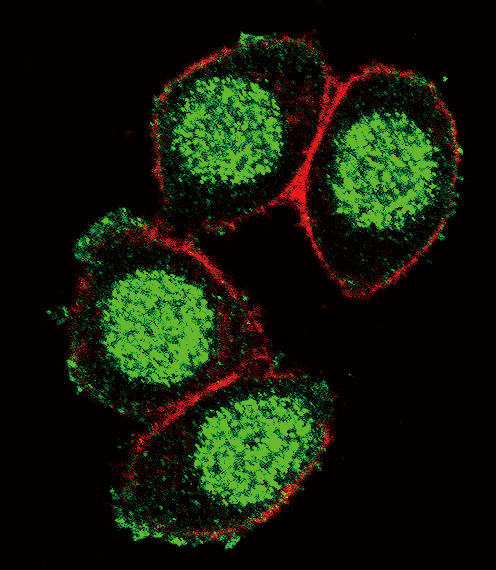
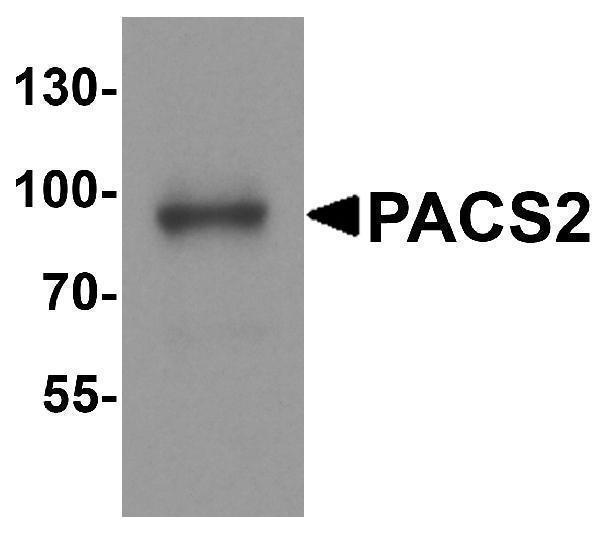
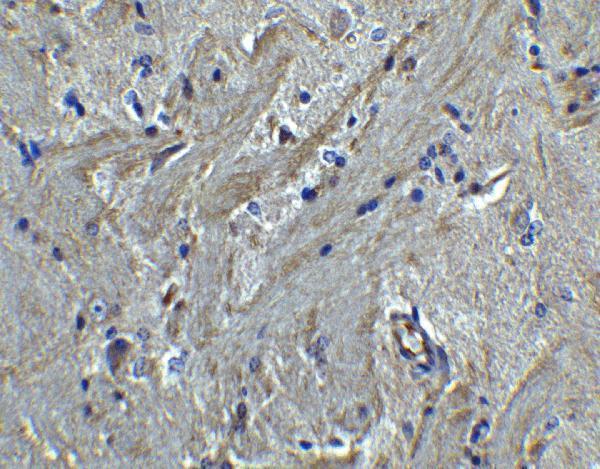
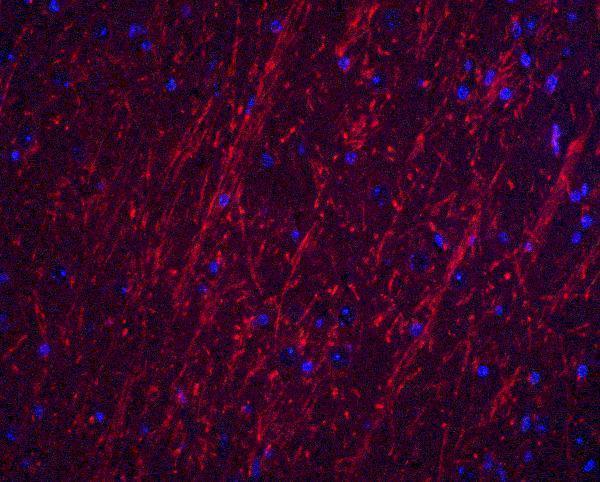
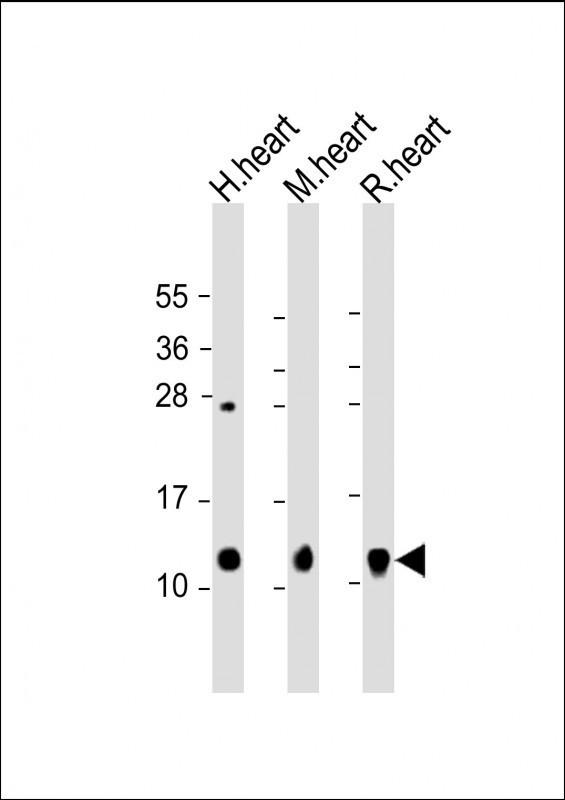
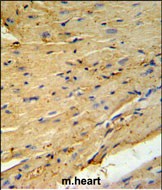
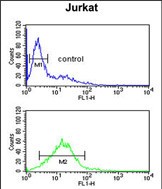
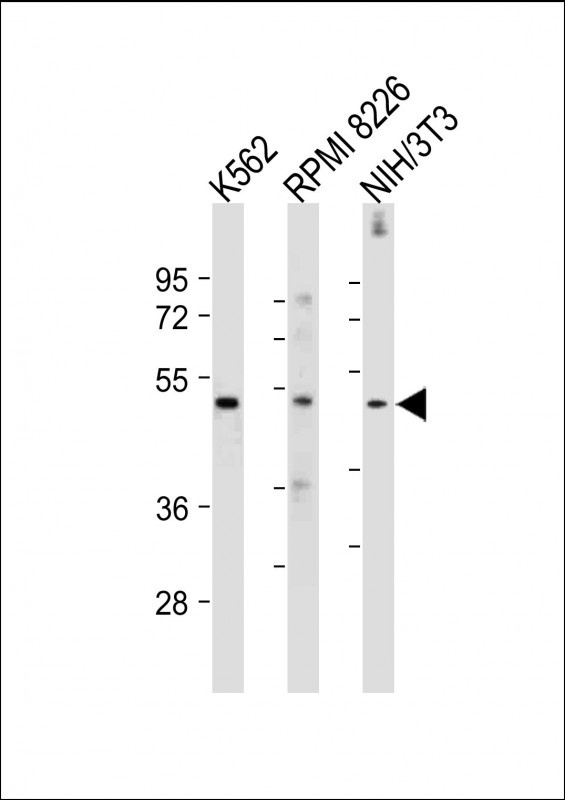
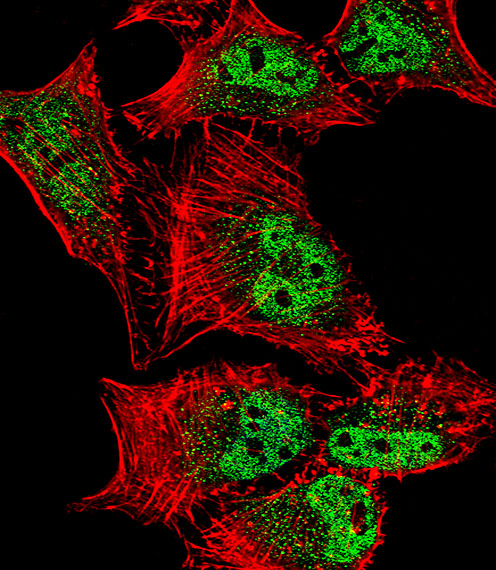
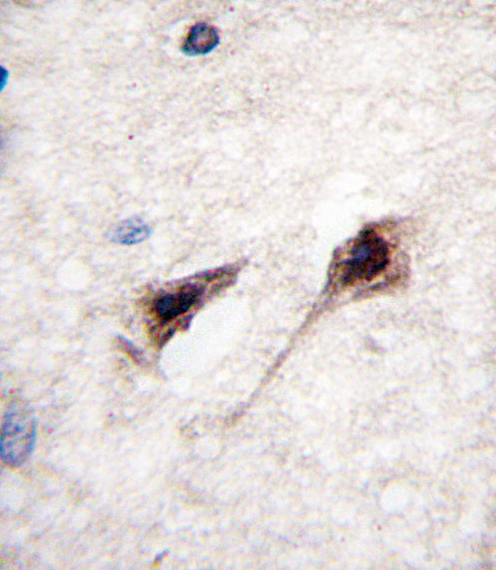
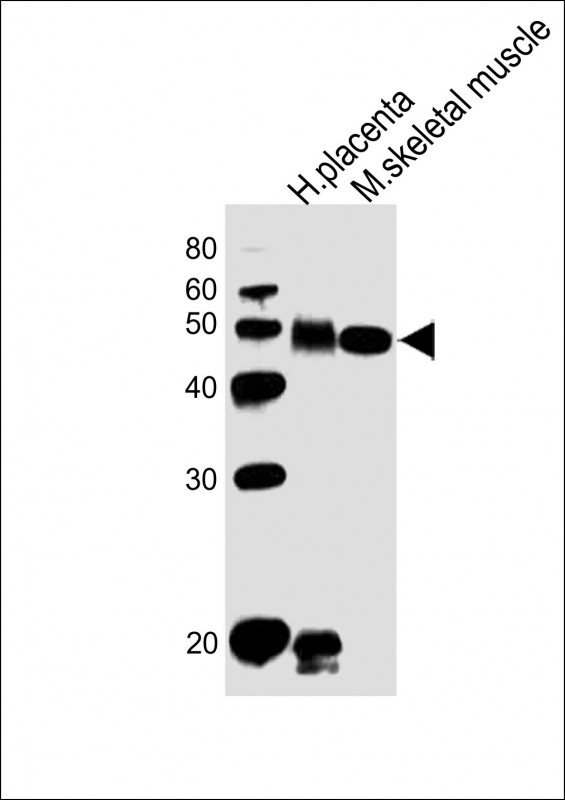
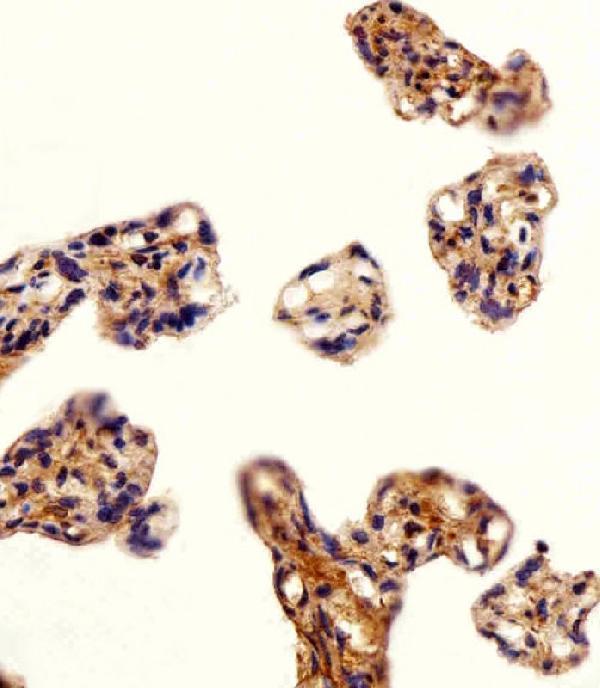
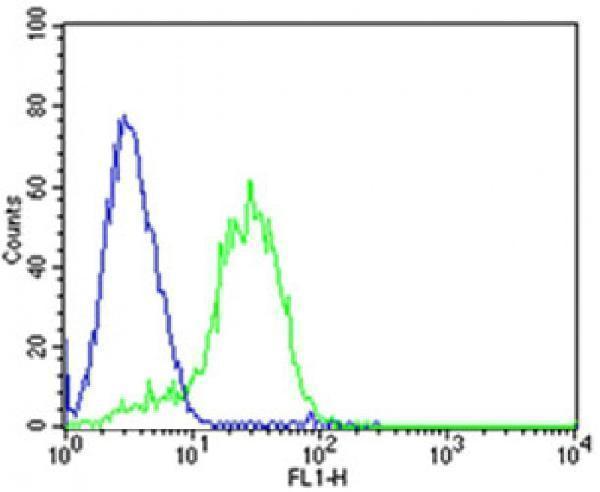
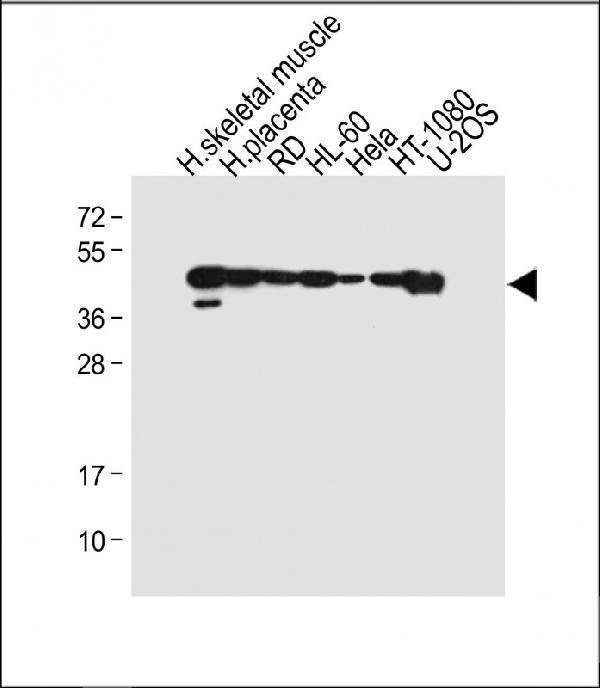
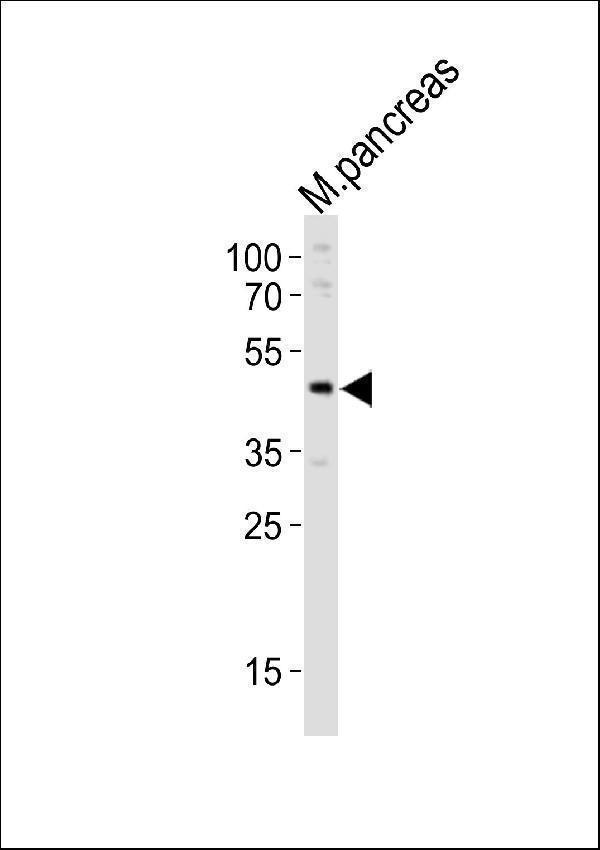
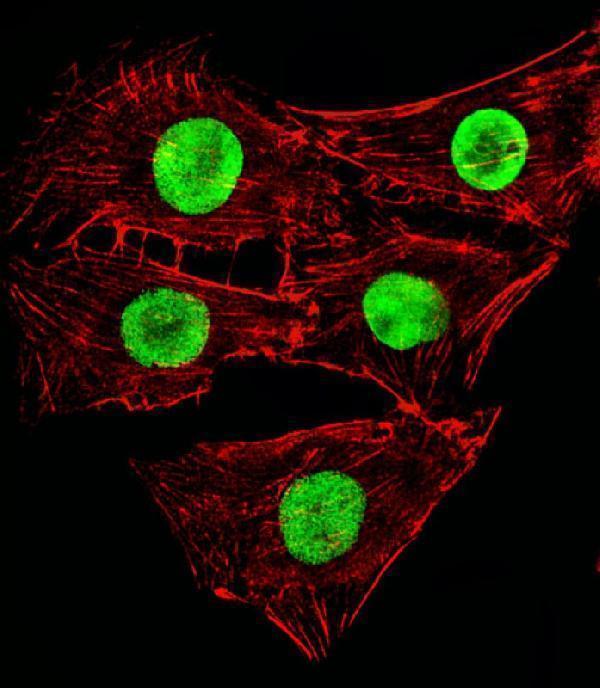
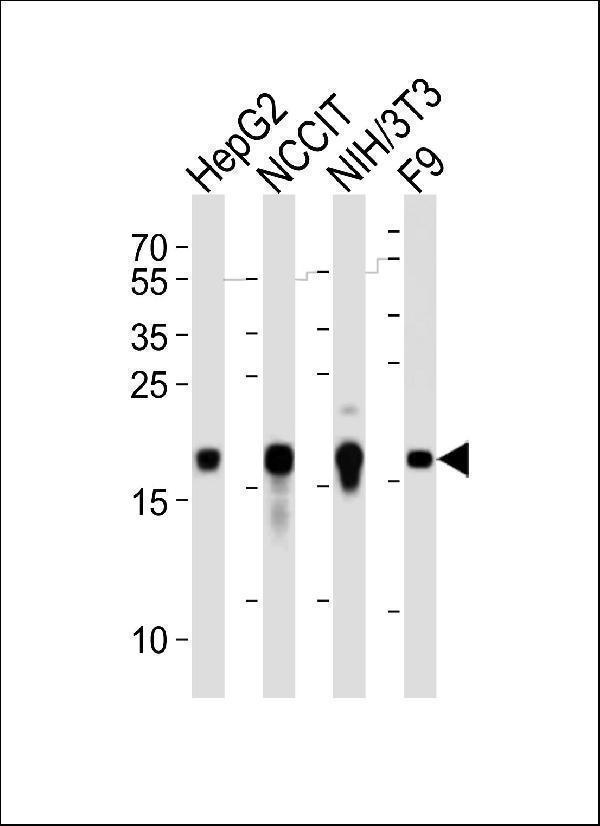
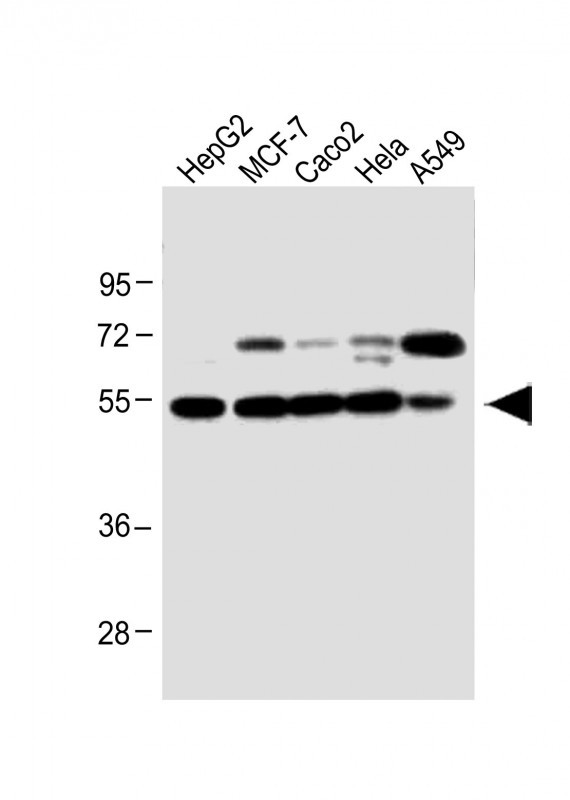
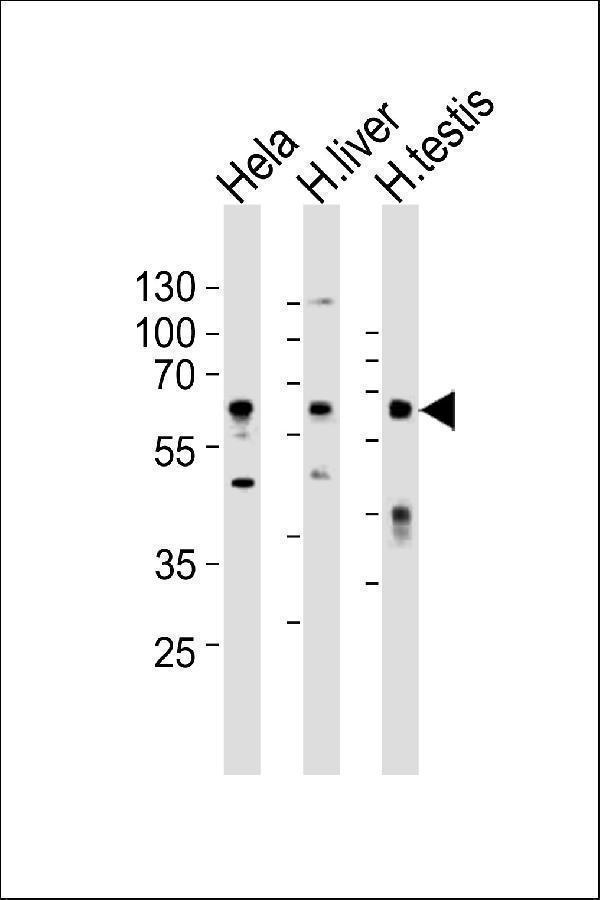
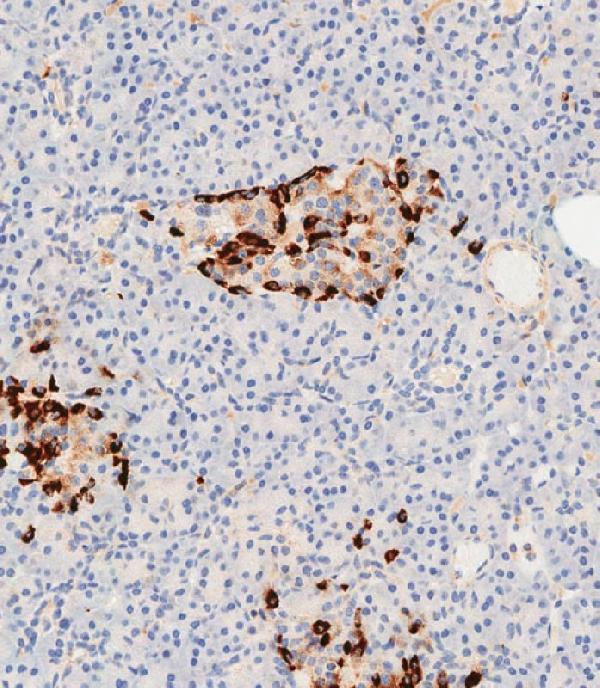
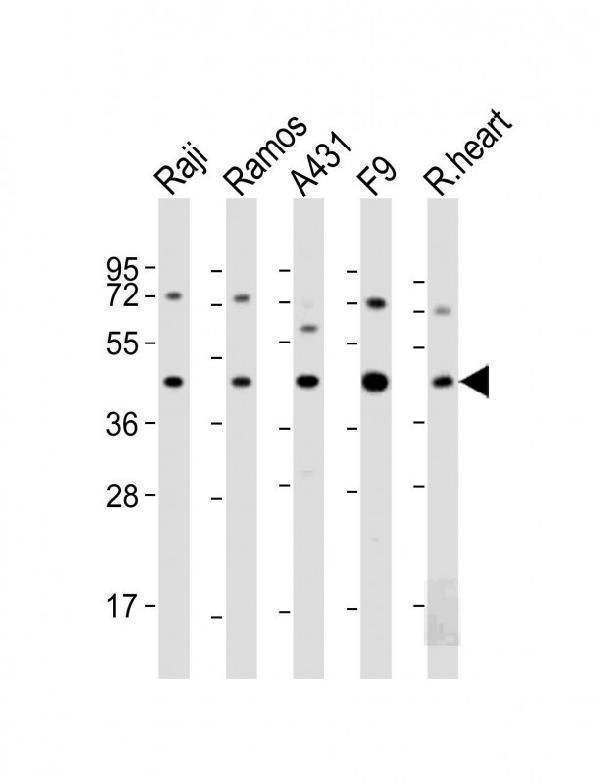
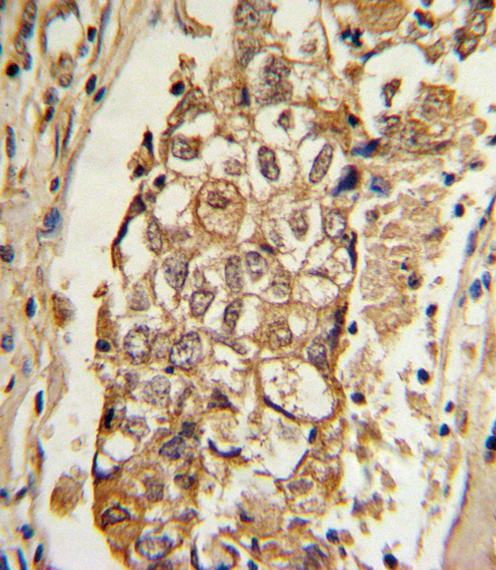
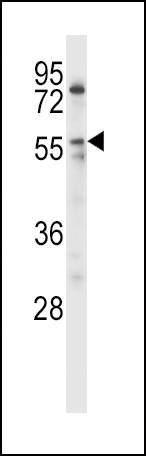
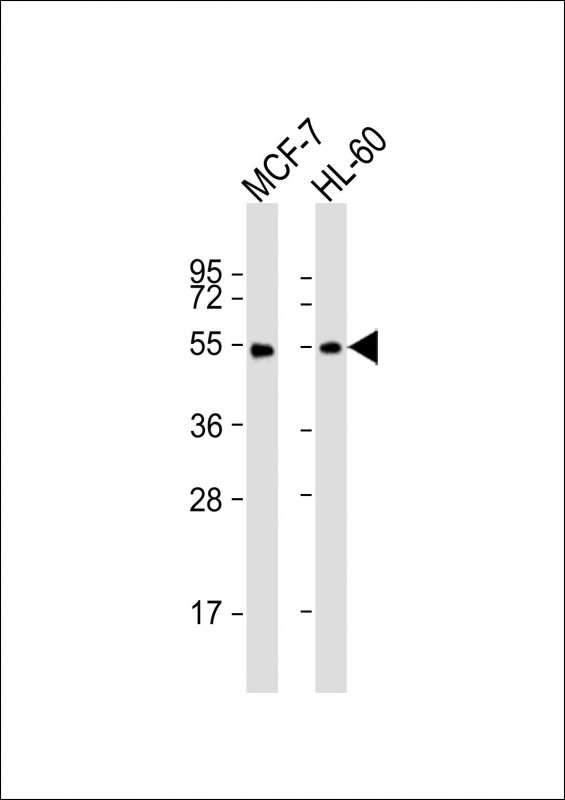
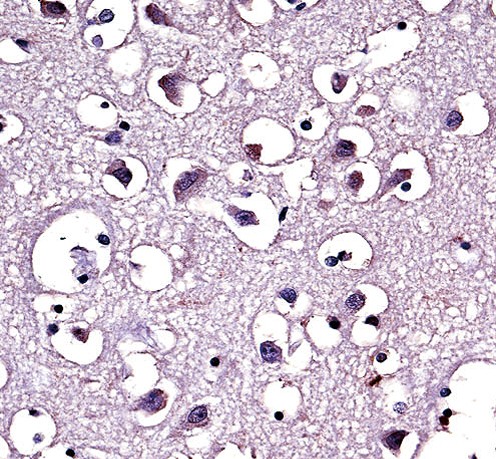
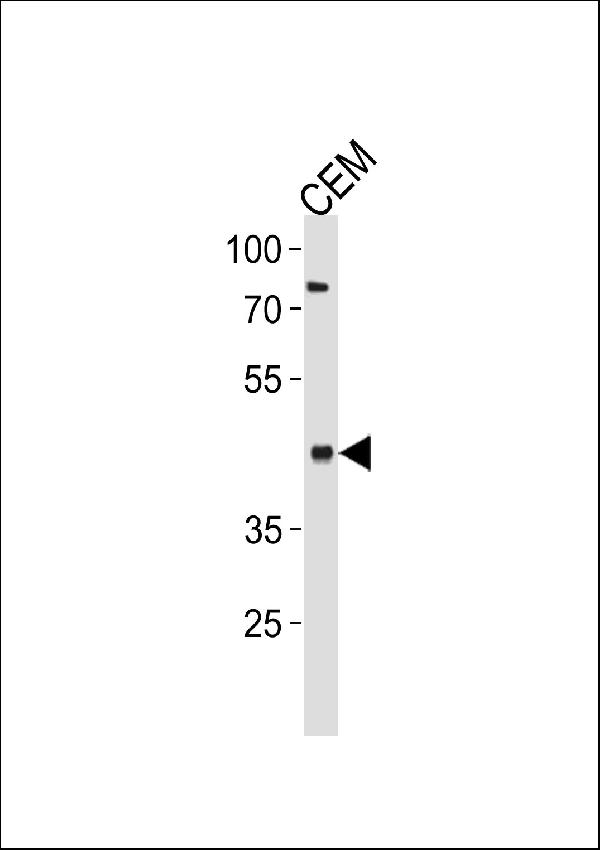
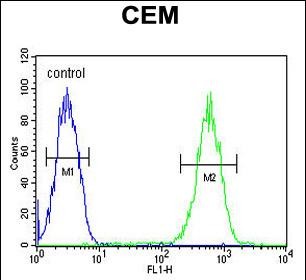
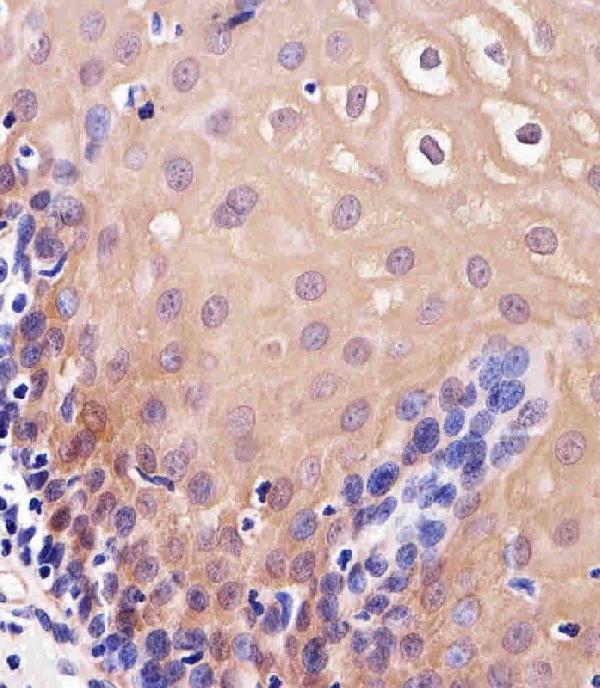
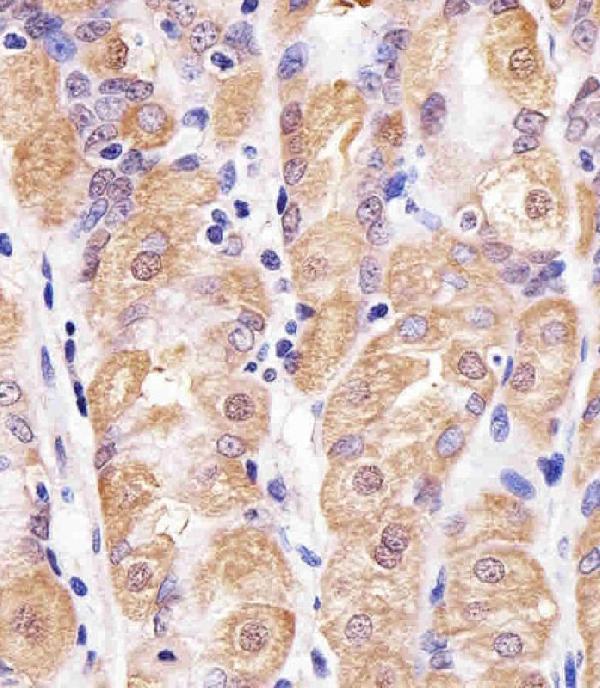
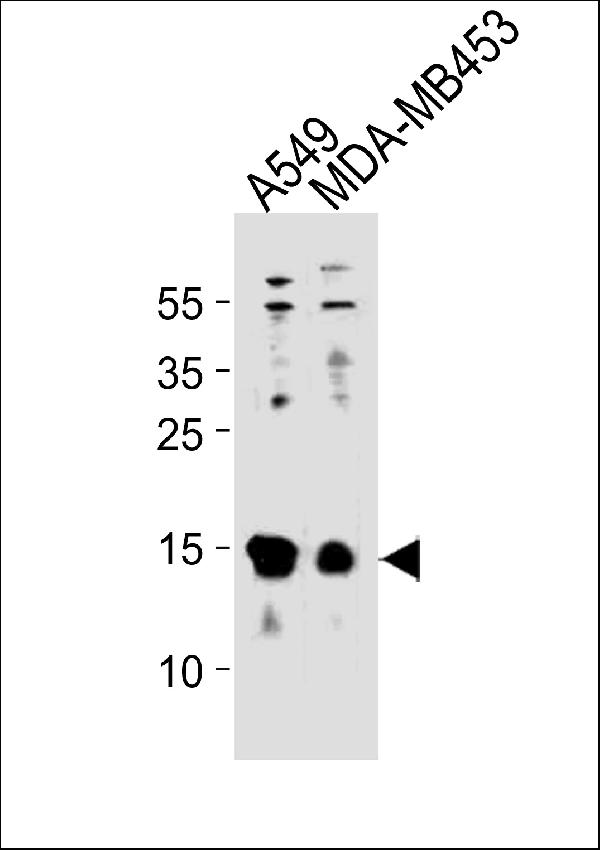
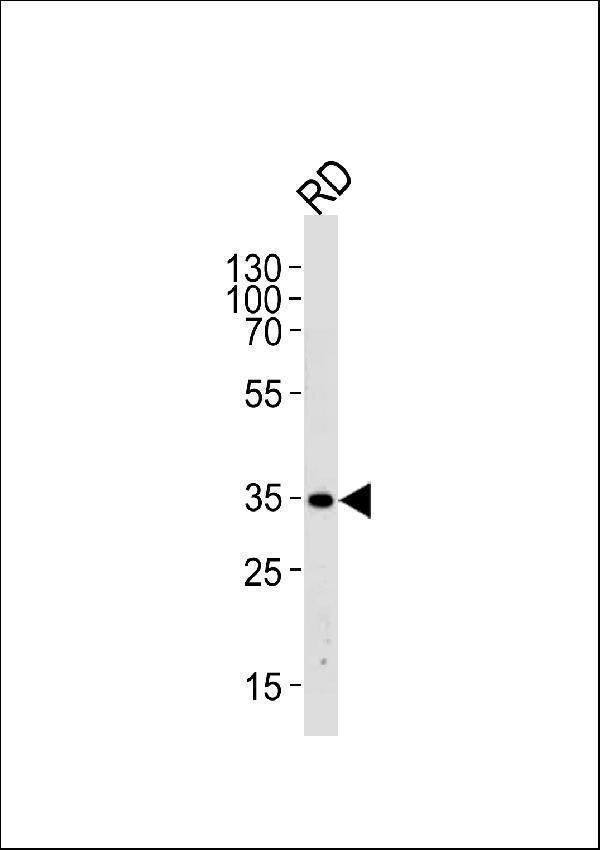
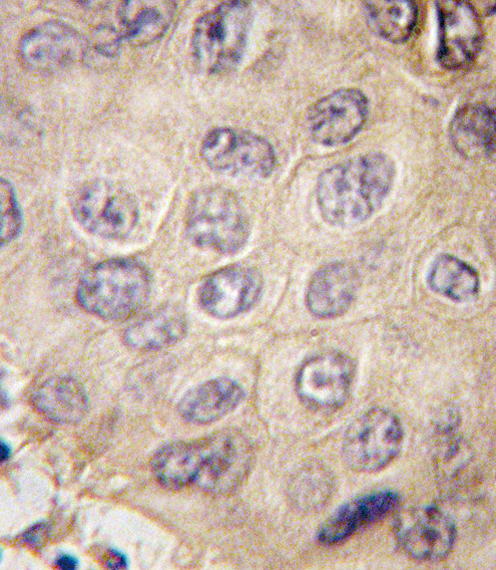
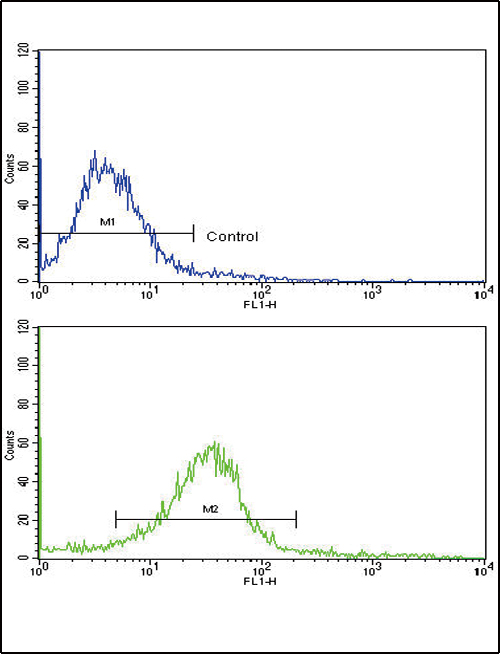
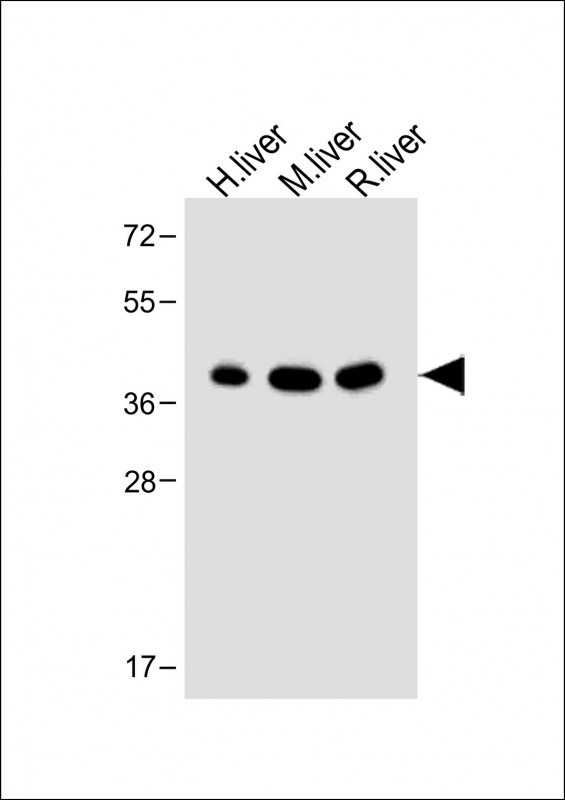
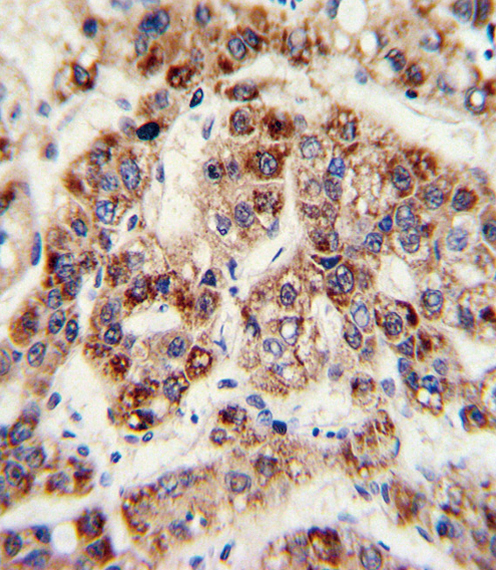
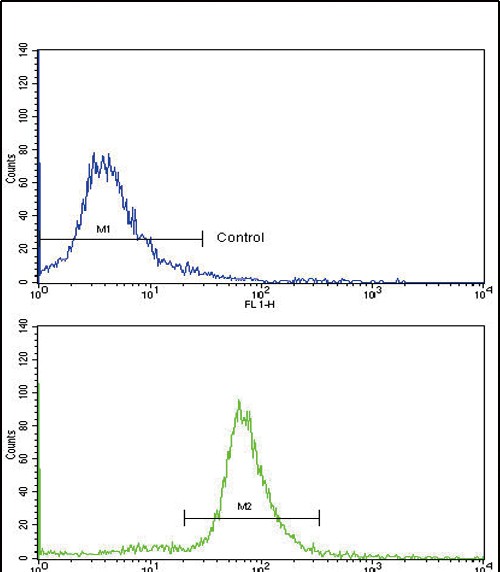
Many biological assays use antibodies to detect Clusterin, such as Western Blot (WB), ELISA, Flow Cytometry, Immunocytochemistry (IHC). These antibodies can be polyclonal or monoclonal, and react with Clusterin in Human, Mouse, Rat, and many other animal samples. Boster Bio use mainly mouse and rabbit to develop Clusterin antibodies...
We validate the specificity of these antibodies to Clusterin by testing them on tissues known to express CLU positively and negatively. Browse below to find the CLU antibody that suites your experiment. We have 100 of these antibodies and many publications and validation images.
If you cannot find antibodies that fit your needs, contact us for making custom antibodies. We have a full suite of custom antibody services covering from research to diagnostic and therapeutic applications.
Designing a Western blot for Clusterin?
The guide has the expected band size, antibodies backed by real blot images, the controls to run alongside, and protocols taken from published papers.
Isoform 1 functions as extracellular chaperone that prevents aggregation of nonnative proteins. Inhibits formation of amyloid fibrils from APP, APOC2, B2M, CALCA, CSN3, SNCA and aggregation-prone LYZ variants (in vitro).
Doesn't require ATP. Maintains partially unfolded proteins in a country suitable for subsequent refolding by other chaperones, for example HSPA8/HSC70.
Detected in blood plasma, cerebrospinal fluid, milk, seminal plasma and colon mucosa. Detected in the germinal center of colon lymphoid nodules and in colon parasympathetic ganglia of the Auerbach plexus (at protein level). Ubiquitous. Detected in brain, testis, ovary, liver and pancreas, and at lower levels in kidney, heart, spleen and lung.
Subcellular Localizations
[Isoform 1]: Secreted. Can retrotranslocate from the secretory compartments to the cytosol upon cellular stress.; [Isoform 4]: Cytoplasm. Keeps cytoplasmic localization in stressed and unstressed cell.; [Isoform 6]: Cytoplasm. Keeps cytoplasmic localization in stressed and unstressed cell.; Nucleus. Cytoplasm. Mitochondrion membrane; Peripheral membrane protein; Cytoplasmic side. Cytoplasm, cytosol. Microsome. Endoplasmic reticulum. Mitochondrion. Mitochondrion membrane. Cytoplasm, perinuclear region. Cytoplasmic vesicle, secretory vesicle, chromaffin granule. Secreted isoforms can retrotransl
Diseases
Malignant Neoplasms
Neoplasms
Alzheimer's Disease
Prostatic Neoplasms
Malignant Neoplasm Of Prostate
Carcinoma
Inflammation
Malignant Neoplasm Of Breast
Cell Transformation, Neoplastic
Mammary Neoplasms
Neoplasm Metastasis
Malignant Paraganglionic Neoplasm
Kidney Diseases
Atherosclerosis
Nerve Degeneration
Tumor Progression
Adenocarcinoma
Senile Plaques
Plaque, Amyloid
Dementia
Interacting Proteins
ADCYAP1
APP
DISC1
FOS
MSRB1
PDIA3
PPARG
Pathways
Cell Death
Pathogenesis
Localization
Transport
Secretion
Cell Cycle
Cell Proliferation
Aging
Programmed Cell Death
Cell Growth
Senescence
Induction Of Apoptosis
Complement Activation
Dna Repair
Cytolysis
Lipid Transport
Glycosylation
Translation
Regeneration
Tissue Remodeling
PTMs
Cleavage
Phosphorylation
Glycosylation
Methylation
Oxidation
Sulphation
Reduction
Acetylation
Demethylation
Deglycosylation
Phosphorothioation
Ubiquitination
Biotinylation
Dephosphorylation
Deacetylation
Research Areas
Apoptosis
Cancer
Cytokine Research
Dendritic Cell Markers
Hypoxia
Immunology
Innate Immunity
For details, visit: bosterbio.com/bosterbio-gene-info-cards/CLU
References
PMID: 2780565 by Jenne D.E., et al. Molecular structure and functional characterization of a human complement cytolysis inhibitor found in blood and seminal plasma: identity to sulfated glycoprotein 2, a constituent of rat testis fluid.
PMID: 8181474 by Wong P., et al. Molecular characterization of human TRPM-2/clusterin, a gene associated with sperm maturation, apoptosis and neurodegeneration.
18 Publications of Boster Clusterin Antibodies & ELISA Kits
PubMed ID: 10.3389/fonc.2021.621806, Mining of RNA Methylation-Related Genes and Elucidation of Their Molecular Biolo...
PubMed ID: 10.1111/cen.13360, Urine clusterin/apolipoprotein J is linked to tubular damage and renal outcomes...